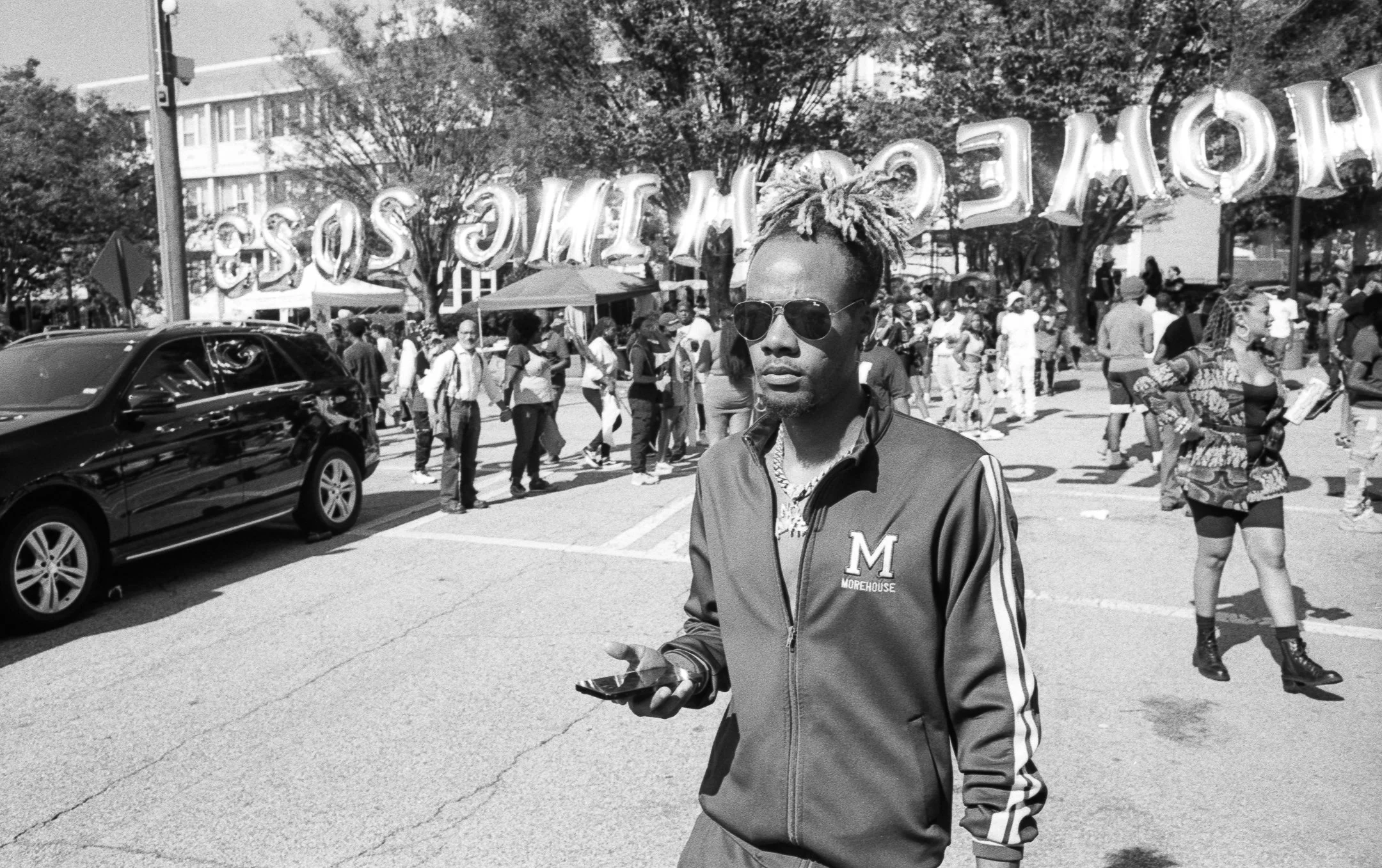
SpelHouse Homecoming Portraits!
The SpelHouse Homecoming Portrait Project by Stan Johnson is a photographic series honoring the legacy of Morehouse and Spelman alumni. Rooted in Atlanta’s cultural heart, the project captures the pride, connection, and community that define HBCU life. Born and raised in Atlanta — with family ties across the street from the Morehouse campus — Stan’s lens reflects both personal history and collective heritage.
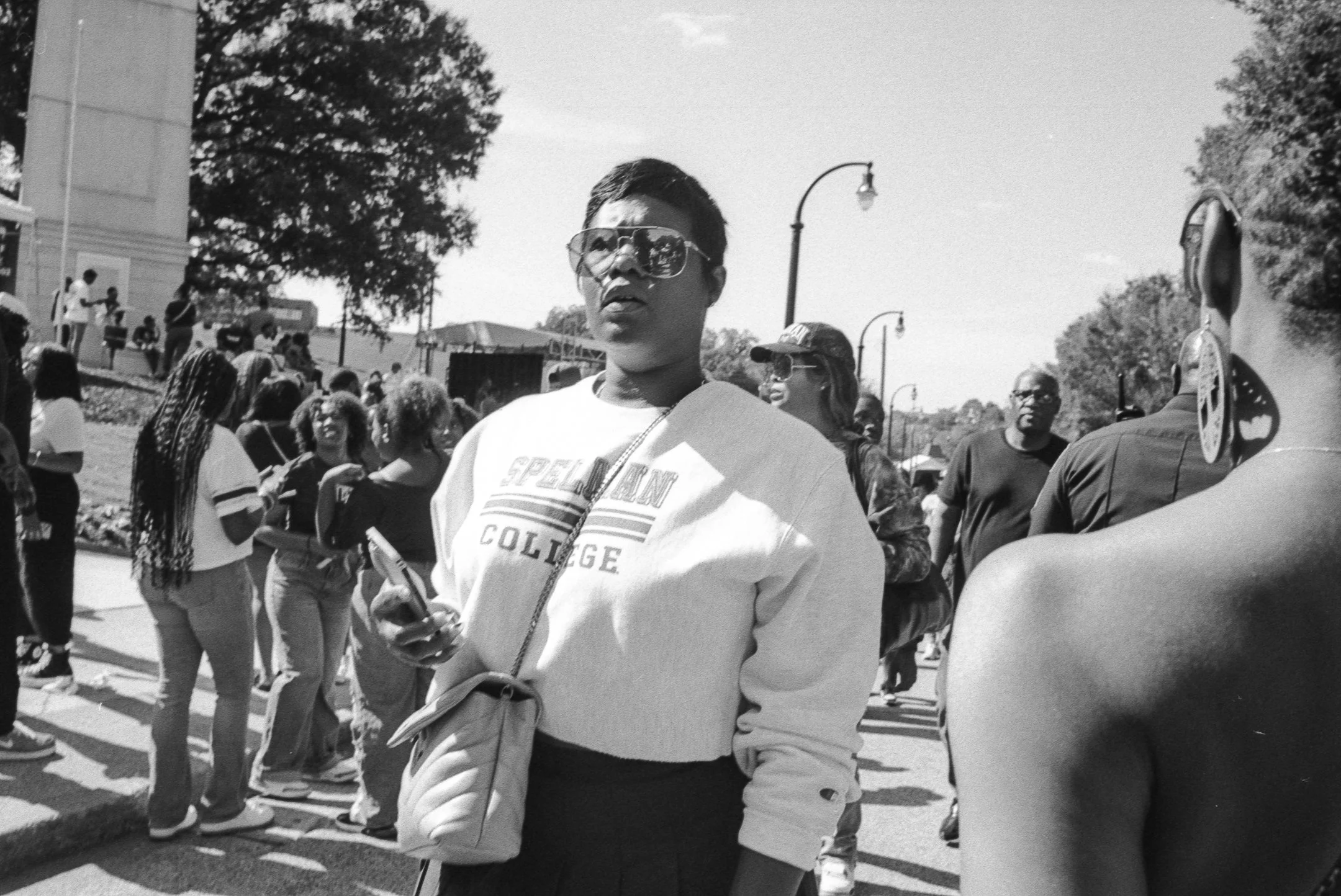
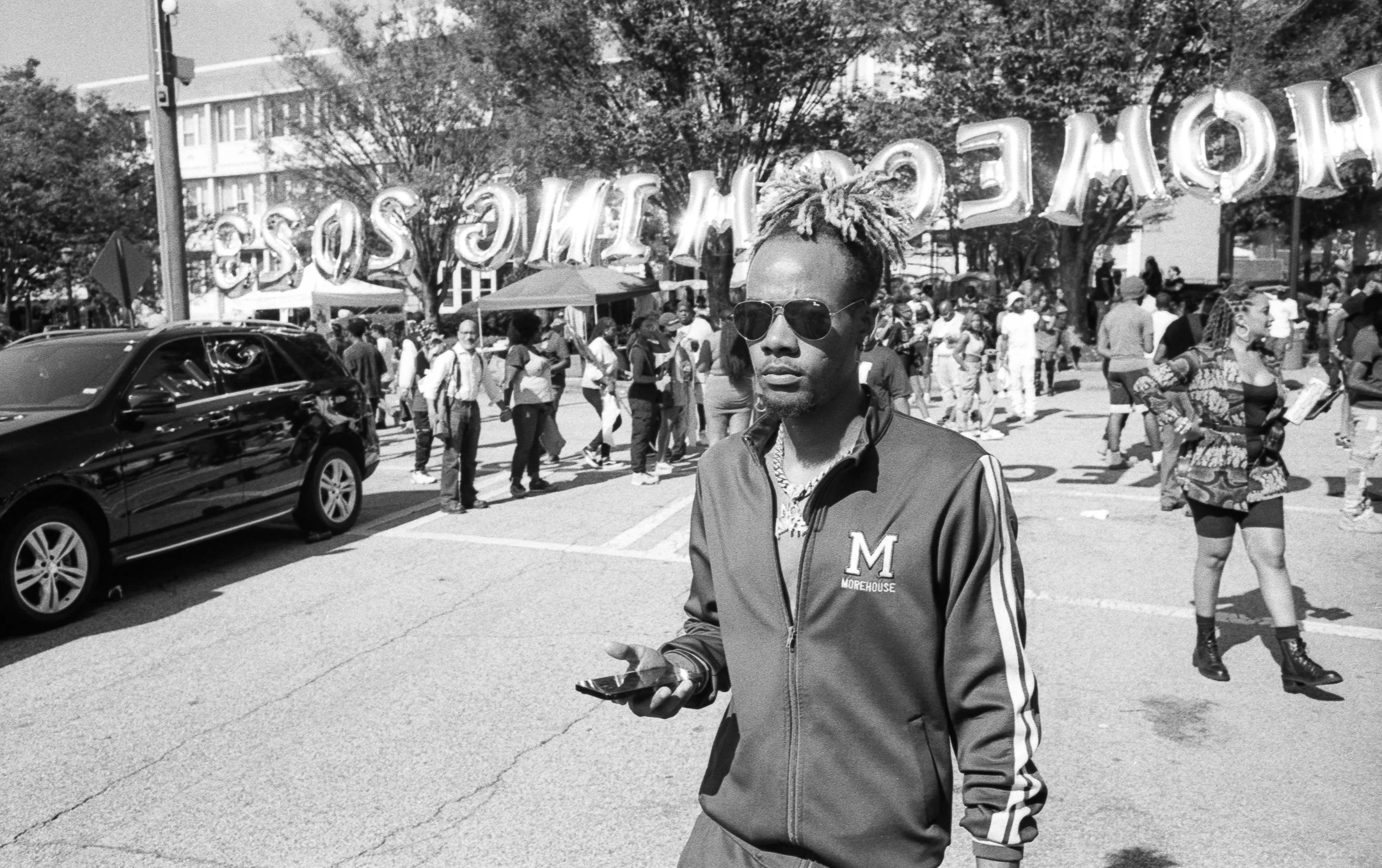
SpelHouse Homecoming Portraits!
I’ll be making portraits of Spelman and Morehouse alumni and students during Homecoming week, celebrating the legacy and pride that live in this community.
This project is personal for me — so this space and its stories mean a lot.
The portraits will be made in studio Oct 16-17 and are part of an ongoing body of work documenting Black life and culture across Atlanta. They may later be used for a self-funded exhibition and included in my portfolio for reviews and publication opportunities (think The New York Times, Smithsonian Magazine, etc.). This project is personal for me and I’m it treating with a special amount of care, I was born and raised in Atlanta, and my grandmother lived and raised my father and his siblings across the street from Spelman/Morehouse campuses. My daughter graduated from Spelman in 2024 and I was born and raised in Atlanta.
If you’re a alum or current student attending Homecoming and would like to participate, I’d love to include you.
Thinking about opening up the project to all HBCU alumni attending SpelHouse Homecoming.. if you’re interested sign a note below.Film Photography vs. Digital: Why I Stick with Film
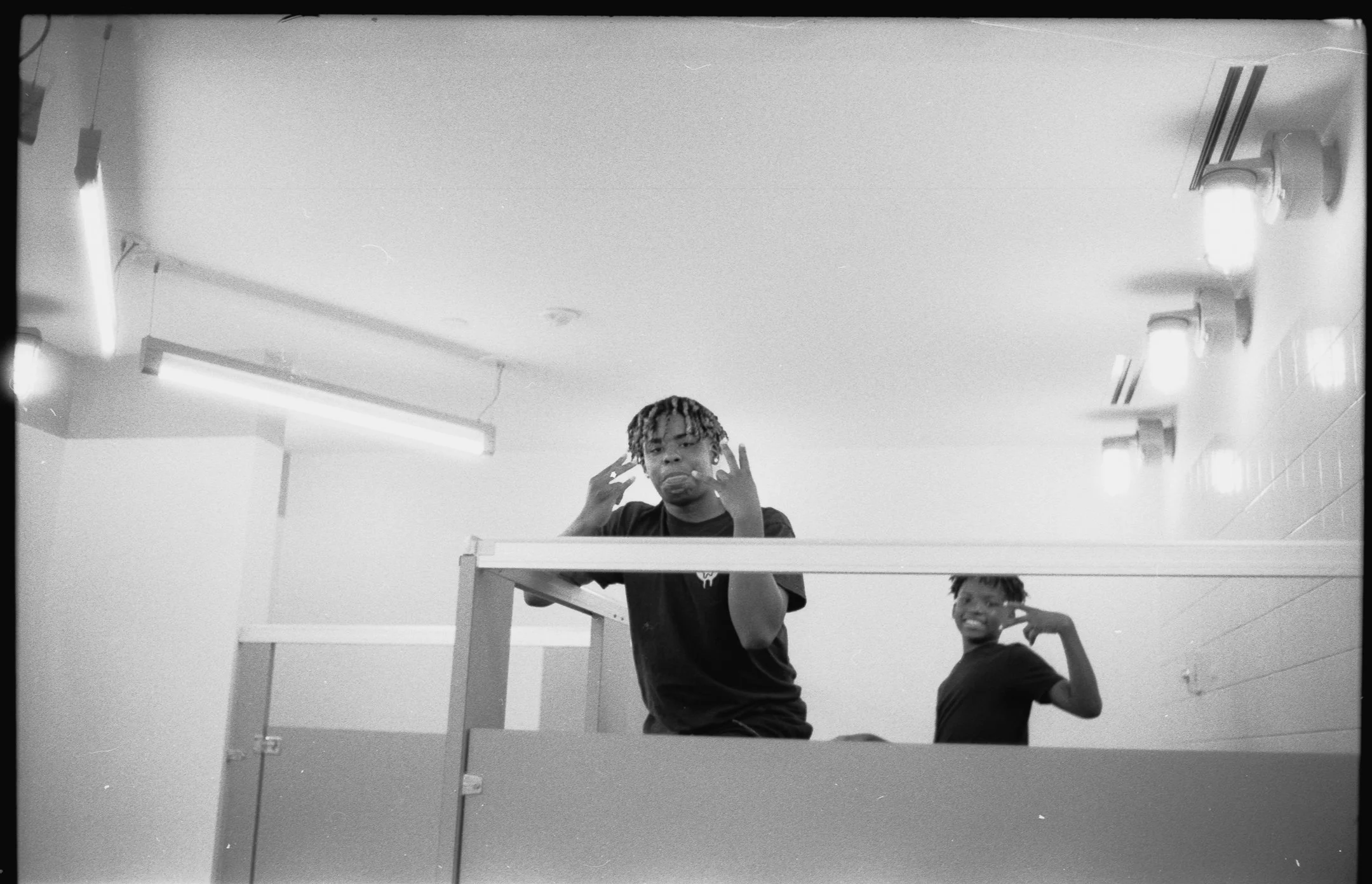
Film Photography vs. Digital: Why I Stick with Film
For years, I’ve worked with a Canon 1DX. It’s a beast of a camera—fast, reliable, and able to handle anything I throw at it. But lately, I’ve been dreaming about a different way of working, one that’s slower, more intentional, and grounded in the tactile beauty of film. That’s why I’m looking for ways to move my entire workflow—even for my "for hire" work—to film. This shift is part of what led me to purchase the Canon EOS-1V, a camera that bridges the gap between my current digital tools and the analog workflow I’m striving for.
Let’s break it down: why film, why now, and why it’s worth the trade-offs.
The Texture of Film: Why It Hits Different
Film has a texture that’s hard to replicate. It’s not just about the grain or the dynamic range—it’s the way film makes a moment feel tangible. Shooting with Kodak Tri-X 400, for example, gives my images a depth and character that digital just doesn’t match. There’s something about the imperfections, the subtle variations, and the way light interacts with the emulsion that brings a sense of authenticity to the image.
With digital, everything is sharp and pristine. That’s great for certain jobs, but it can feel too clean, almost sterile. Film, on the other hand, feels alive. It adds a layer of storytelling that resonates with me and the people I photograph.
The Slow Down: Intentionality in Every Frame
Working with film forces me to slow down. With my 1DX, I can fire off dozens of shots in seconds. But with film, every frame counts. You’re not just pressing a button; you’re composing, considering the light, and committing to a moment. That intentionality has changed how I see the world and how I approach my work.
This slower process is something I’m eager to bring to my "for hire" projects. Whether it’s a wedding, a portrait session, a sports event, or a commercial shoot, I want my clients to feel the care and thoughtfulness that goes into every image. Film makes that possible.
The Challenges of Film: Why It’s Still Worth It
Let’s be real—working with film isn’t easy. It’s expensive, time-consuming, and unforgiving. Mistakes aren’t as easy to fix, and there’s no instant feedback to tell you if you nailed the shot. But those challenges are also what make it rewarding.
One of the biggest hurdles for me has been figuring out how to integrate film into my professional workflow. The Canon EOS-1V has been a game-changer in that regard. It feels familiar, like my 1DX, but it’s 35mm film. It’s giving me the confidence to experiment and transition slowly. That said, my Leica M5 remains my primary film camera. It’s the tool I trust the most for my documentary and street photography work, but the EOS-1V allows me to explore film in settings where speed and versatility are key, like sports photography.
Developing my own film at home has also been part of the process—it keeps me connected to every step of the journey.
Why This Matters
Moving to a film workflow isn’t just about nostalgia or aesthetics. It’s about creating images that feel meaningful and lasting. In a world where everyone has a smartphone and can snap a photo in seconds, film sets my work apart. It tells a story not just about the subject, but about the process and the care that went into capturing it.
For me, this journey is about more than just photography. It’s about connecting with my craft in a deeper way and delivering something to my clients that’s unique, timeless, and undeniably real.
Final Thoughts
This isn’t an overnight transition. I’m still working with digital tools like my Canon 1DX for certain jobs, but the goal is clear: to move fully into the world of film. My Leica M5 will continue to be my go-to for most of my personal and documentary work, while the Canon EOS-1V helps me bridge the gap for sports and fast-paced projects. It’s a challenge, but it’s one I’m ready for. Because at the end of the day, film isn’t just a medium—it’s a mindset, and it’s one I’m proud to embrace.
Check back Sunday @ 10am..
With Love,
Stan