015: Bearing Witness on Buford Highway: A Black Photographer’s Reflection
Bearing Witness on Buford Highway: A Black Photographer’s Reflection
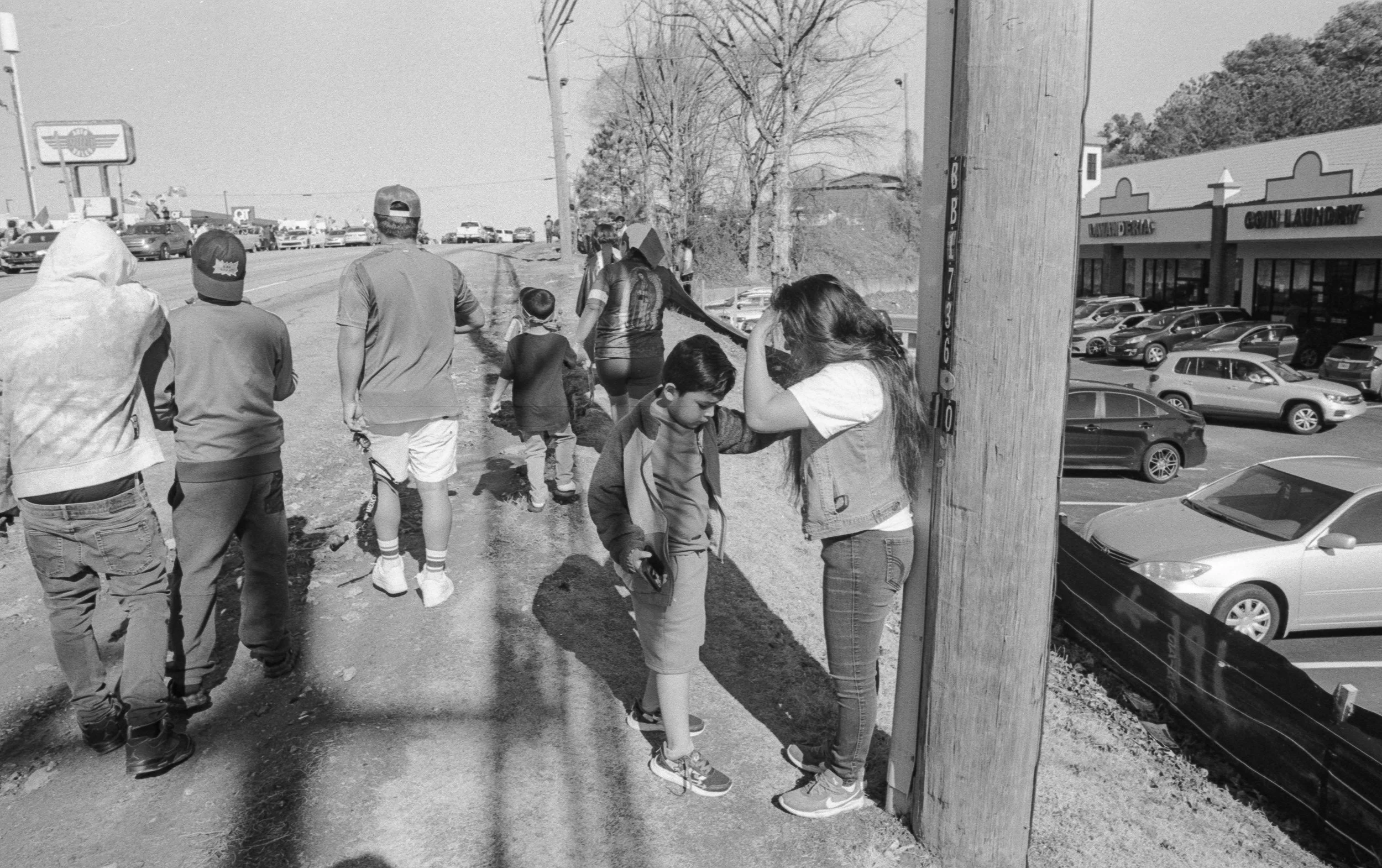
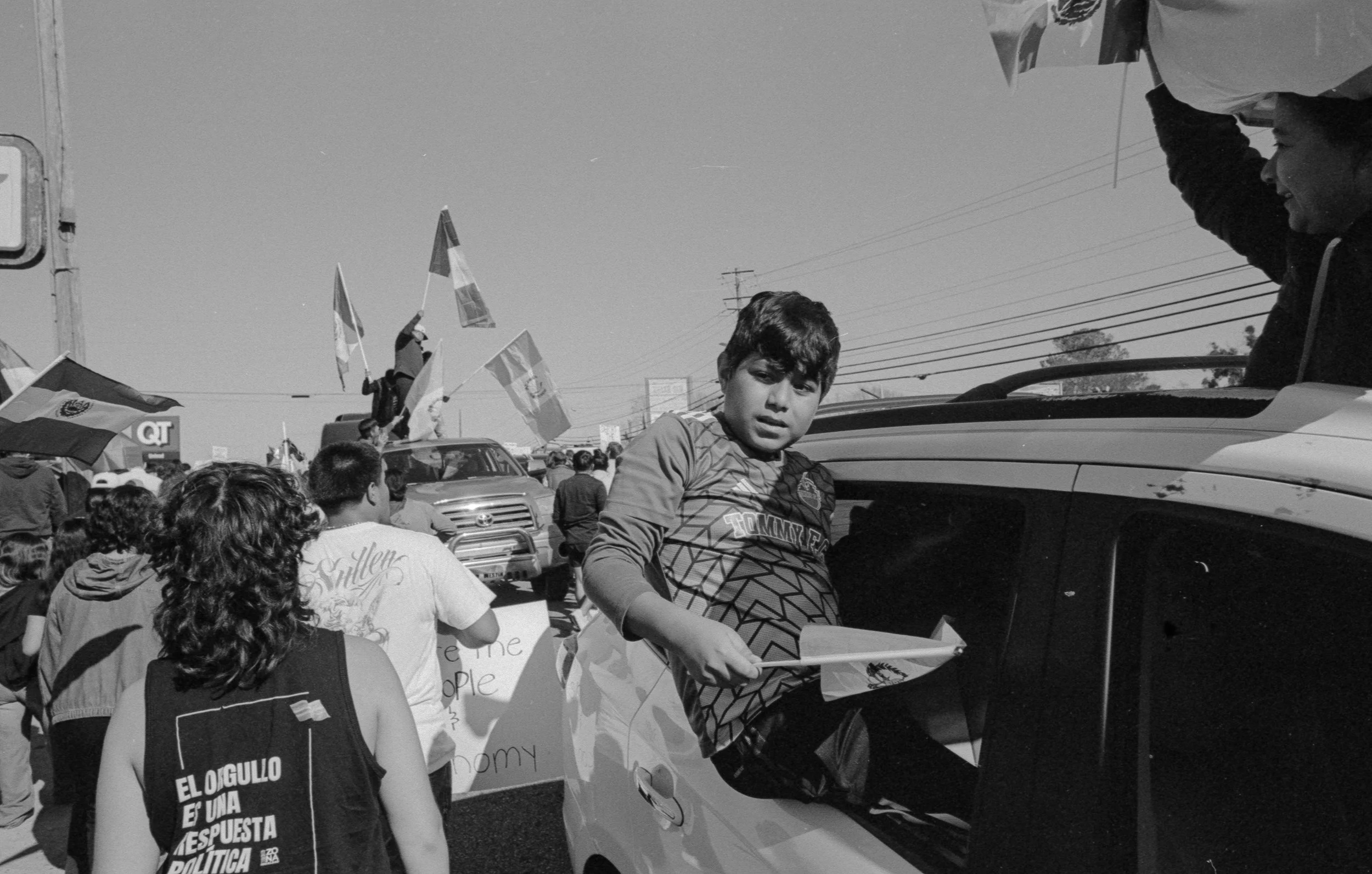
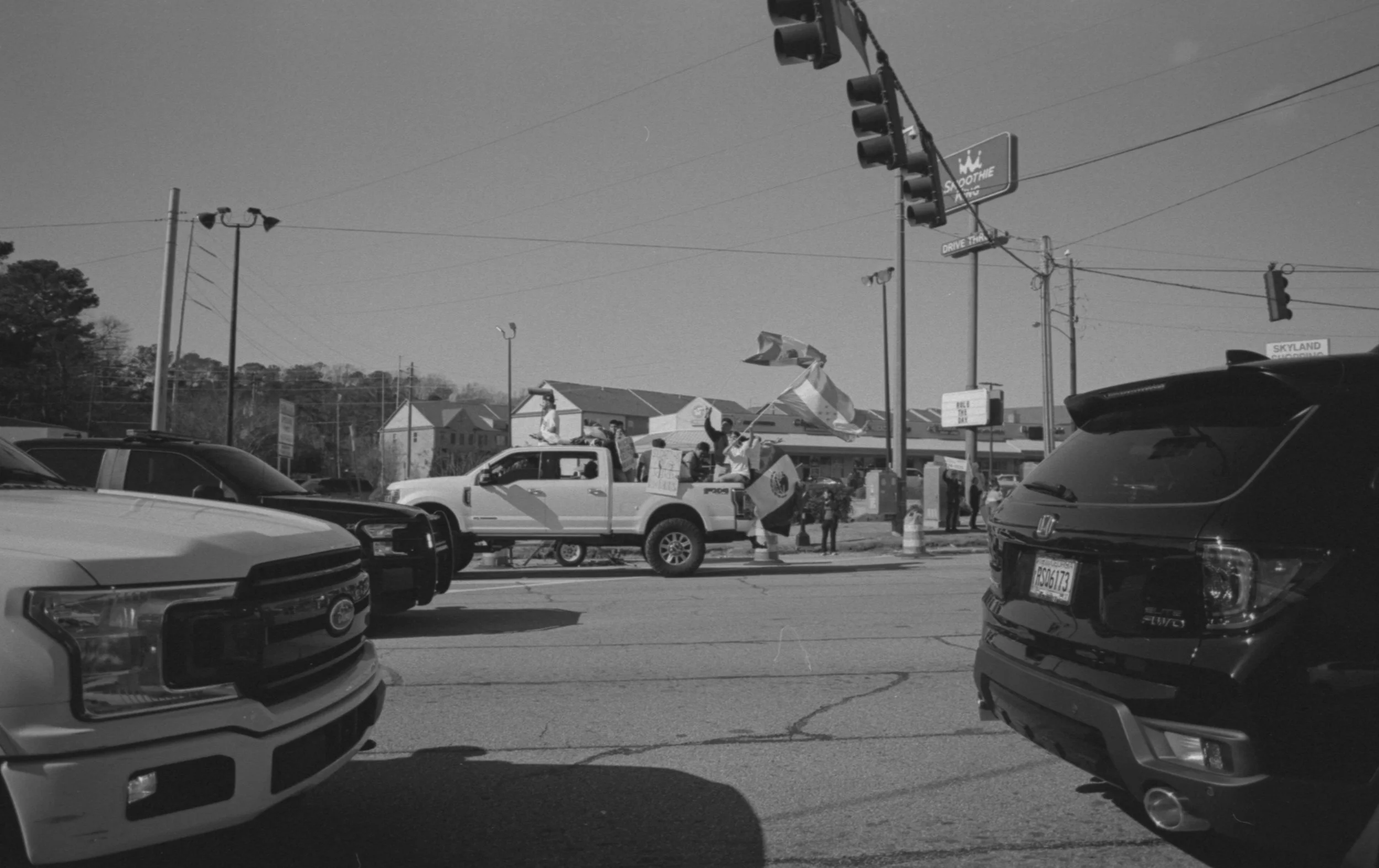
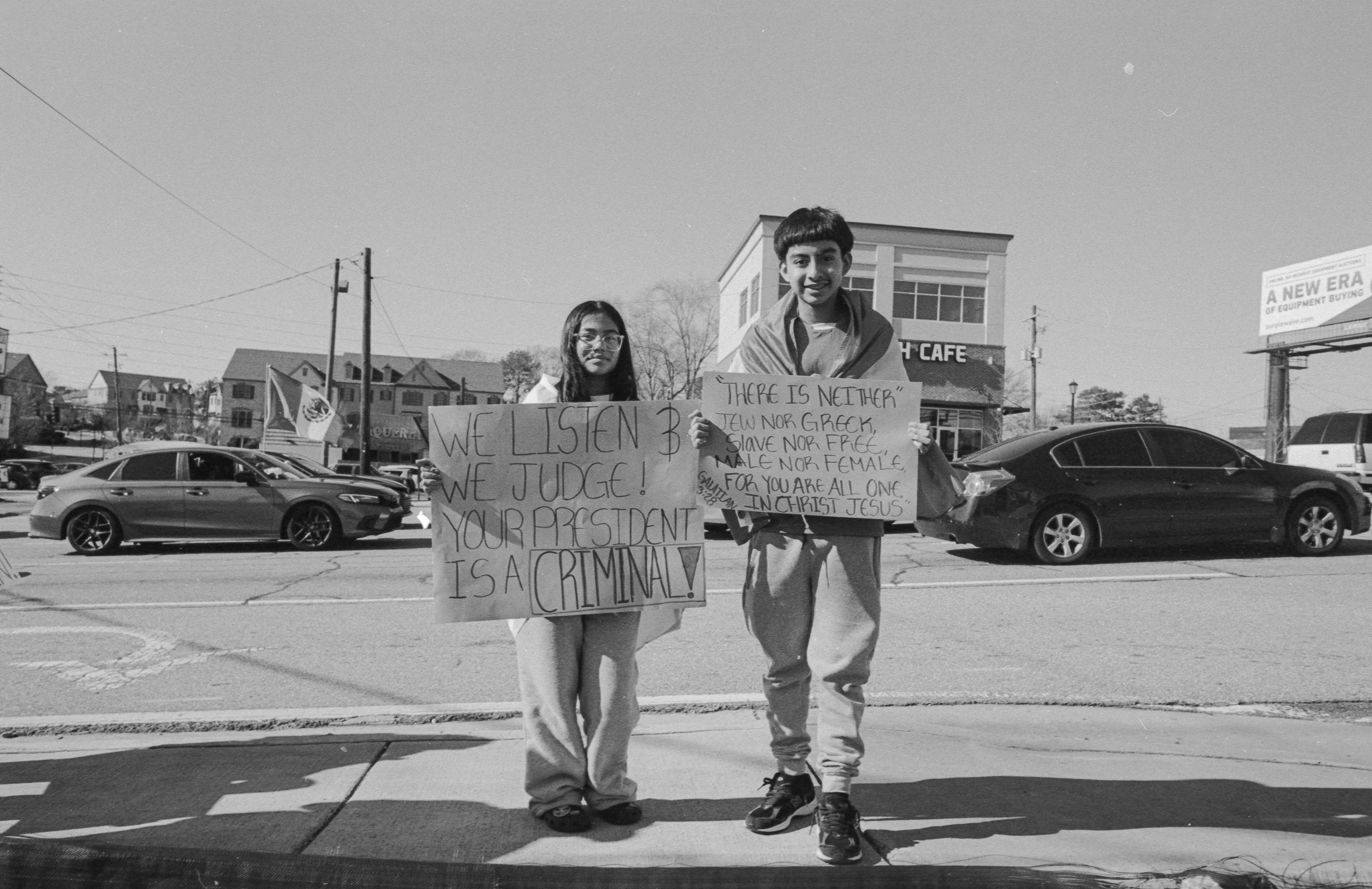
Some moments in history demand to be seen, to be held, to be remembered. This past weekend, I found myself on Buford Highway, camera in hand, drawn not by obligation but by something deeper, an unshakable need to document a piece of the world as it unfolded before me.
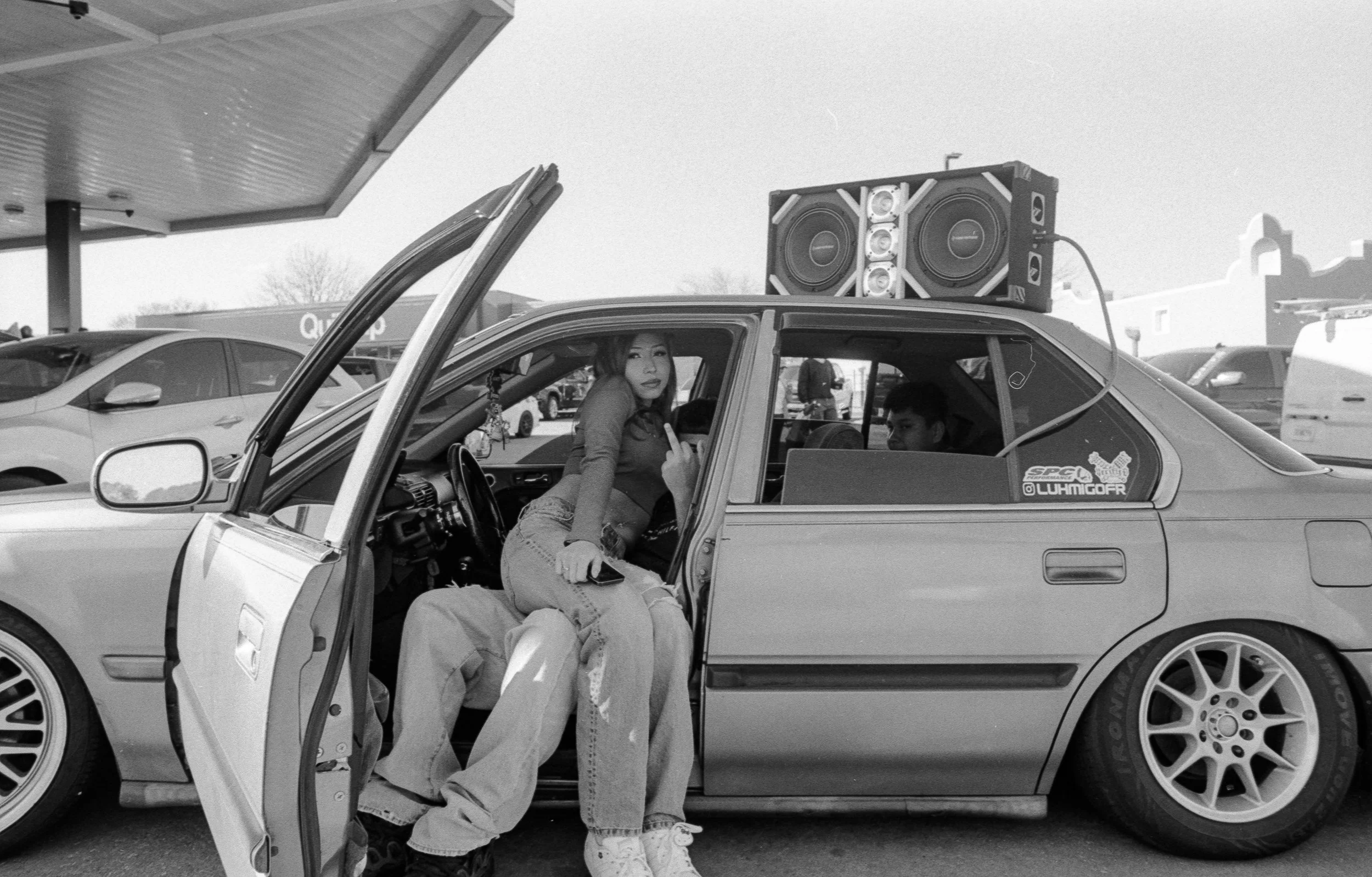
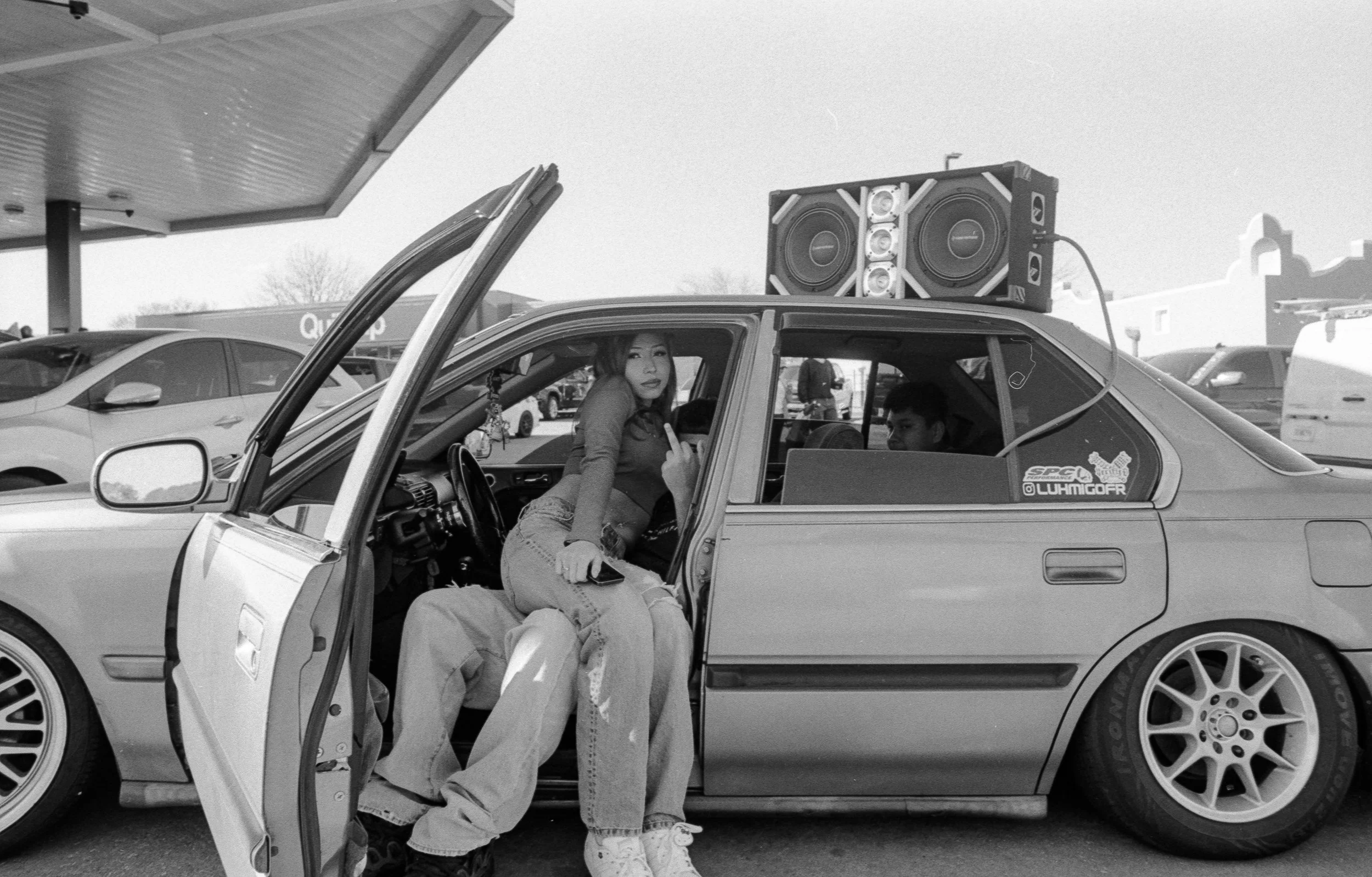
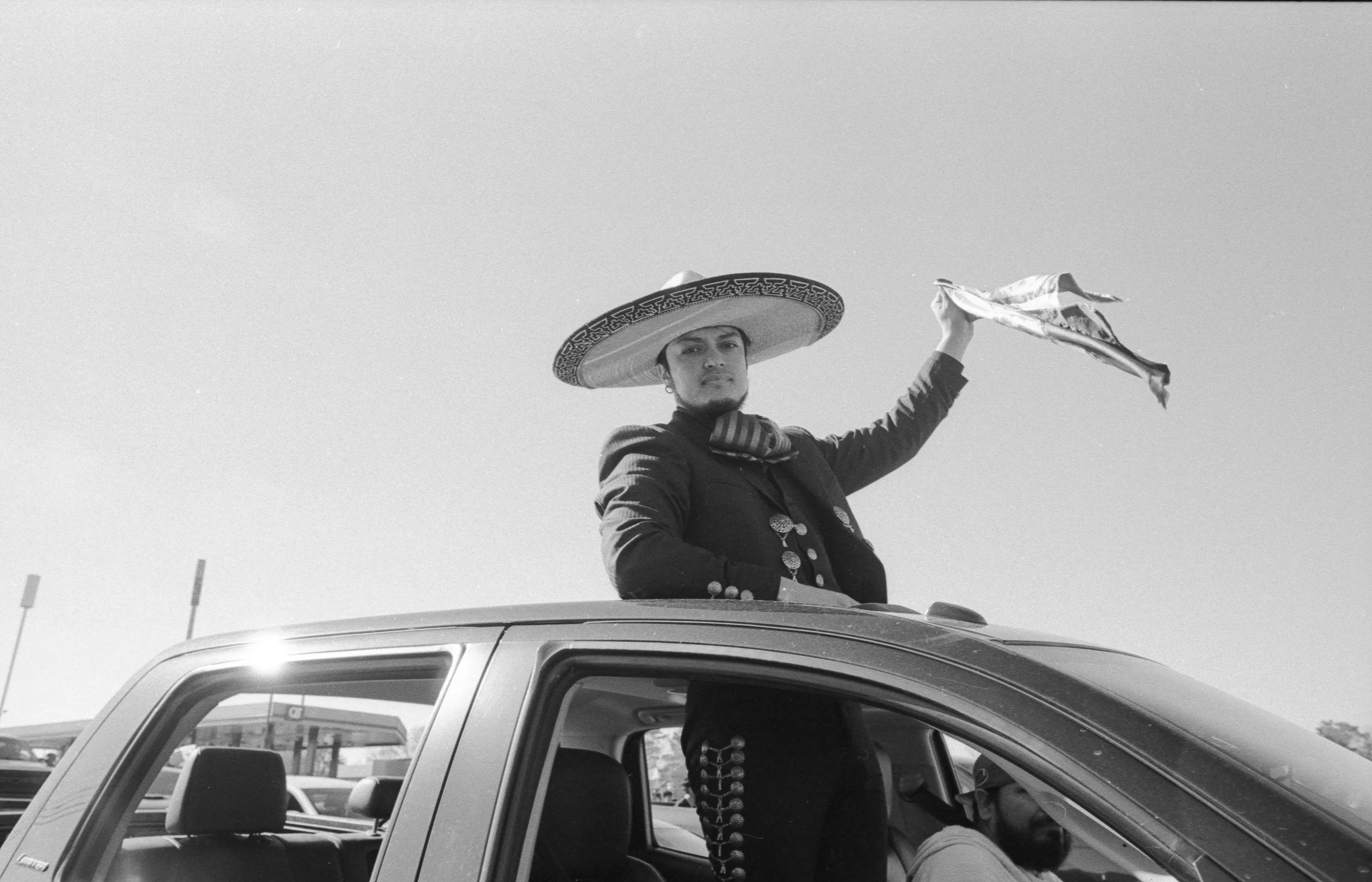
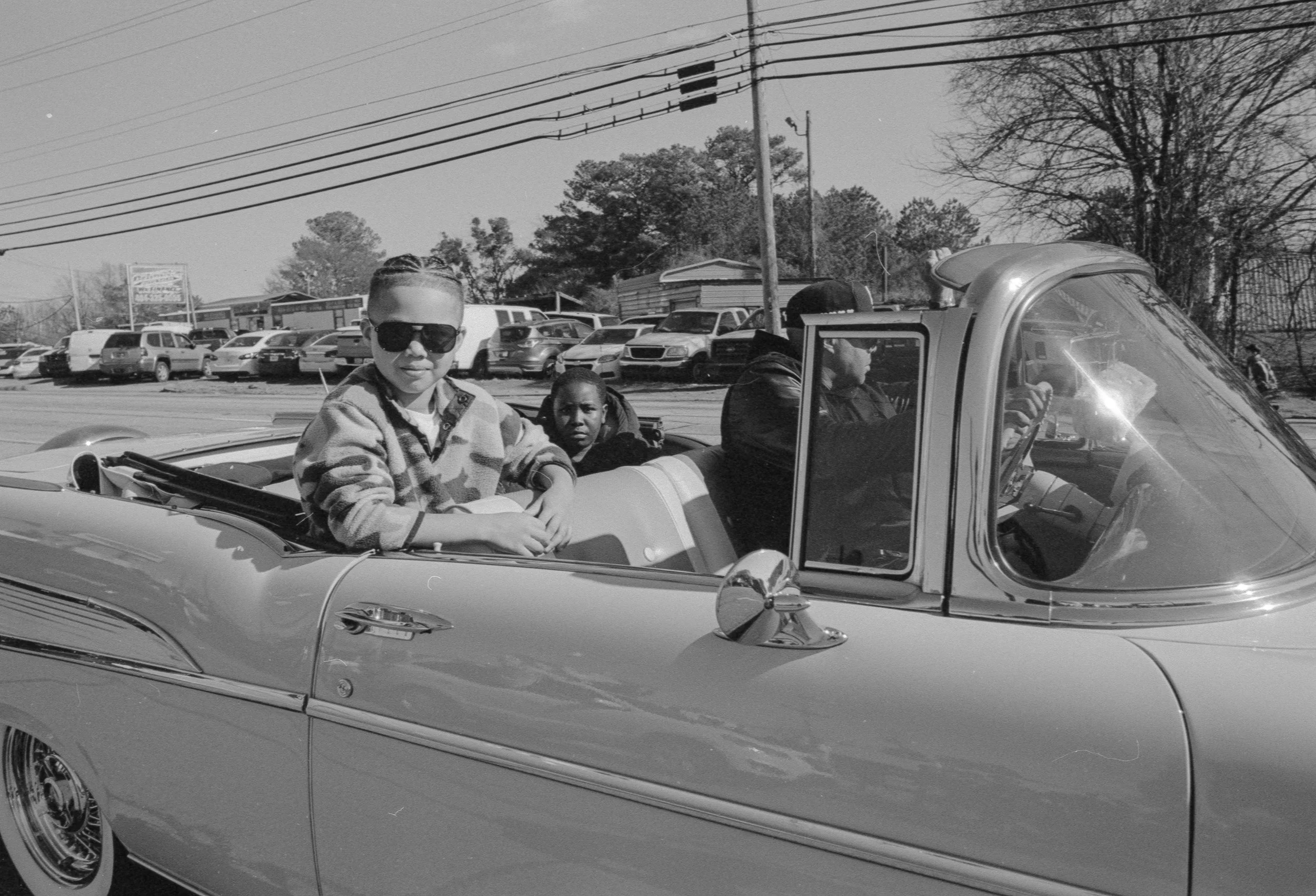
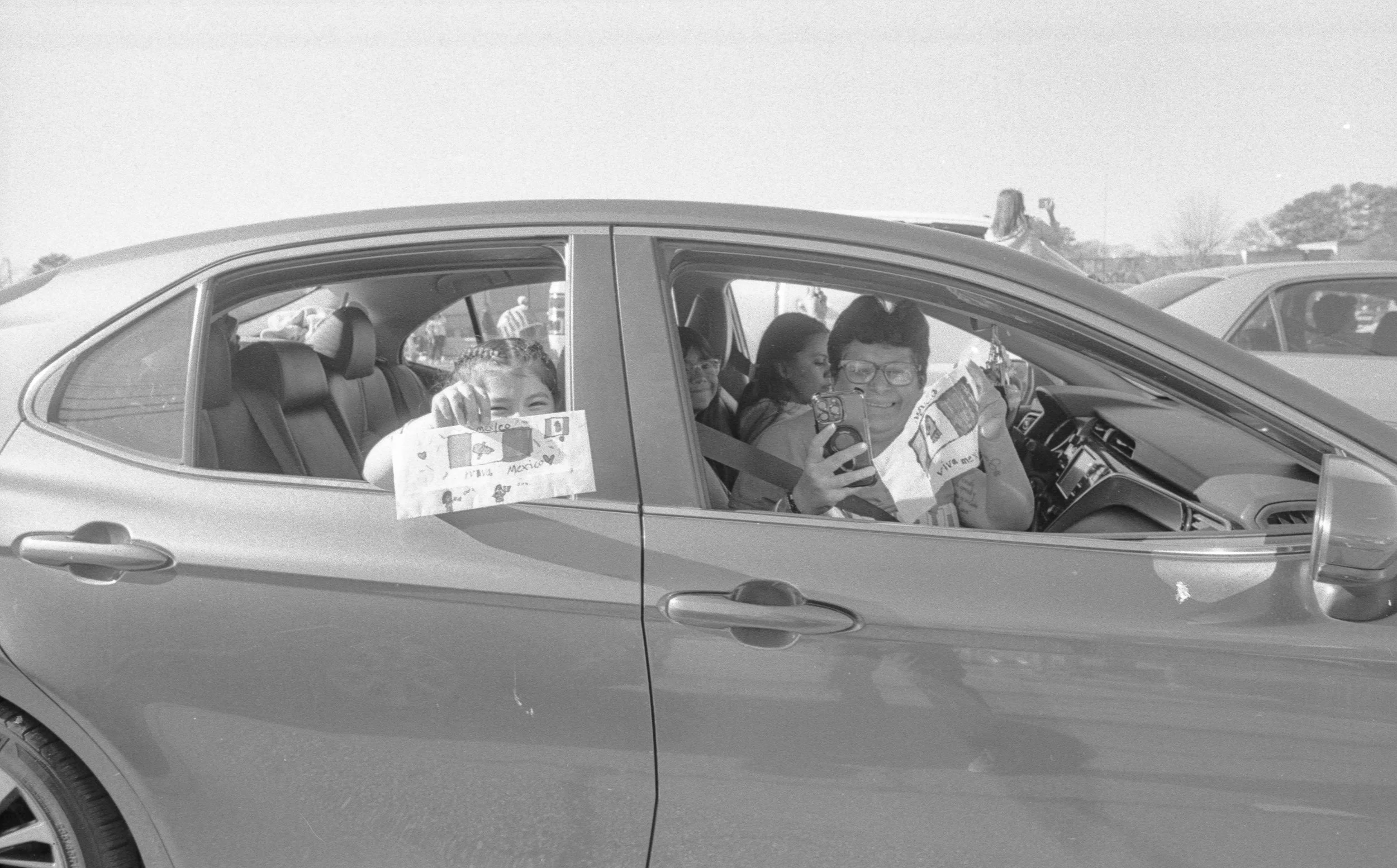
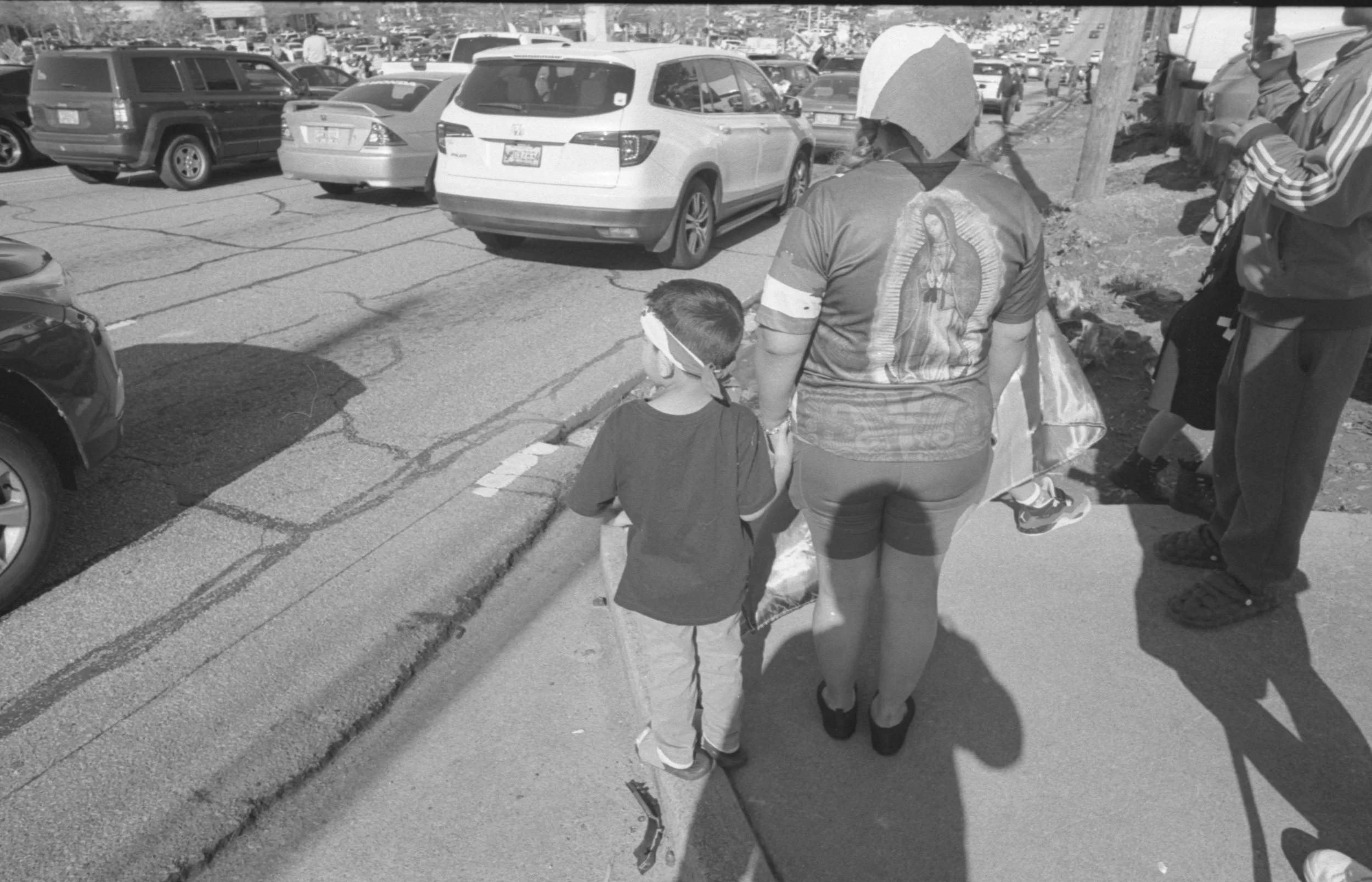
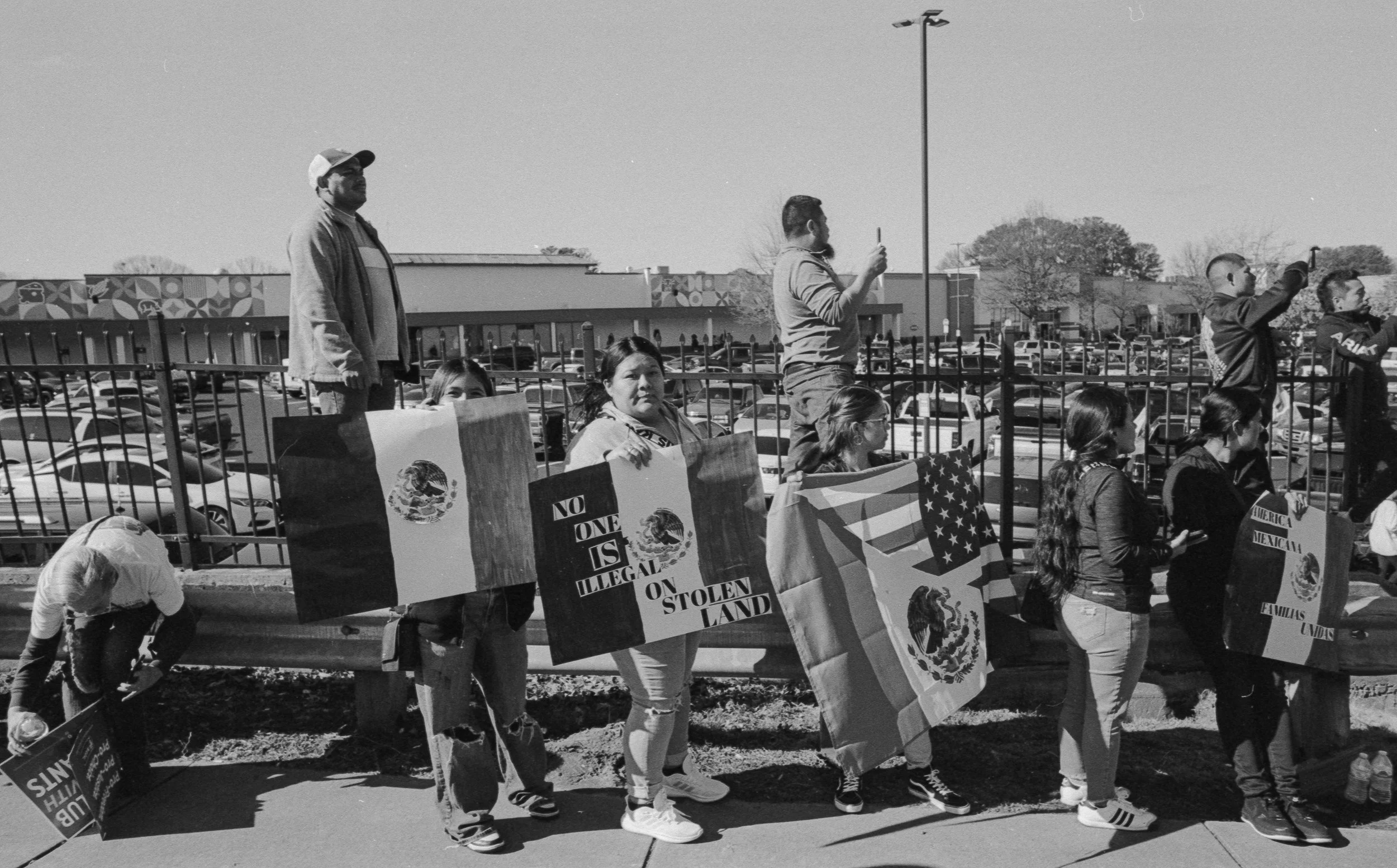
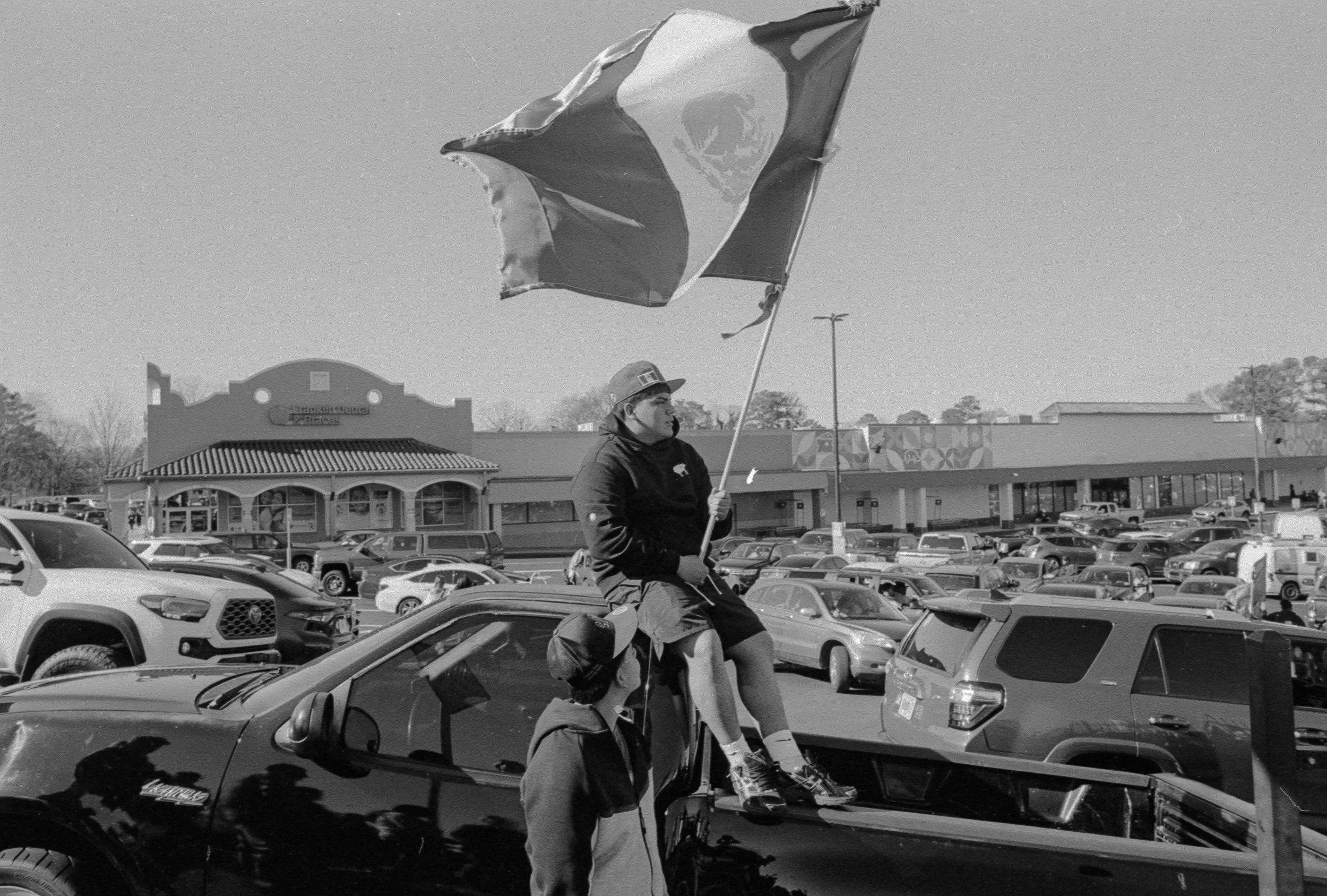
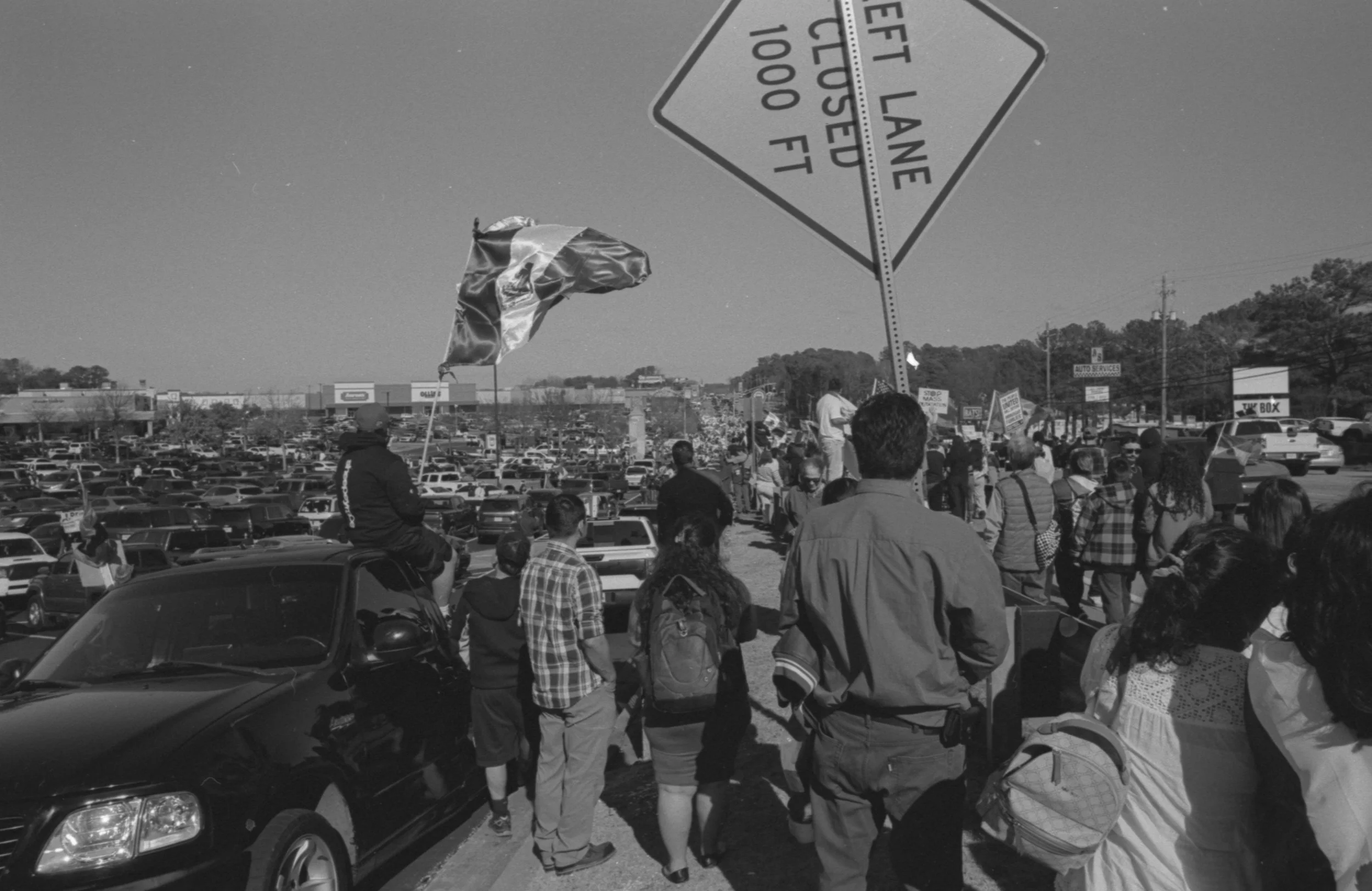
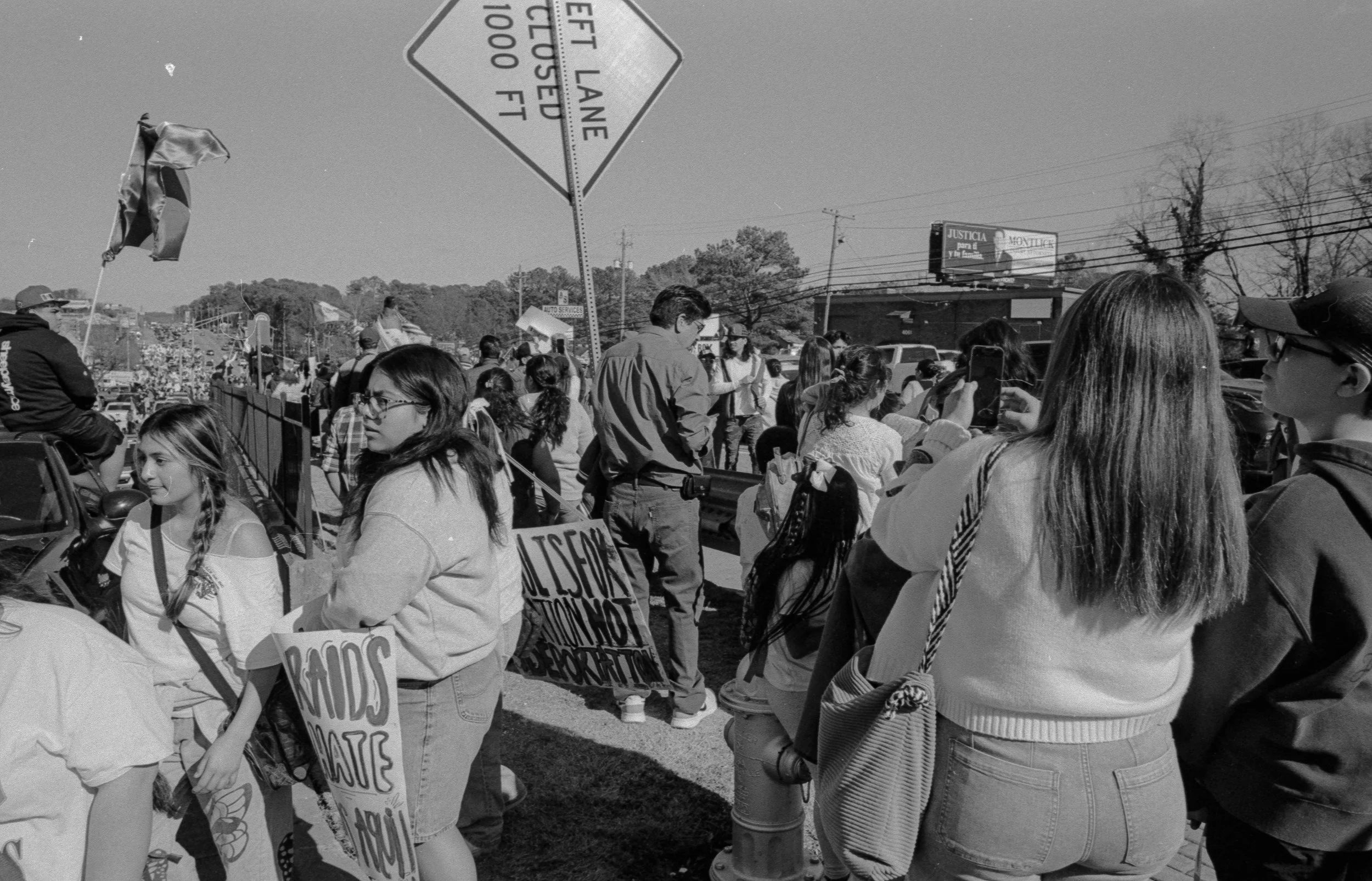
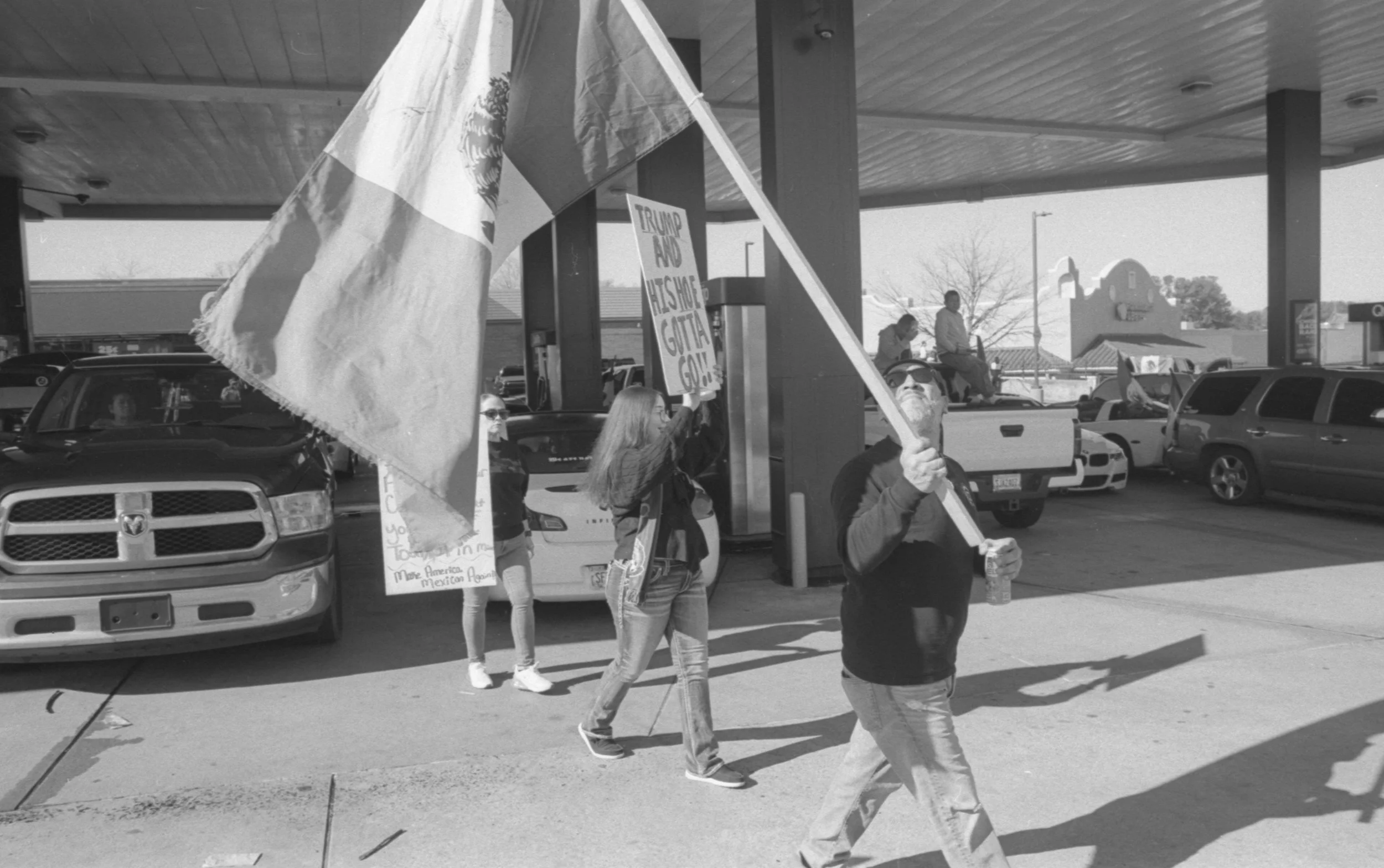
On Saturday, February 1, 2025, more than a thousand people gathered near Plaza Fiesta, their voices rising in unison against recent ICE raids that had swept through metro Atlanta. They marched, not just for themselves, but for families, for futures, for the right to simply exist without fear. And as they moved, I moved with them, witnessing, listening, framing moments in time. (WABE)
Though I was born and raised in Decatur, Buford Highway is just as much a part of me. My grandparents lived directly across the street from Plaza Fiesta, a landmark I’ve known longer than I’ve known the weight of a camera in my hands. I went to elementary school on this side of town, walked the halls of Chamblee High, split my time between these streets and the ones back home. To document this moment here, in a place woven into my own story, felt like a full-circle moment—like honoring a history I know in my bones.
As a Black man with a camera, I understand the weight of seeing. Of recording. Of making sure stories, especially the ones that might otherwise be overlooked, are told with honesty, dignity, and truth. This is a responsibility I carry with intention, knowing I follow in the footsteps of the great Black documentary photographers who came before me.
Eli Reed, whose work has always balanced raw reality with an undeniable grace.
Gordon Parks, who showed us that a camera is not just a tool, but a weapon against injustice.
R.C. Hickman, who captured the quiet resilience of Black life in the South.
Keith Calhoun and Chandra McCormick, whose images have given voice to the unseen laborers, musicians, and incarcerated souls of New Orleans.
Robert H. McNeill, who preserved the depth of Black life in Washington, D.C., during a time of rapid change.
Their images did more than document history. They demanded that history be felt. I think about that every time I lift my camera, how each frame holds not just what I see, but what I feel, what I understand, what I refuse to let slip away.
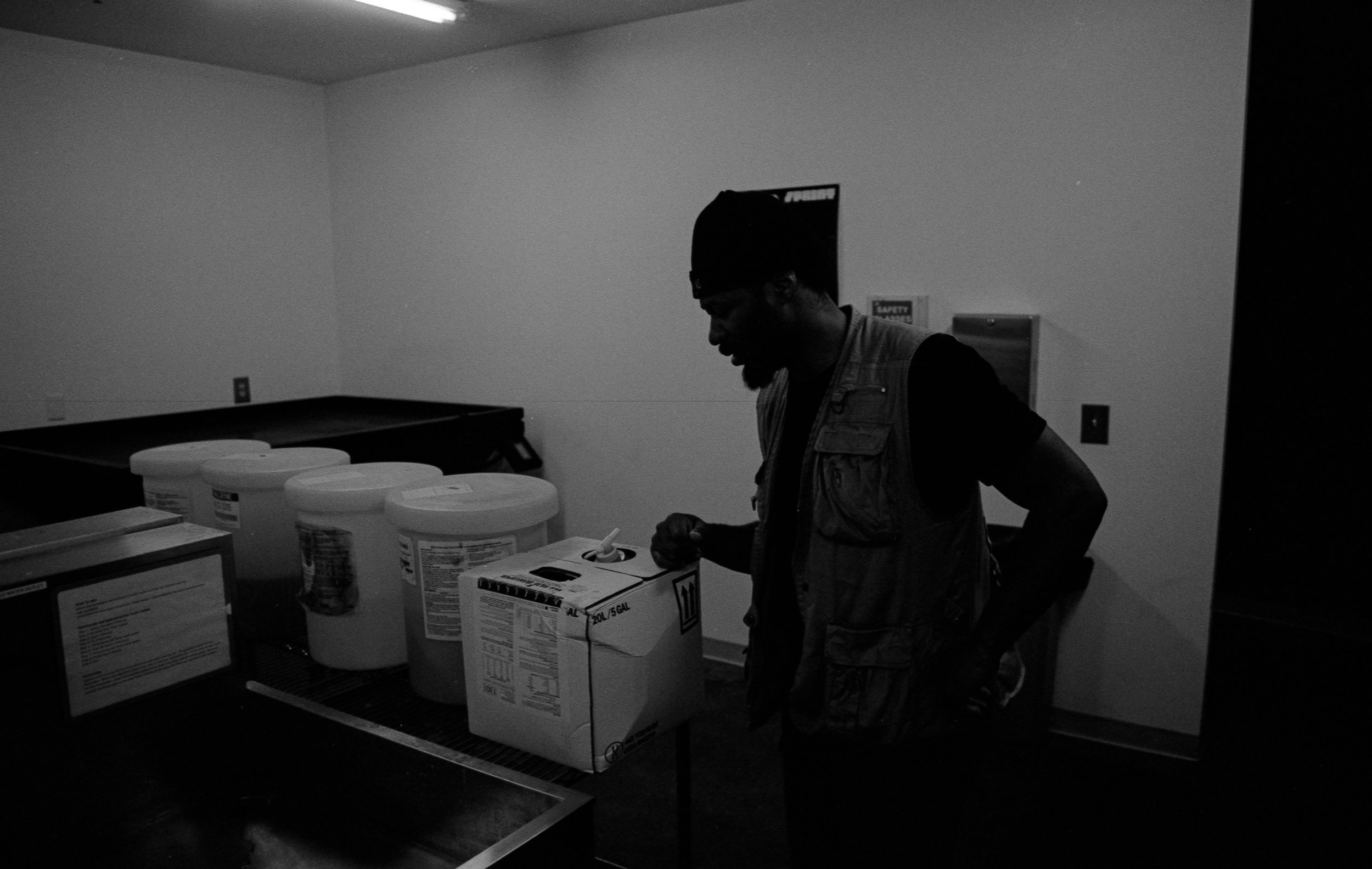
When I left the darkroom earlier that day, my hands still smelled of fixer and developer, the last remnants of another body of work coming to life. But this, here on Buford Highway, was a new moment waiting to be held. And so I raised my camera once again.
For those interested in the process, the craft, and the journey of being a documentary photographer, I invite you to read my recent post, "Emerging from the Darkroom: A Photographer’s Journey".
Because in the end, it all comes back to the same thing, the act of seeing, of remembering, of refusing to let stories fade. And this? This was a story that deserved to be told.
014: First Time in the Darkroom, Learning the Process and Falling in Love with Prints
First Time in the Darkroom, Learning the Process and Falling in Love with Prints
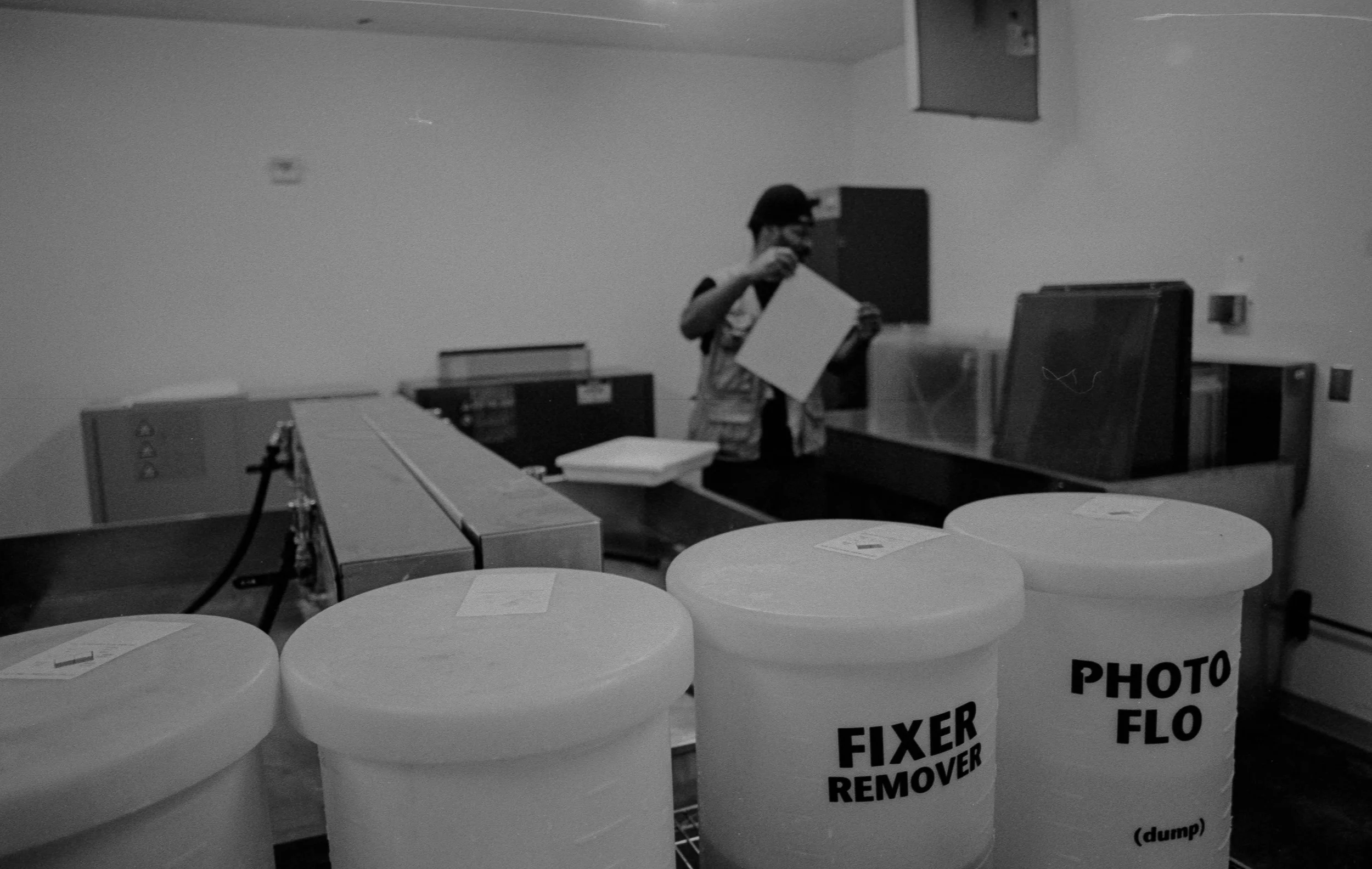
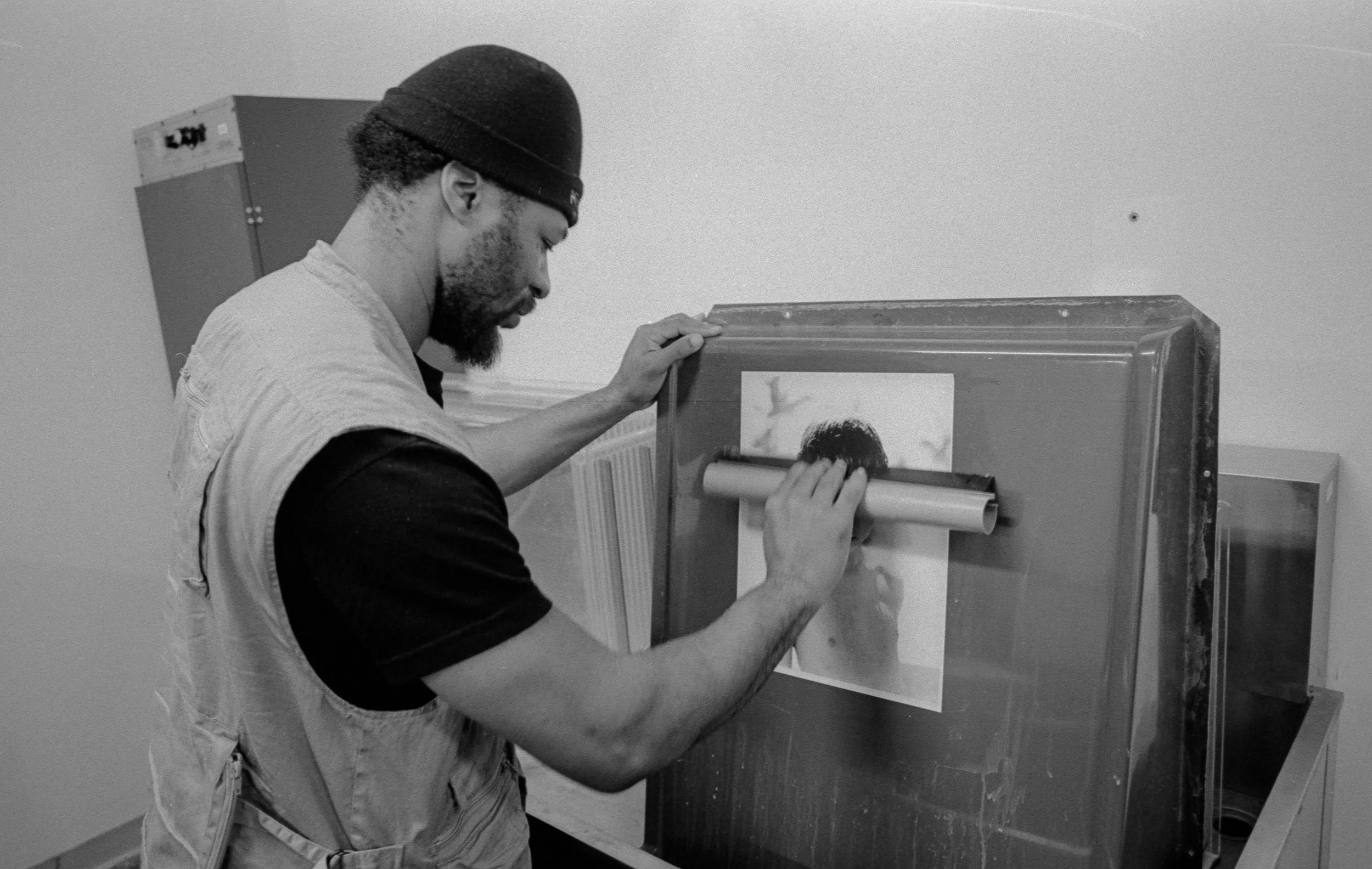
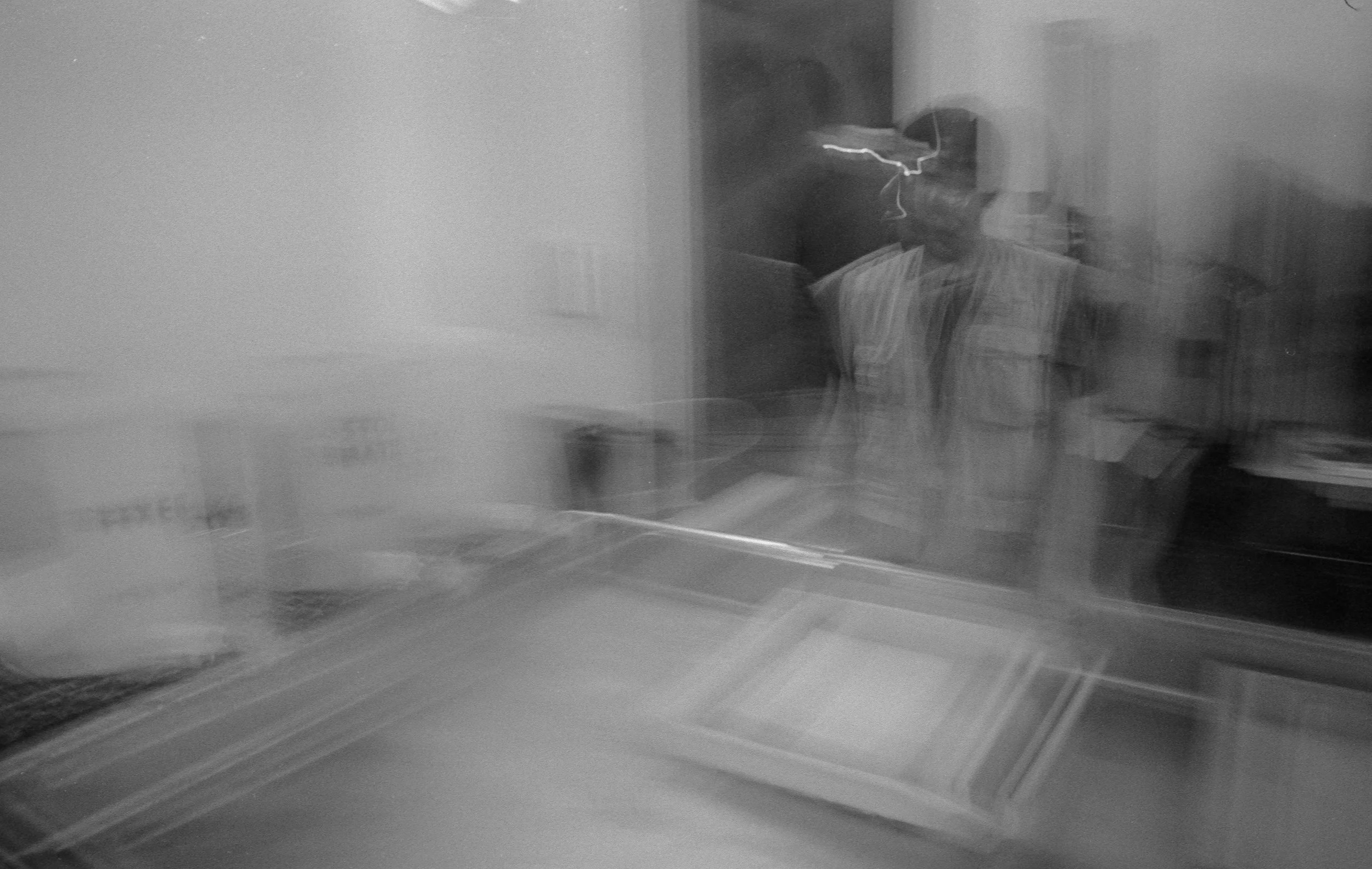
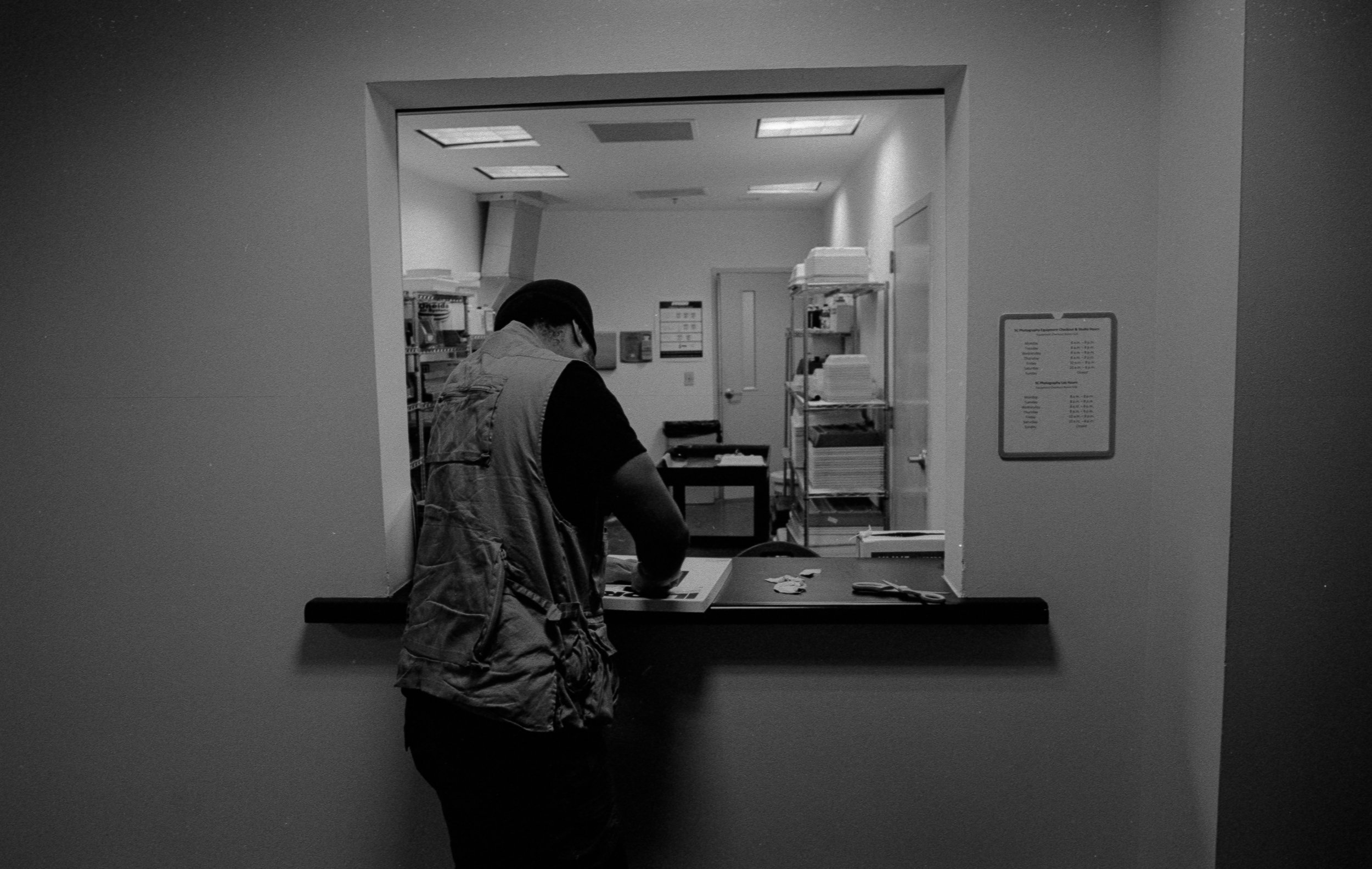
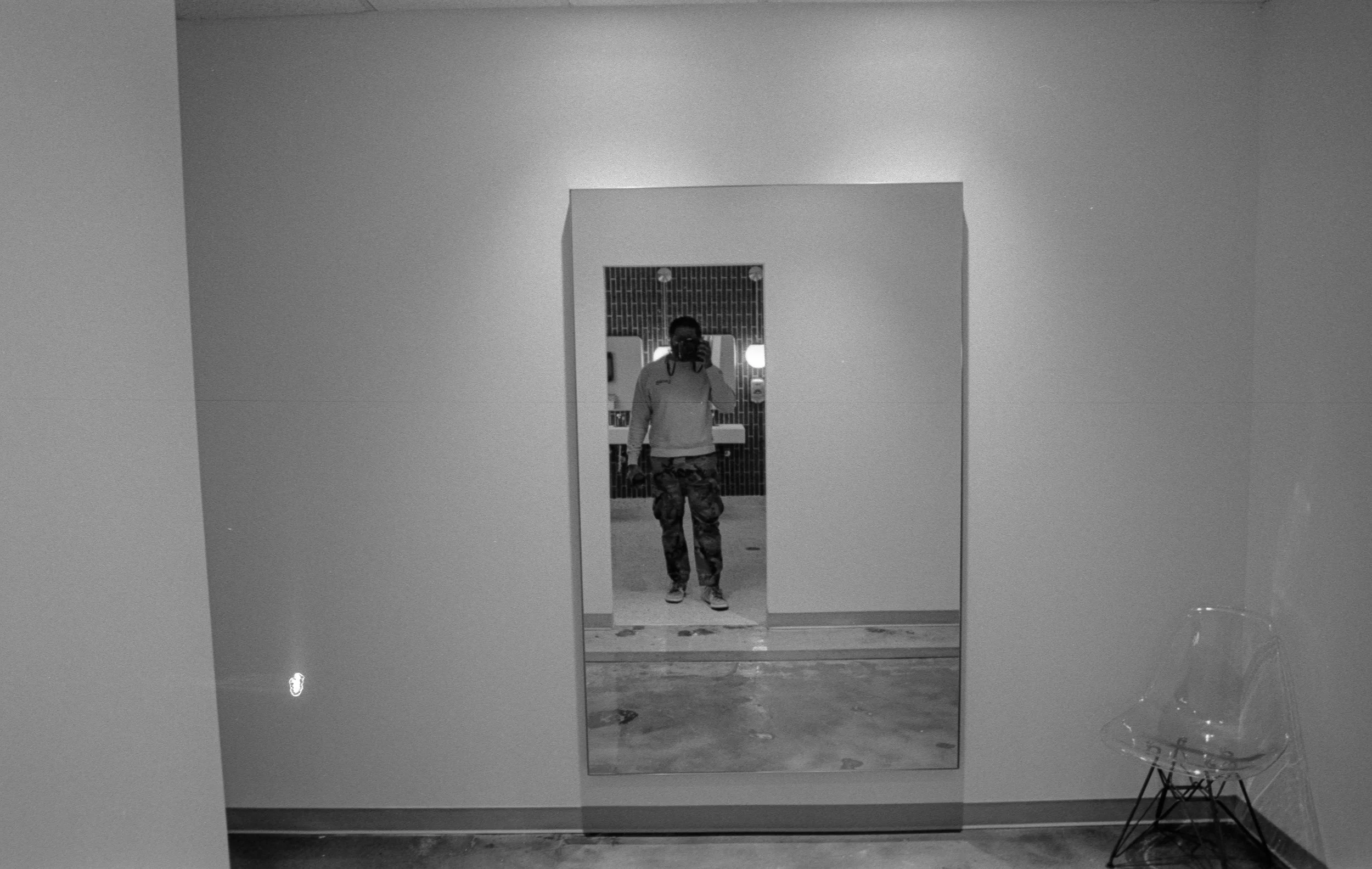
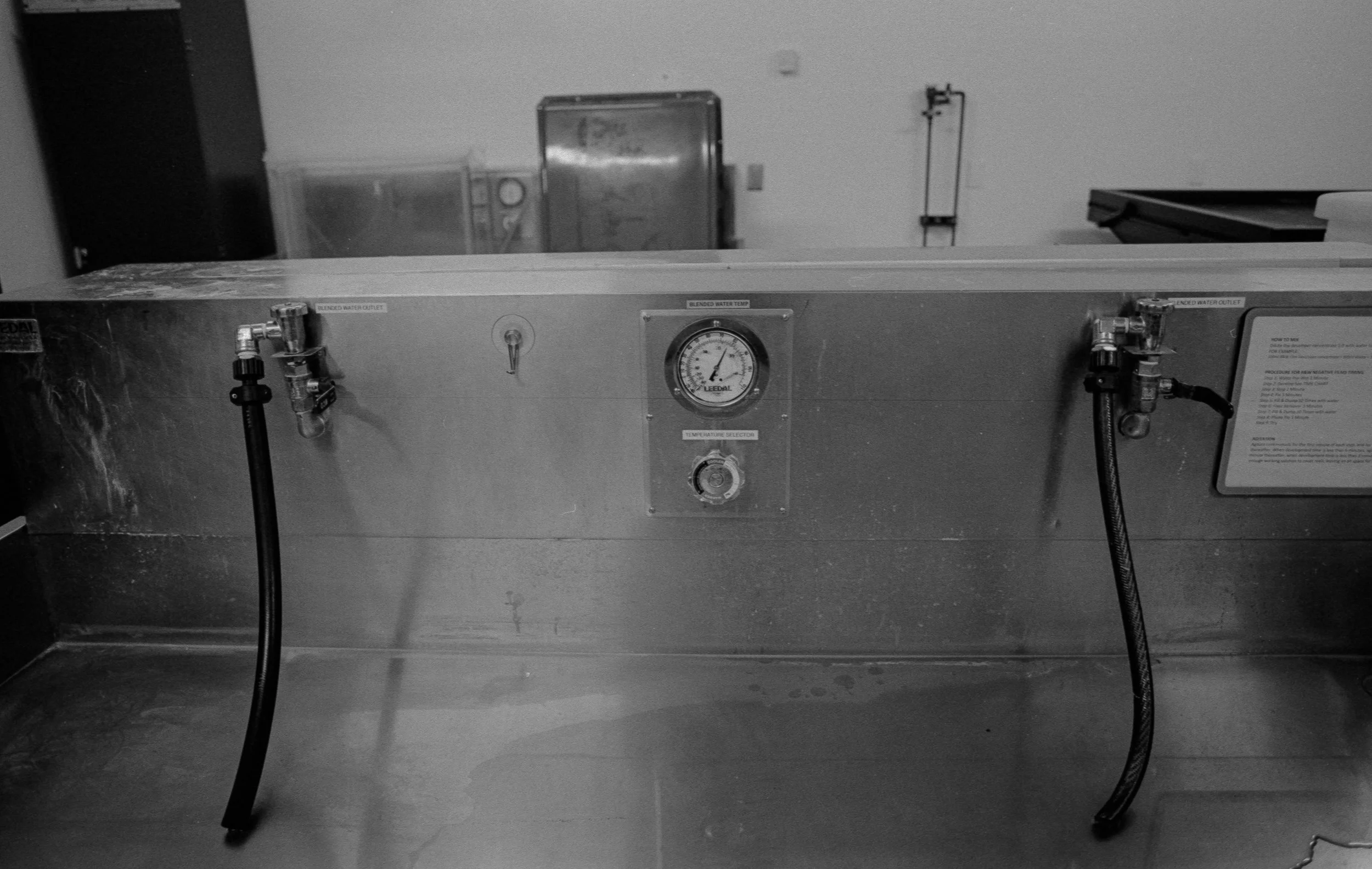
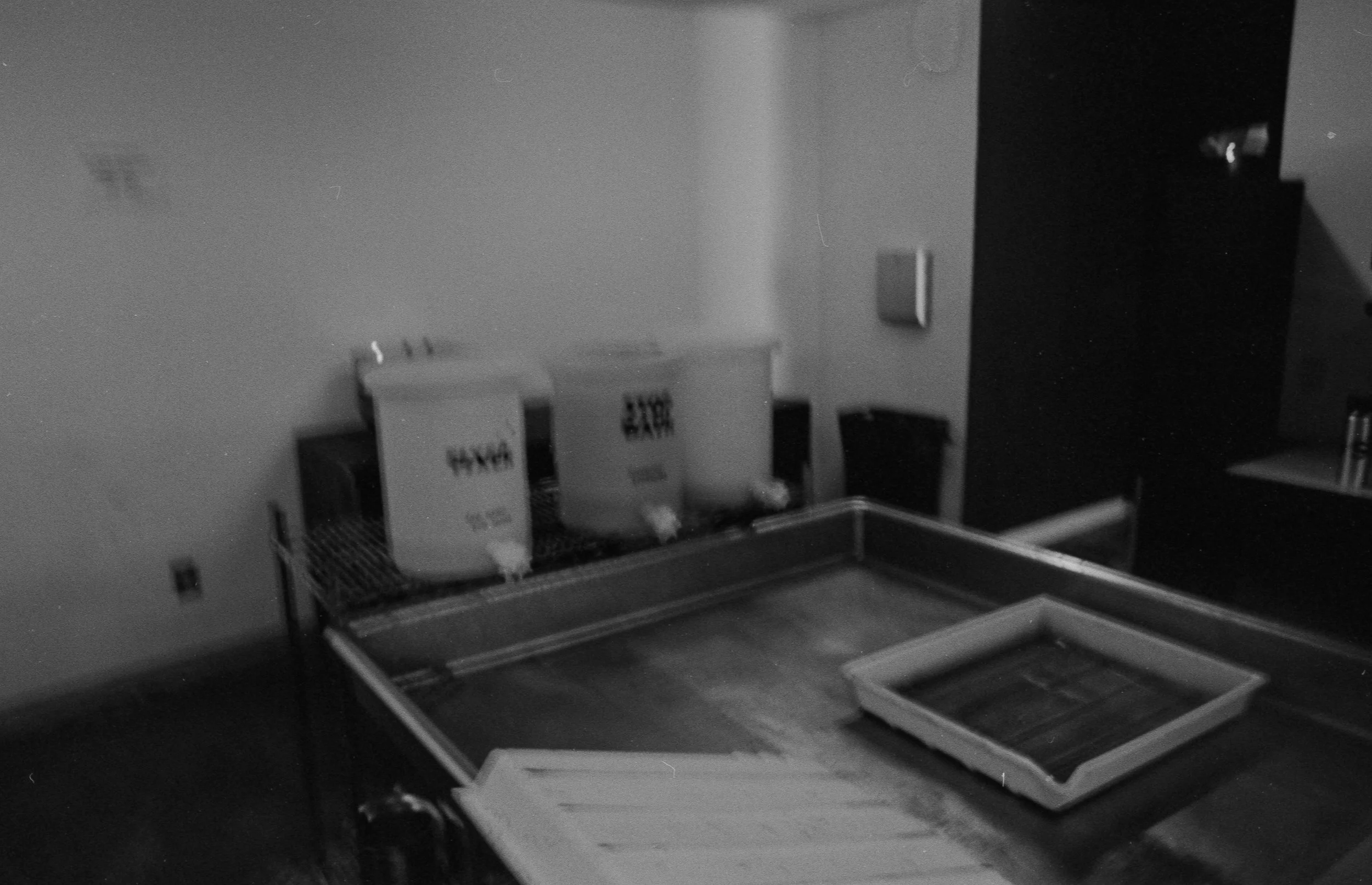
Today was different. I stepped into the darkroom for the first time, and everything changed. I have been photographing on film for years, developing at home, scanning my negatives, but actually printing That was new territory. And honestly, I get it now. The darkroom is where the real magic happens.
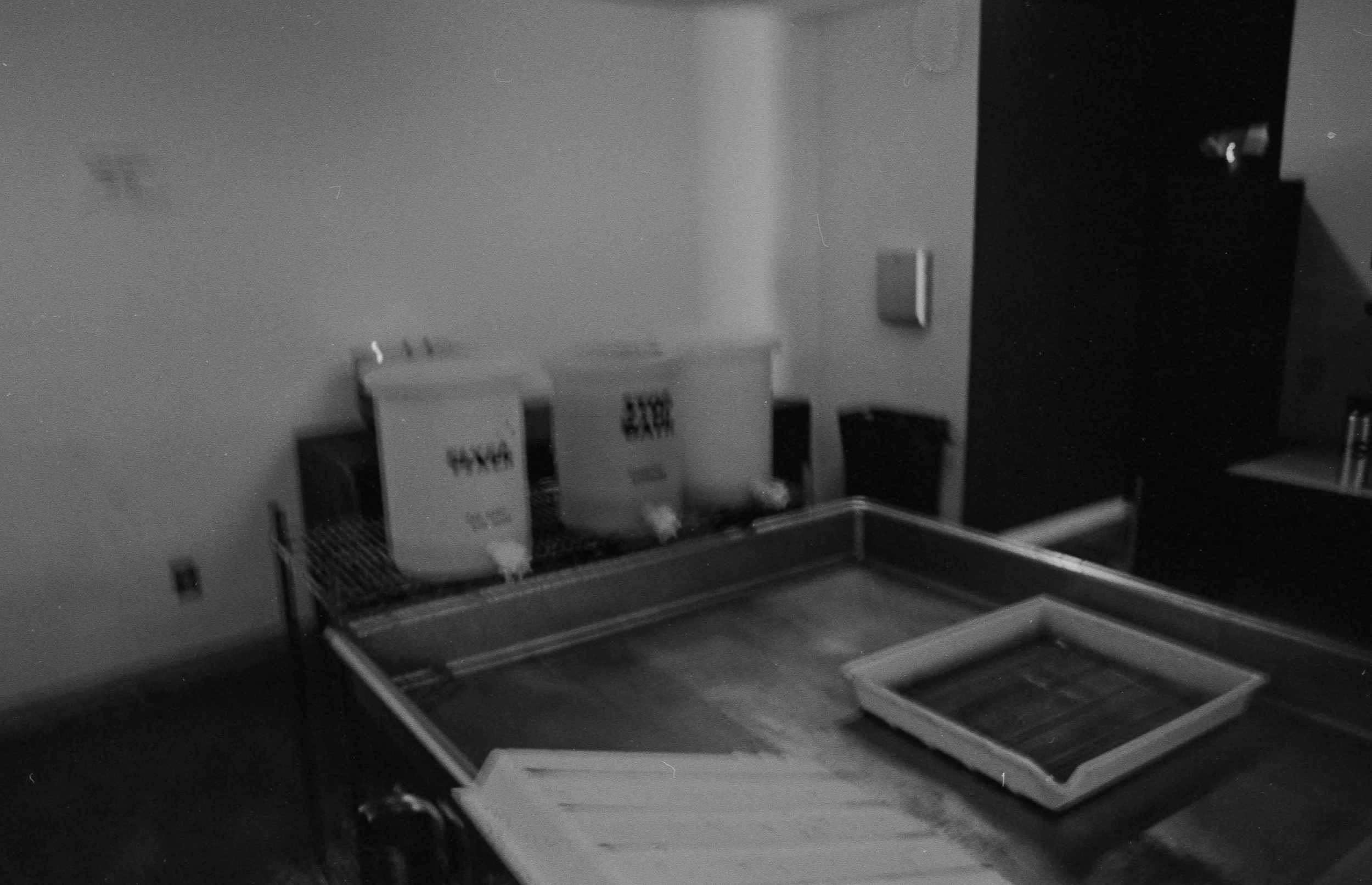
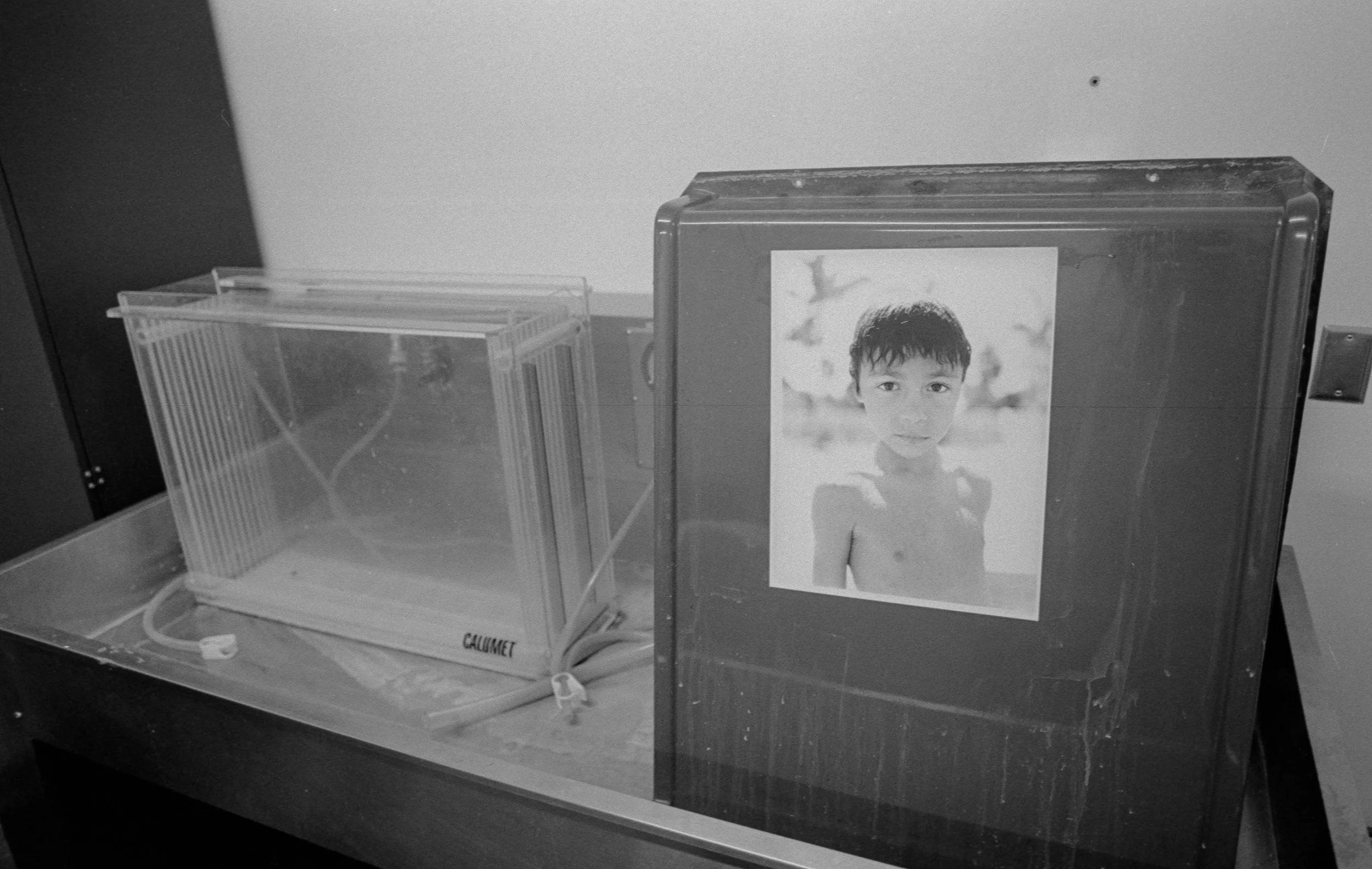
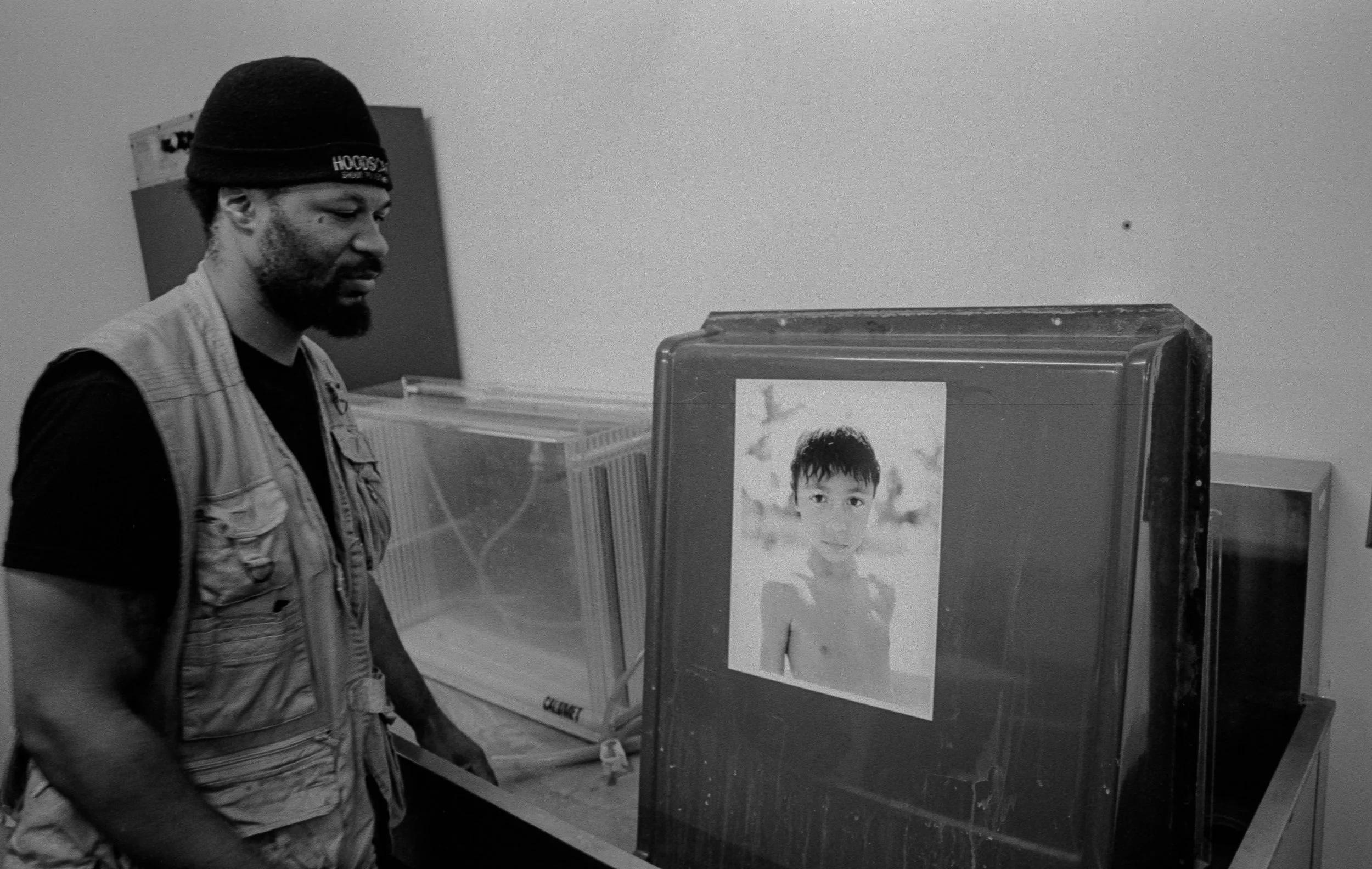
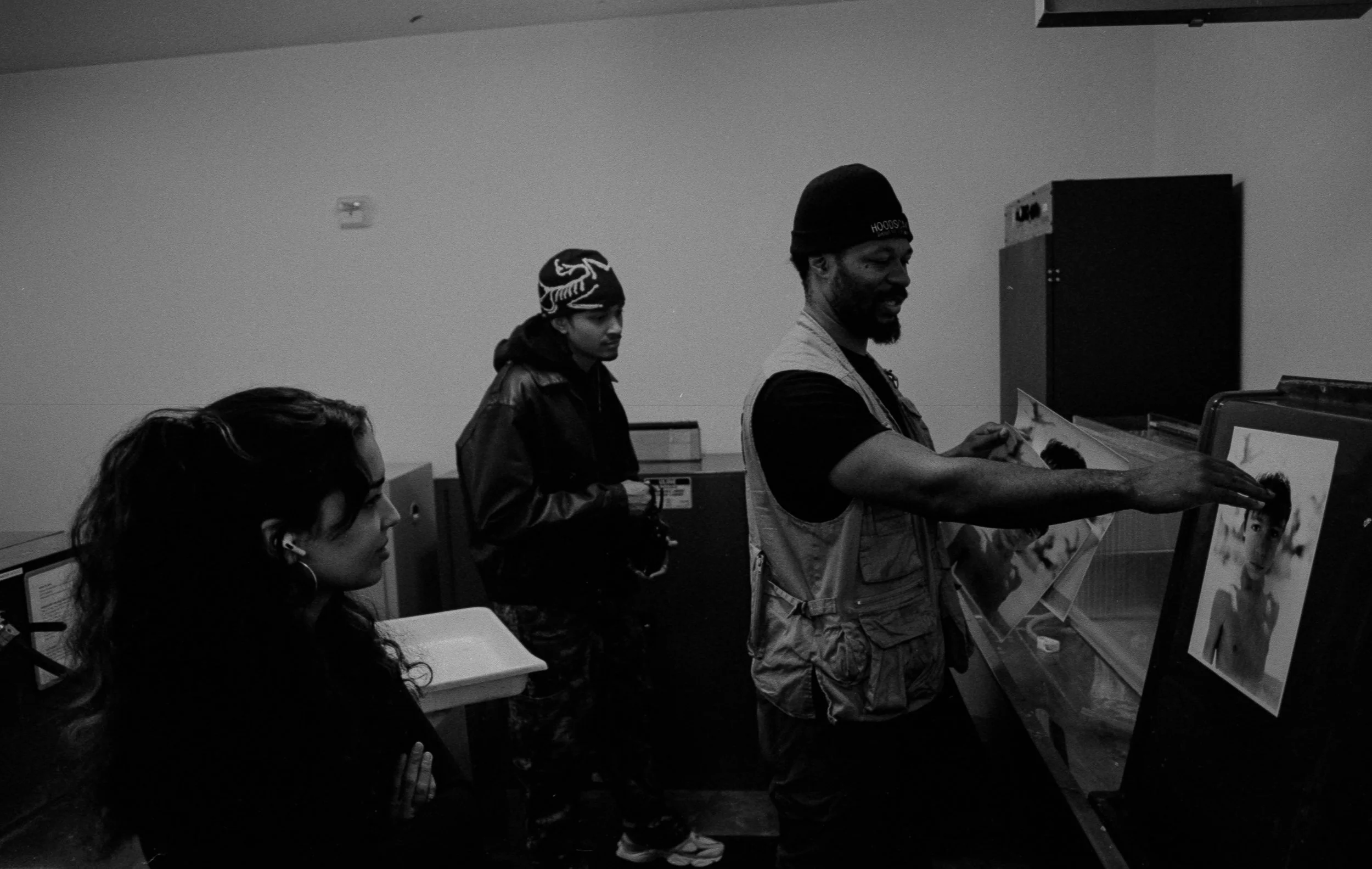
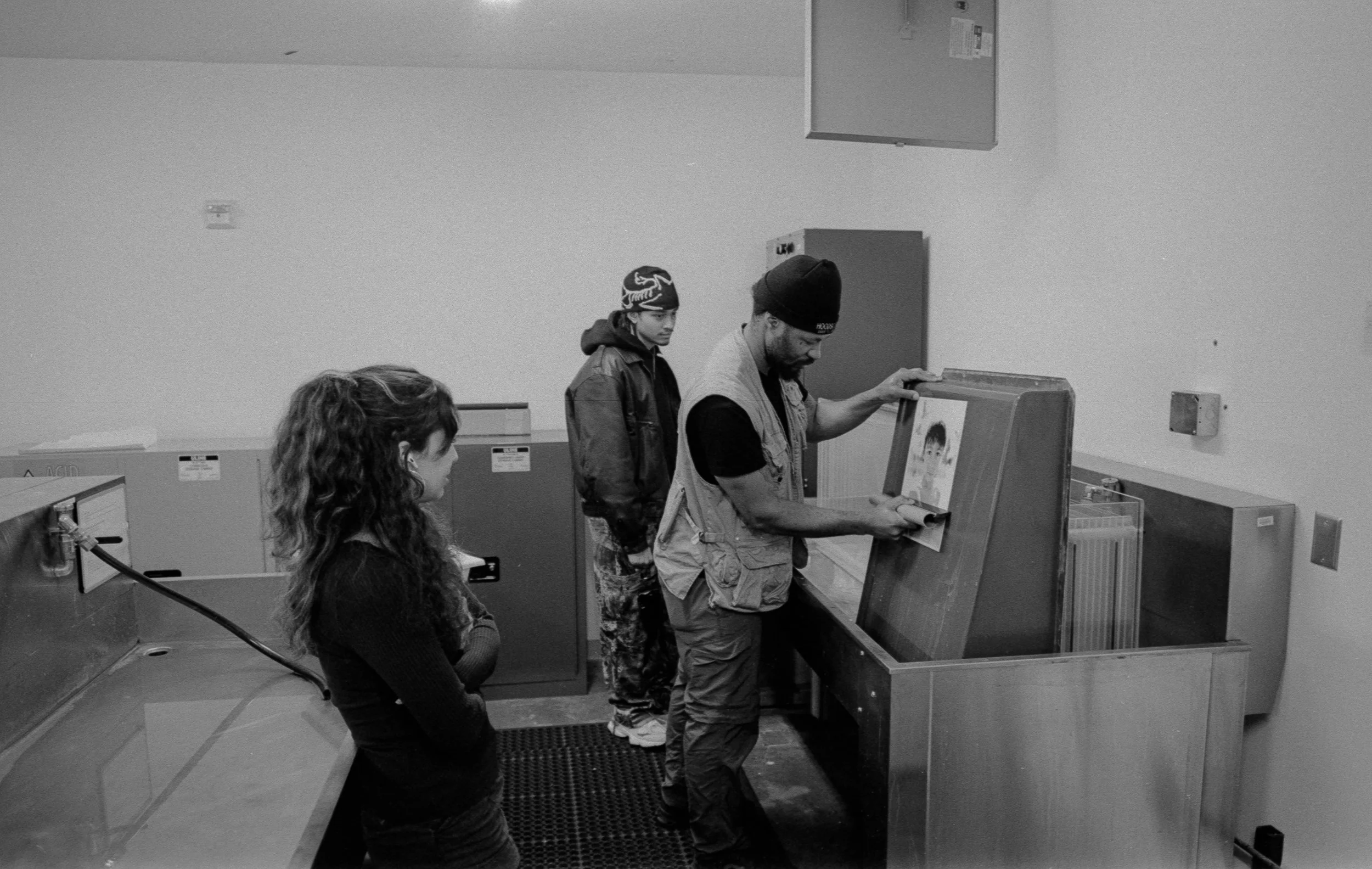
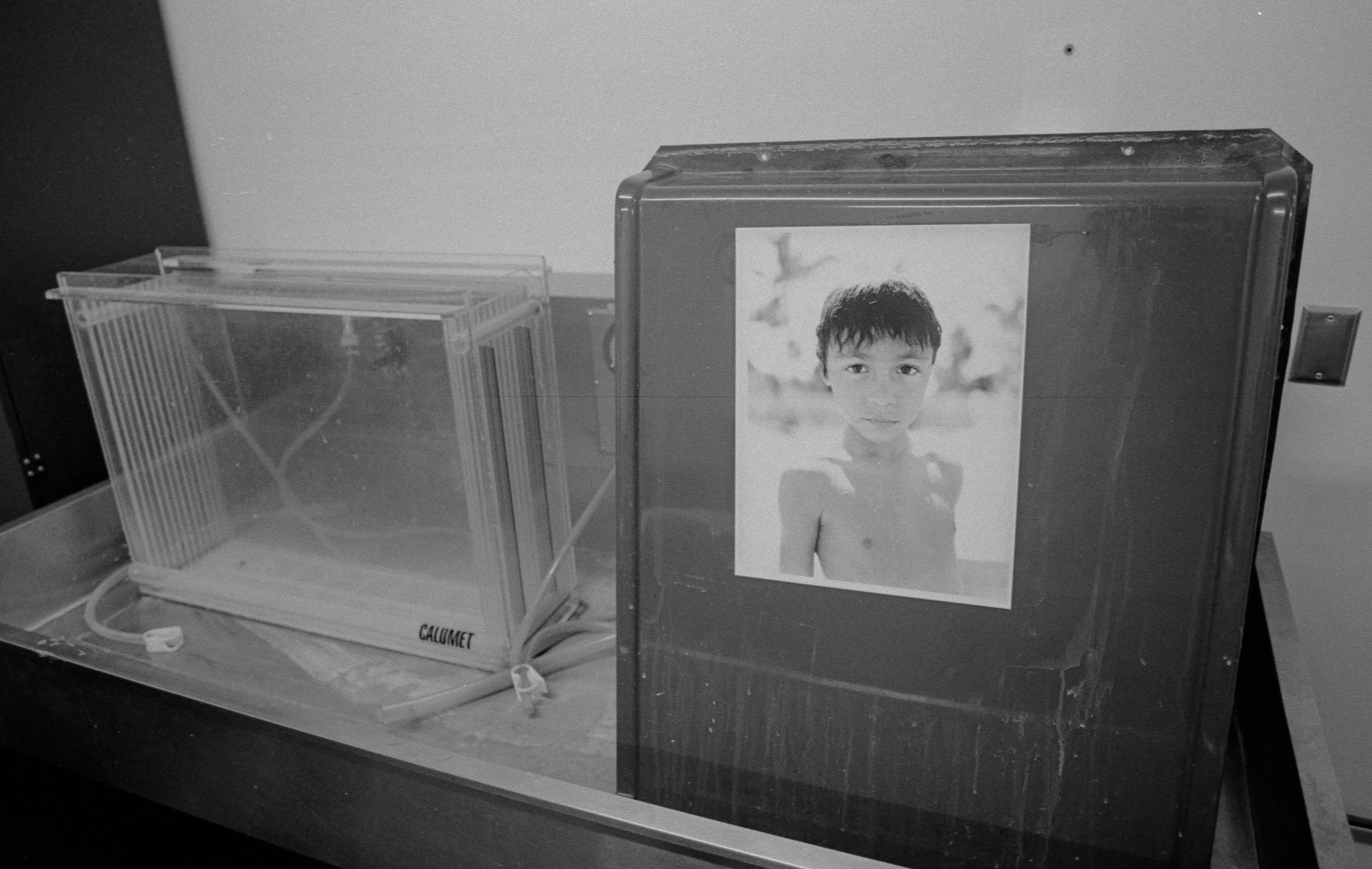
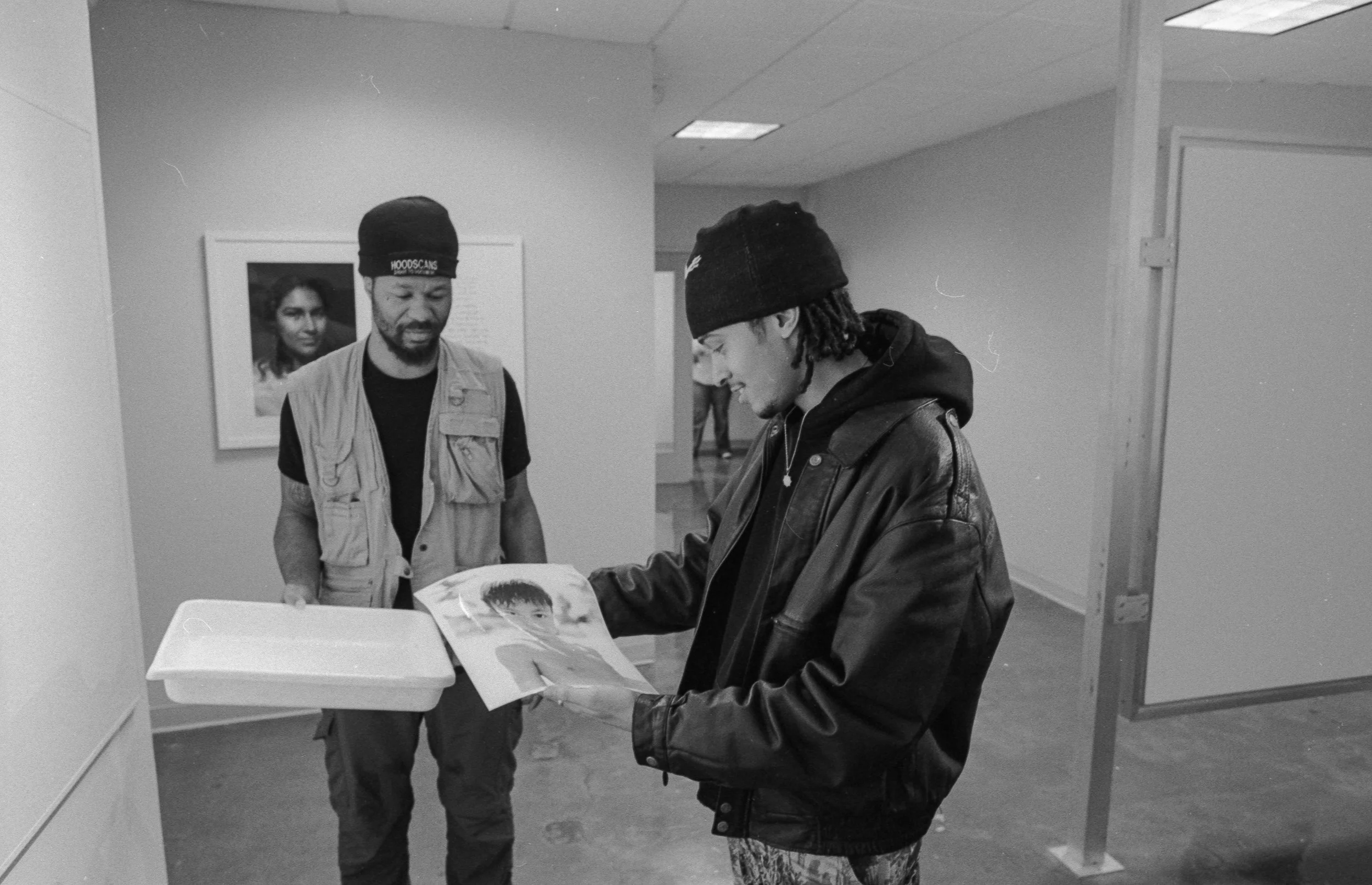
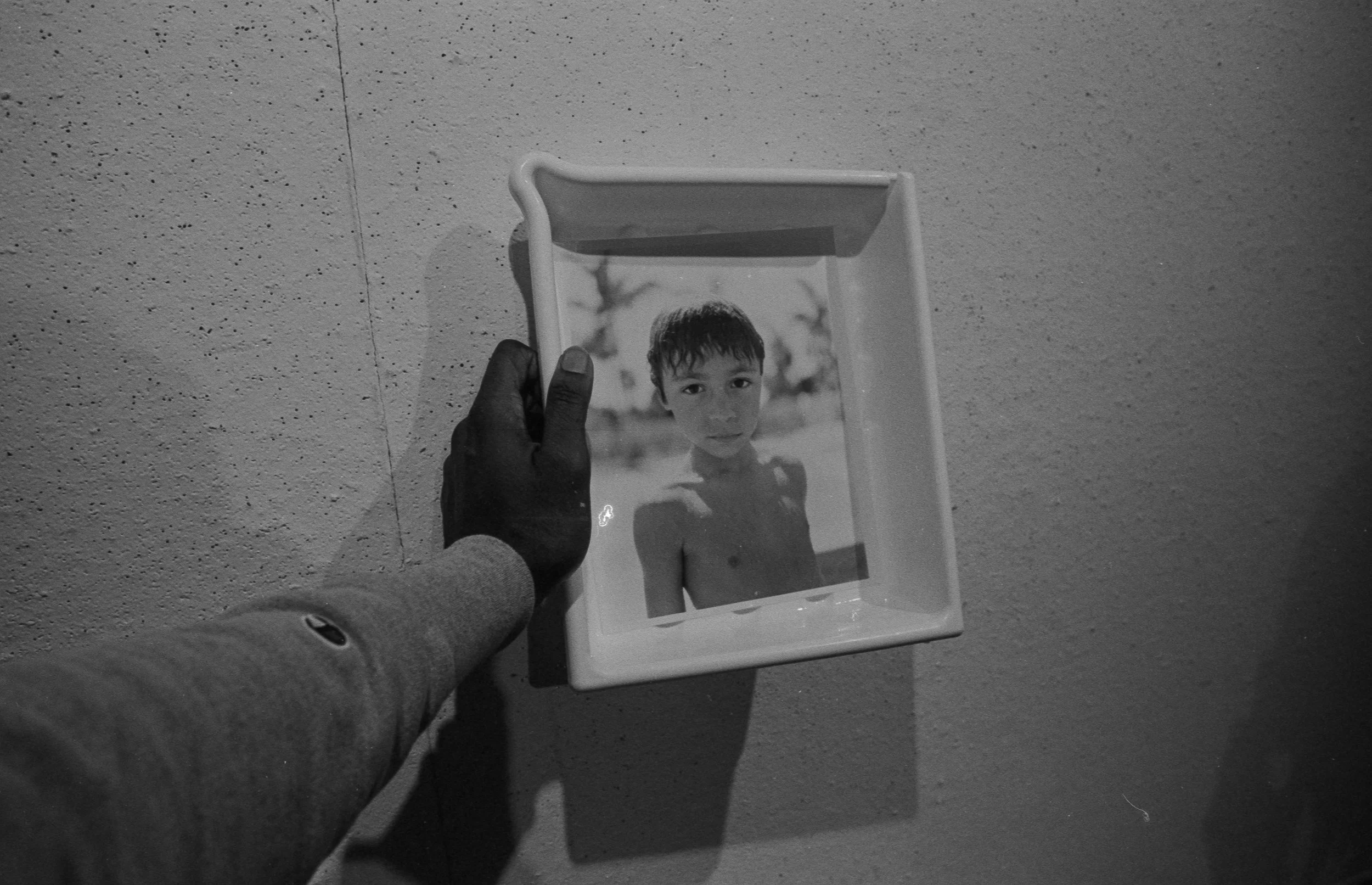
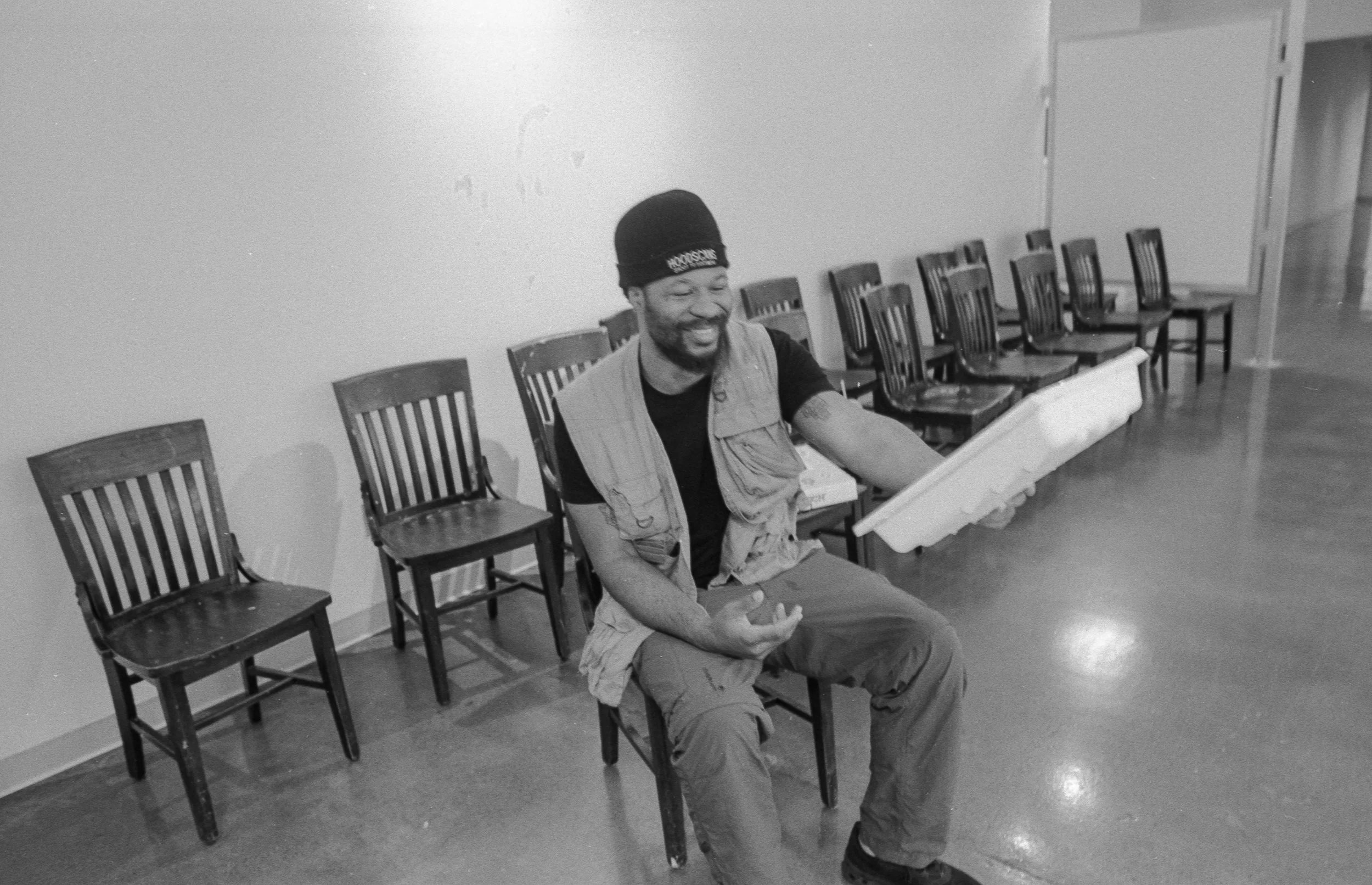
I had the opportunity to learn from Quon, who walked us through the process of making contact sheets and printing multiple versions of a photograph of his son. Watching him work, I saw just how much intentionality goes into every step, how the smallest adjustments can shift an image from good to perfect. It is a process, one that requires patience and precision, and I was locked in.
Test Prints, Timing and Ilford Paper
Quon started by showing us how to develop using test prints, small sections of the print that help you figure out the right exposure time before committing to a full print. It is a game of trial and error, but a necessary one. I watched as he dialed in the exposure, tweaking the time until the contrast and tones sat just right. Once that was locked in, he moved to Ilford paper, and immediately, the difference in quality was clear. The weight, the depth, the richness, it is something you do not fully grasp until you see it in person.
I have always appreciated a good film scan, but a darkroom print That is something else. It is tangible in a way that digital just is not. It carries weight, literally and figuratively.
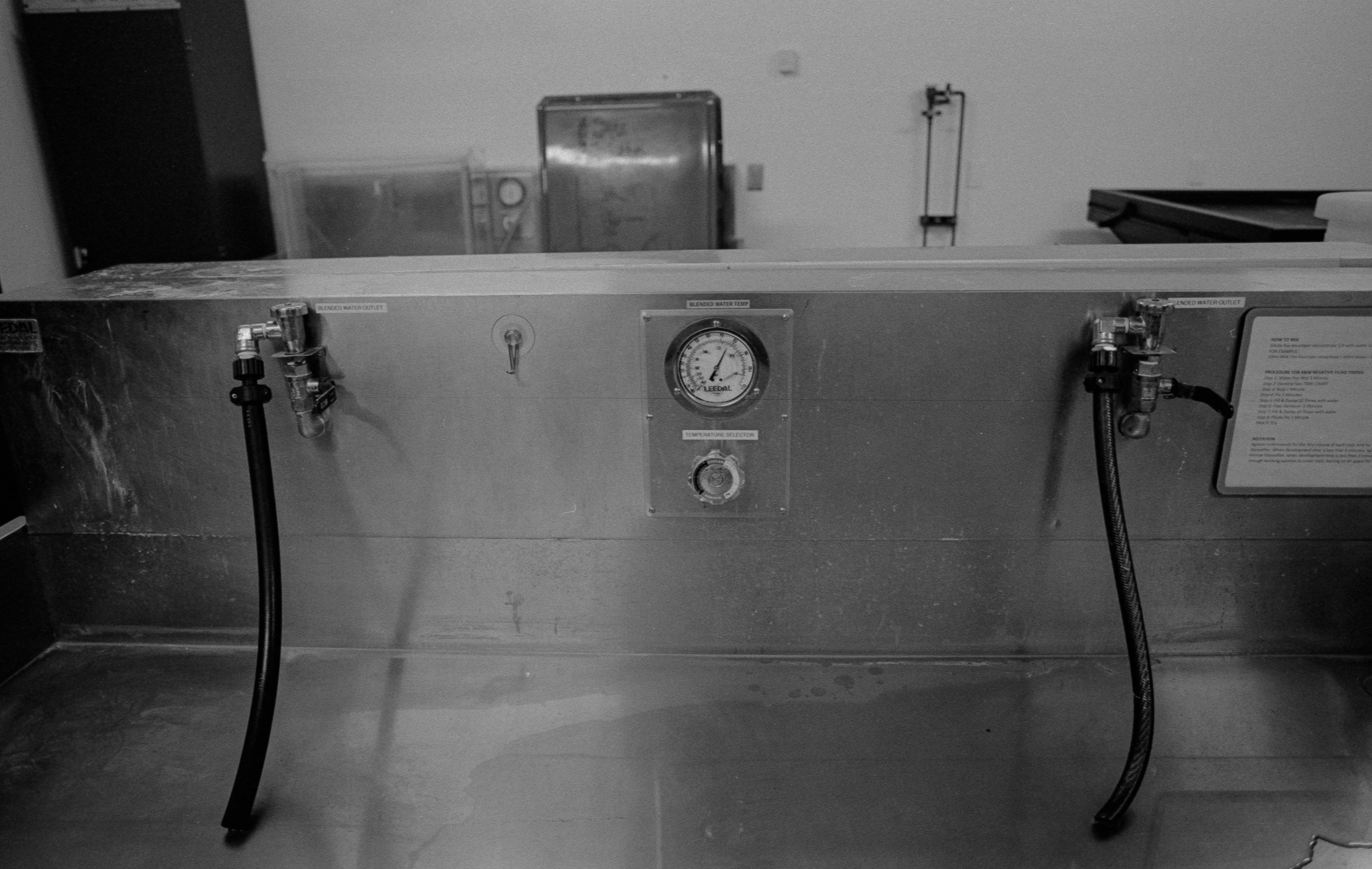
Slowly Building My Darkroom
If today taught me anything, it is that I need to start building my own darkroom. Not in a rushed, throw it together kind of way, but the right way. Piece by piece, making sure everything is set up to produce the best prints possible. There is something about this process that feels like the natural next step in my photography journey. I have spent so much time perfecting my craft with the camera, but now it is time to take ownership of the final product, to print my own work, to see it through from start to finish.
I know it will not happen overnight. Darkroom printing takes patience, investment, and a lot of learning. But today gave me the push to get started.
Why Darkroom Printing Matters
In a world where images live on screens, holding a real print in your hands is different. It is archival, it is intentional, it lasts. Darkroom prints bring out textures, shadows, and depth in a way that digital just cannot replicate. Seeing Quon’s prints develop in the tray, watching the image come to life in real time, it hit different.
This is the next chapter. My photography is about storytelling, and I want to be in full control of that narrative, from the streets of Atlanta to the final print. So yeah, I am diving in.
I am excited to see where this goes. The process of printing feels like a whole new level of expression, and I am ready to take my time and do it right.

Check back Sunday @ 10am..
With Love,
Stan