
005: Havana, Cuba: A Journey in Black and White


Havana, Cuba: A Journey in Black and White
Photographed on: Leica M5, Kodak Tri-X 400, 35mm Film
Stepping into Havana felt like stepping into a beautifully preserved time capsule. In 2023, I had the opportunity to document life in this vibrant city, where every street corner seemed to tell its own story. Armed with my Leica M5 and Kodak Tri-X 400, I set out to capture the soul of Havana in shades of black and white.
From the peeling pastel walls of Old Havana to the vintage cars cruising the Malecón, Havana thrives on contrasts. The textures were what drew me in—cracked pavement, sun-faded facades, and faces marked by the weight of history and resilience. Shooting on Kodak Tri-X 400 was intentional; its grain and depth allowed me to emphasize the timelessness of these scenes without the distractions of color.
Havana’s energy is its people. I spent hours wandering through neighborhoods like Centro Habana and Vedado, stopping to document quiet moments—a man lighting his cigar, children chasing each other barefoot, an elderly woman watching the world go by from her balcony. These moments weren’t staged; they were lived. The Leica M5, with its quiet precision, helped me document without intrusion.
Shooting on film slows you down. In Havana, this pace was a gift. I didn’t just document what I saw; I engaged with it. I took time to frame each image, anticipate movement, and consider light. Kodak Tri-X, with its ability to handle the harsh Cuban sun, gave me the latitude to work intuitively, knowing the results would speak for themselves.
As I developed these rolls back in Atlanta, the images took me right back to the streets of Havana—the warmth of its people, the rhythm of its daily life, and the layers of history embedded in its architecture. Each frame feels like a love letter to the city, a way of saying, “I saw you. I felt you.”
Havana wasn’t just a place I visited—it’s a place that left its mark on me. Through the lens of my Leica and the grain of Kodak Tri-X, I tried to honor that. For me, this trip wasn’t just about making images; it was about connecting with a culture, a history, and a people that will forever inspire me.
Check out the entire gallery HERE.
With Love,
Stan

004: My Ritual of Film Developing
“The Developing Process Step-by-Step”
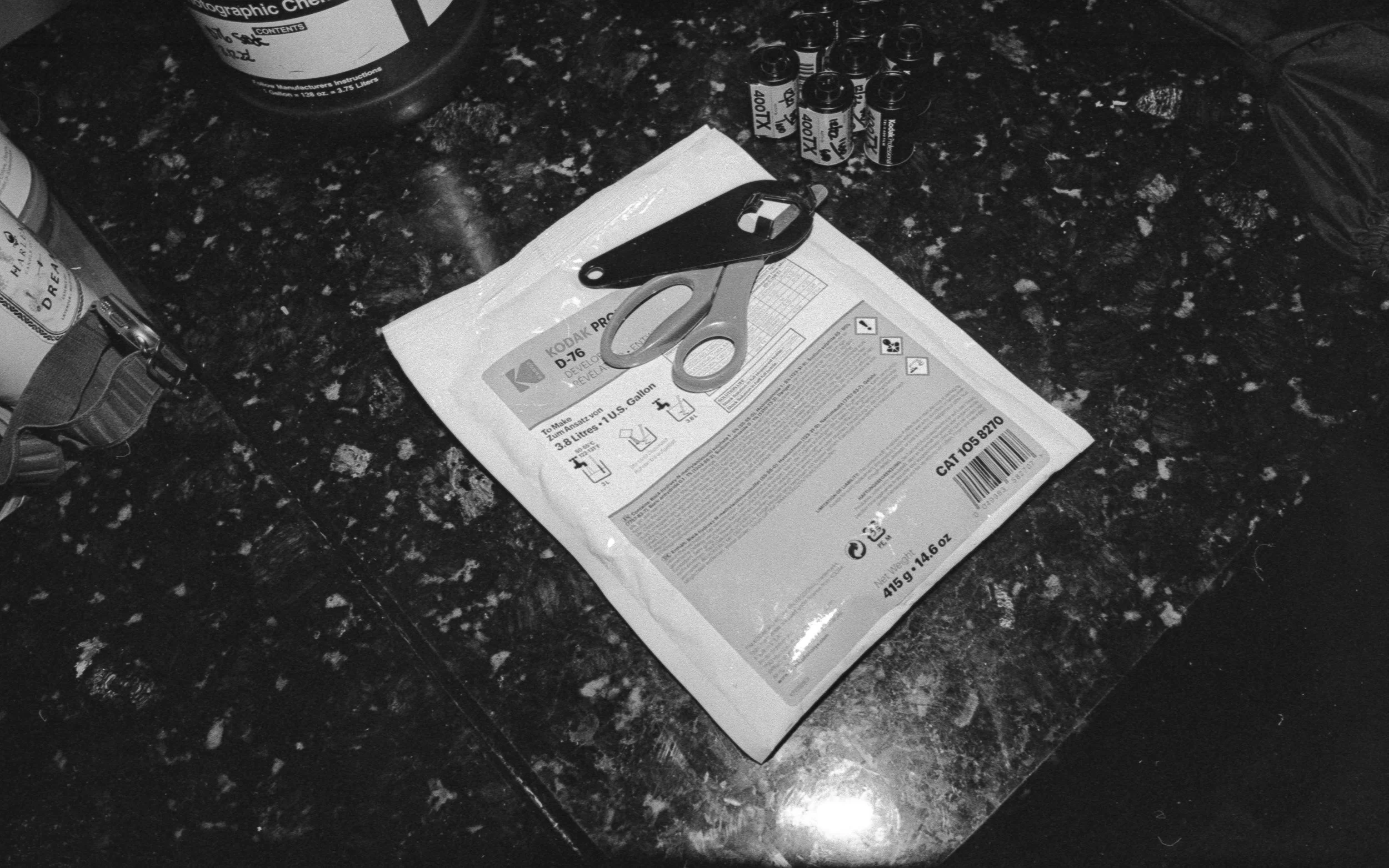
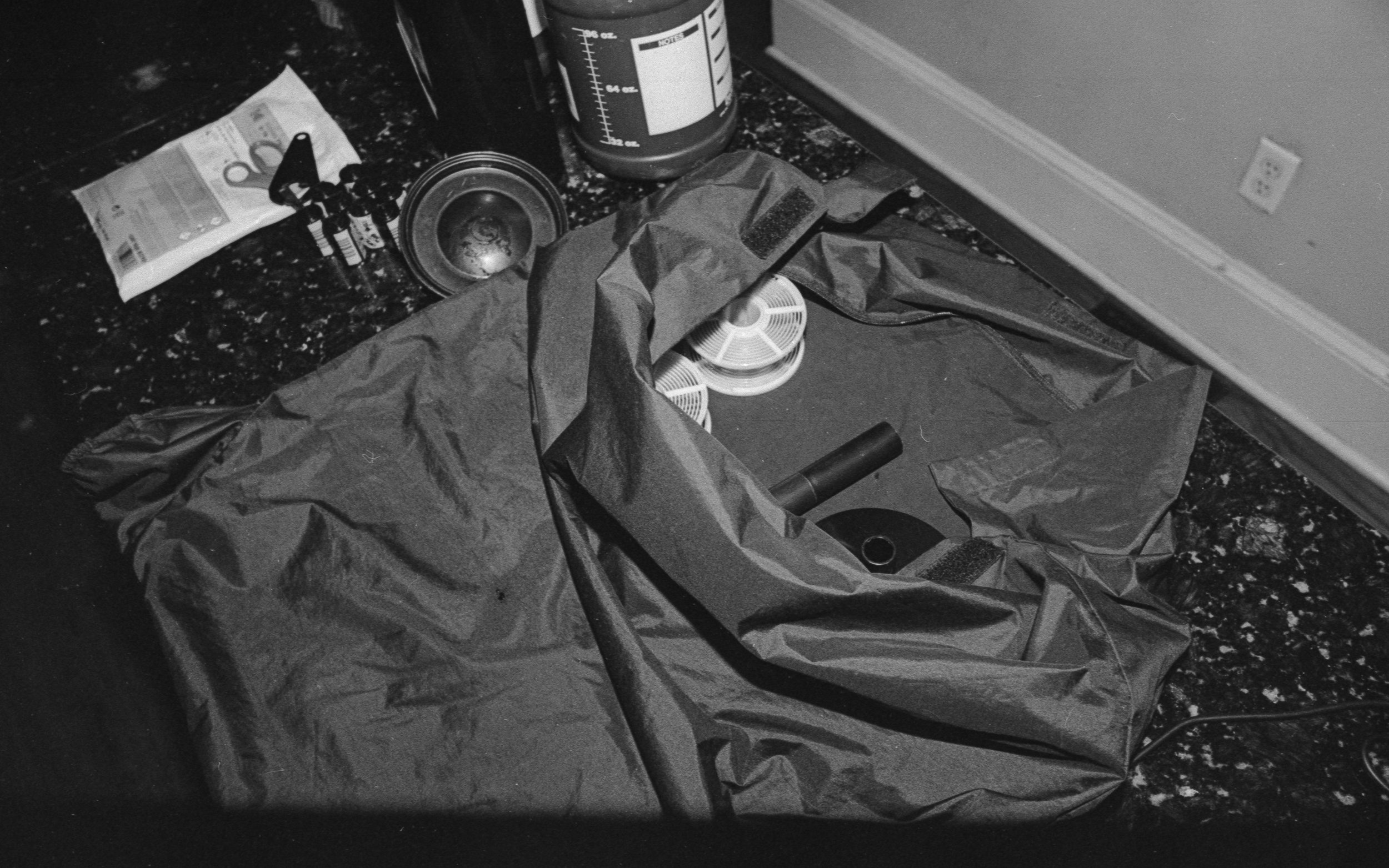
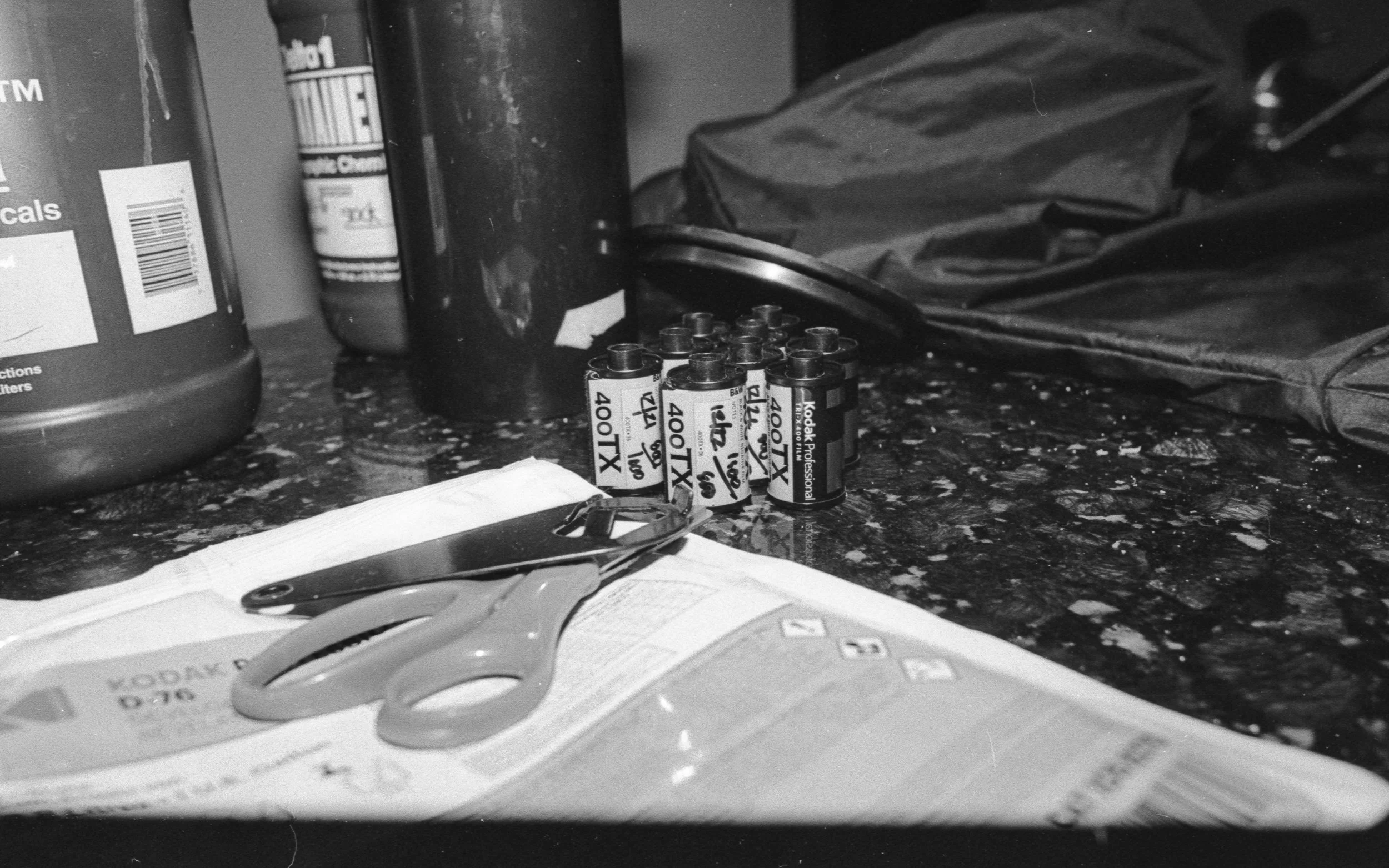
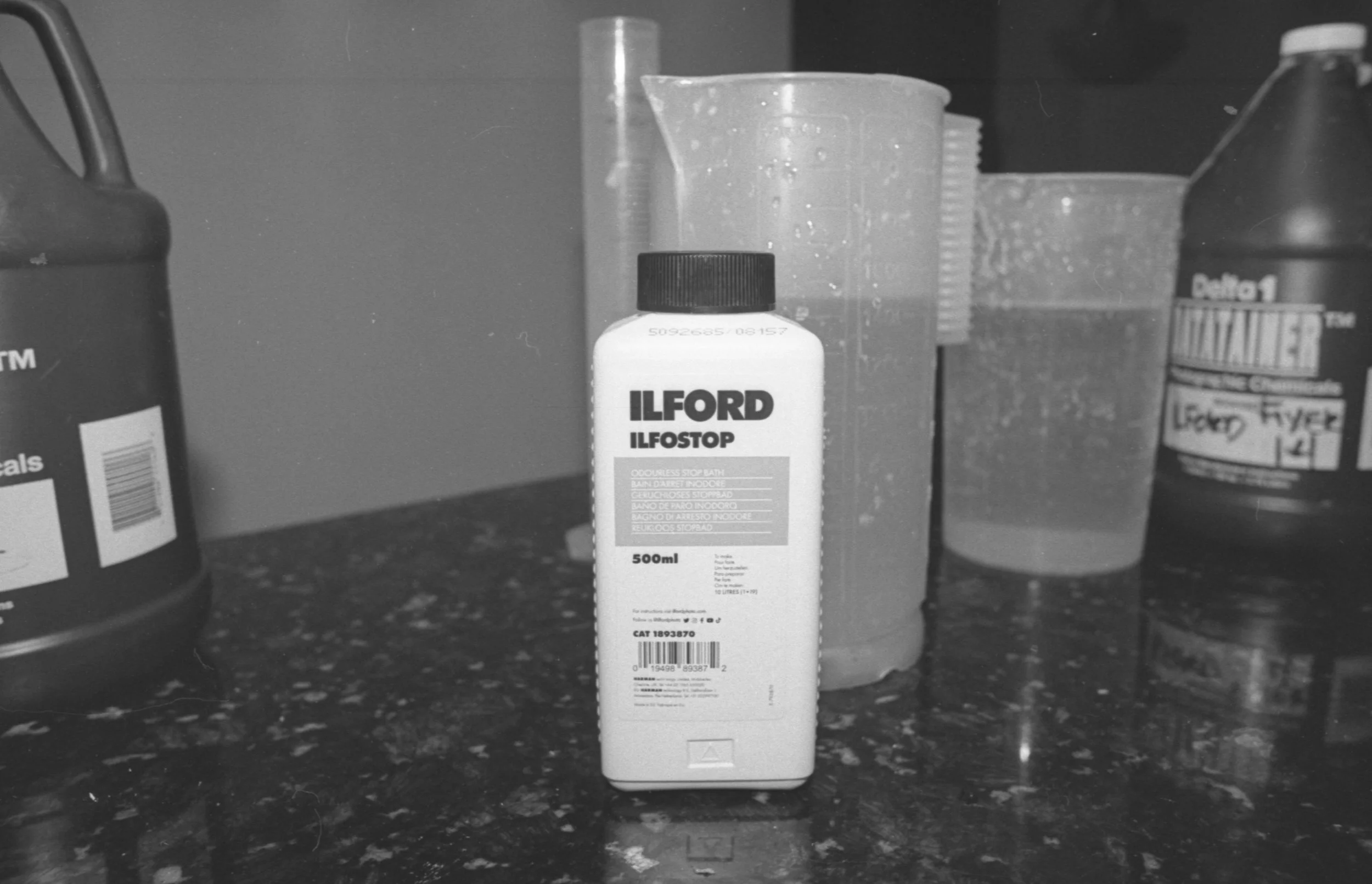
My Ritual of Film Developing
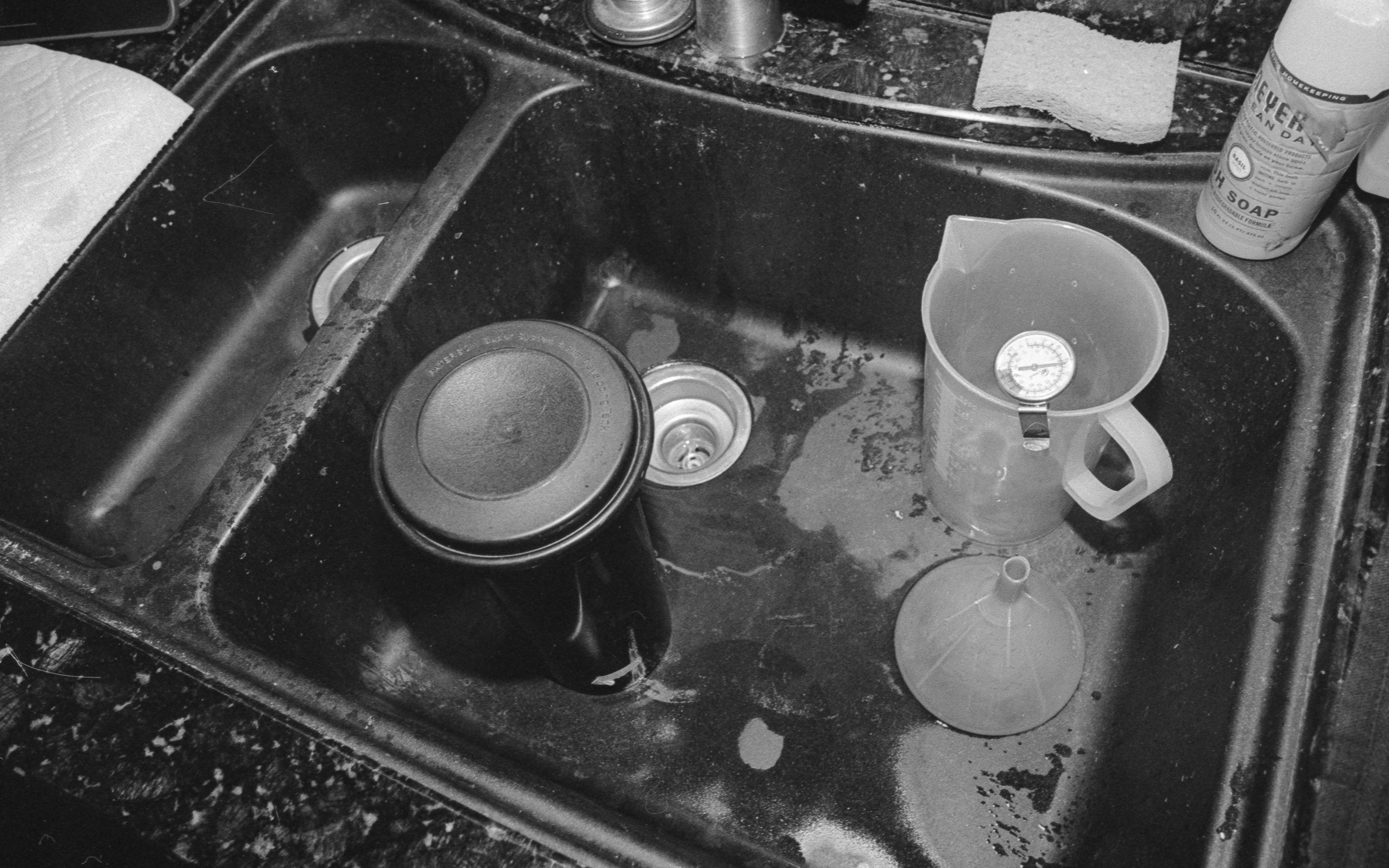
There’s something magical about developing film—a process that feels equal parts science experiment and meditation. For me, it’s about getting hands-on with the craft, taking control of how my images come to life, and letting the unpredictability of analog photography surprise me every step of the way. Let’s break down my process in a way that’s real and relatable.
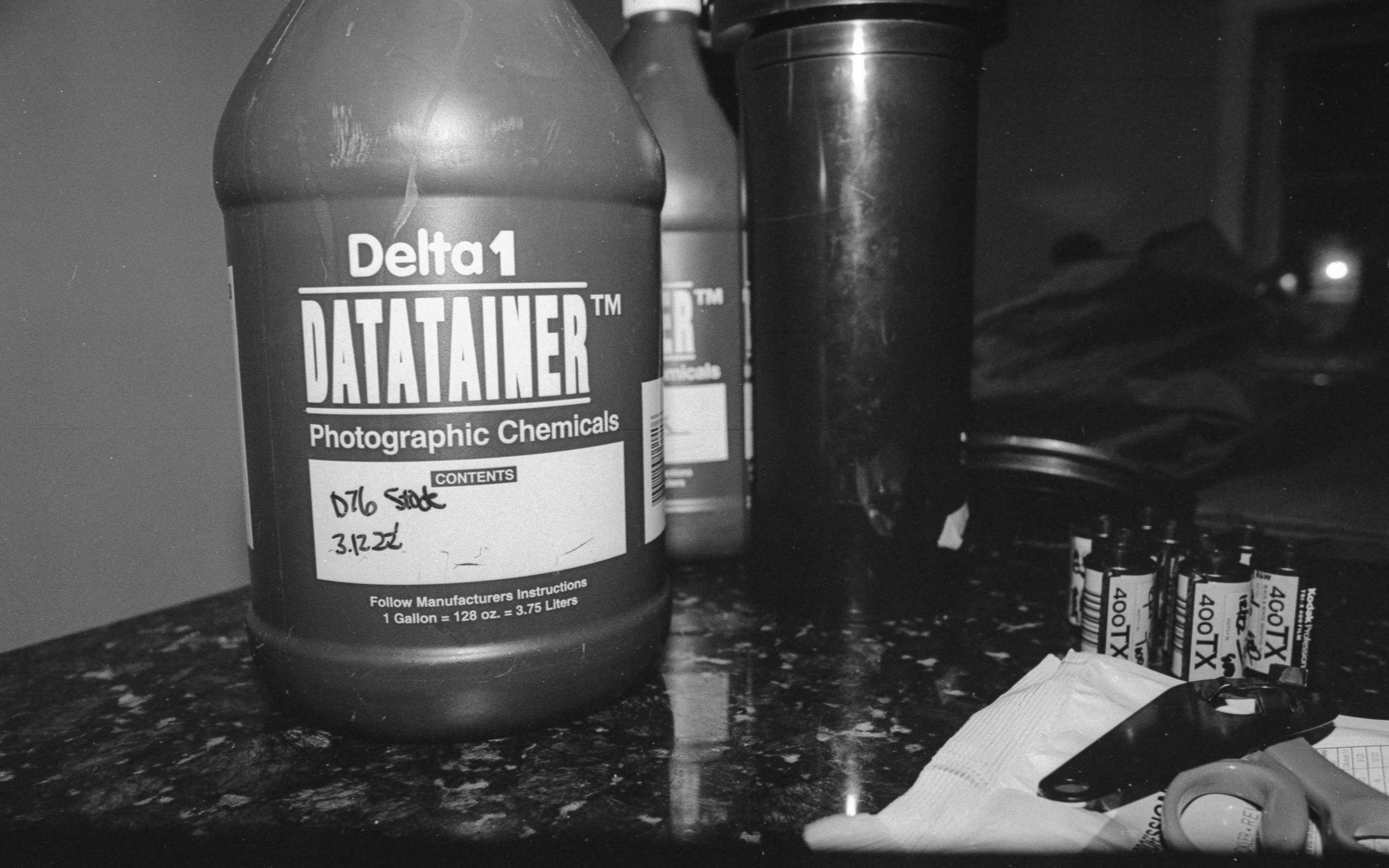
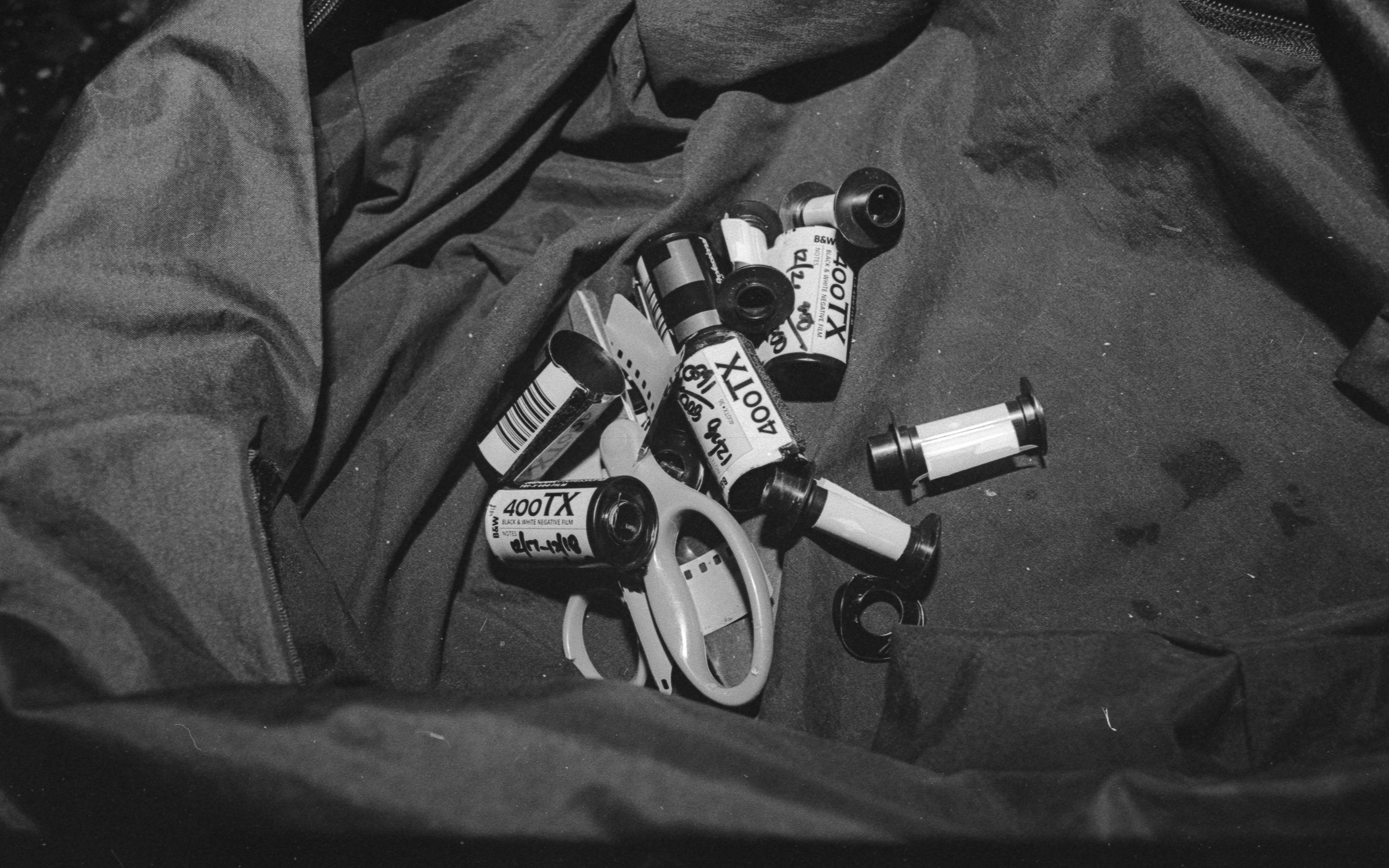
I usually work with Kodak Tri-X 400 film, one of my go-tos. I rate it (or push it) to 800 ISO to give me that extra flexibility when I’m creating images in low light. But here’s the twist: when it comes time to develop, I treat it as if I’ve shot it at 1600 ISO. That push gives the negatives that extra contrast and grit—the kind of texture that makes analog photography sing.
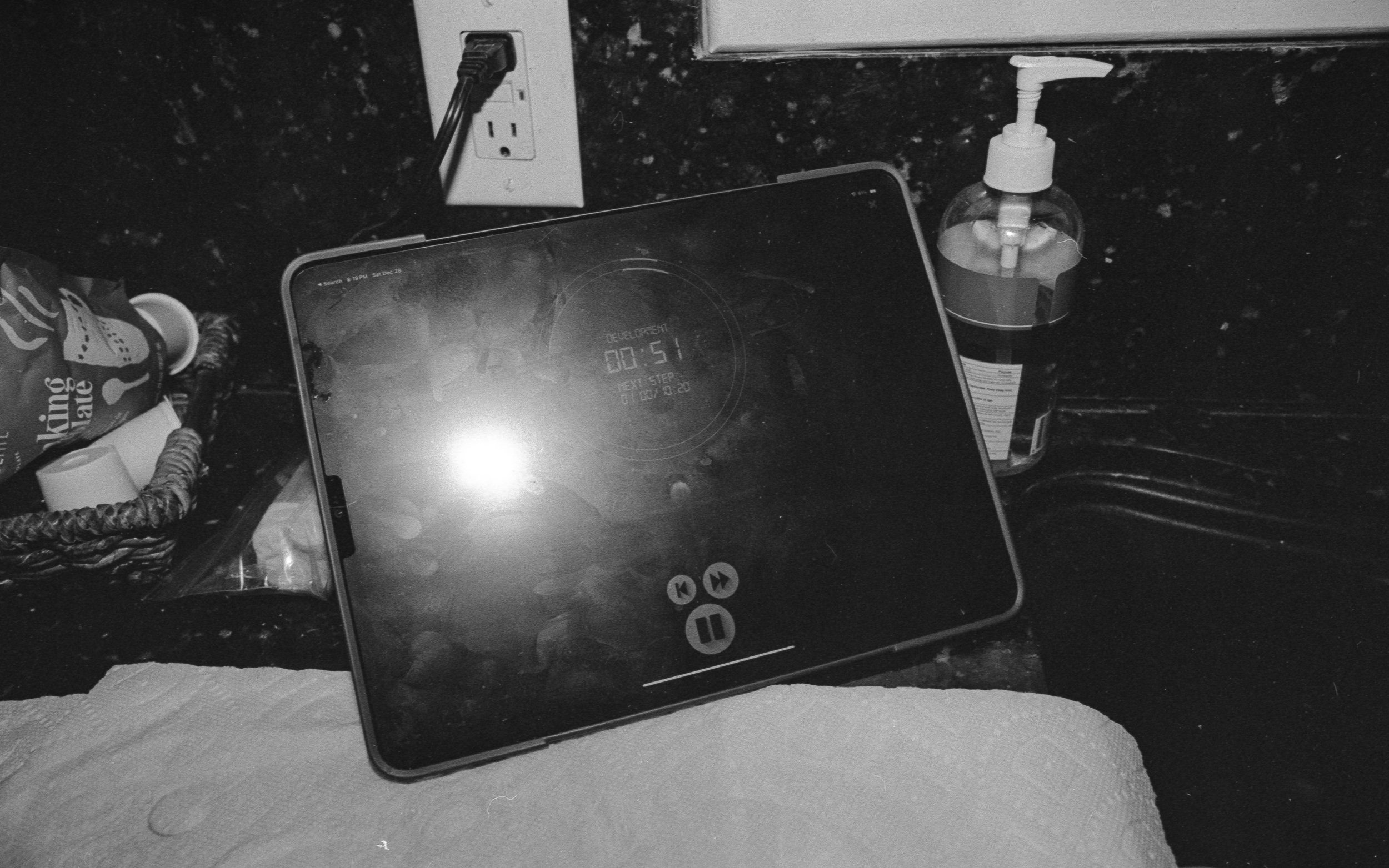
For my developer, I ride with Kodak D-76. It’s a classic, tried-and-true formula that gets the job done. I pair it with Ilford Stop Bath and Ilford Rapid Fixer to keep the process smooth and consistent. And honestly, my little helper in all of this is the Dev it! app. It’s my guide for nailing those times to the second.
Here’s how it all goes down:
Developing: 10 minutes and 20 seconds of immersion in D-76. It’s all about agitating at just the right intervals to let those shadows and highlights breathe.
Stop Bath: A quick 1-minute rinse with Ilford Stop Bath to halt the development process. It’s like hitting pause on a record—you don’t want the music to run away from you.
Fixing: Anywhere from 3 to 6 minutes in Ilford Rapid Fixer. This step locks the image in, making it permanent and ready to handle the light of day.
Washing: A thorough 3-minute wash under running water until every trace of chemical is gone. There’s something so calming about this step—just watching the negatives clear up.
Final Touch: Kodak Photo-Flo 200 for a streak-free finish. It’s like the cherry on top before I hang the negatives to dry and let them do their thing.
Developing film is more than just chemistry and timing; it’s a dialogue between you and your images. The process forces you to slow down, be intentional, and appreciate the journey from exposure to final frame. It’s a ritual, a moment of stillness in a world that moves way too fast.
This isn’t just about creating images; it’s about connecting with the medium, the history, and the story you’re telling.
So, the next time you see a finished print or scan, remember that it’s more than just an image. It’s the culmination of light, time, chemistry, and care—and there’s nothing quite like it.
Check back Sunday @ 10am..
With Love,
Stan