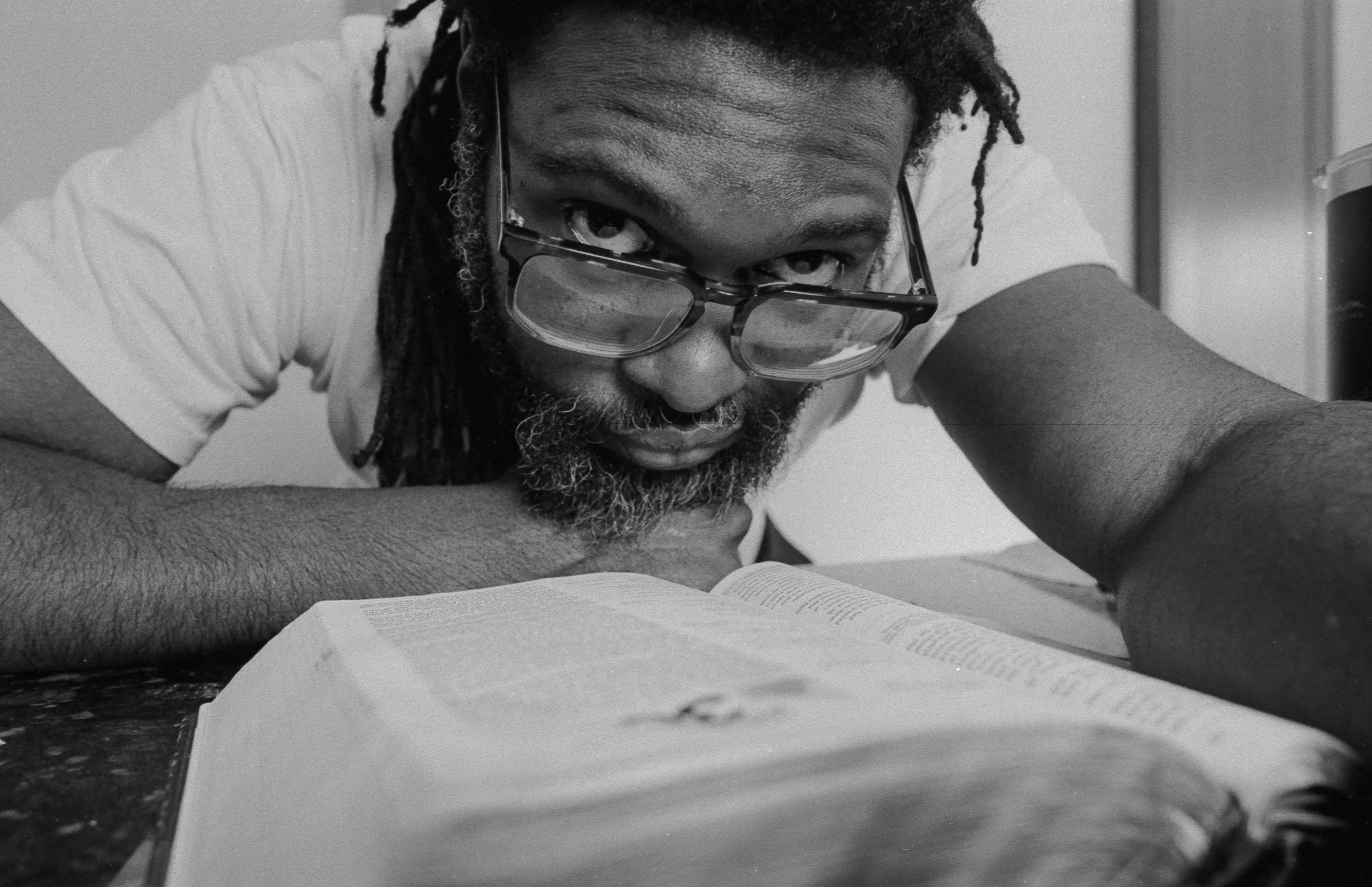
016: From Hunting to Gathering: A Shift in My Photography
From Hunting to Gathering: A Shift in My Photography
I watched an interview with Alex Soth recently, and something he said hit different. He talked about how, for years, he approached photography like a hunter, always searching, chasing, taking. But over time, he no longer wanted to do that. He wanted to move differently, to let the images come to him instead of stalking them.
That stuck with me because I feel that shift happening in my own work.
I still move through the streets with that same energy, camera in hand, scanning, reacting, documenting. There’s a rhythm to it, a rush. Seeing something unfold and responding in the moment, that instinct is still in me. But I’ve started to question it, to rethink what it means to always be in pursuit. What happens when I slow down, when I stop chasing every frame? What do I notice when I let things come to me instead?
Long-term documentary and portrait work have been calling me. Not just the act of making images, but the time spent with my subjects, the conversations, the silences, the moments in between. I don’t want to just pass through people’s lives, snapping a frame and moving on. I want to sit with them, listen, understand. I want to document people over time, let the story unfold naturally, allow trust to build. I want my images to feel like they were offered to me, not taken.
My photography isn’t just about making trendy images, it’s about building something deeper. I want to document people in a way that honors them, that respects their space and their story. I don’t want my work to feel like a collection of moments I grabbed before they disappeared. I want it to feel like time was given, like the image existed long before I pressed the shutter, and I was just fortunate enough to be there.
So, I’m moving differently now. Less hunting, more gathering. Less extraction, more exchange. That’s why I’m drawn to longer projects, why portrait work has been pulling me in. I want my images to feel like a conversation, not just me taking, but something being shared.
That doesn’t mean I’m done with the streets. That rhythm is in me. But I’m learning to let go of the chase, to let the images find me instead of the other way around.
And maybe that’s the real shift, not in how I photograph, but in how I see.

frame 36 of 36.
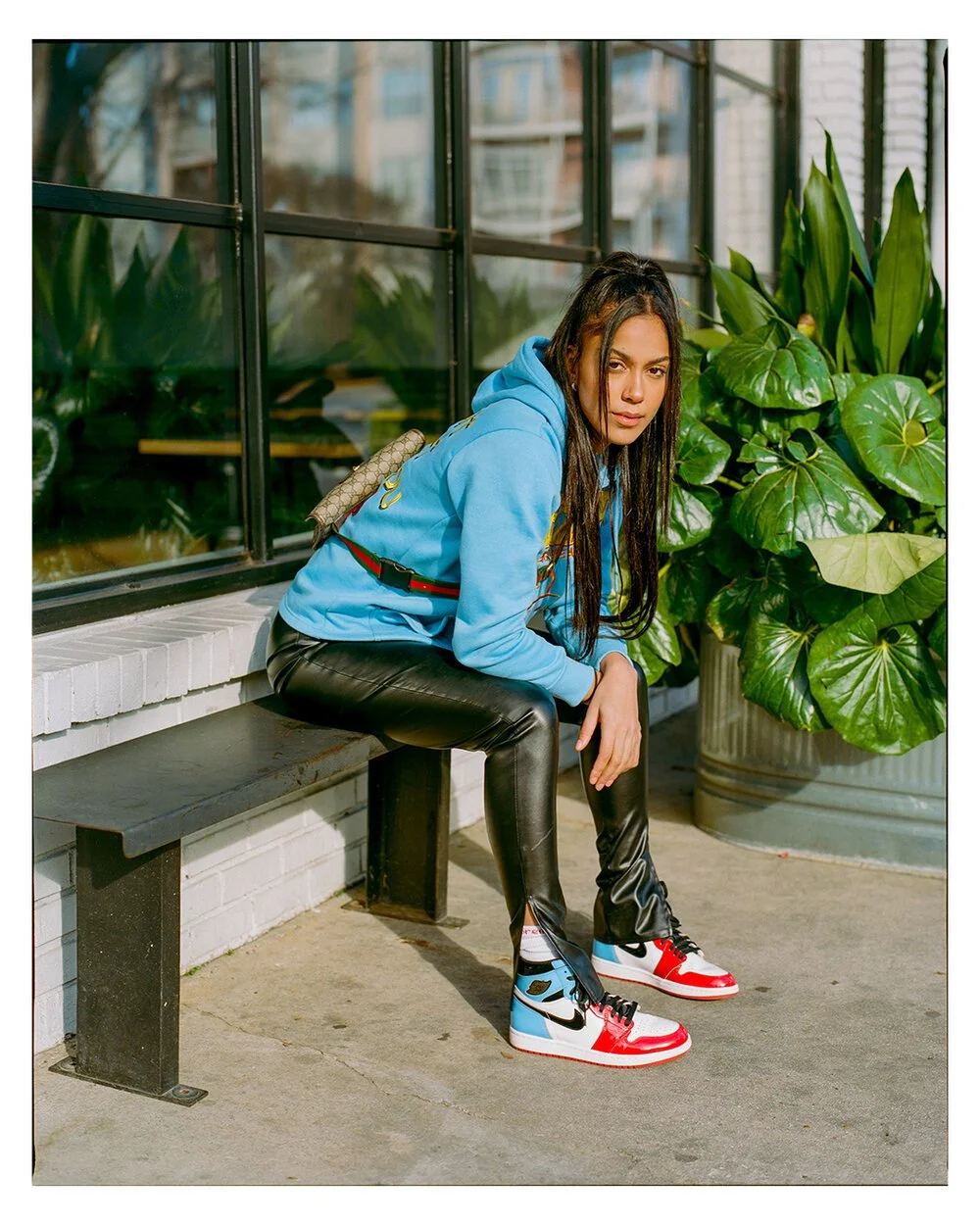
013: Portraits in 2025: More intimate Storytelling
Portraits in 2025: More intimate Storytelling


For a while now, I’ve been locked into a rhythm, documenting the streets, chasing moments, and letting my Leica M5 and Kodak Tri-X do what they do best. But one thing about me? I refuse to be boxed in. This year, I’m stepping back into portraiture, not just as an addition to my work but as a necessary evolution.
Returning to Portraits with Intention
Portraiture has always been part of my photography DNA. Whether it’s commercial assignments, editorial work, or personal projects, the ability to craft an image, not just capture one, is something I’ve always valued. But somewhere along the way, I got so deep into the streets that I stepped away from controlled light, from directing subjects, from the kind of work that allows me to slow down and build an image from scratch.
That changes now.
2025 is the year I fully lean back into portraits, not just for myself but for brands, creatives, and anyone who wants a portrait that actually says something. The kind of portrait that feels like a conversation, where the light tells its own story, where depth and shadow aren’t just aesthetic choices but essential parts of the narrative.
Studio & Environmental Portraits
This time around, I’m making portraits wherever they need to happen, in the studio, in people’s homes, outdoors, or anywhere that adds to the story of the image. A controlled studio setup allows me to sculpt light exactly how I want it, while an environmental portrait adds layers of context, history, and mood. The location is just as important as the person in front of the camera, and I want to use both to create something real.
The Mamiya RZ67 & A Film-First Approach
I’m taking a film-first approach to portrait work, primarily using the Mamiya RZ67 with Kodak Tri-X 400 for its depth, detail, and timeless feel. Medium format film changes the way I work, it forces me to slow down, to compose with intention, to make every frame count.
I’ll be mixing in some color as well, choosing film stocks that match the subject, the environment, and the overall mood of each session. But black and white? That’s the foundation. That’s where the soul of my portrait work lives.
Mastering Light—Starting with Myself
To step back into portrait work the right way, I’ve been pushing myself in the best way I know how: self-portraits.
If I can light myself in a way that’s dynamic, intentional, and fresh, then I know I can apply that same energy to my clients. I’ve been experimenting with different setups, mixing continuous light with strobes, testing soft modifiers against harder light, figuring out how light plays differently on film than digital. The goal? To walk into any portrait session knowing I can deliver something fresh, no matter the setting.
Booking Portrait Sessions Now
So if you need a portrait that’s more than just a headshot, if you want something that feels cinematic, layered, and deeply considered, now is the time. Whether in the studio, in your home, or out in a space that reflects who you are, I’m here to create something intentional.
Check out my portrait work here: Stan Johnson Portraits
And if you're ready to make something great together, let’s talk.
Check back Sunday @ 10am..
With Love,
Stan