019: From Atlanta to Italy
From Atlanta to Italy
I’ve been sitting on these images for a while. Not because I didn’t like them, but because I needed time to see them clearly.
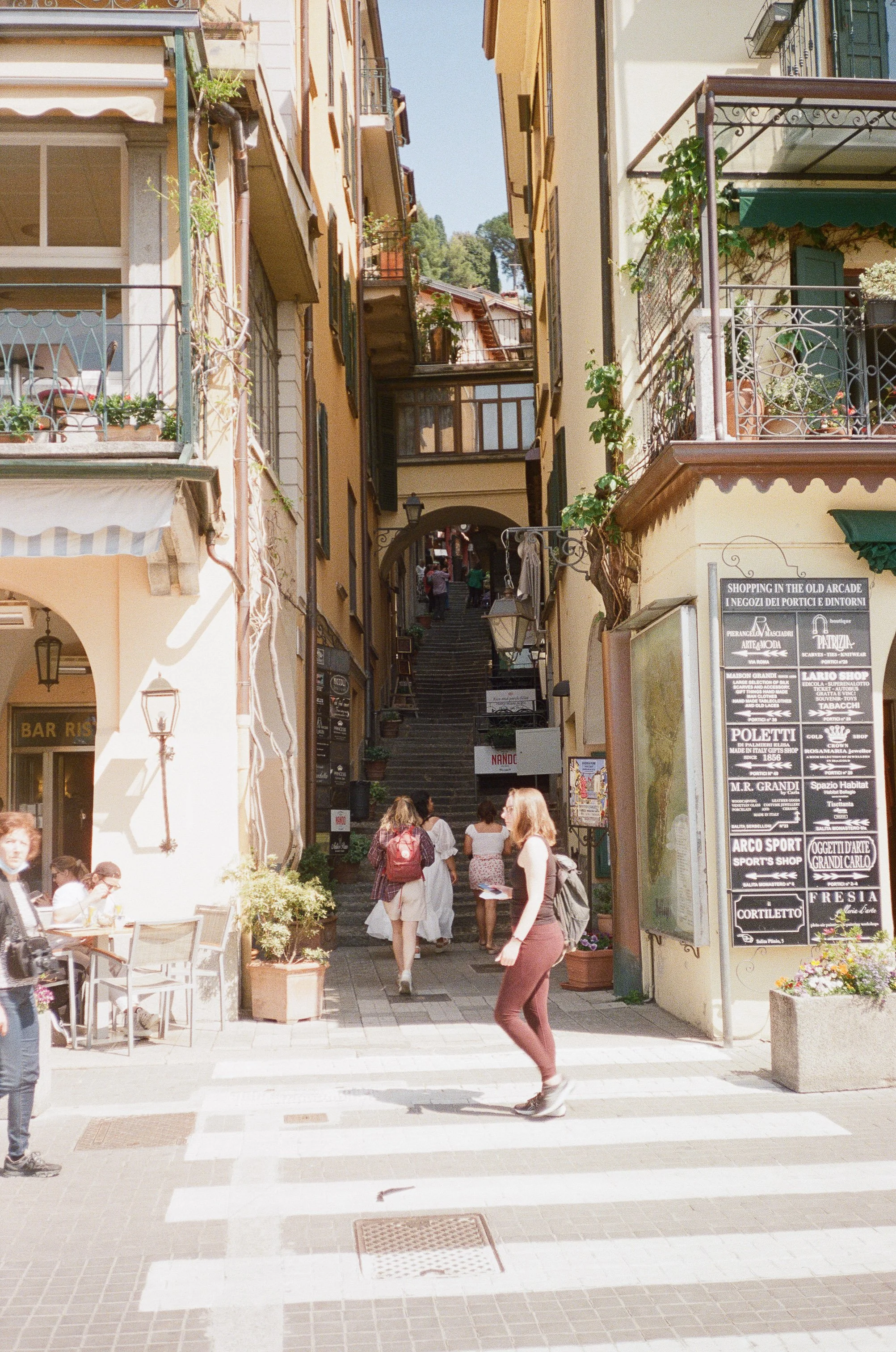
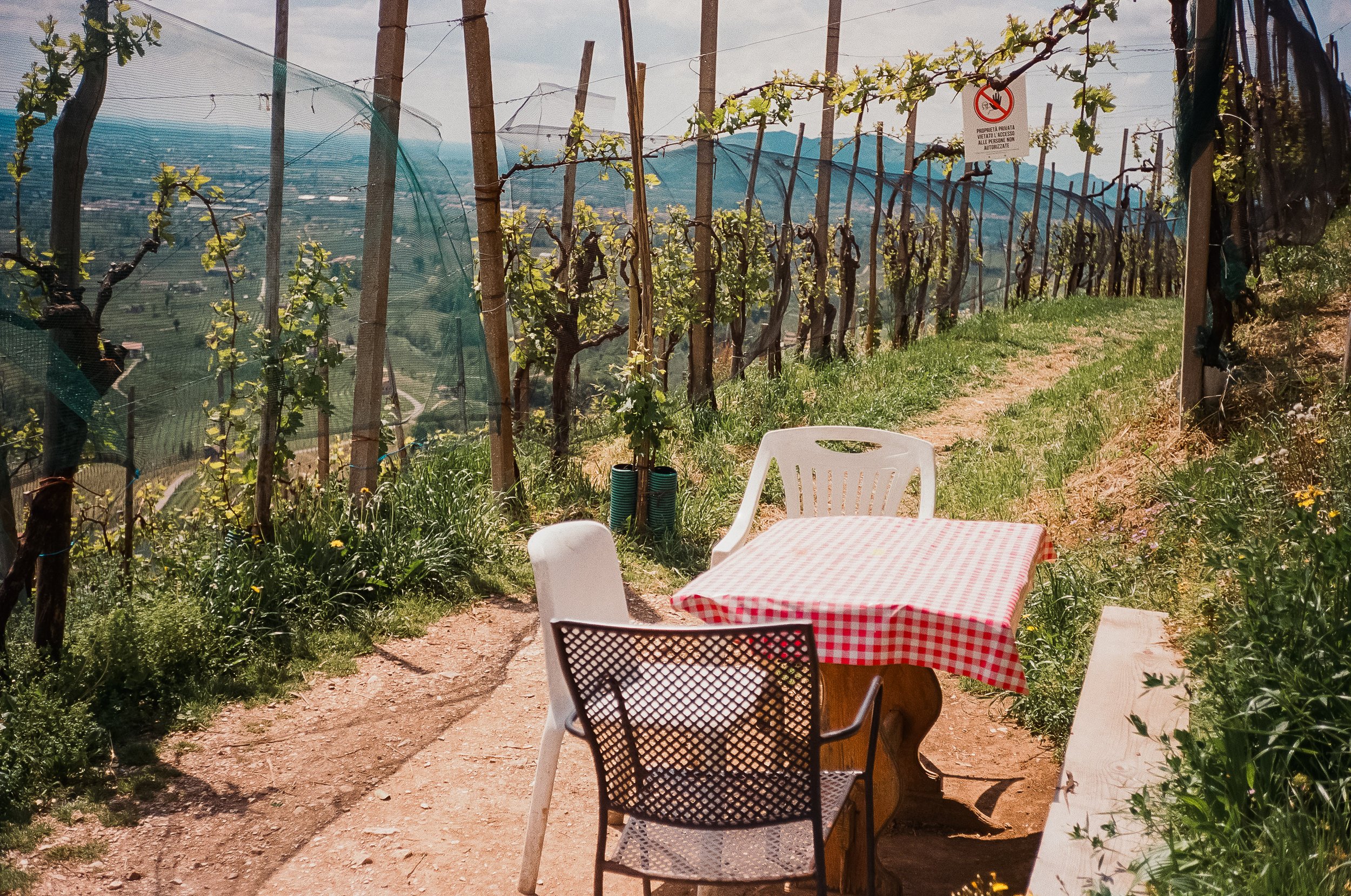
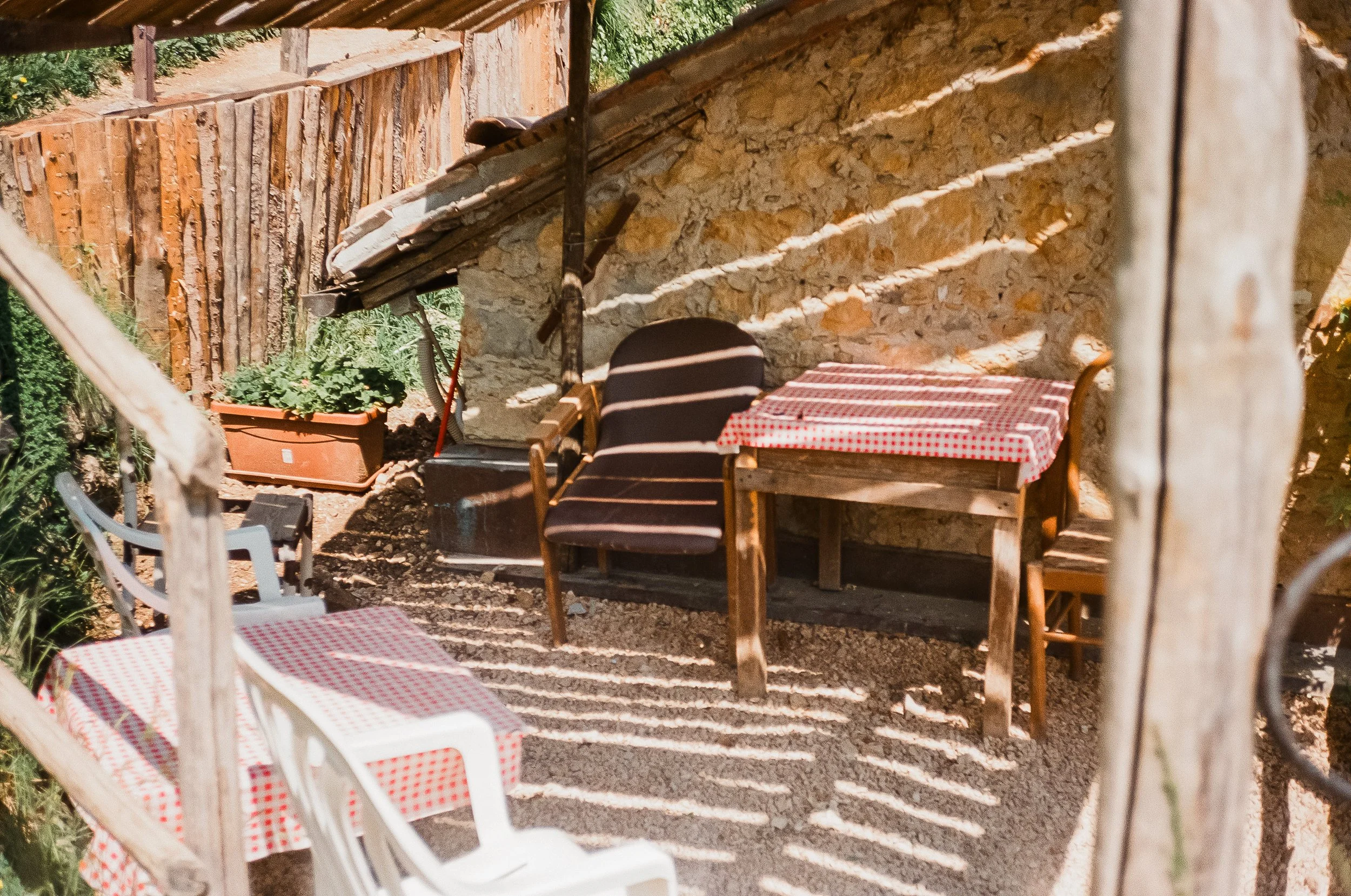
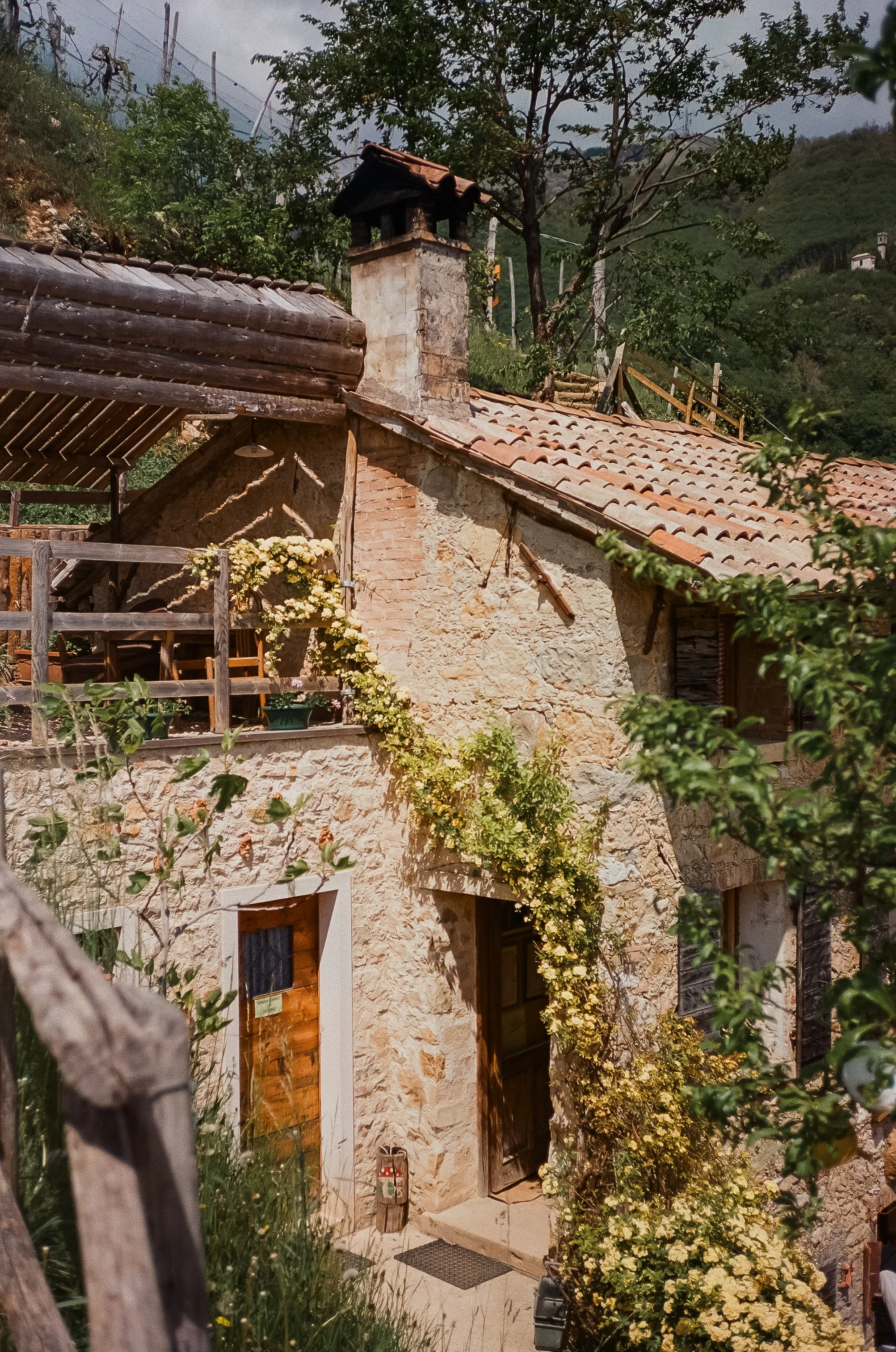
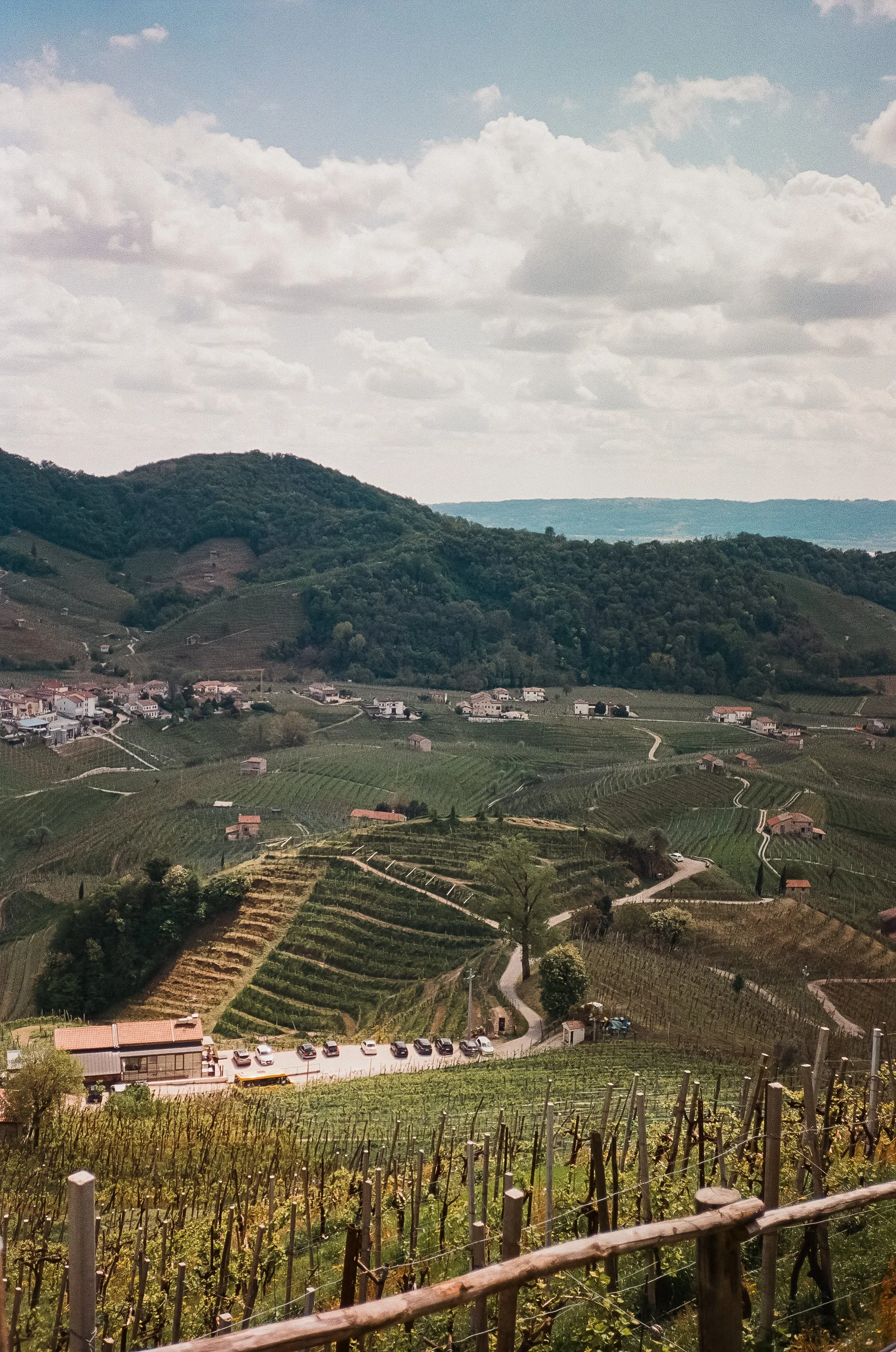
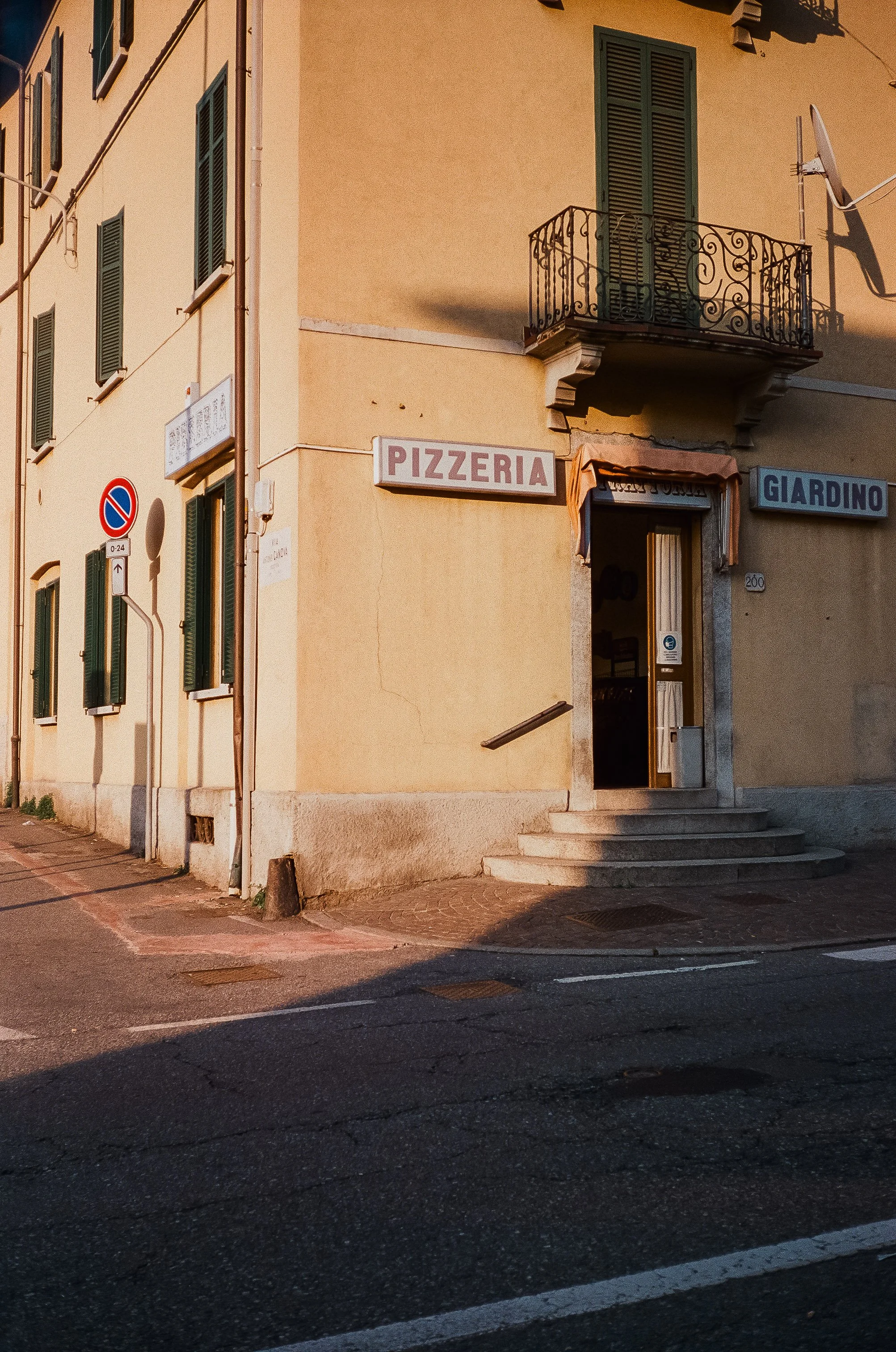
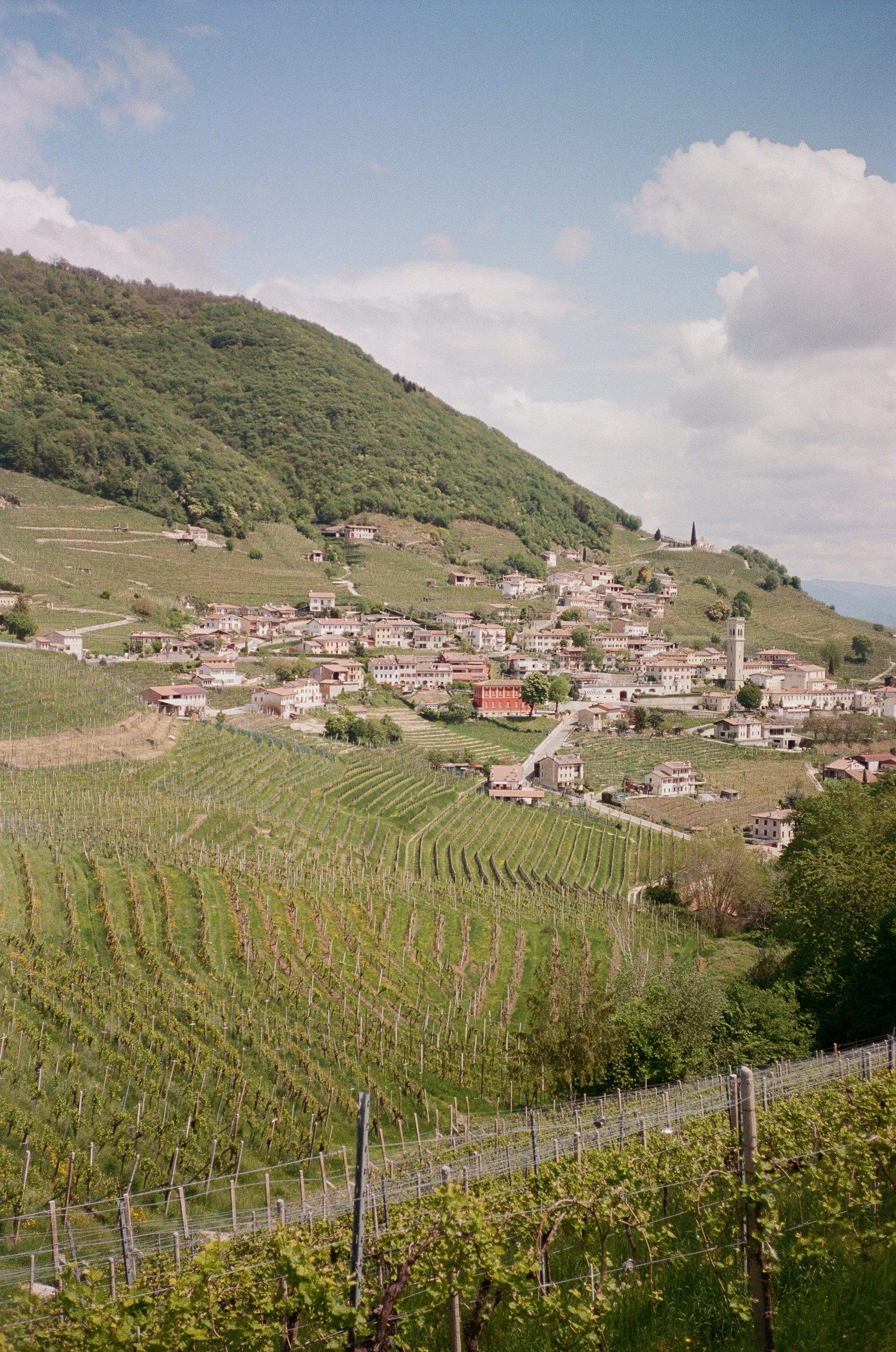
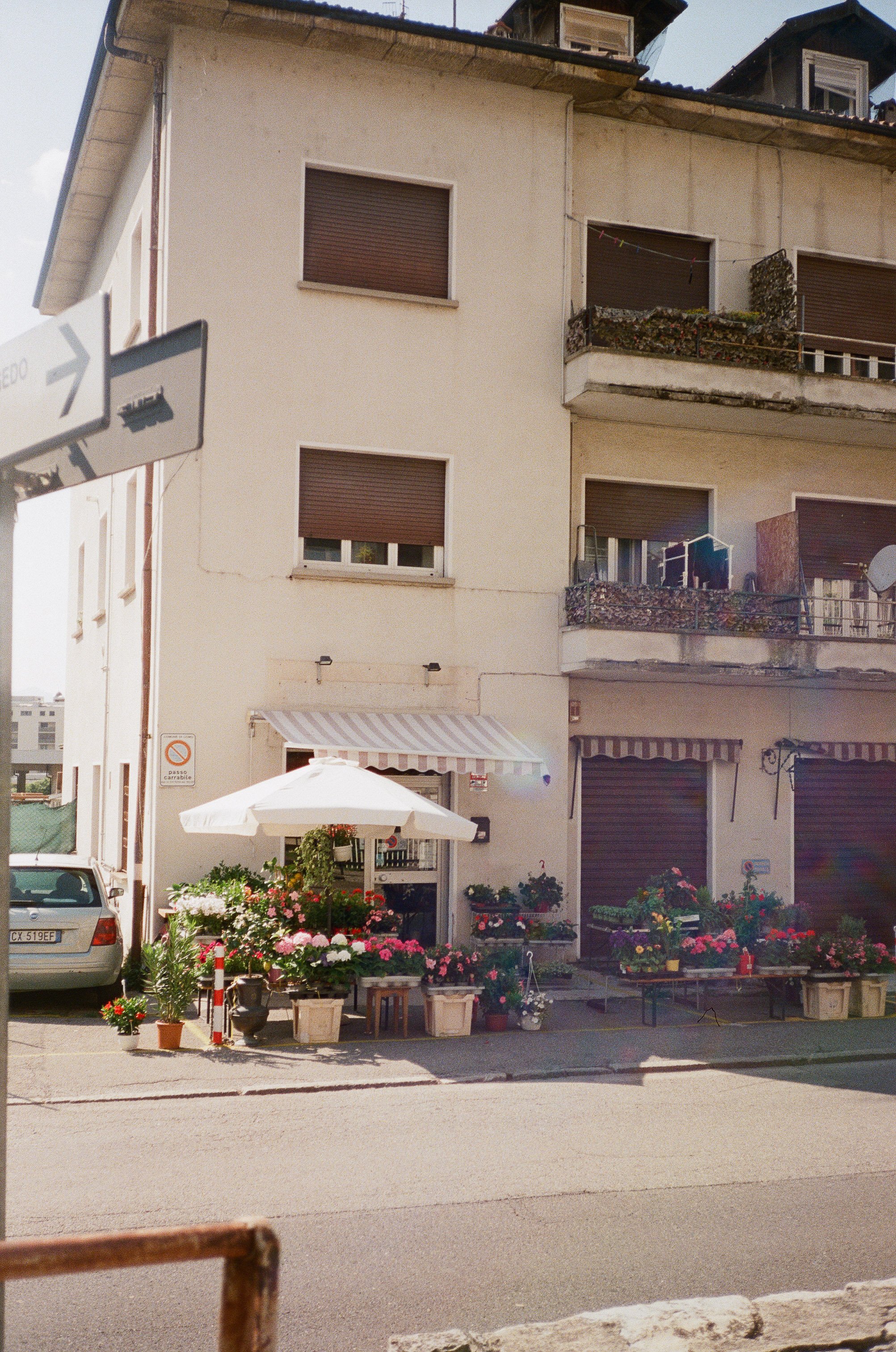
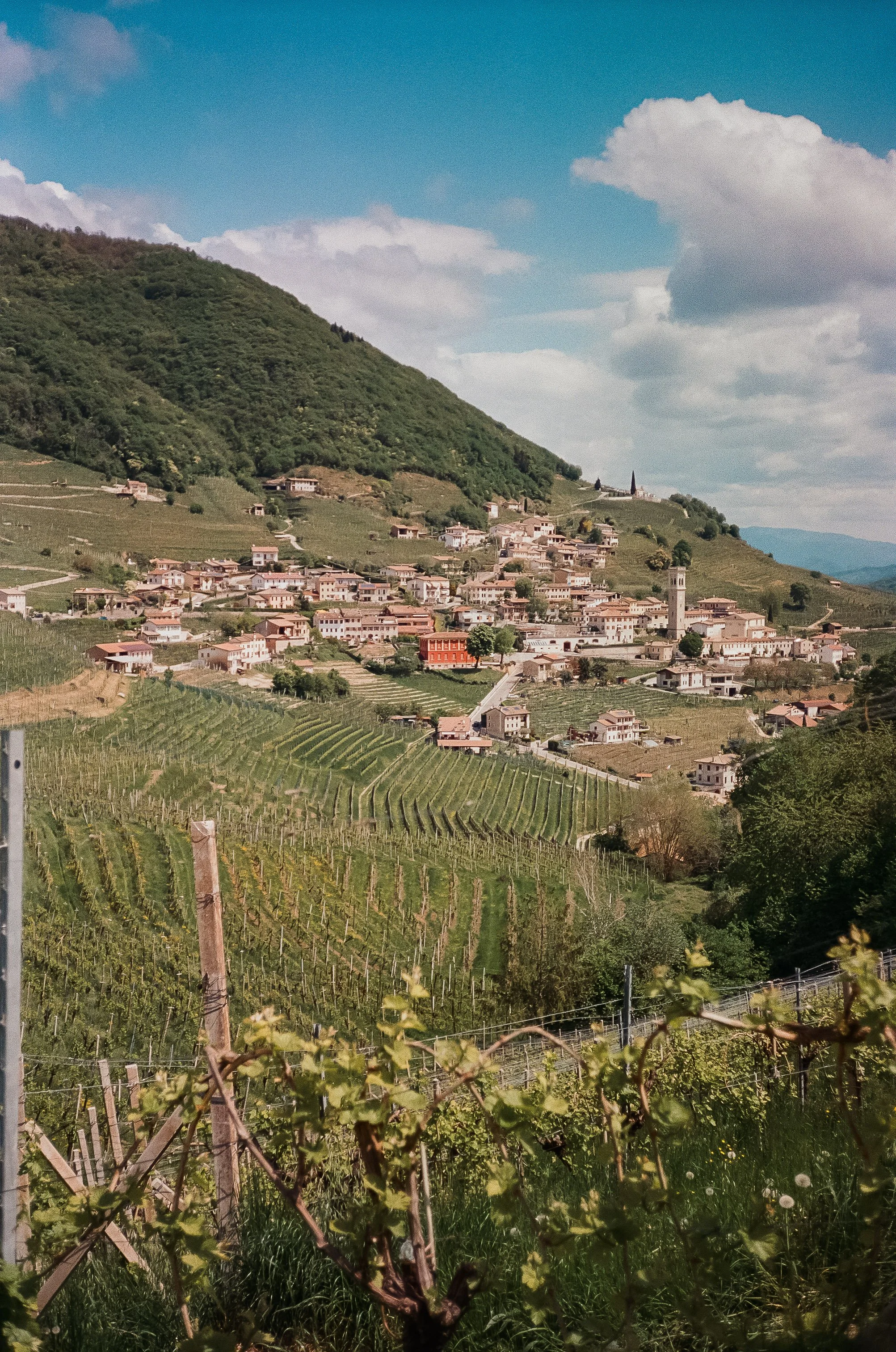
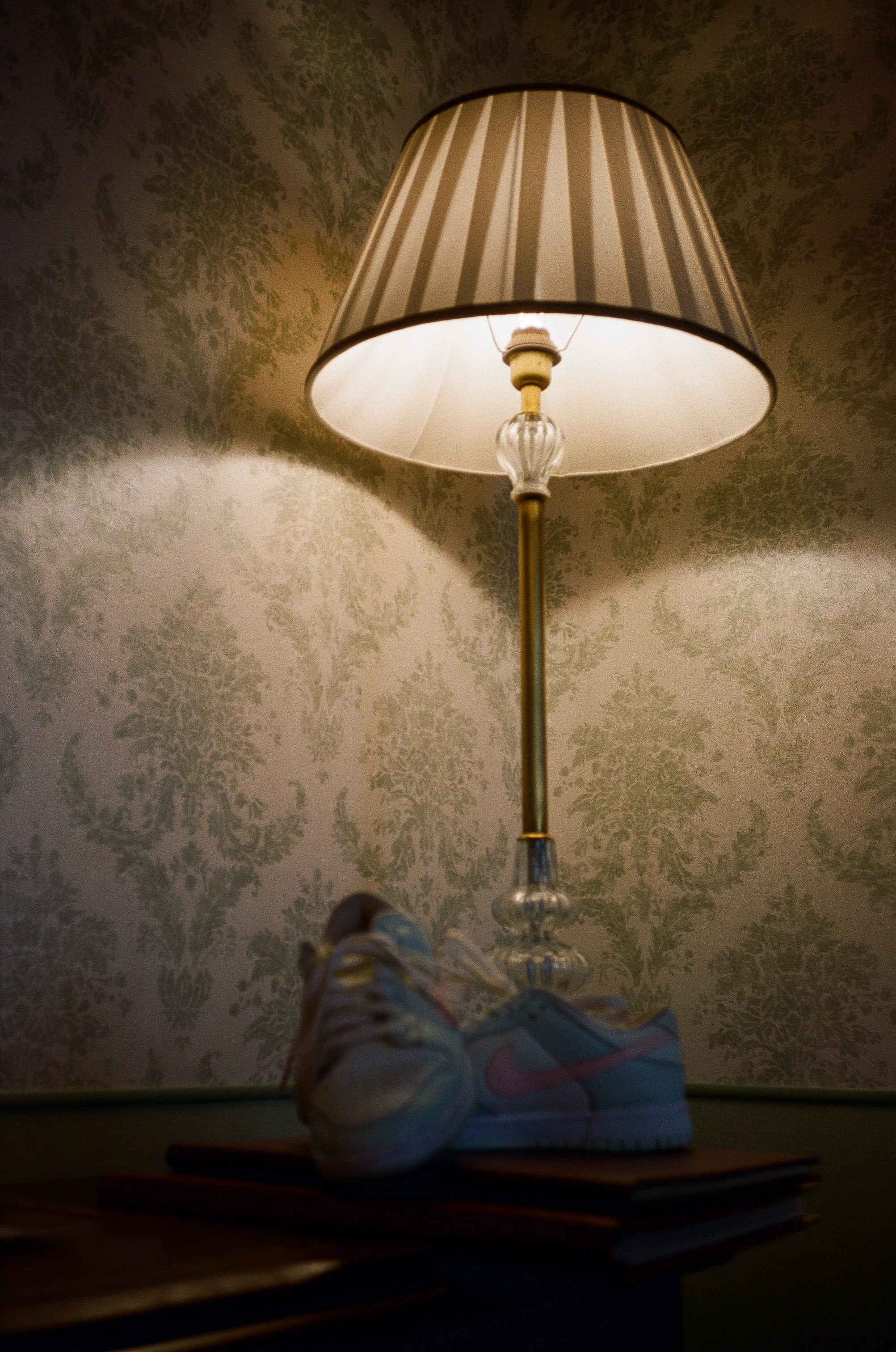
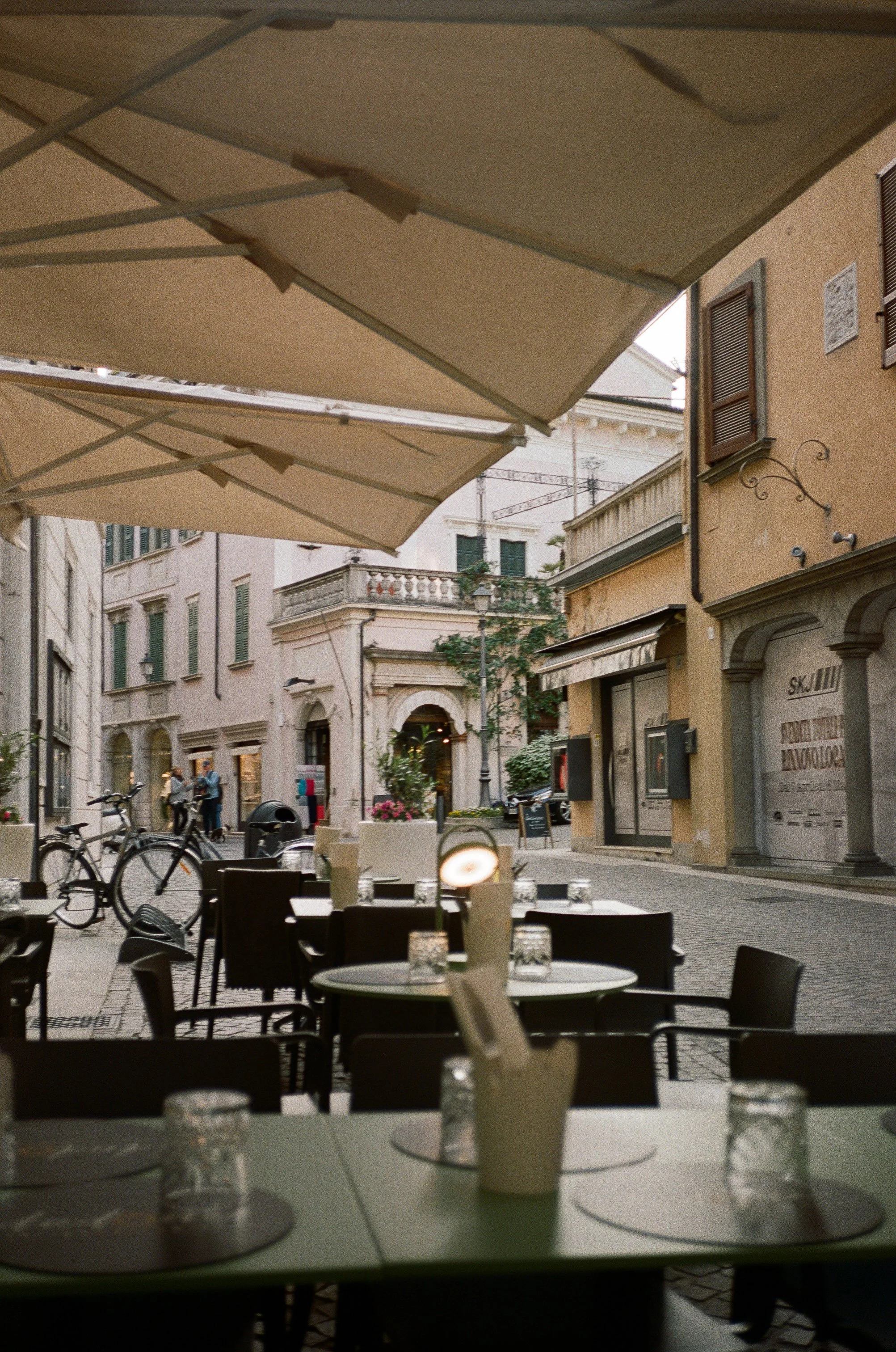
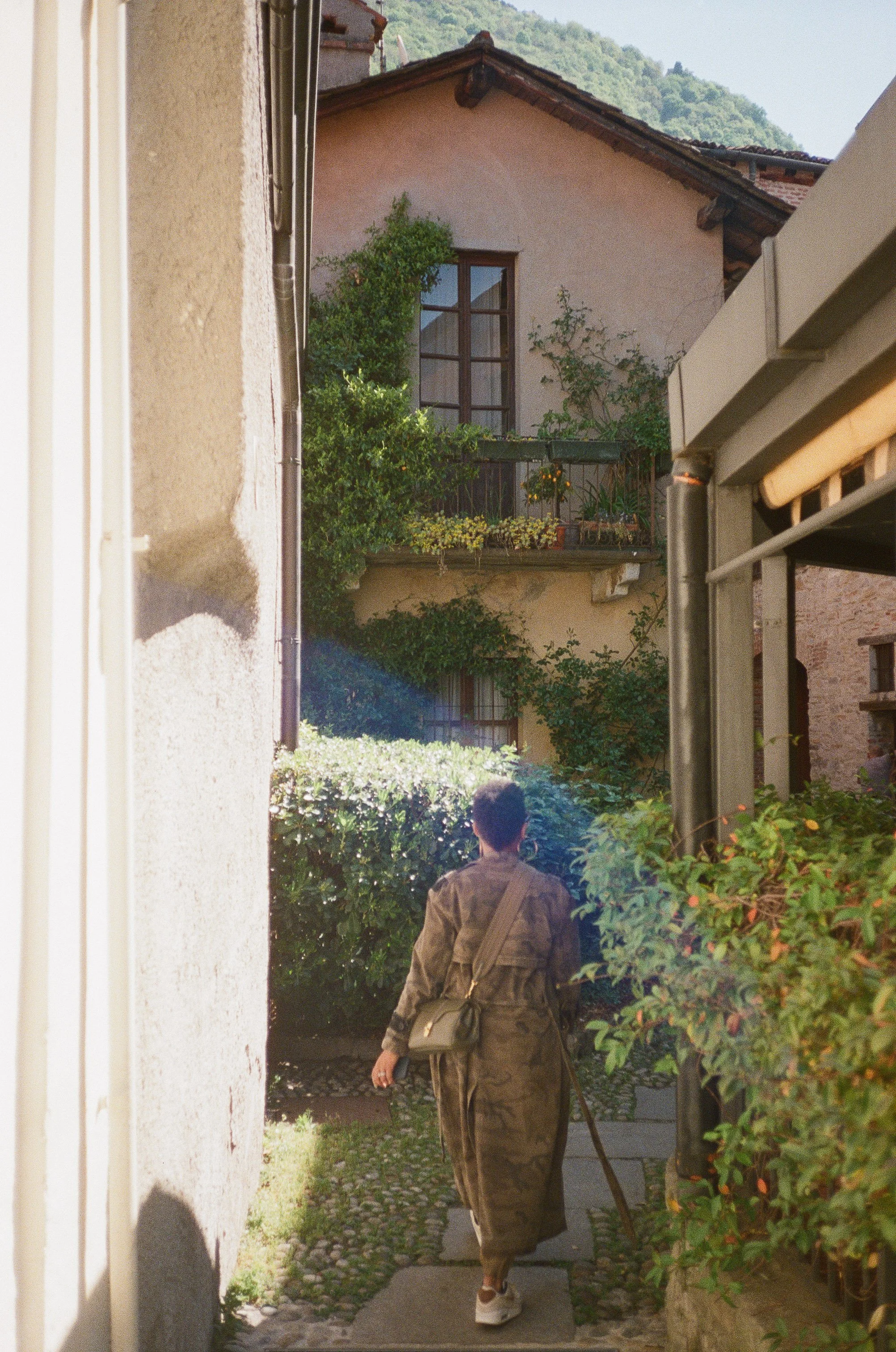
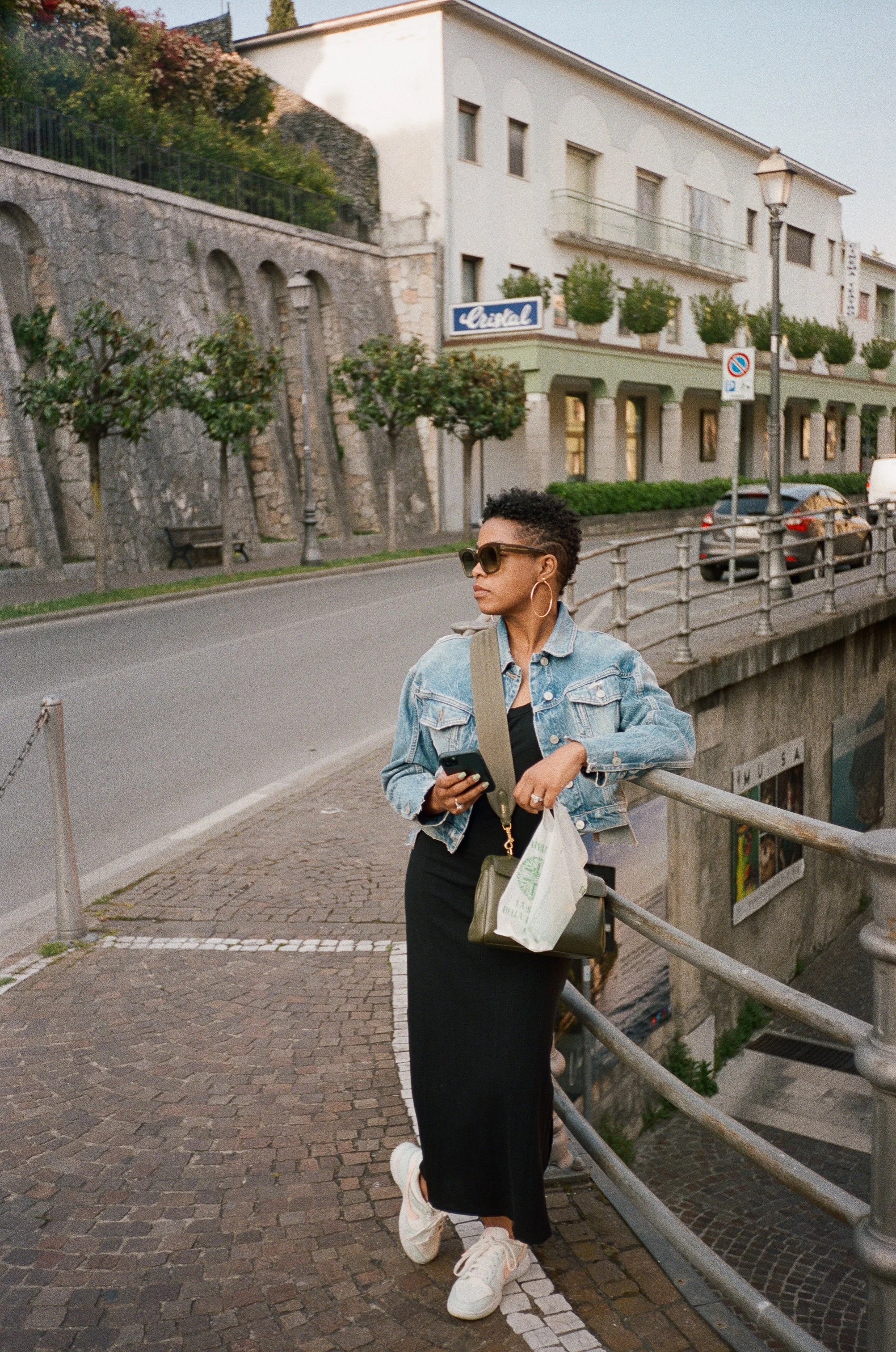
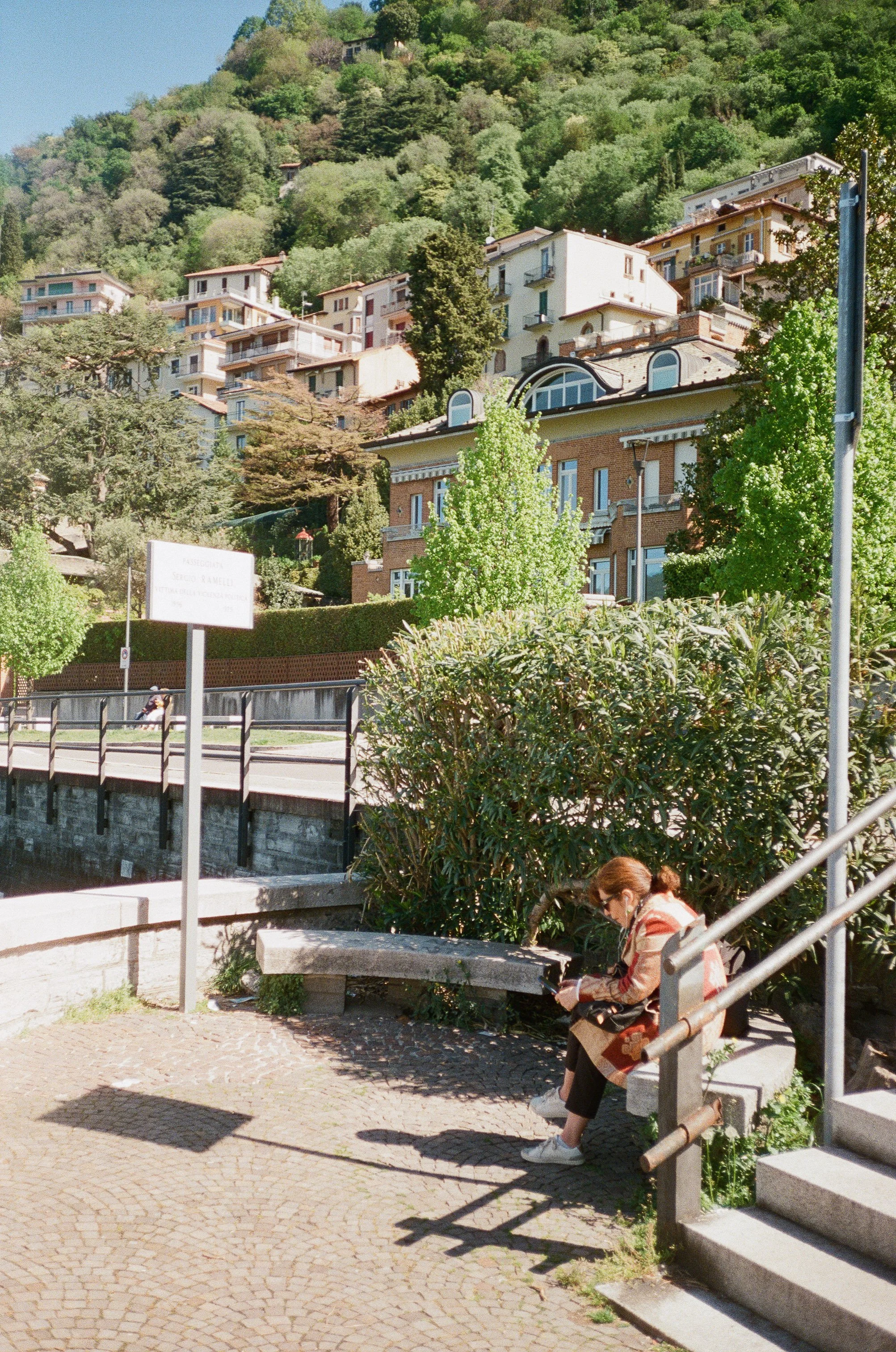
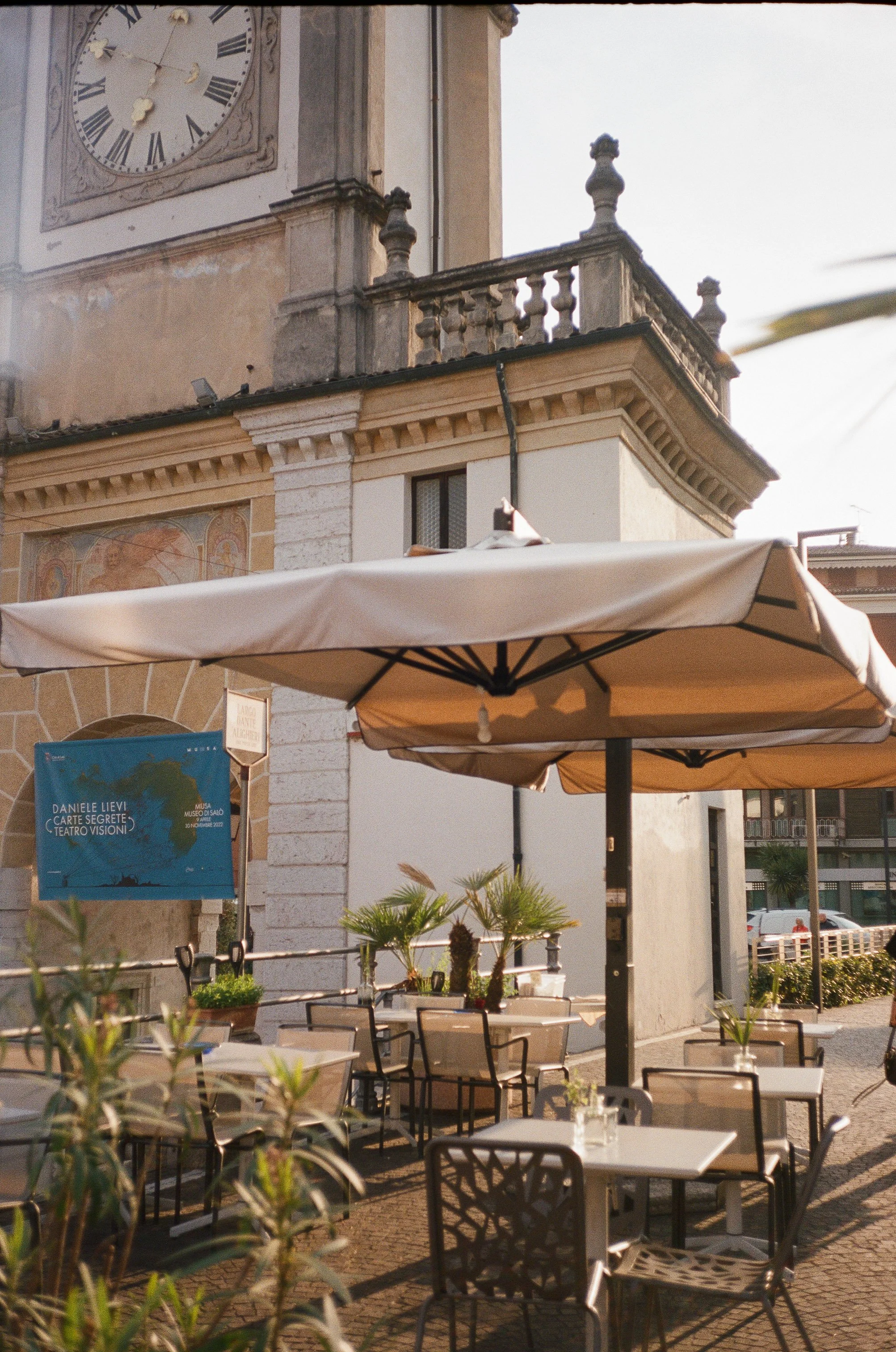
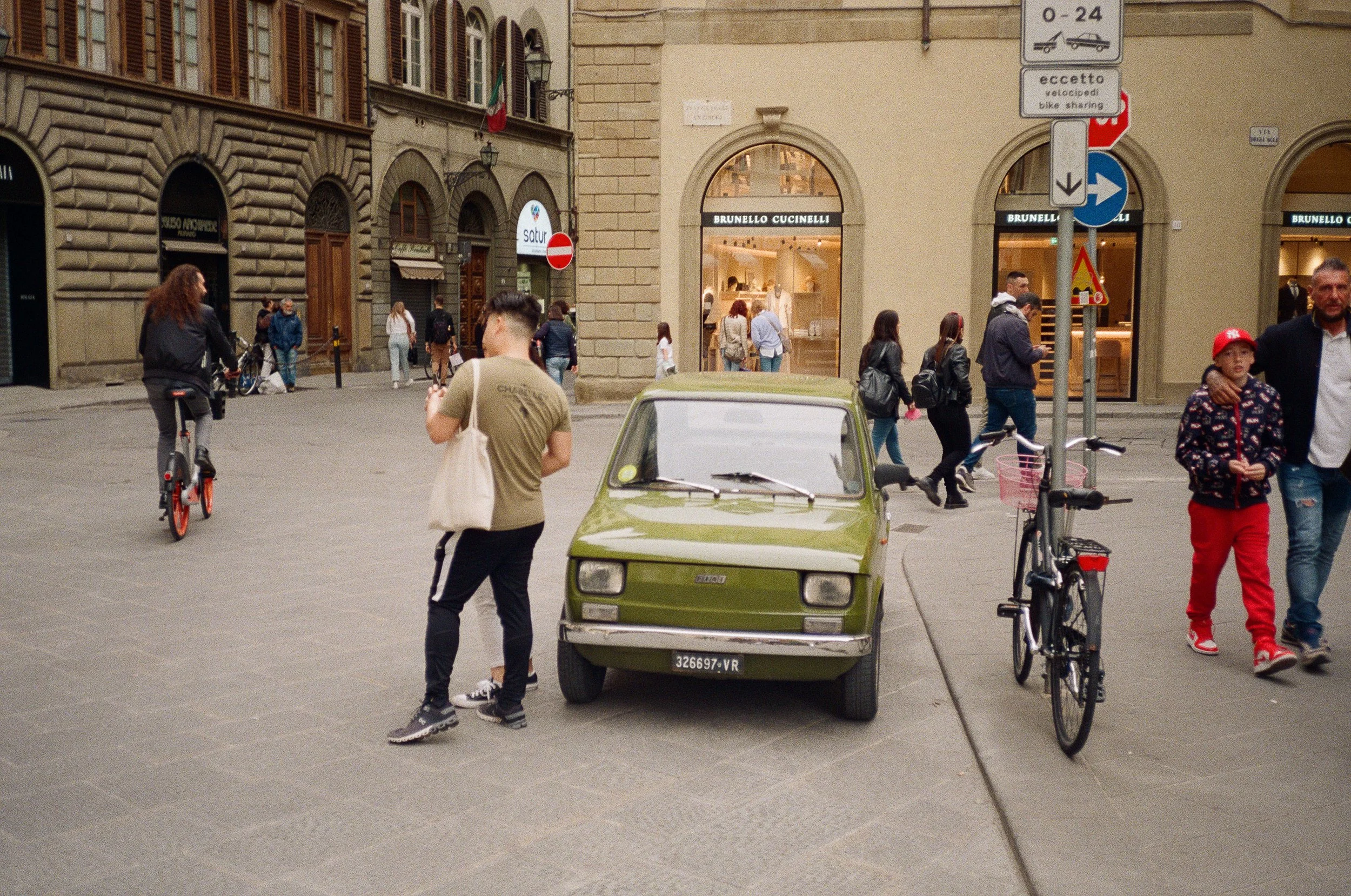
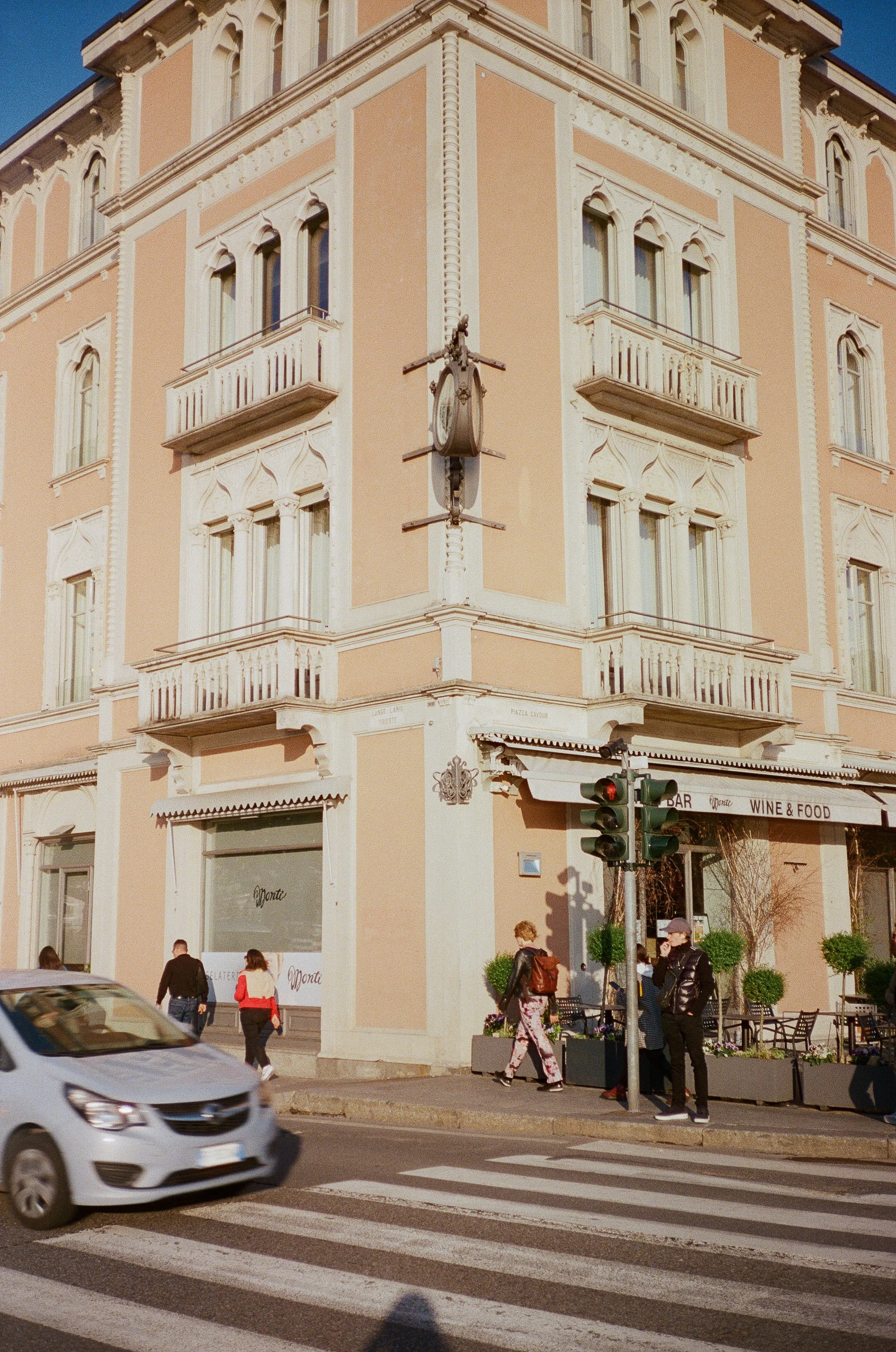
In 2022, I traveled through Italy, moving from Venice to Florence, then up to Lake Como, across to Lake Garda, and finally ending the trip in Oslo. I carried three cameras the whole way—my Leica M5, a point and shoot, Mamiya C330—fully mechanical, fully manual, forcing me to slow down and really look at what was in front of me.
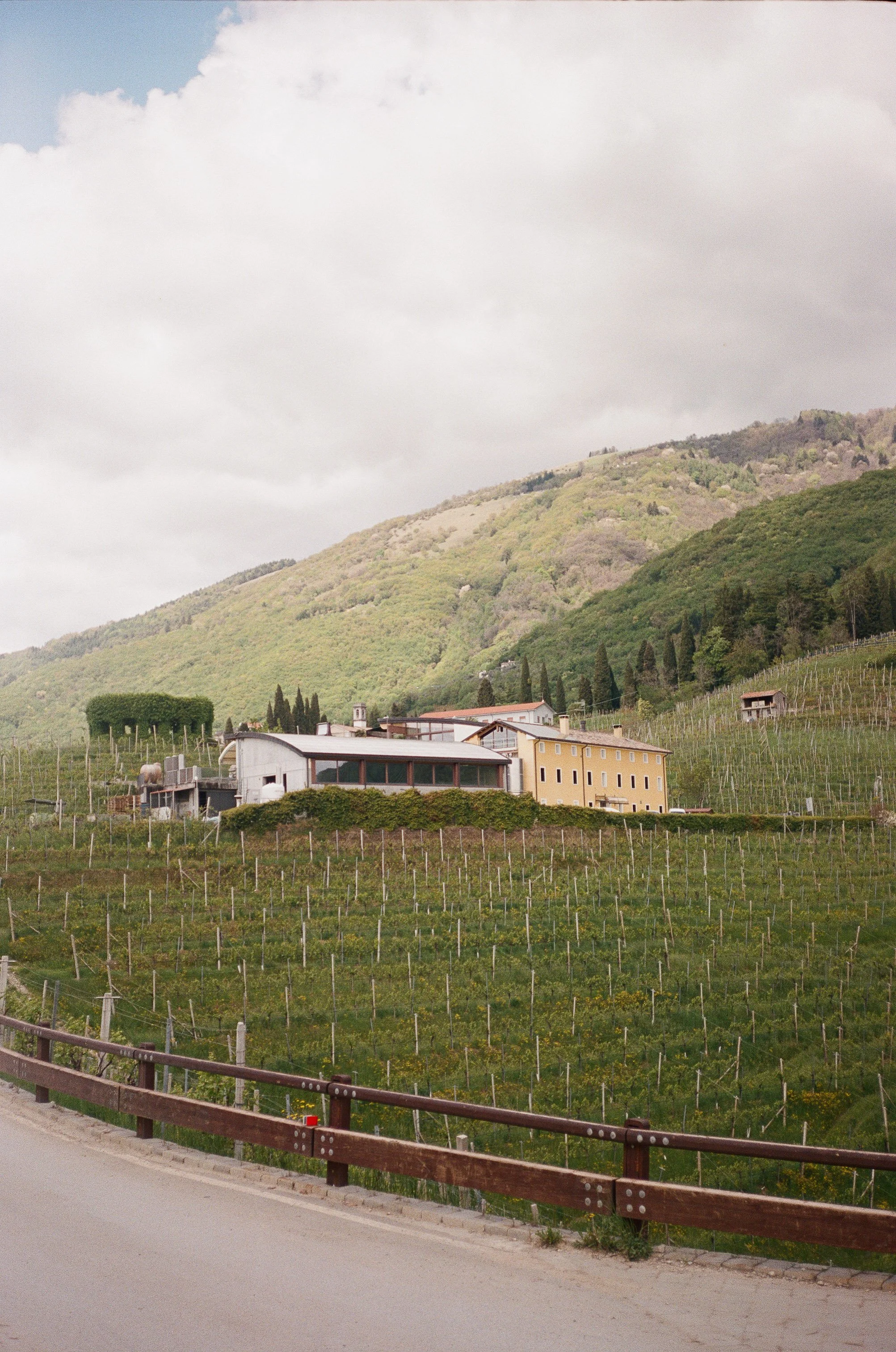
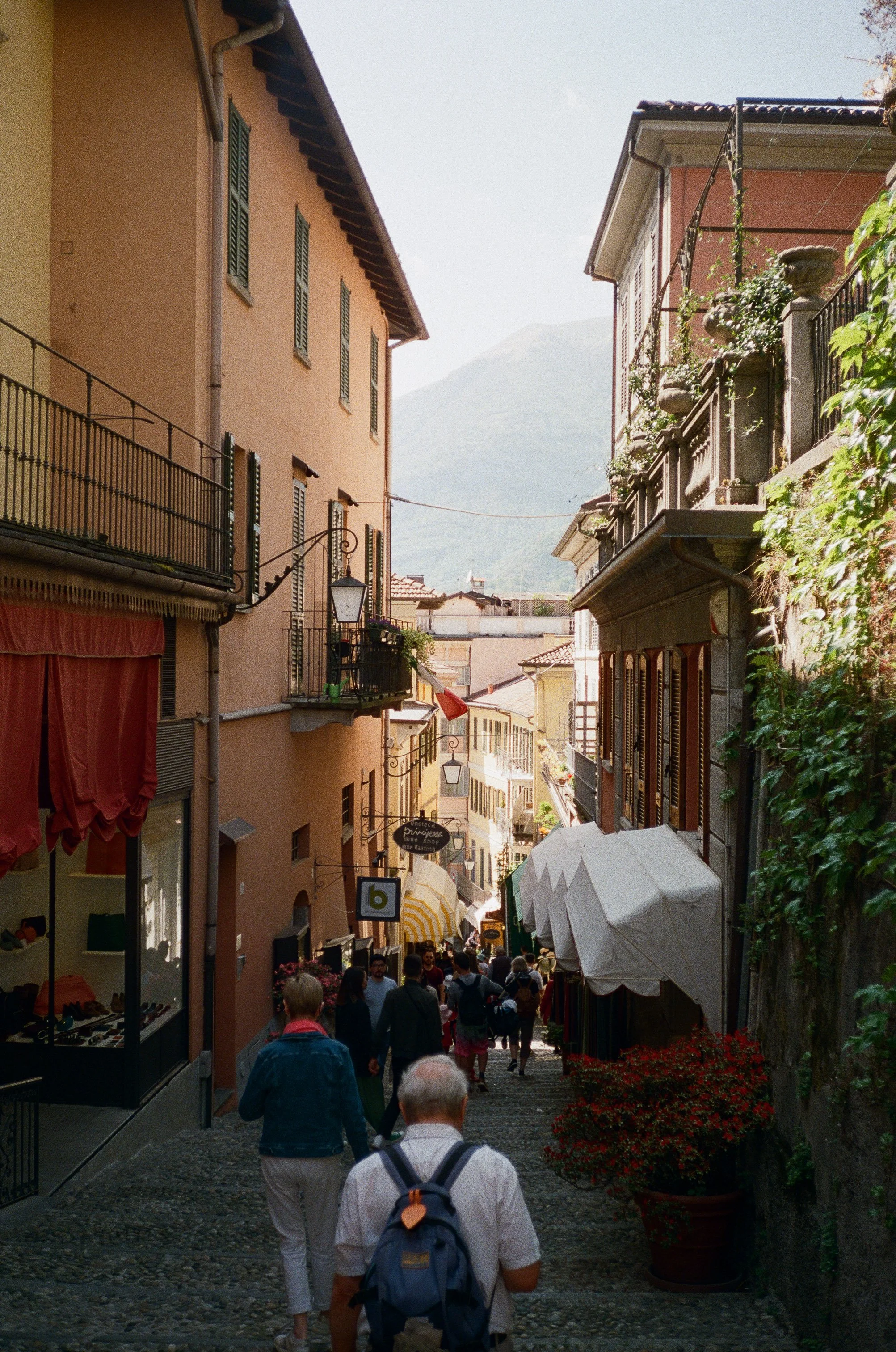
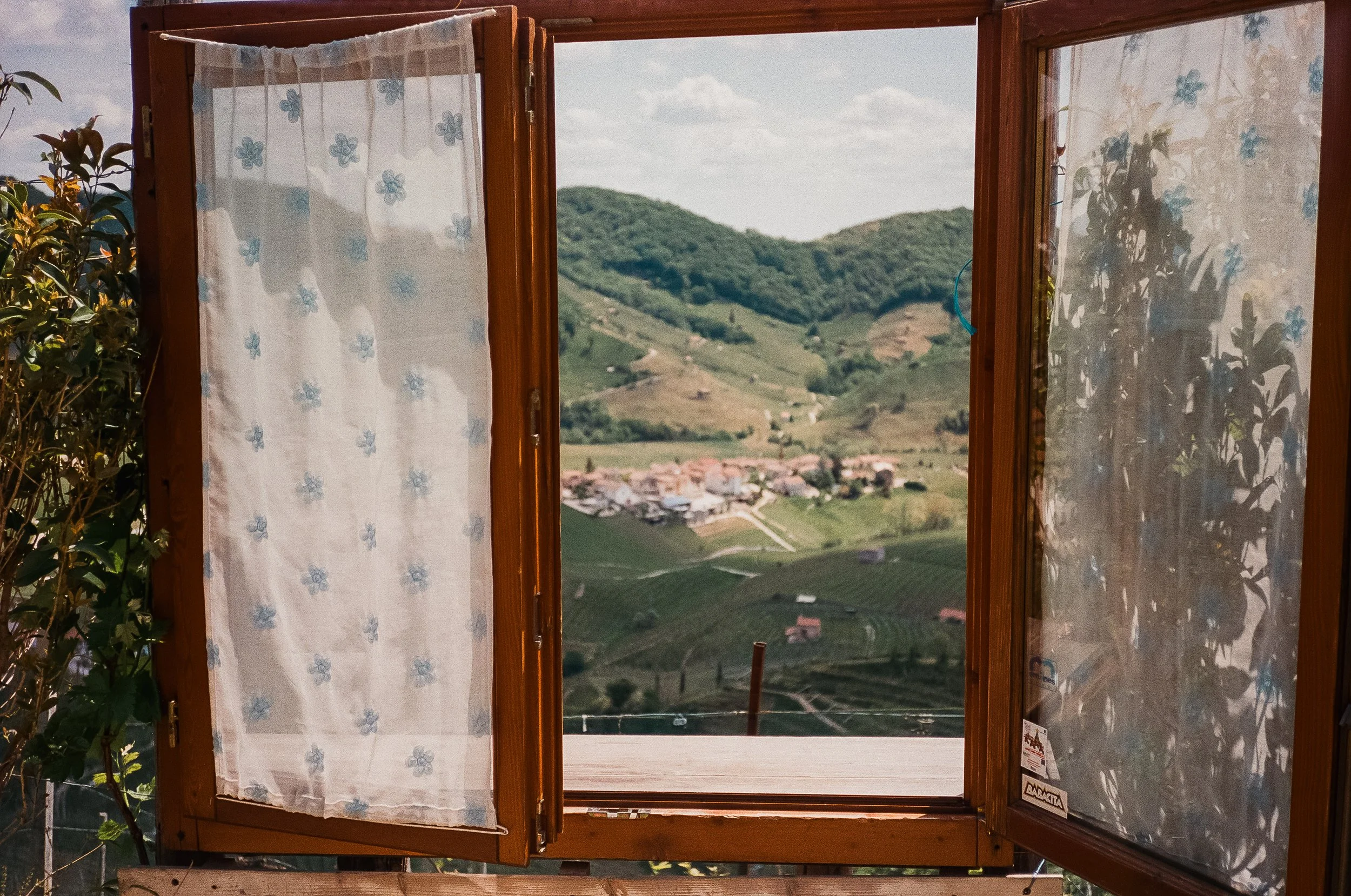
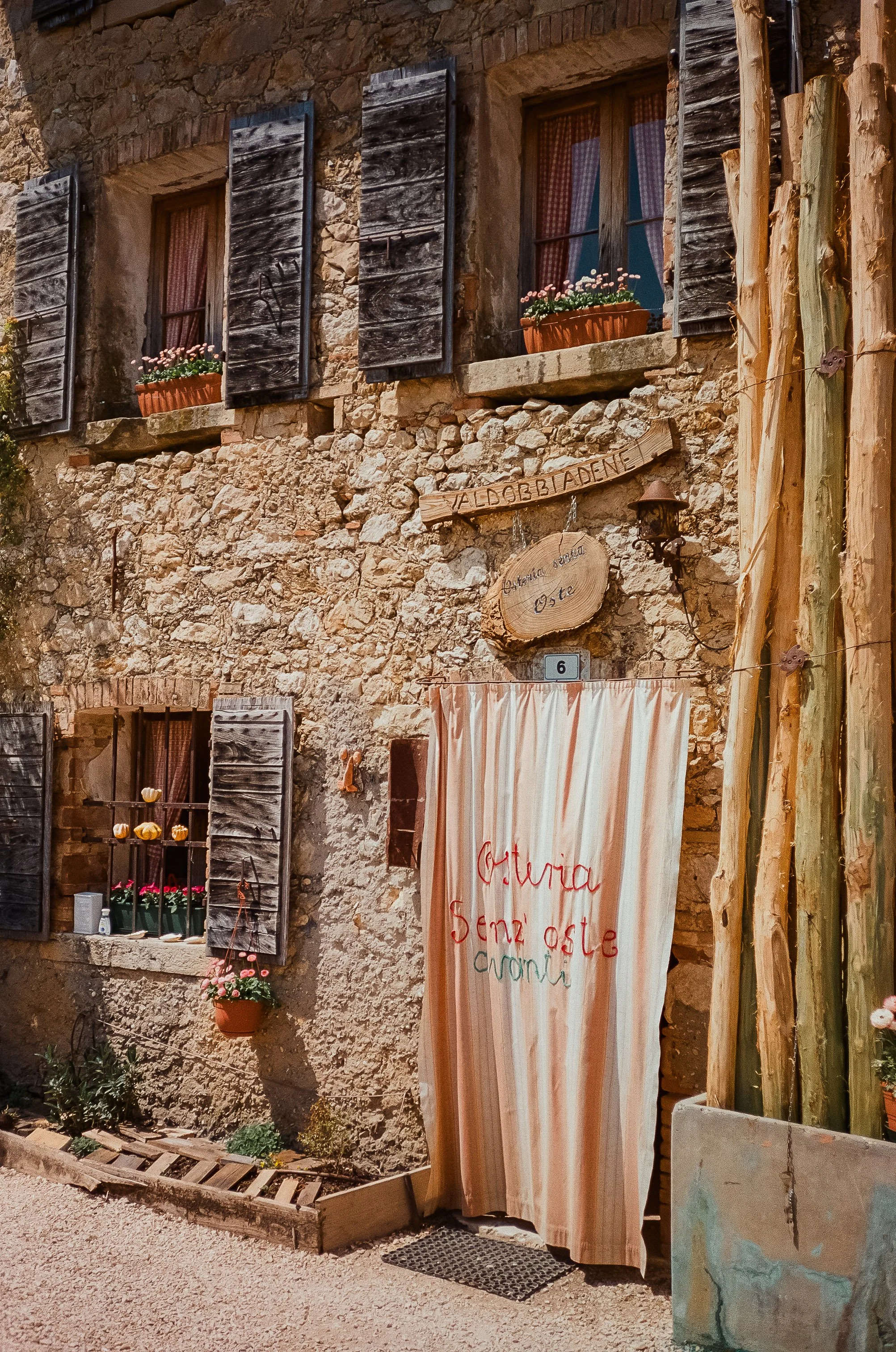
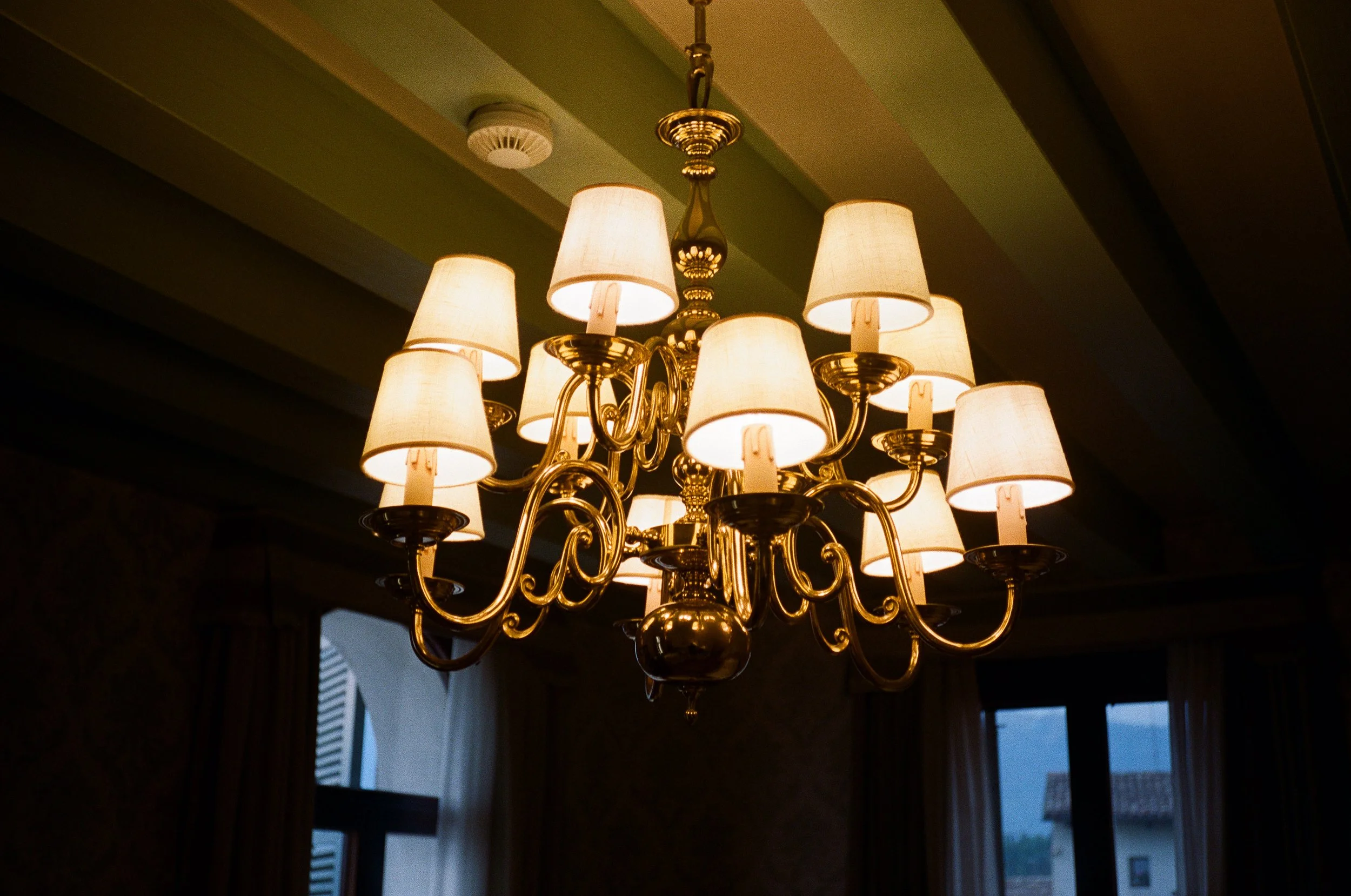
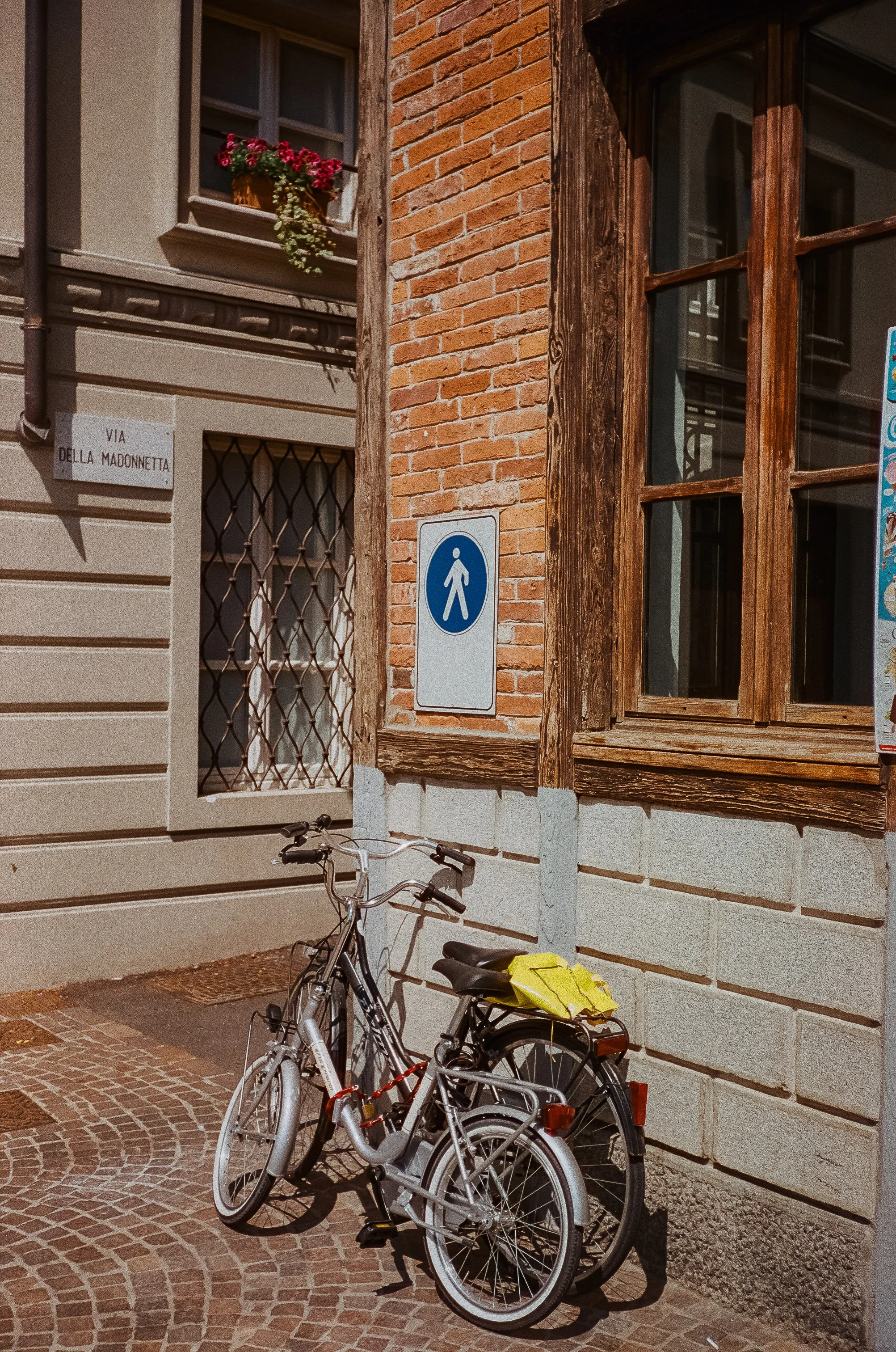
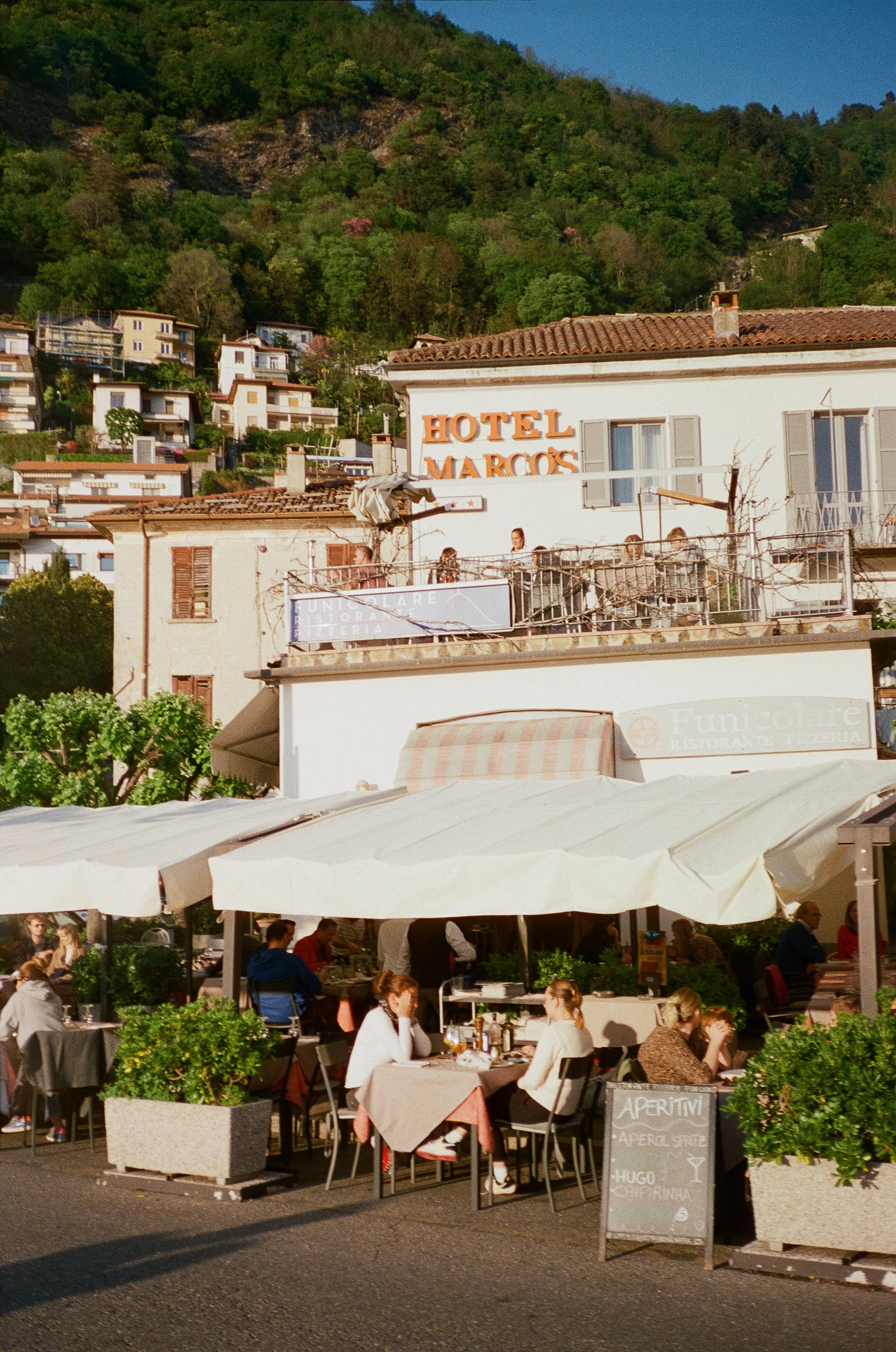
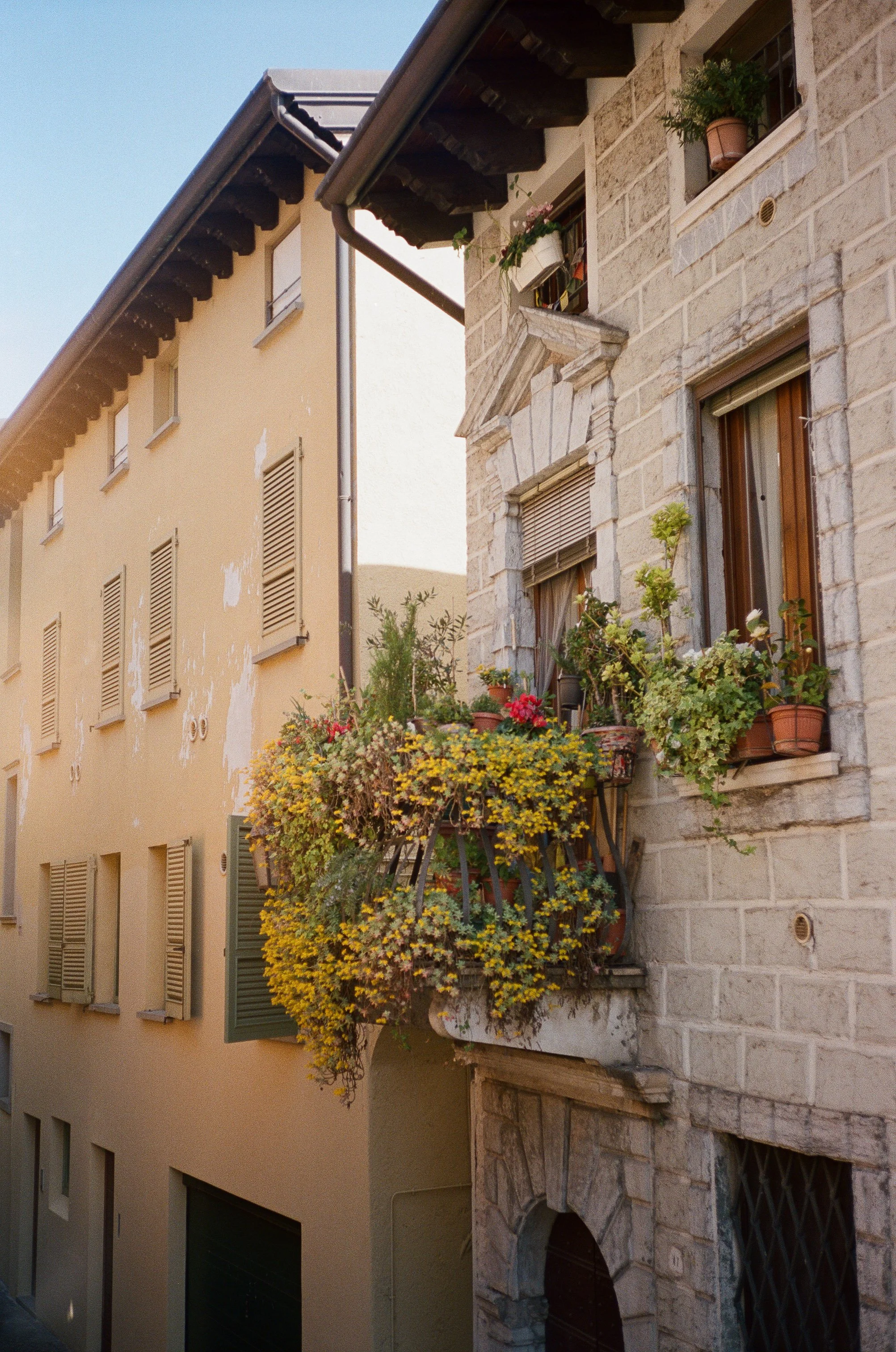
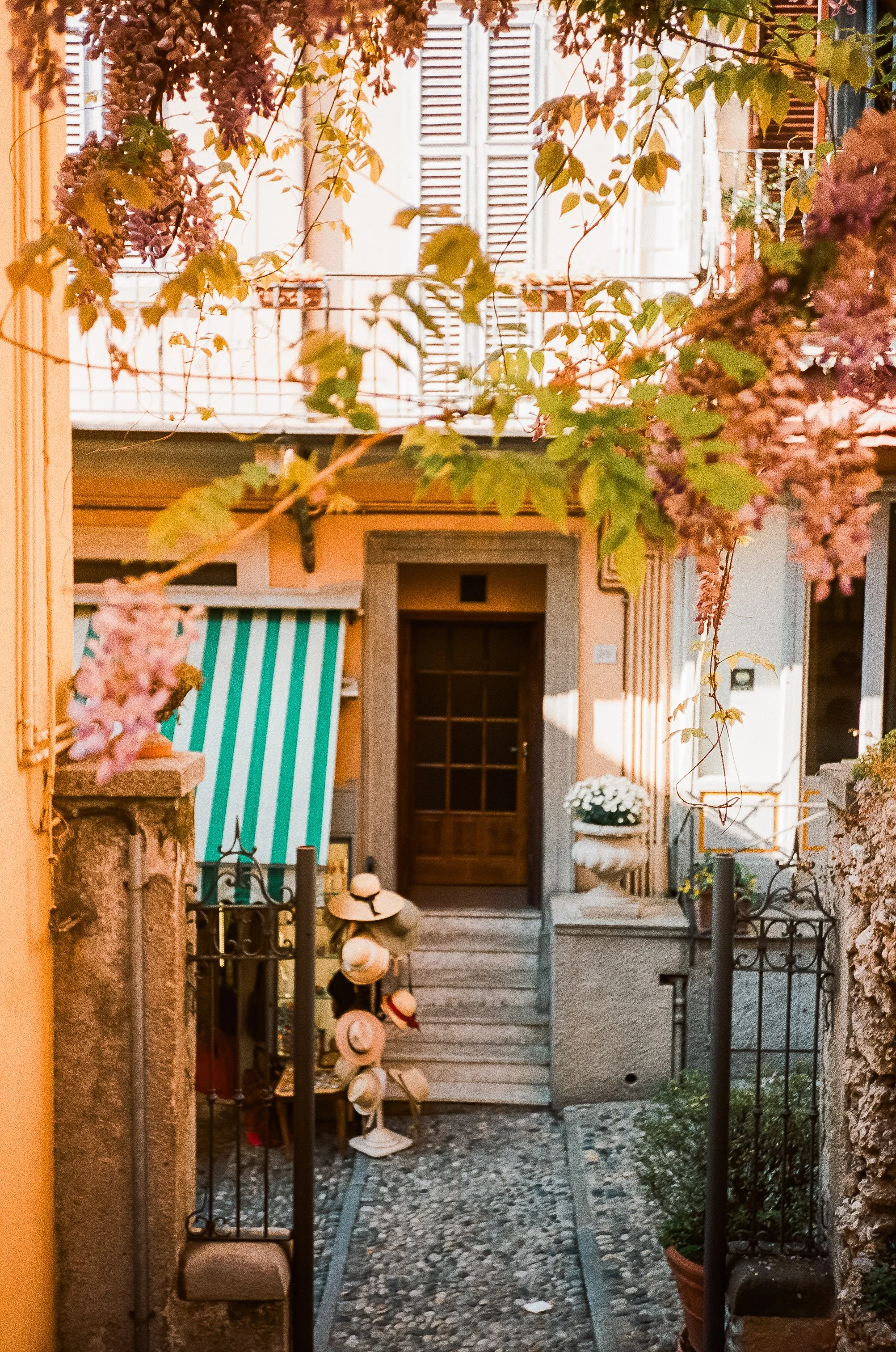
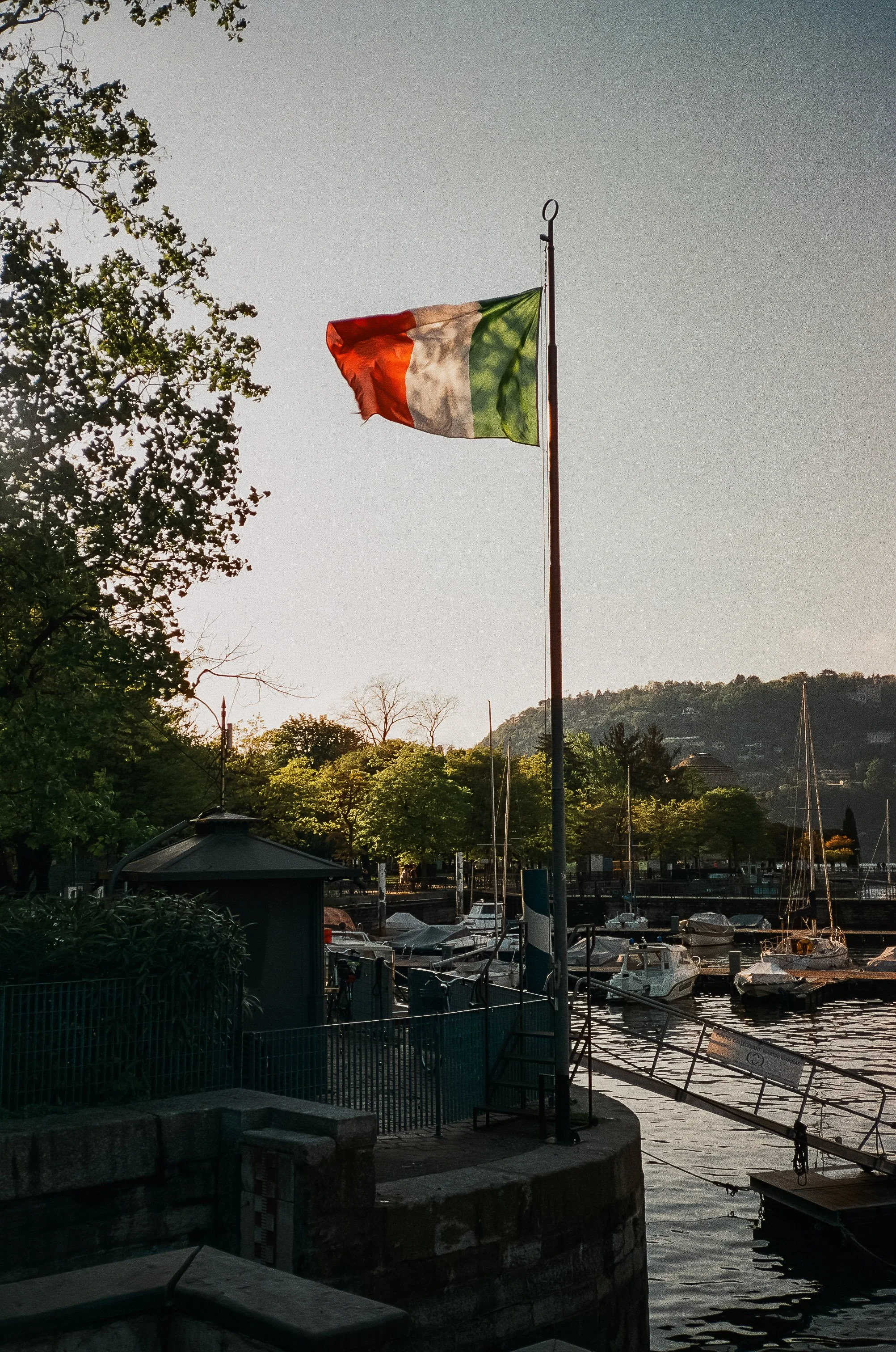
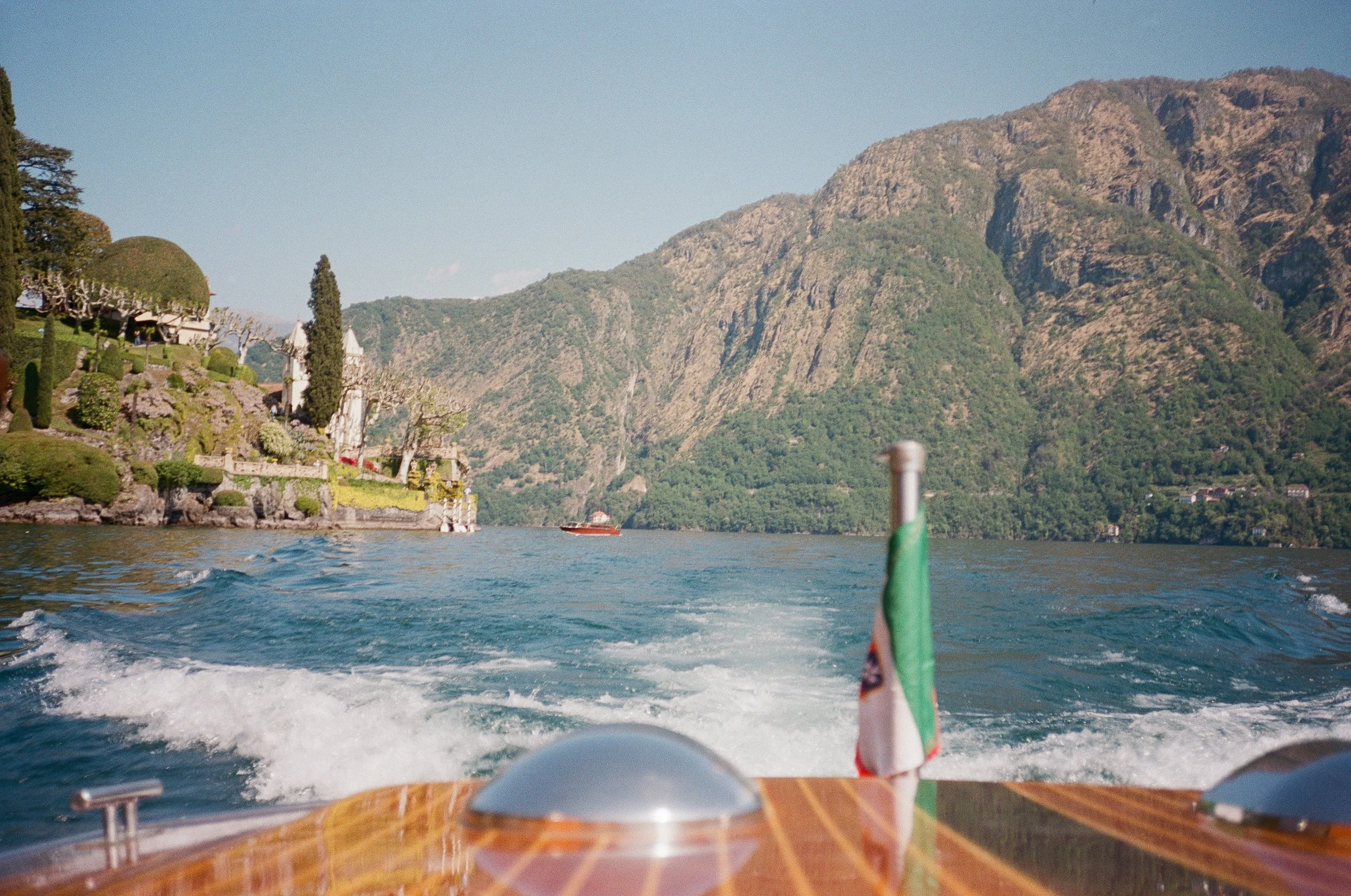
Most of the time, I shoot black and white, Kodak Tri-X 400, but this time, I let color in. Portra 800, Kodak Gold 200—both in 35mm and 120 film. I wanted to see what Italy felt like, not just in shadows and light, but in the warmth of its streets, the way the sun hits those old buildings, the deep greens and blues of the water.
This was a different way of seeing.
Venice doesn’t sit still. It moves with the water, and you move with it.
No cars. No honking horns. Just boats and the sound of footsteps on stone. The first thing I noticed was the light—soft, bouncing off the canals, filtering through alleys, reflecting on faces. It’s a place that almost feels like it shouldn’t exist, but somehow, it does.
I reached for Tri-X 400 here. Black and white felt right for a place this timeless. I wanted to strip everything down to light and texture—to the ripples in the canal, the worn-down steps leading into the water, the people weaving through the city like it’s second nature.
But Venice at dusk? That’s when Portra 800 came in. The deep blues, the warm glow of lanterns flickering off the water—some moments just needed color.
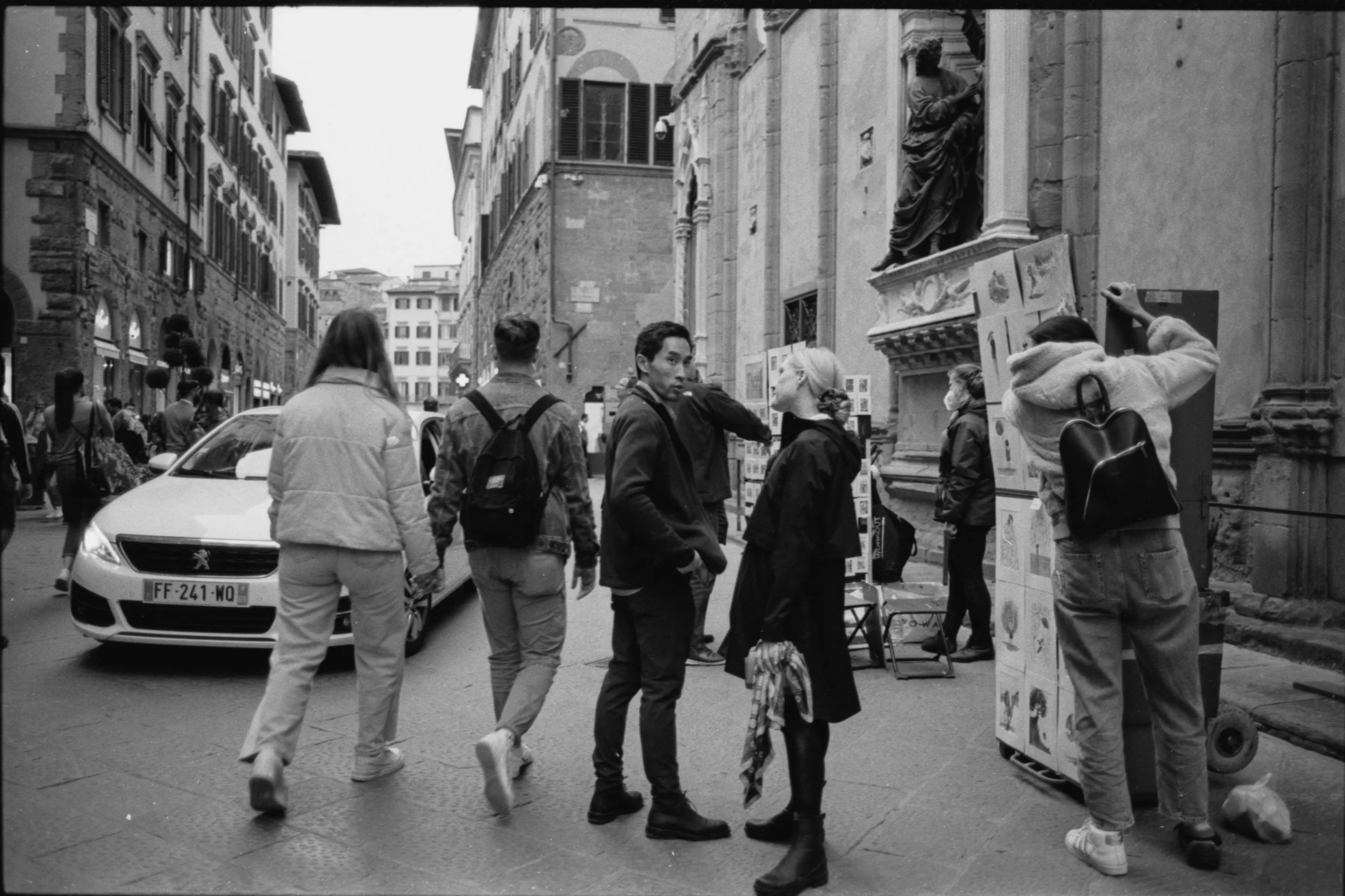
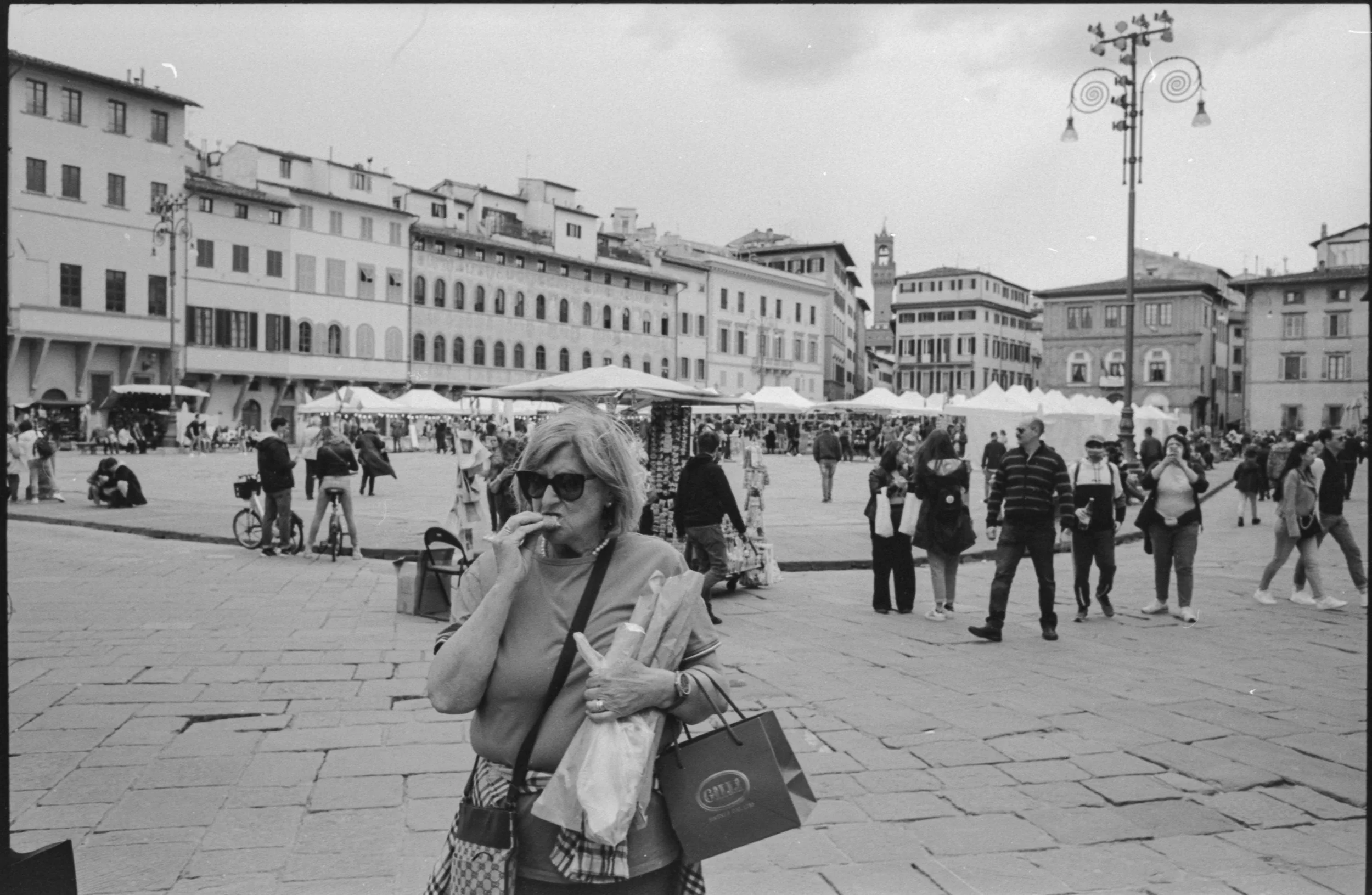
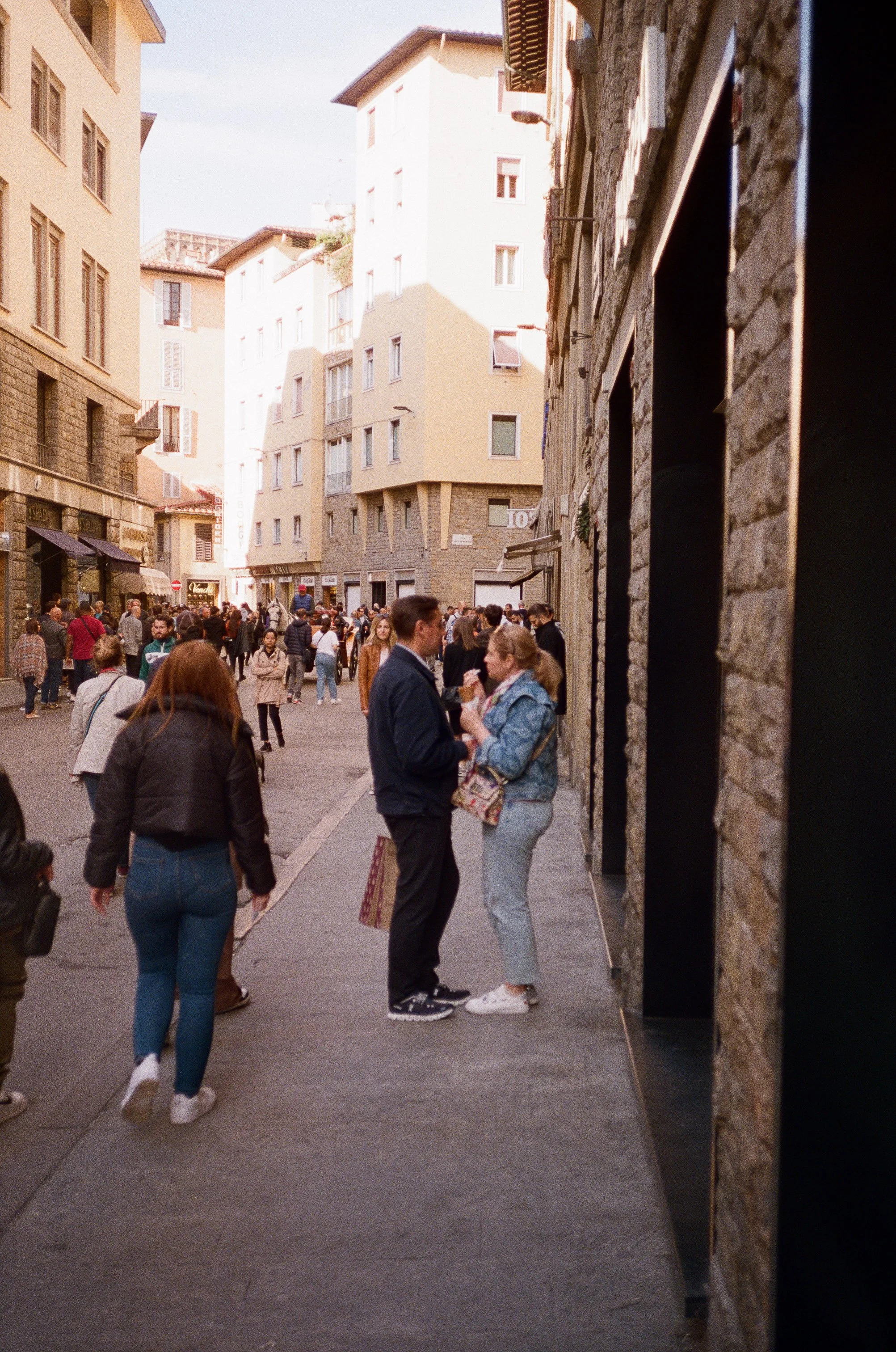
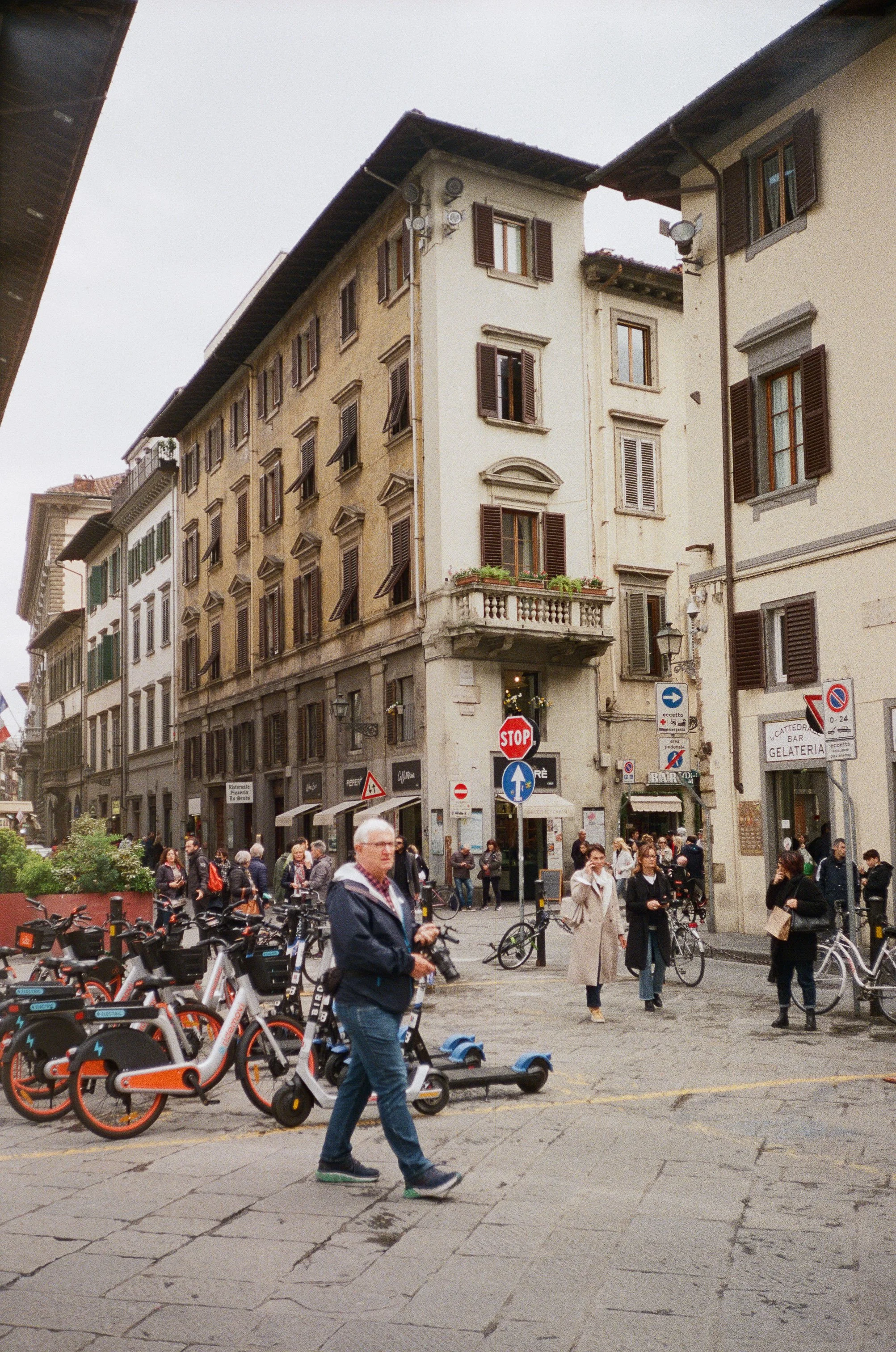
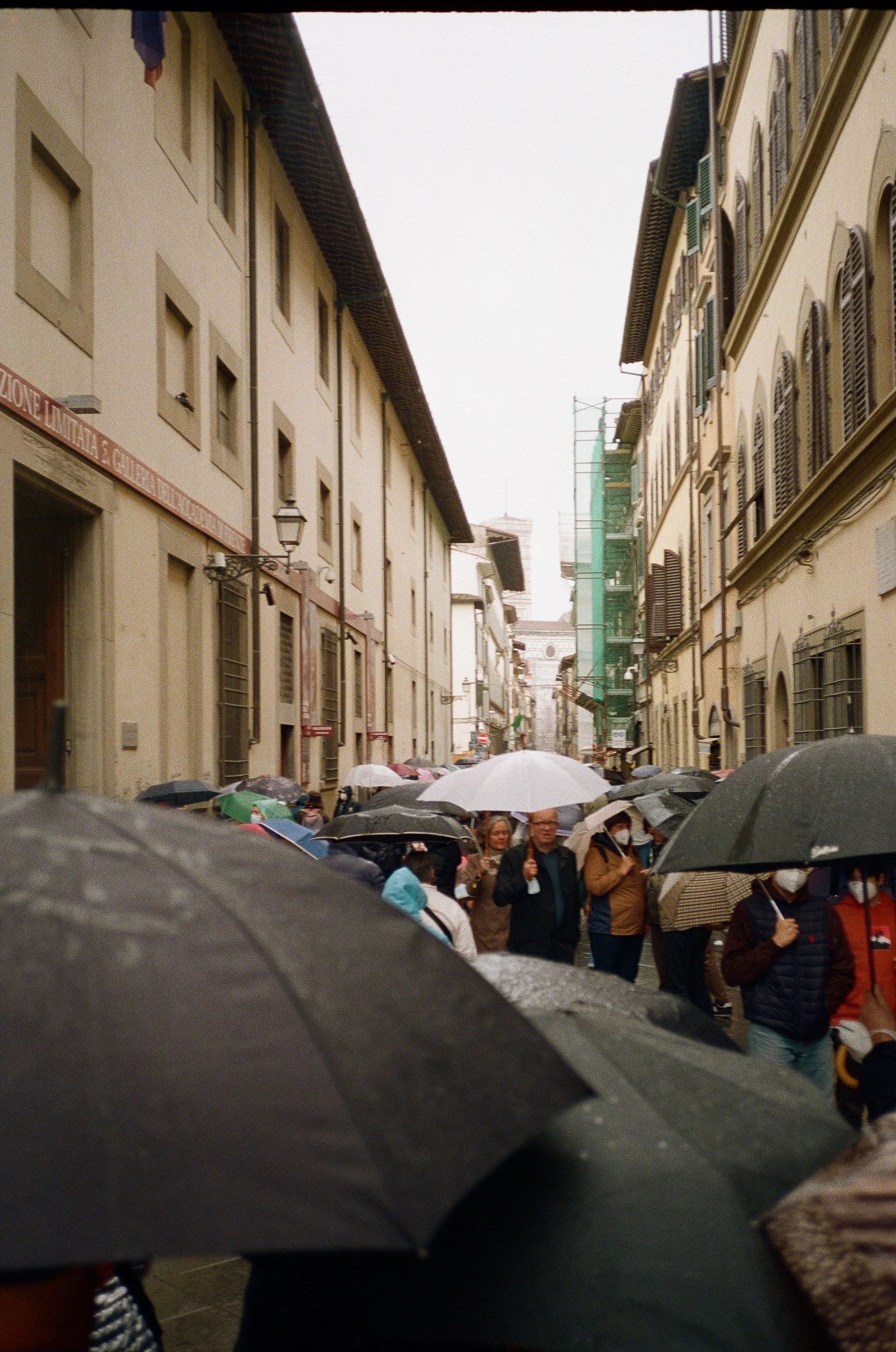
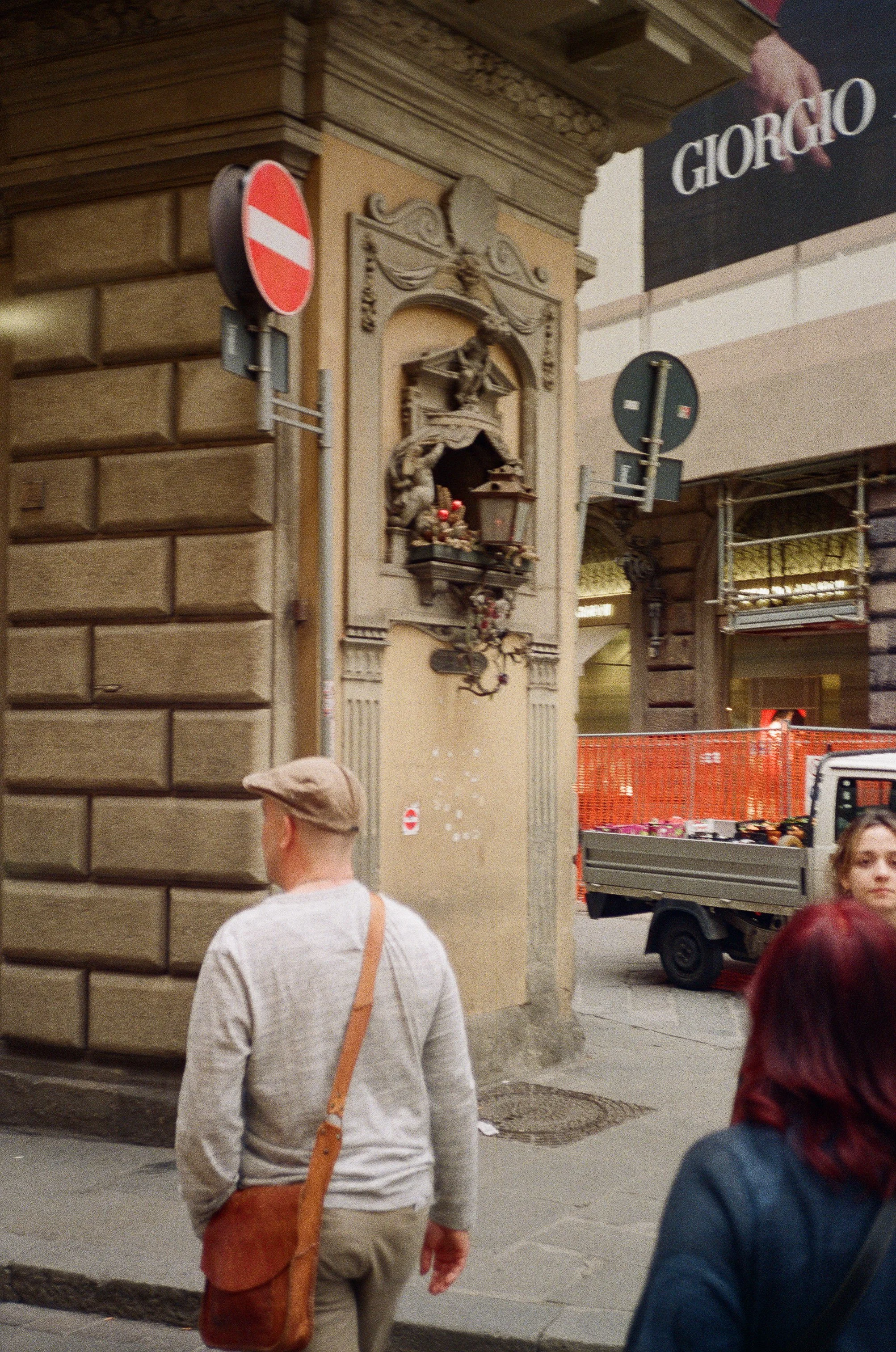
Florence felt different. More grounded, more permanent. The city moves at its own pace, and I followed.
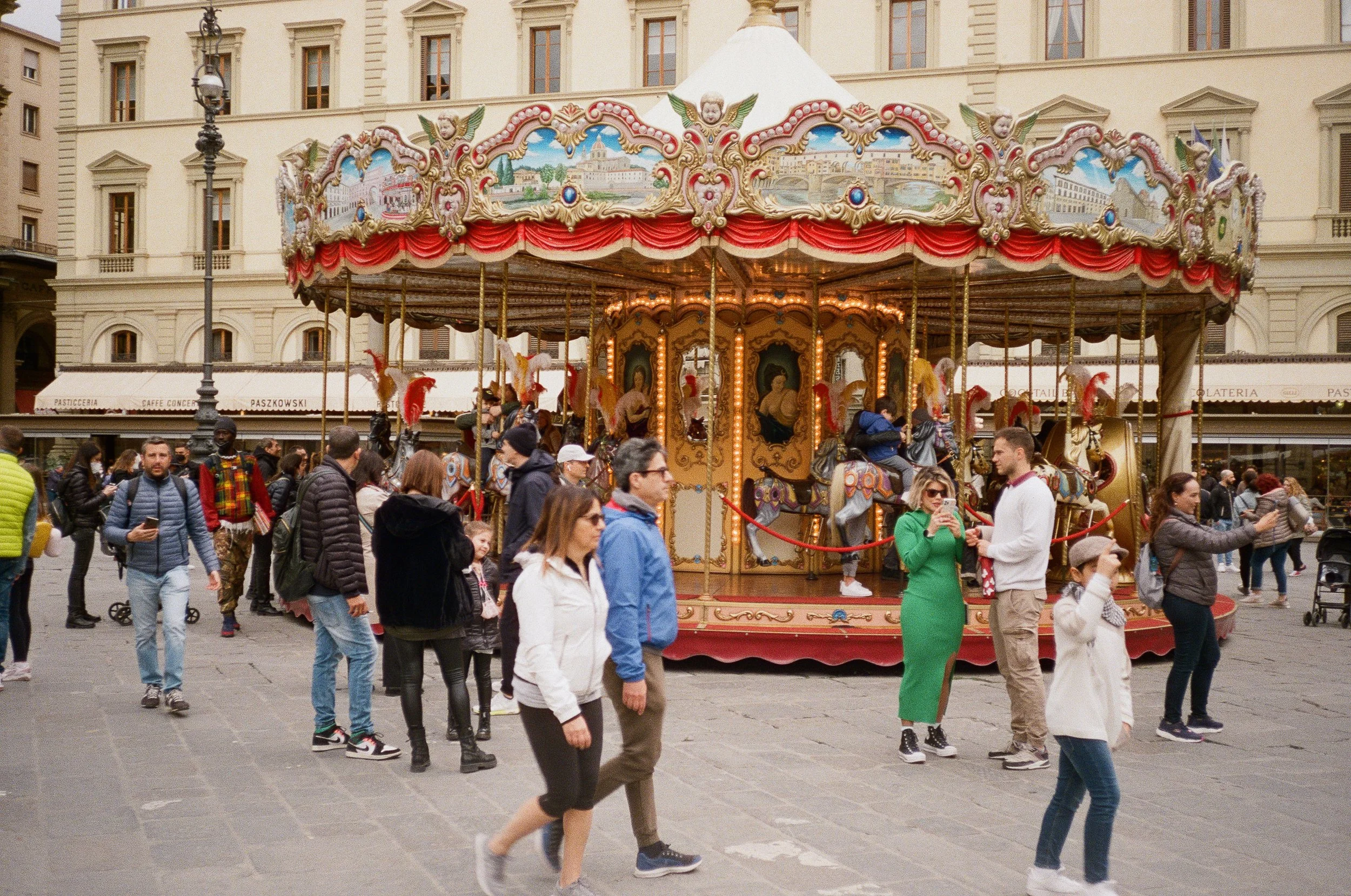
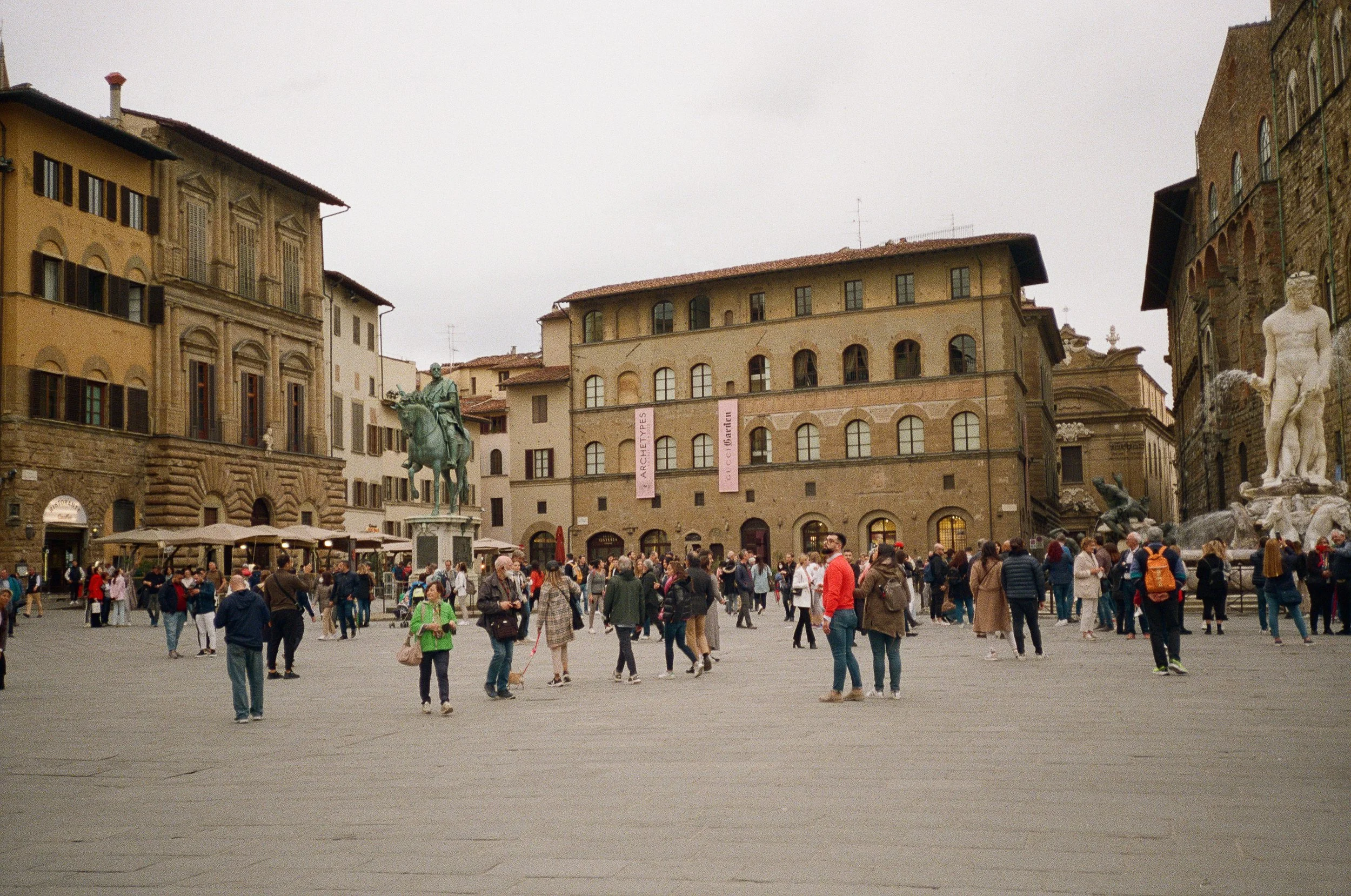
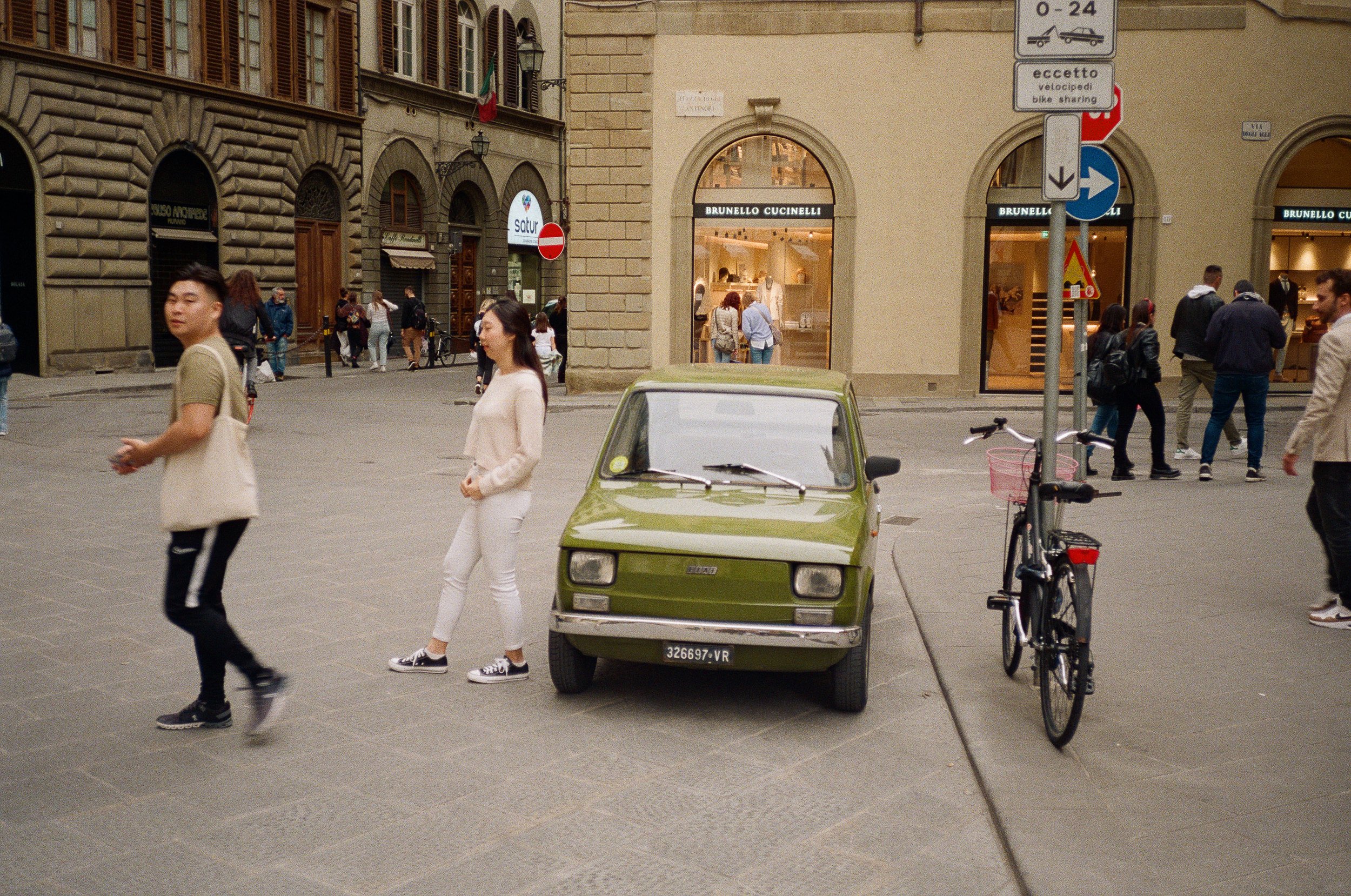
Walking through Florence is like walking through history. The statues, the cathedrals, the narrow streets that suddenly open into wide piazzas—it all feels intentional, like it was designed to be seen and remembered. The way the sunlight carves through the alleys made me reach for the Mamiya C330. Medium format forces you to slow down, to take in a place fully before pressing the shutter.
I shot a mix here. Tri-X 400 for the contrast, for the way it makes everything feel classic, almost eternal. But when the late afternoon sun hit, I loaded Kodak Gold 200. Florence is warm—not just in temperature, but in color, in feel. Gold 200 pulled out those rich, earthy tones, the warm stone, the soft light bouncing off centuries-old buildings.
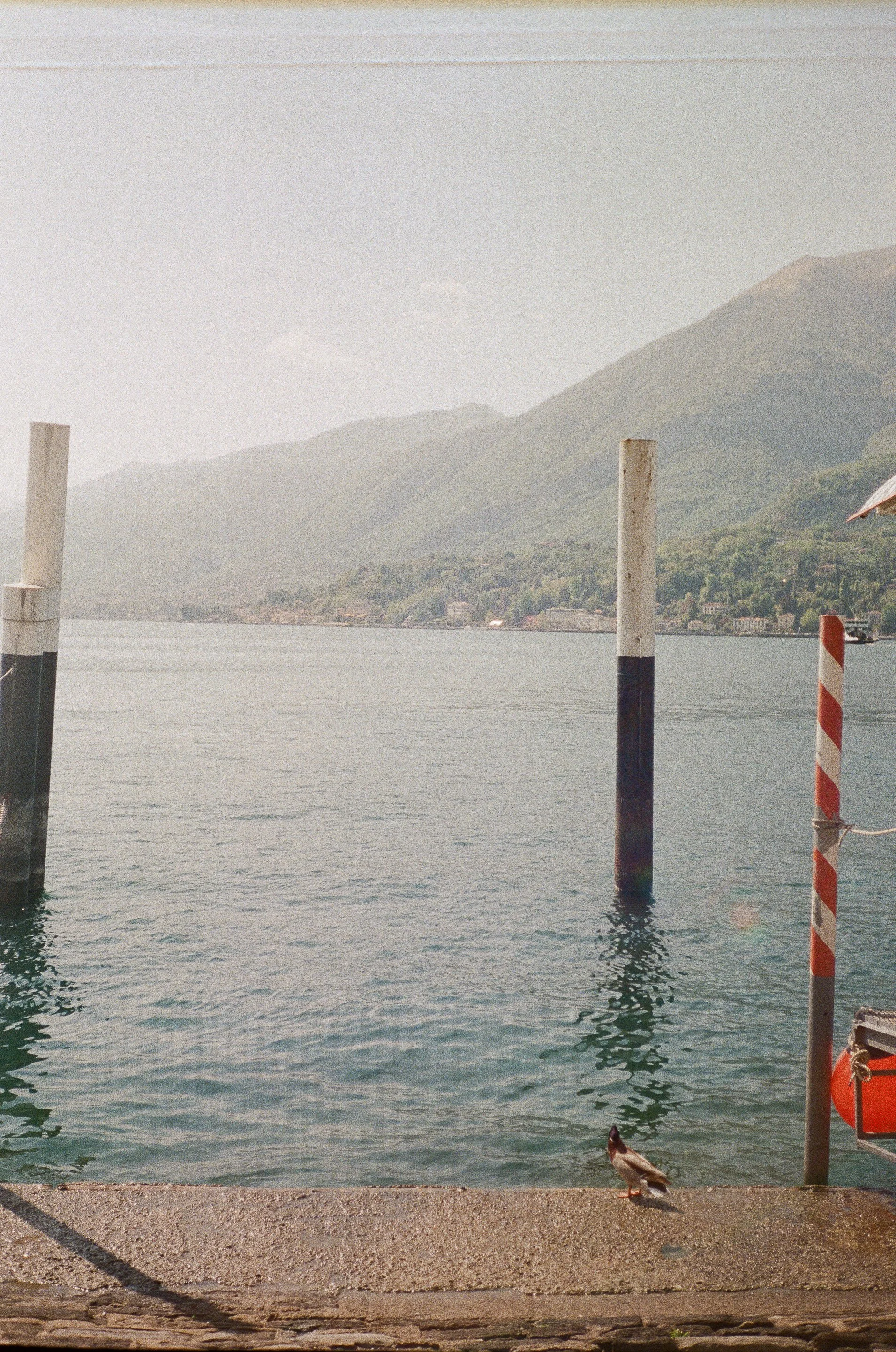
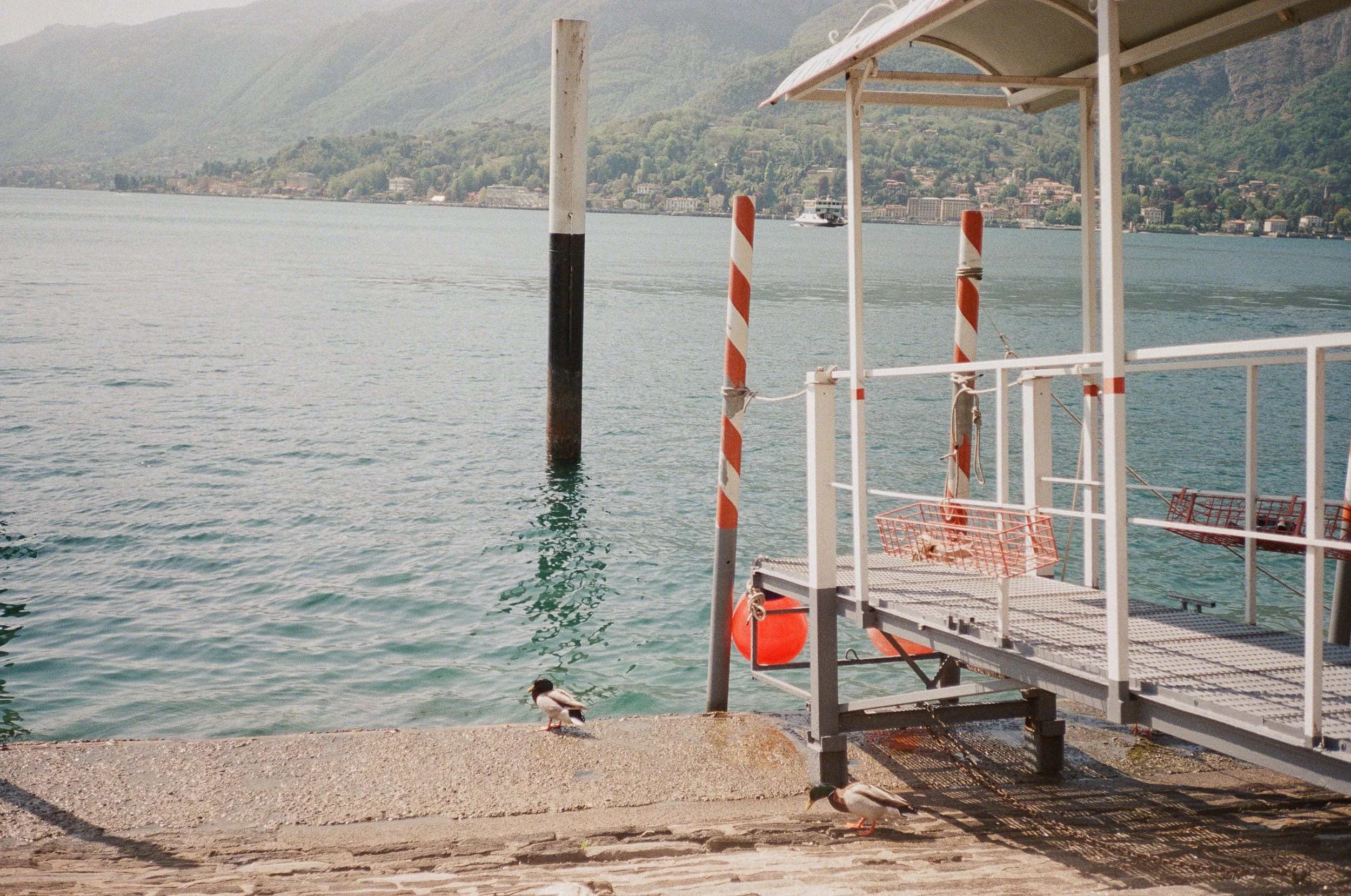
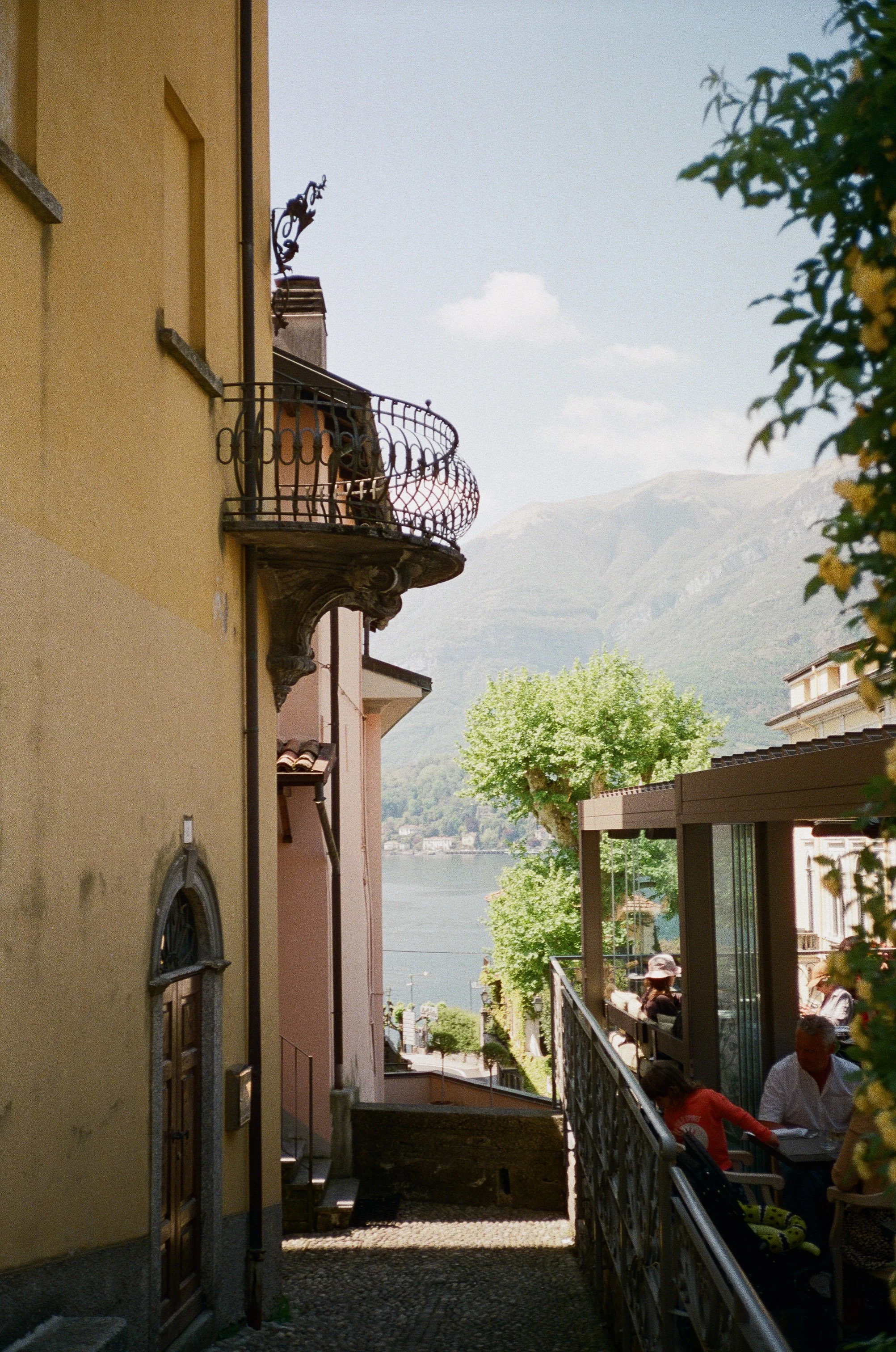
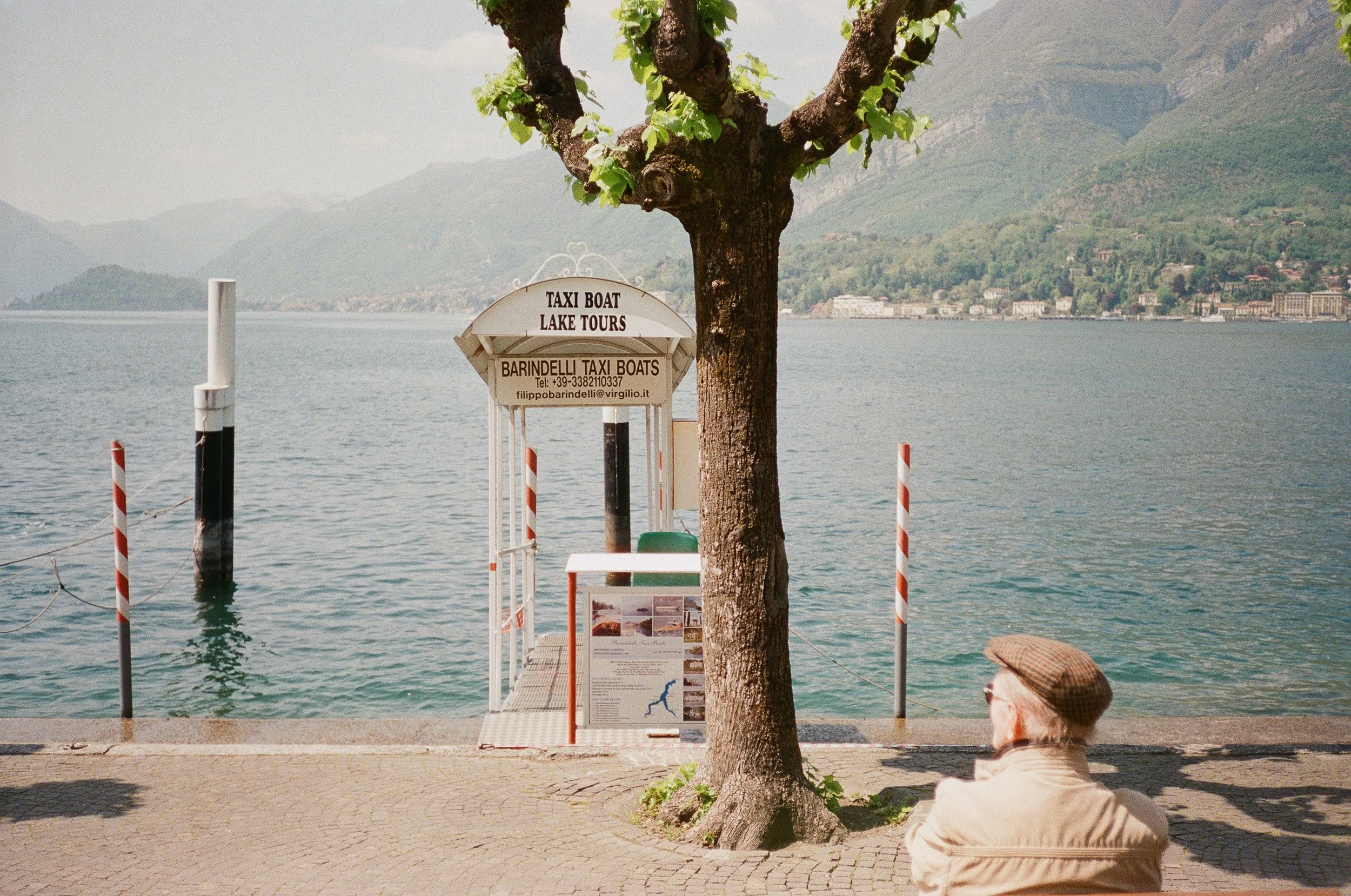
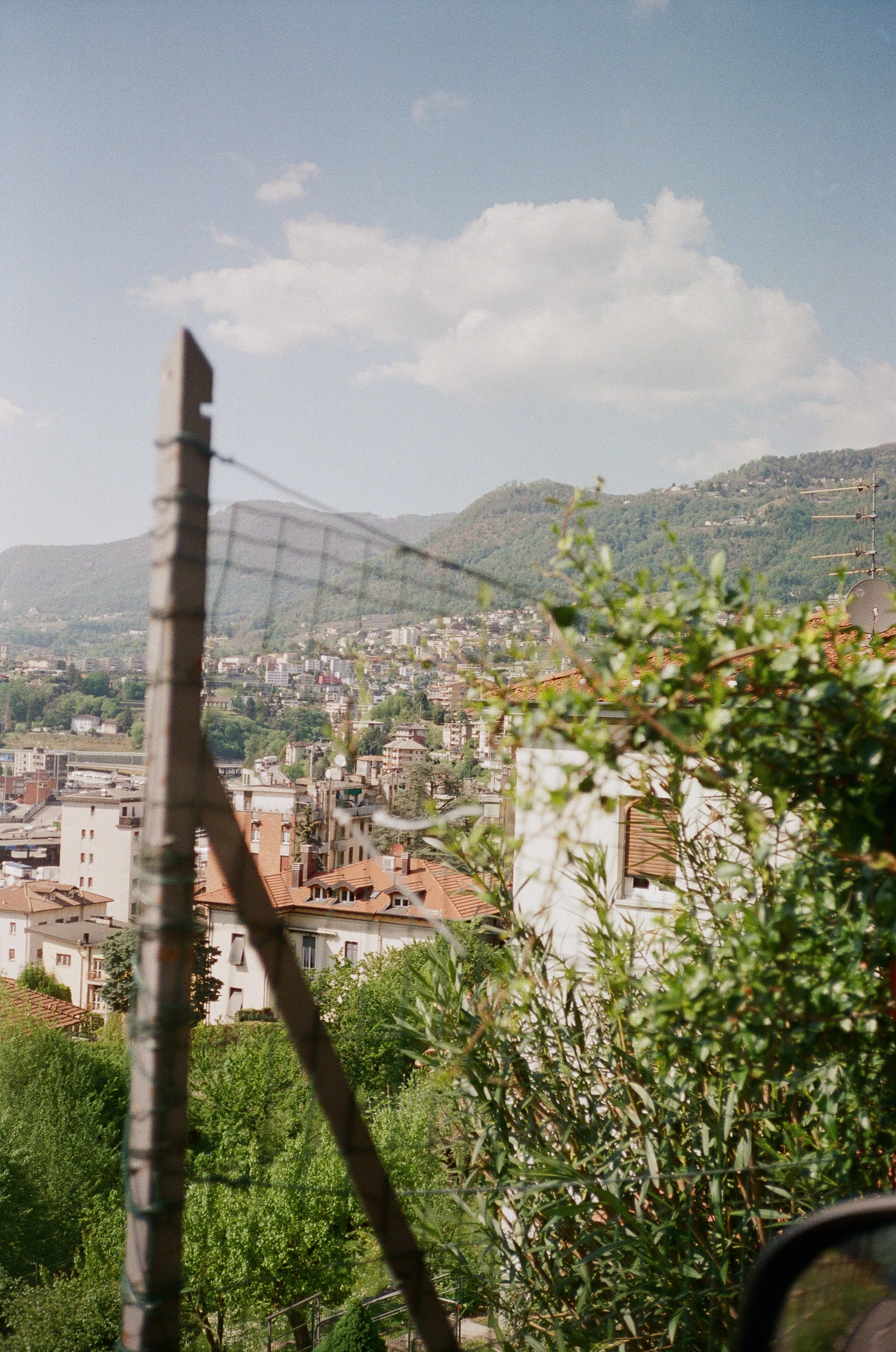
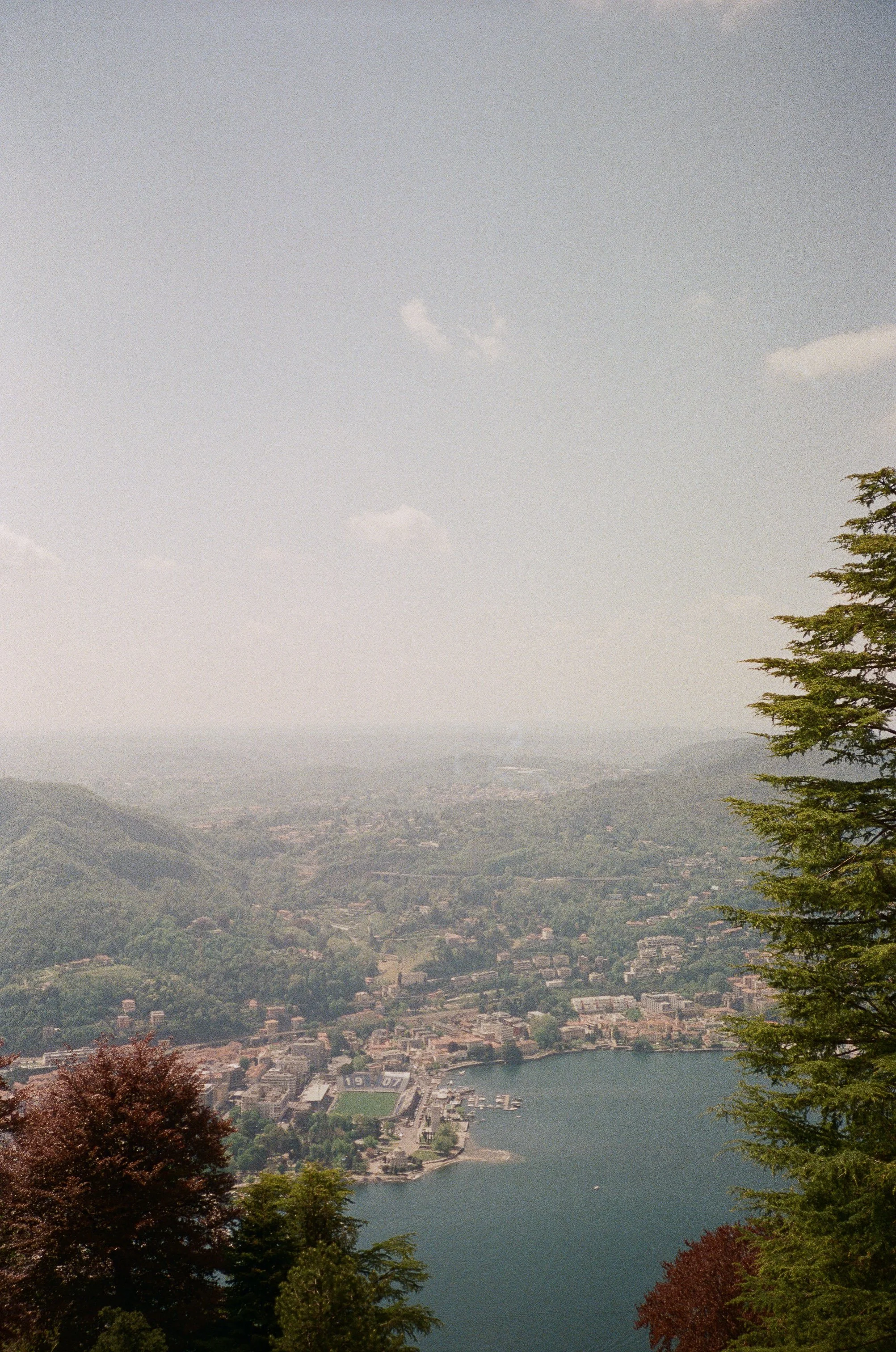
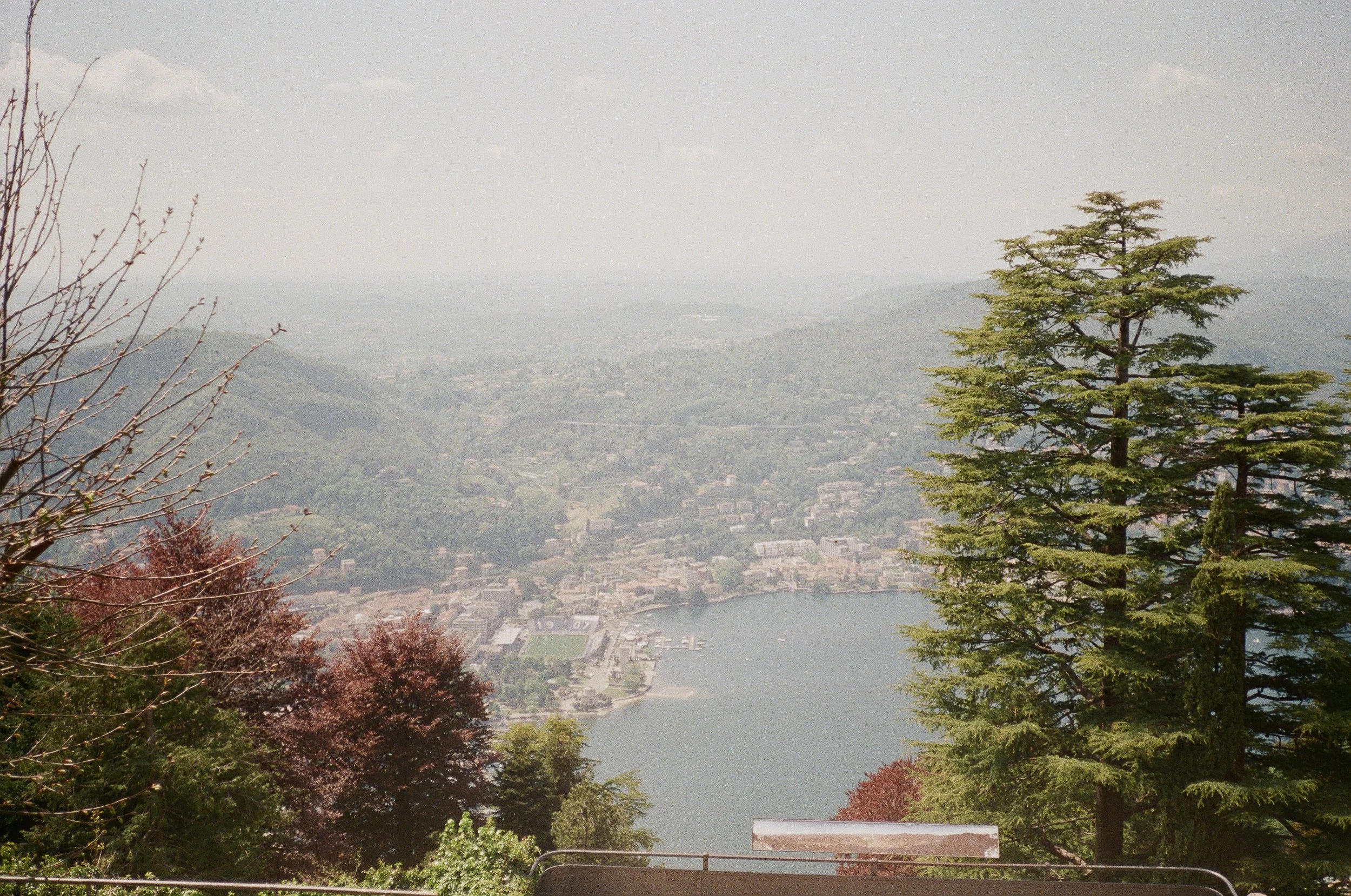
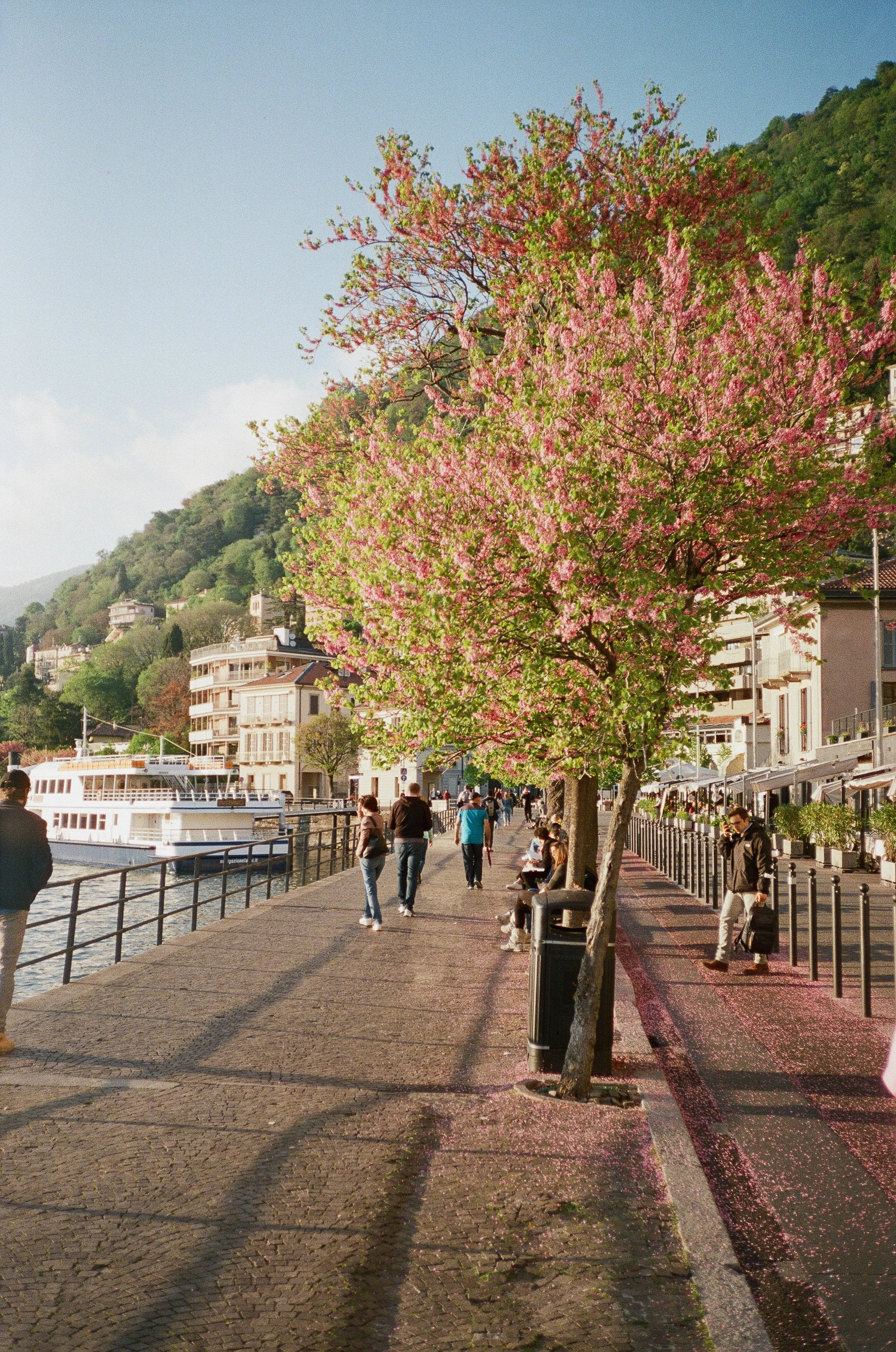
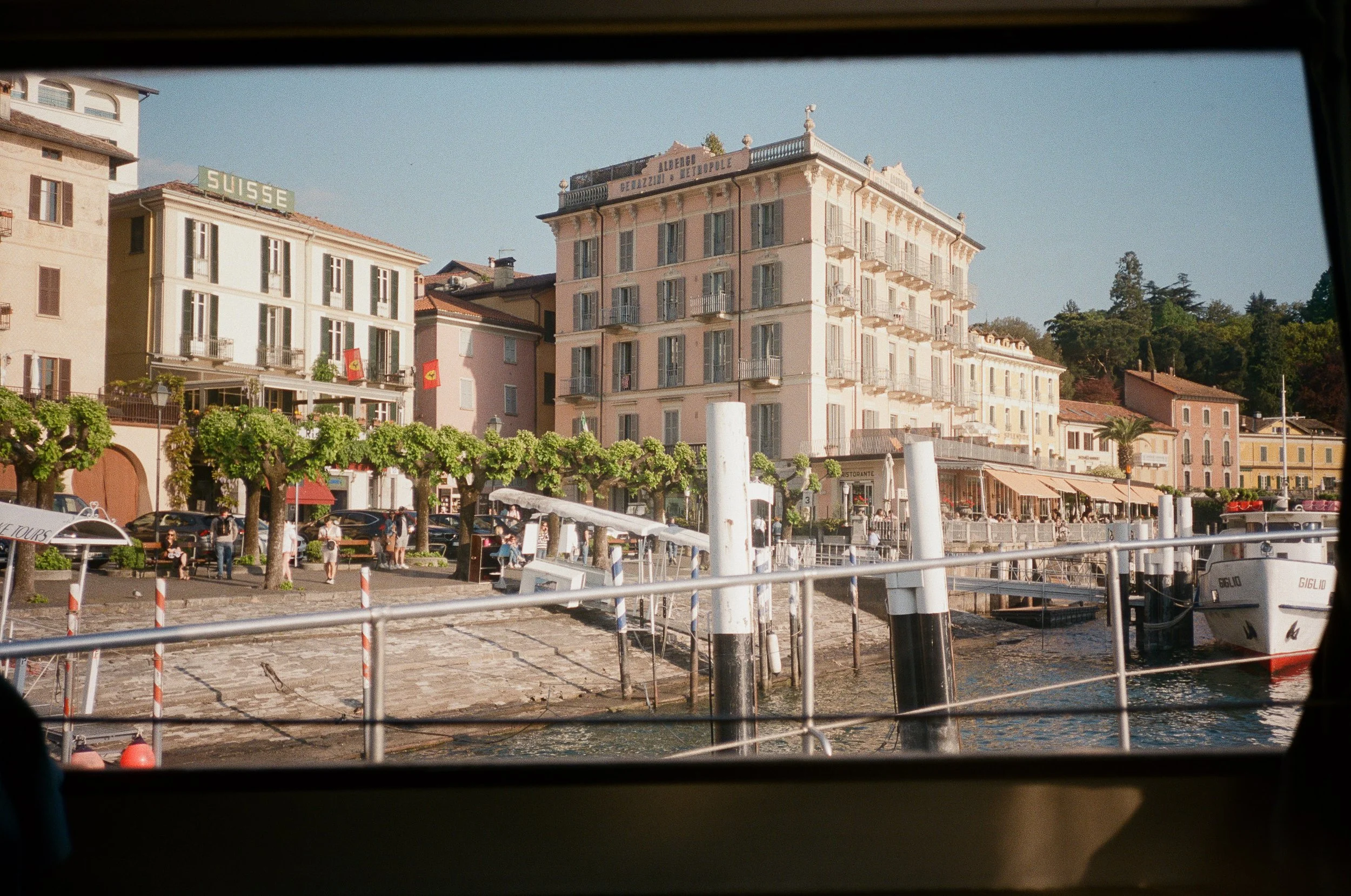
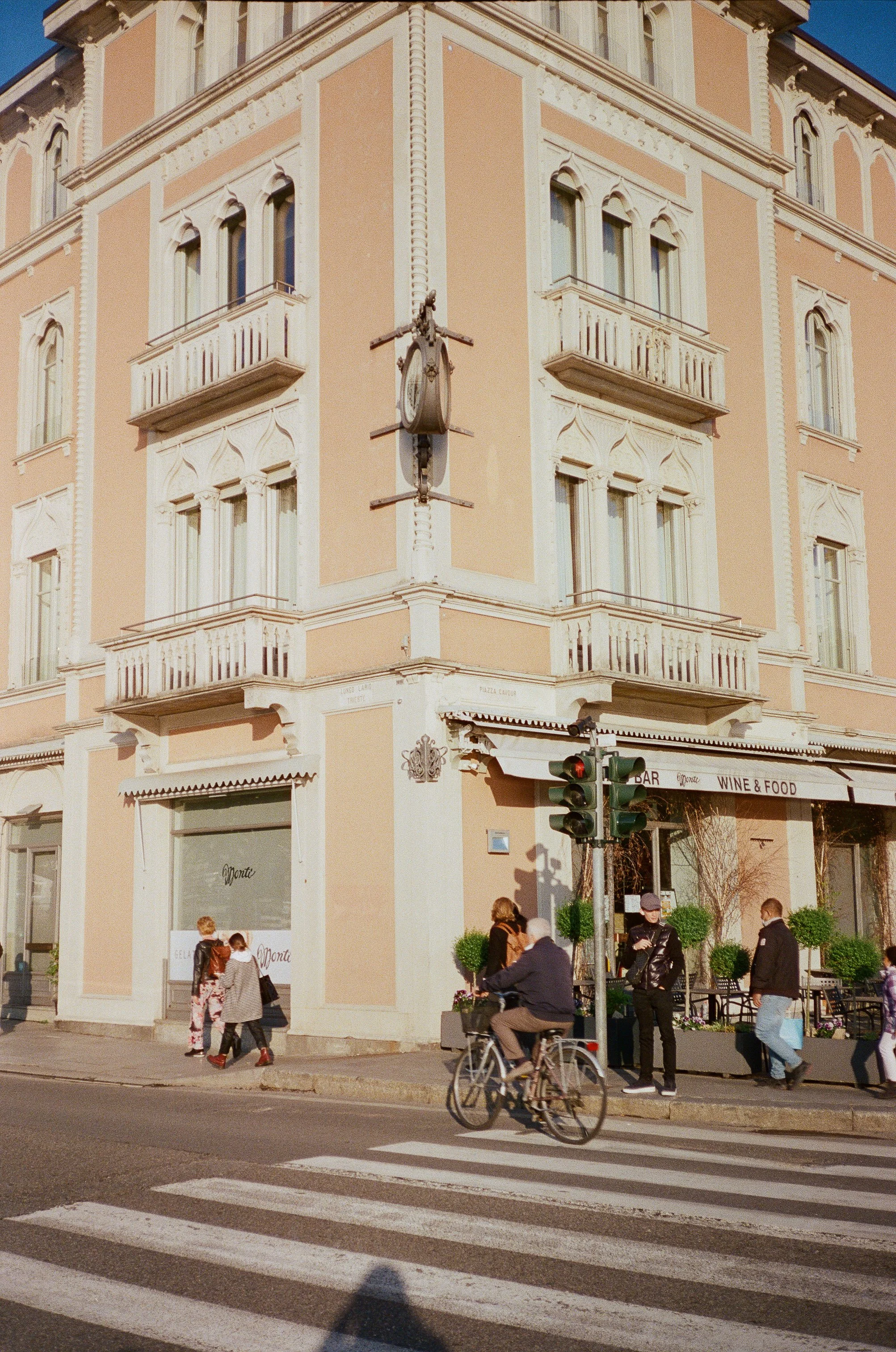
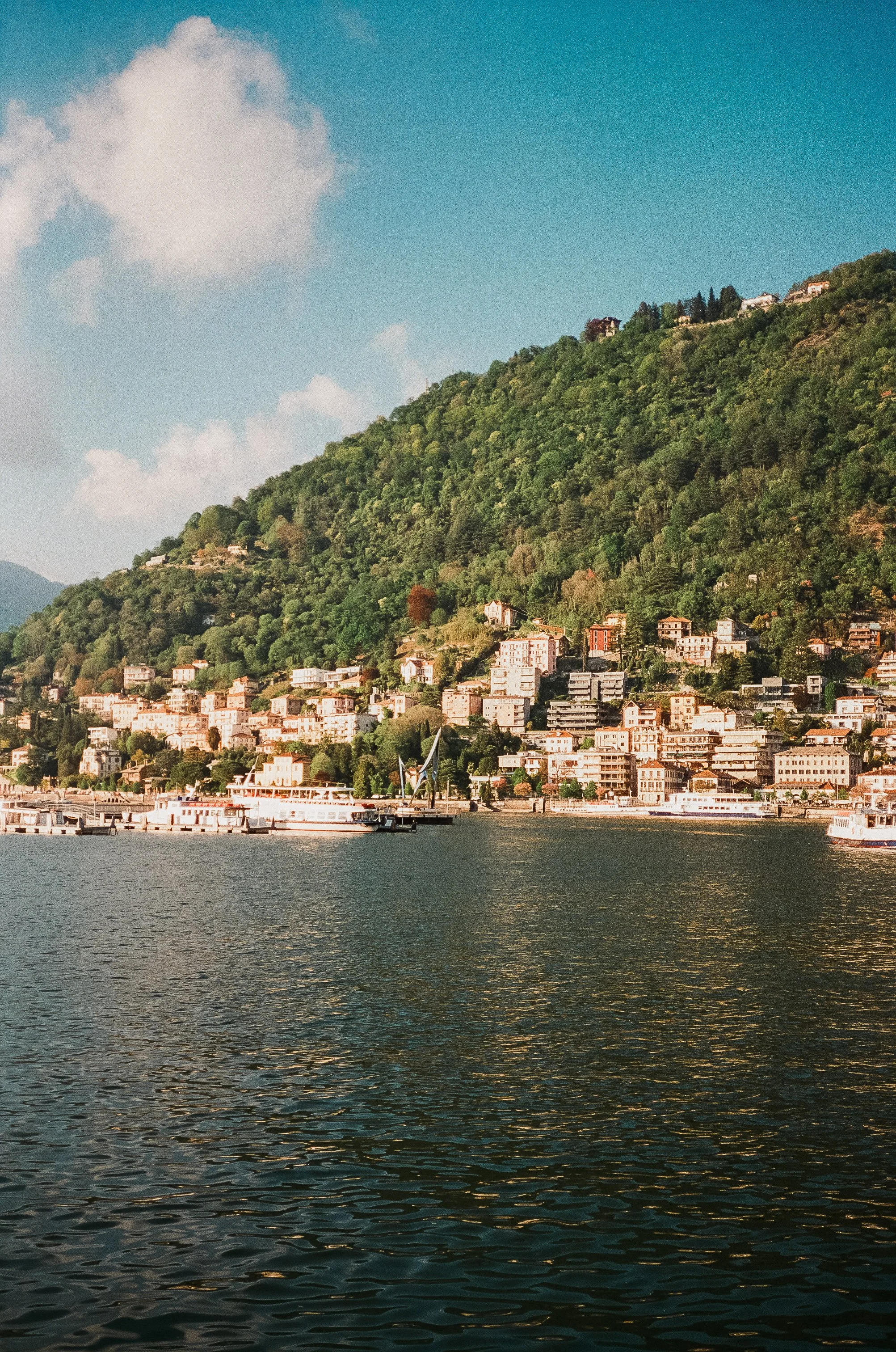
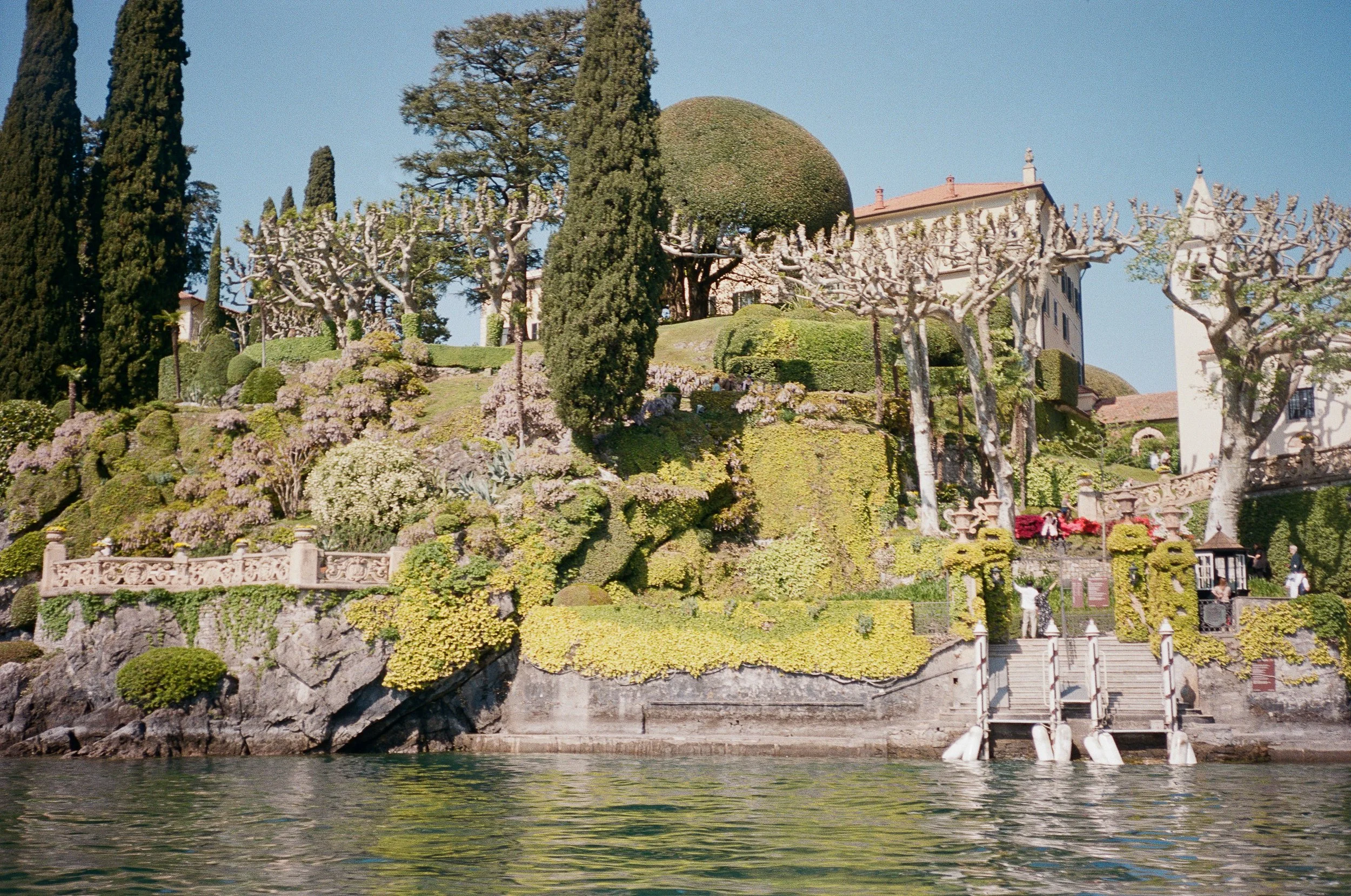
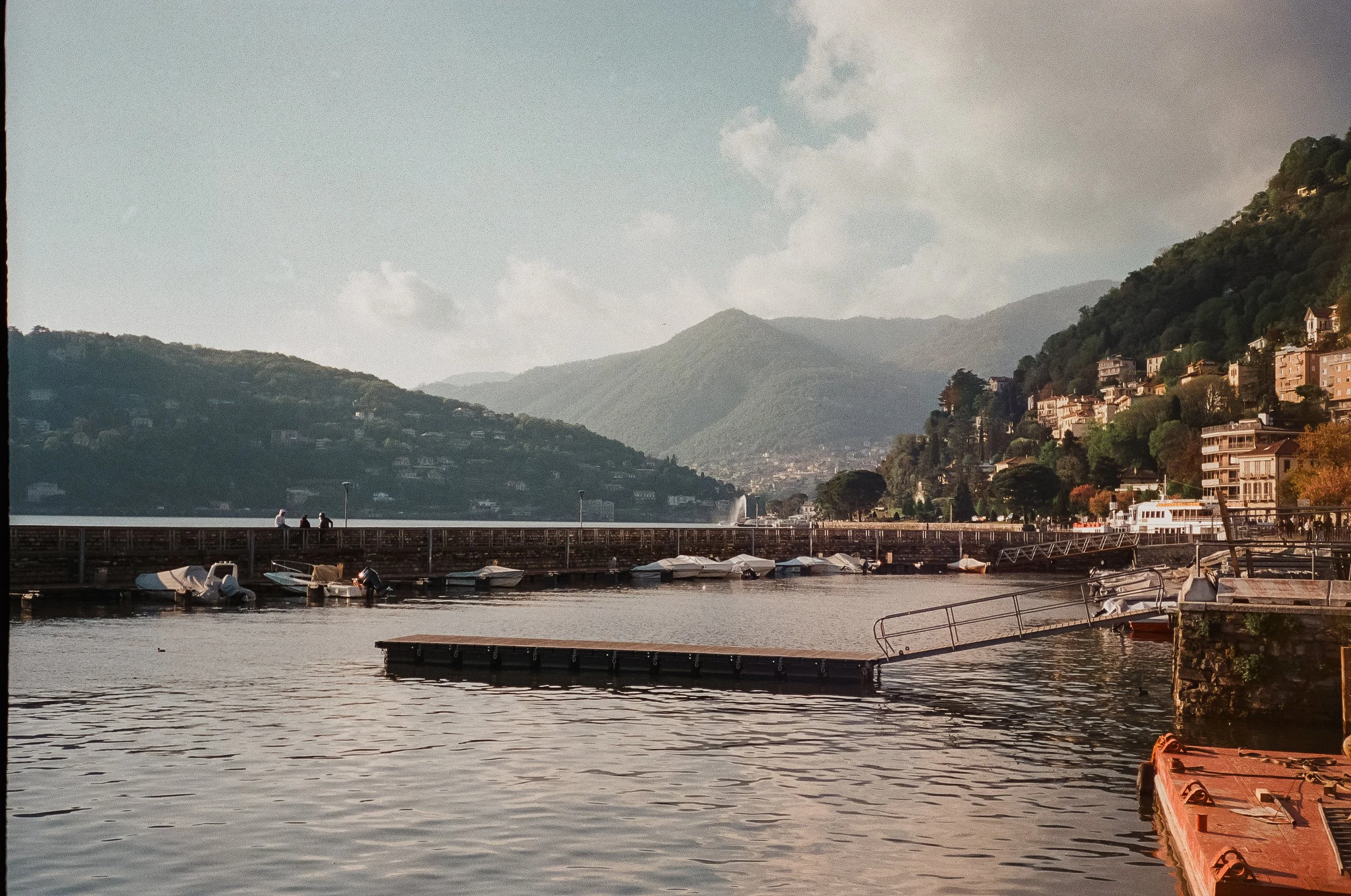
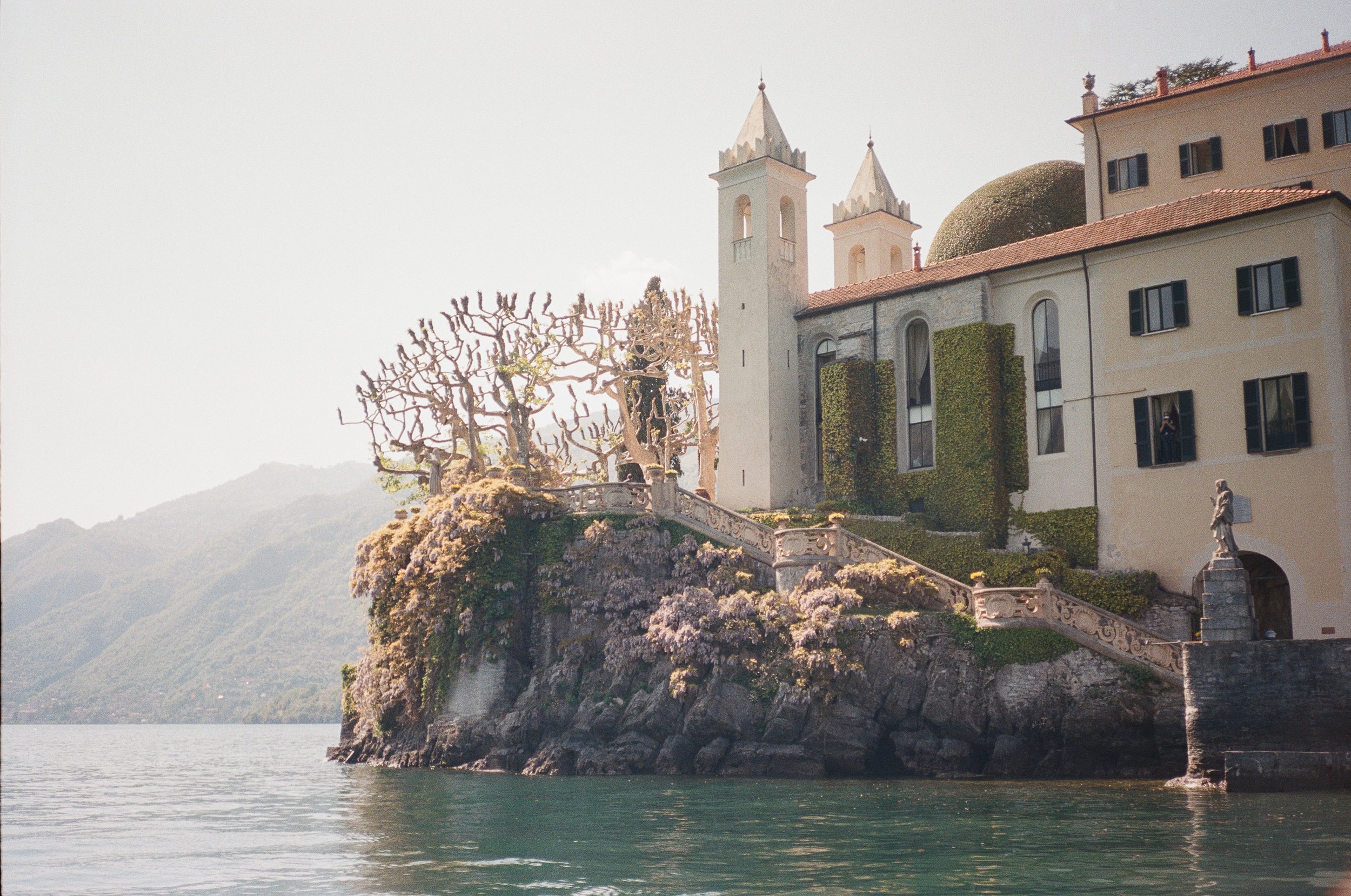
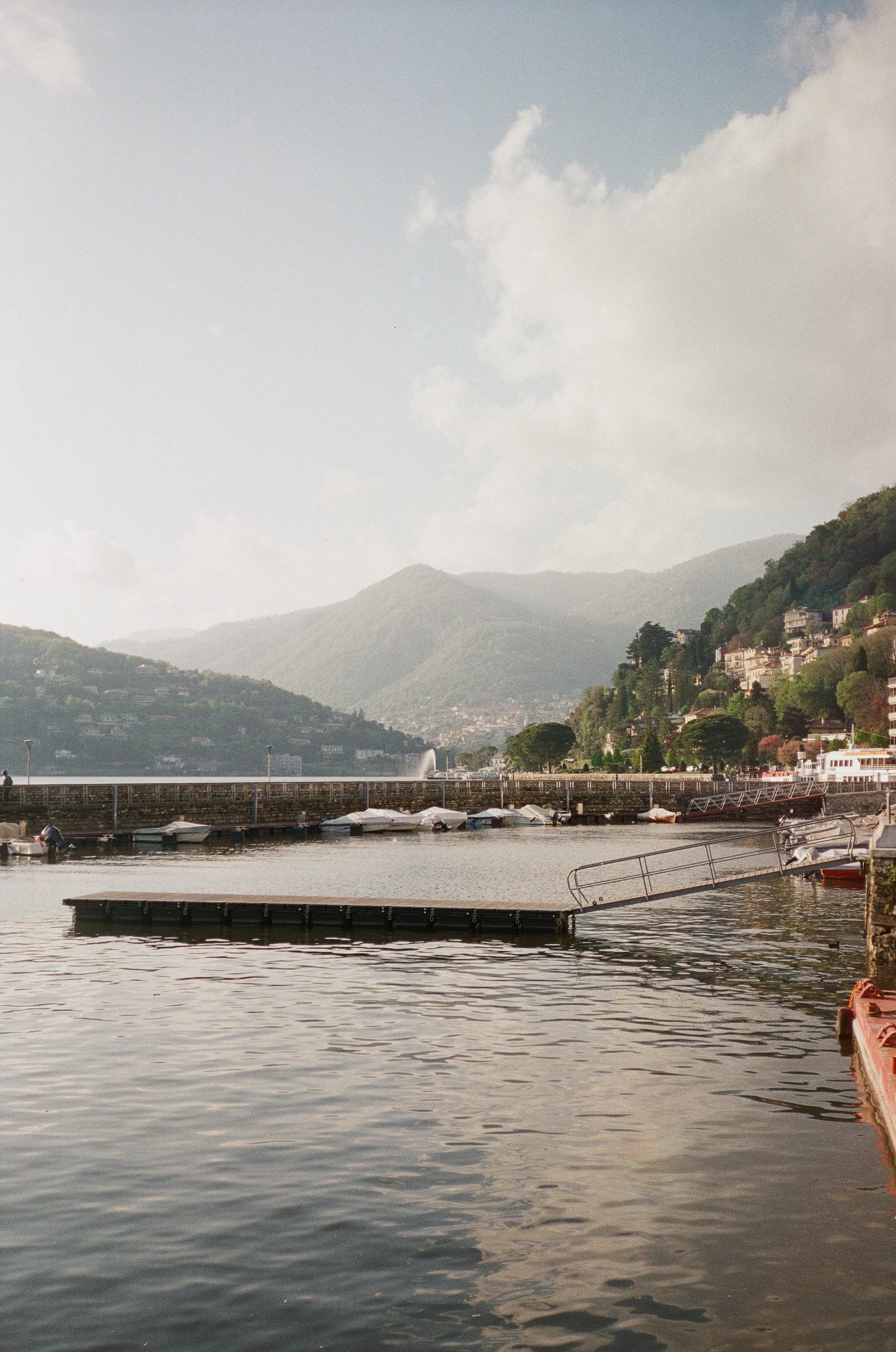
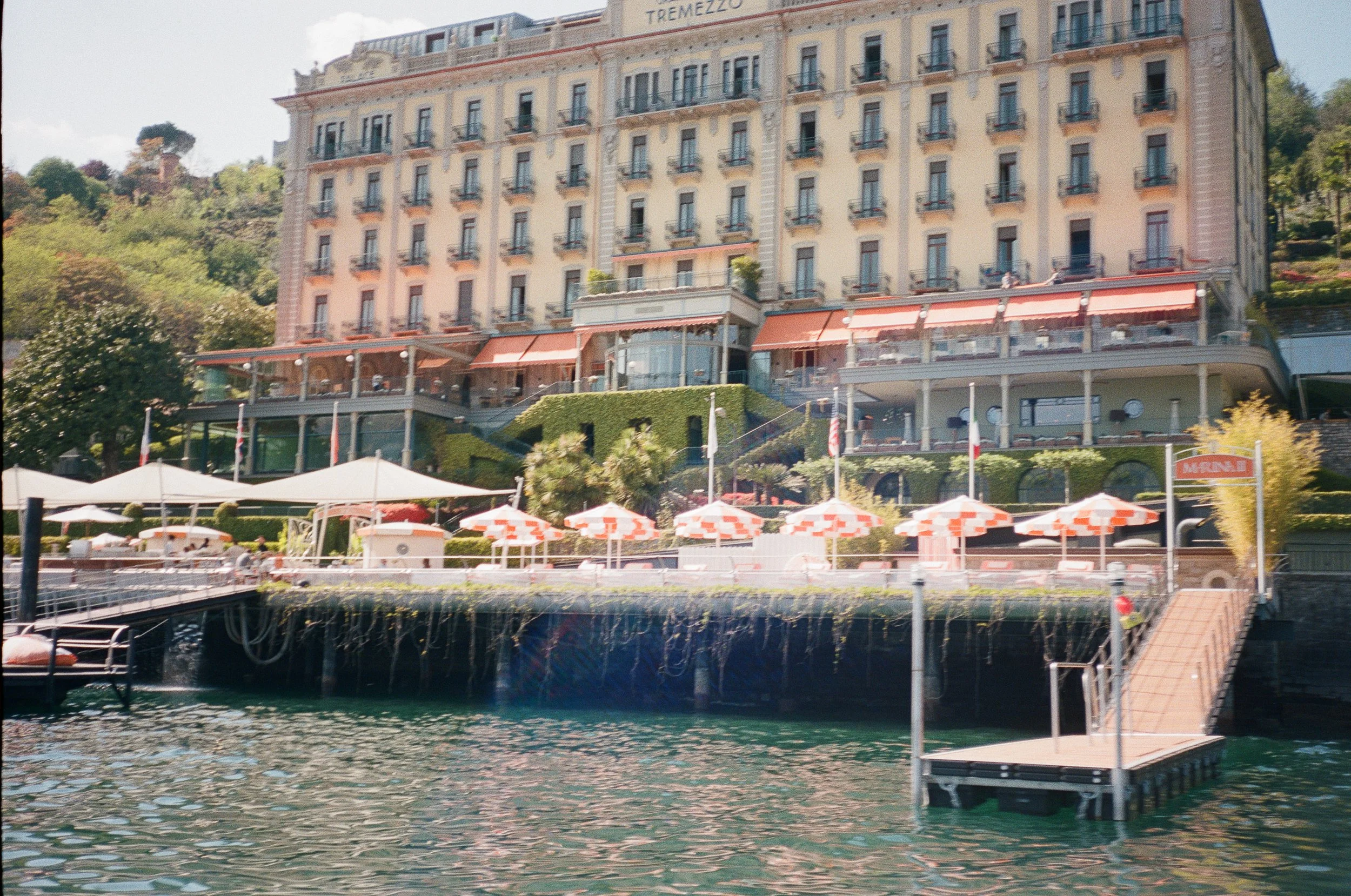
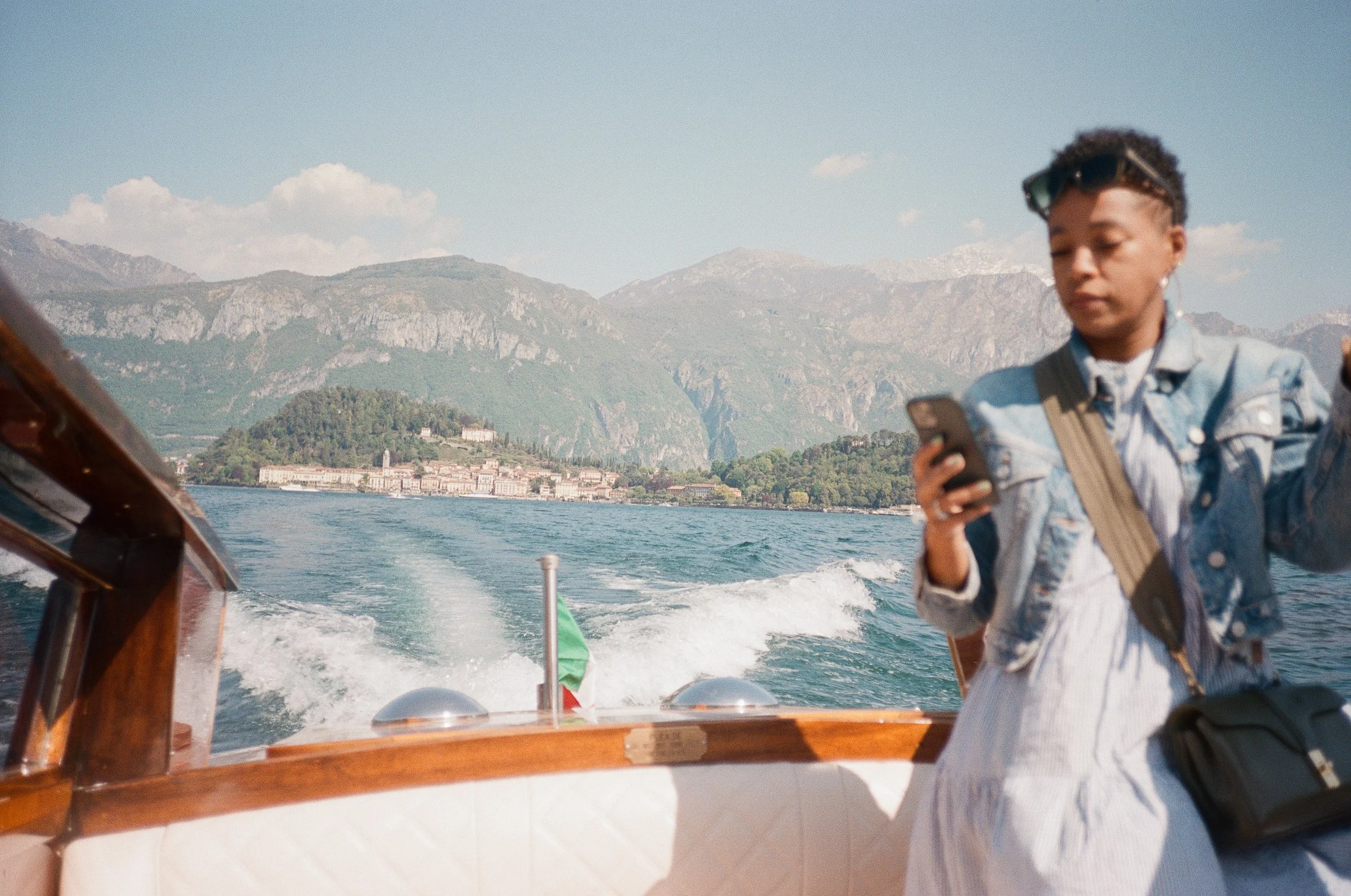
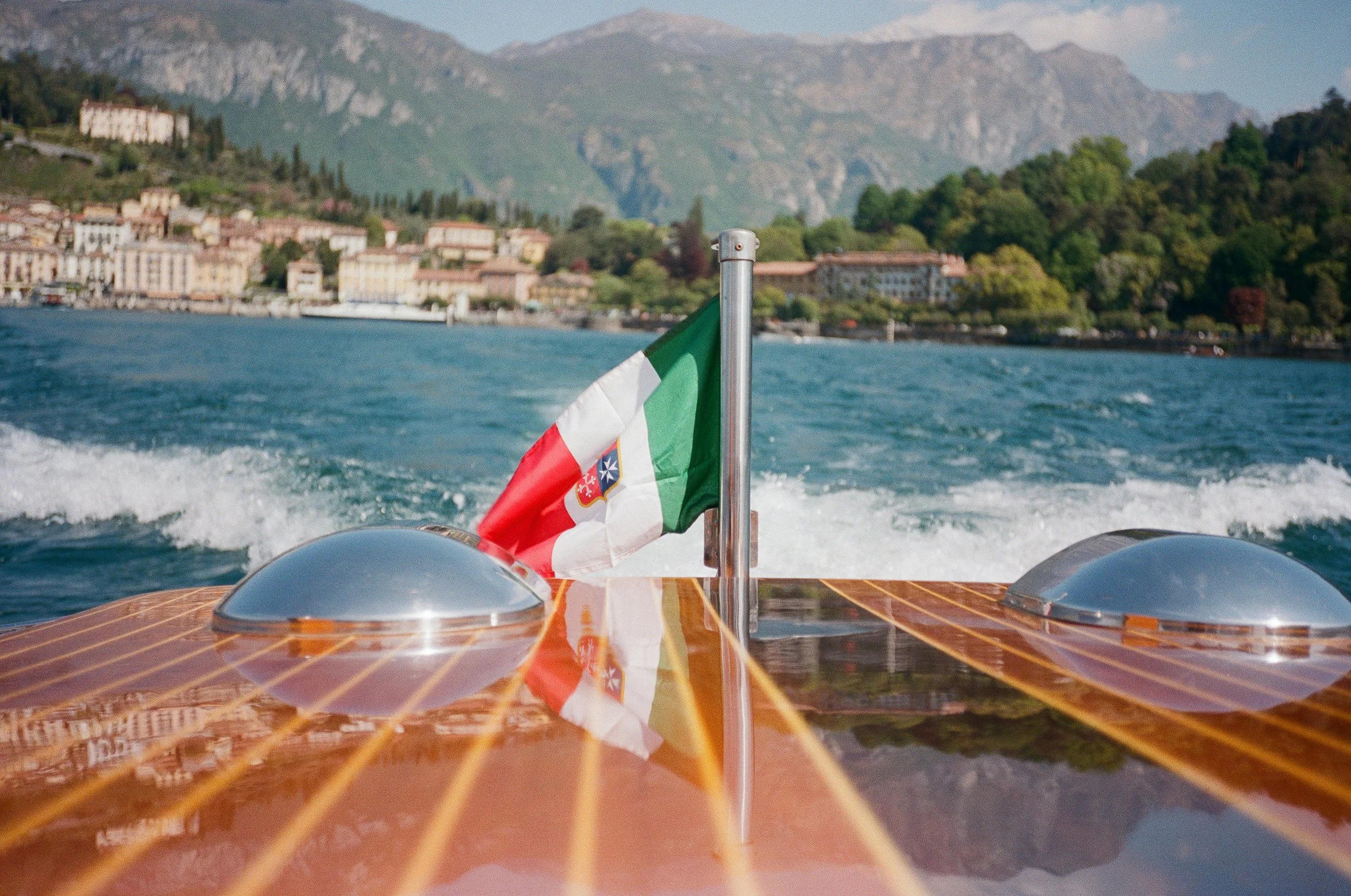
Lake Como feels like something out of a film. The kind of place where time slows down, where you just sit back and watch the water shift with the wind.
The drive up was an experience in itself—winding roads, sudden views that made me want to pull over every five minutes. I did, a few times. You don’t rush through a place like this.
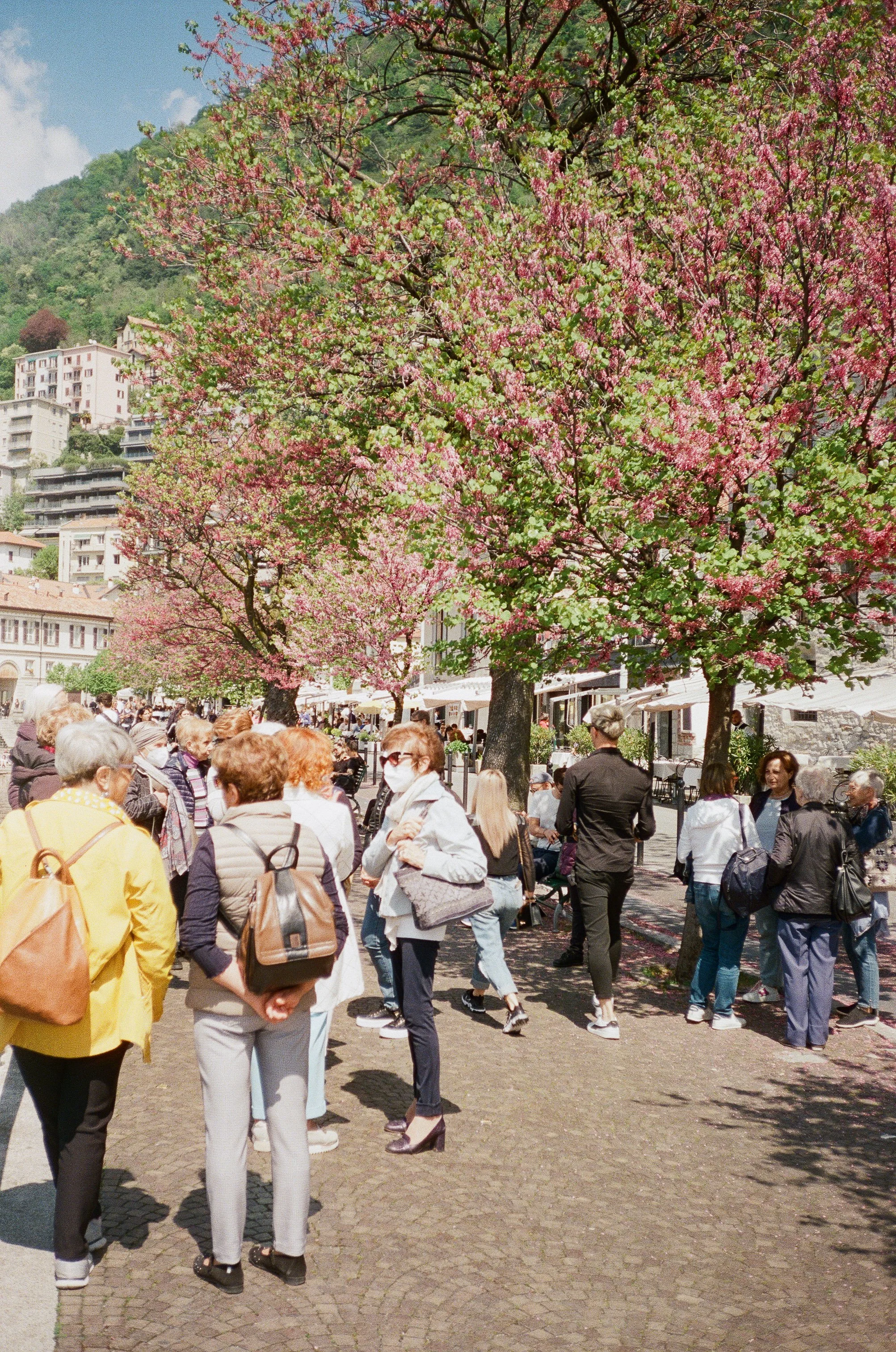
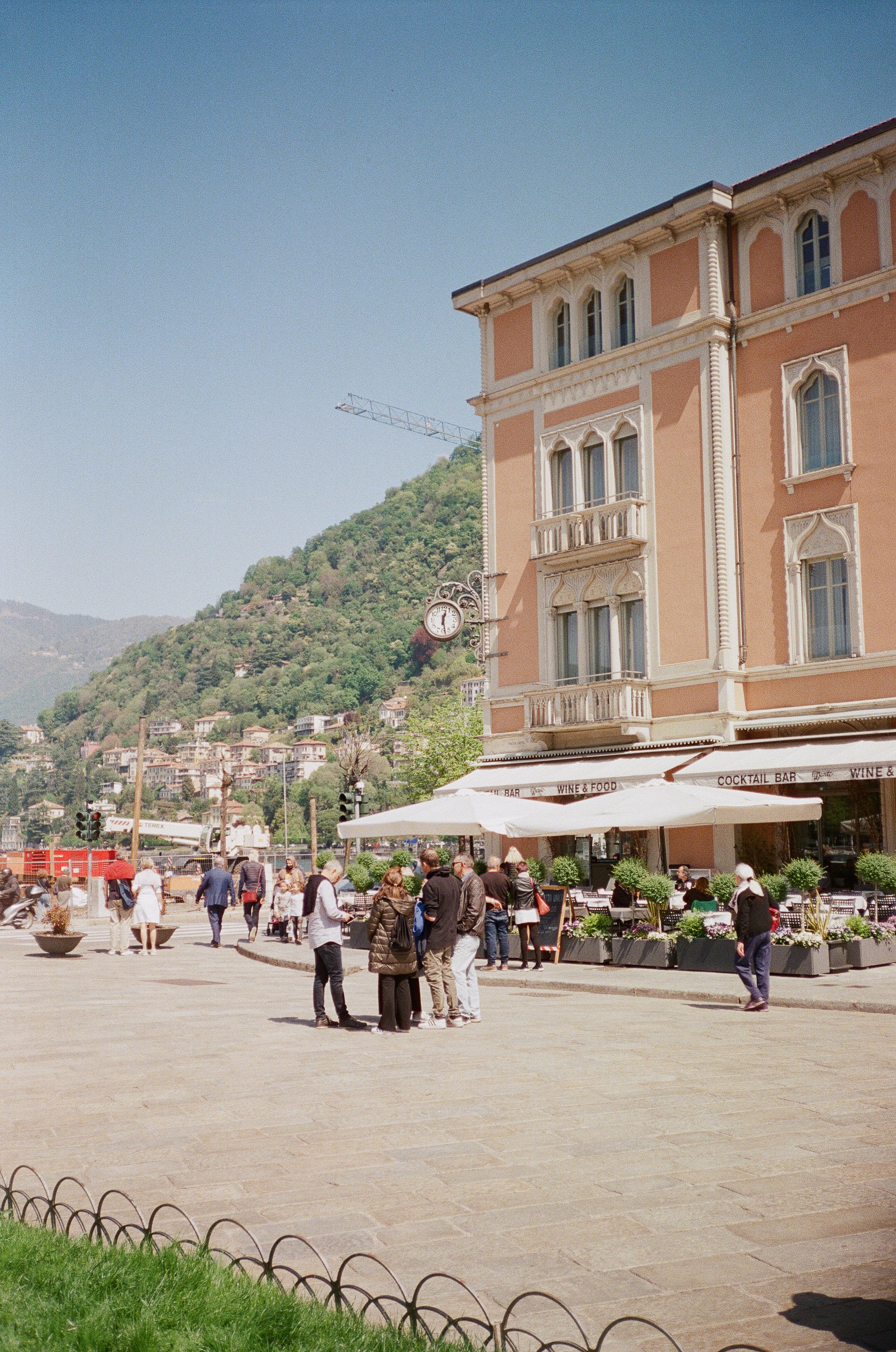
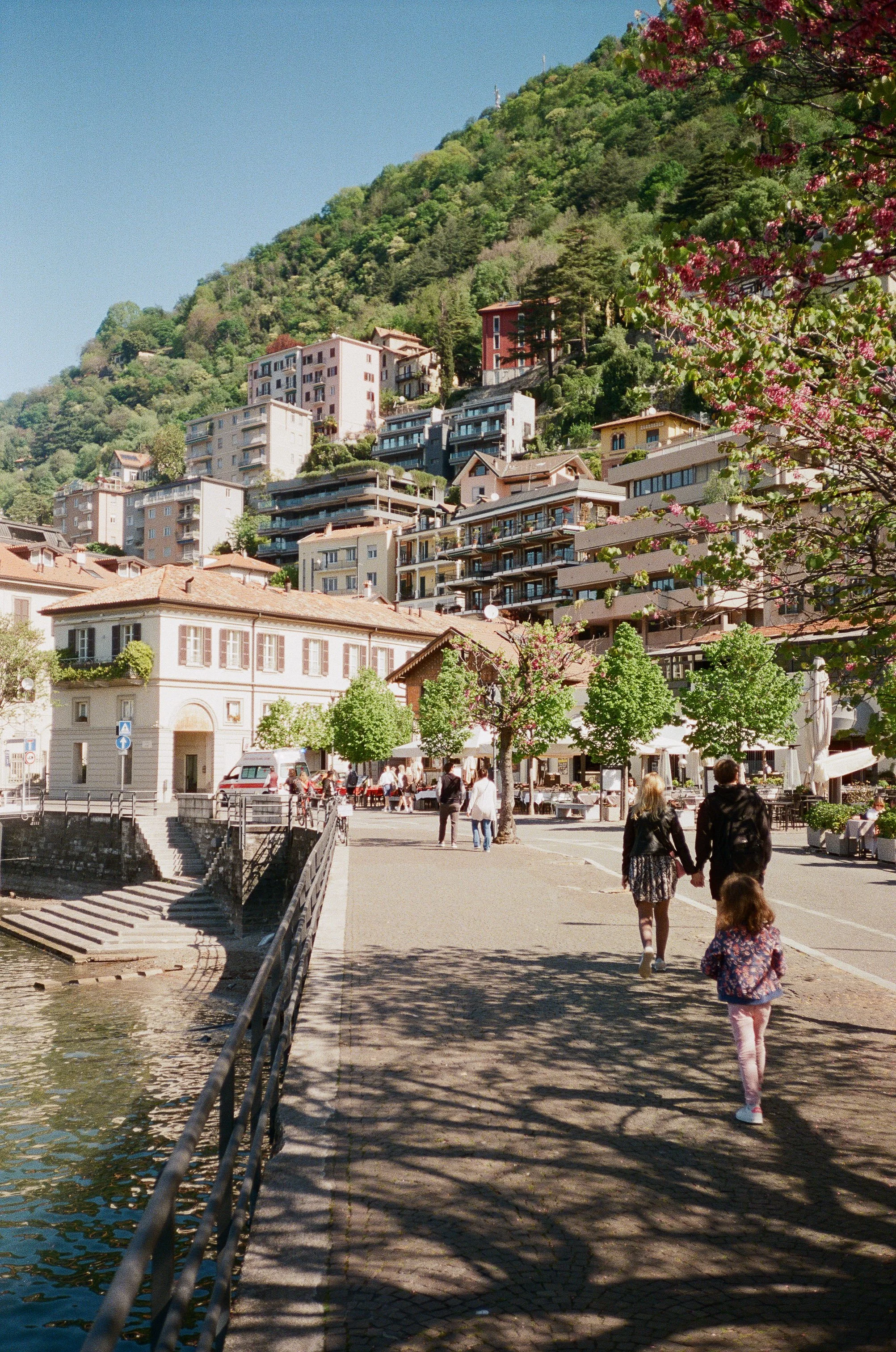
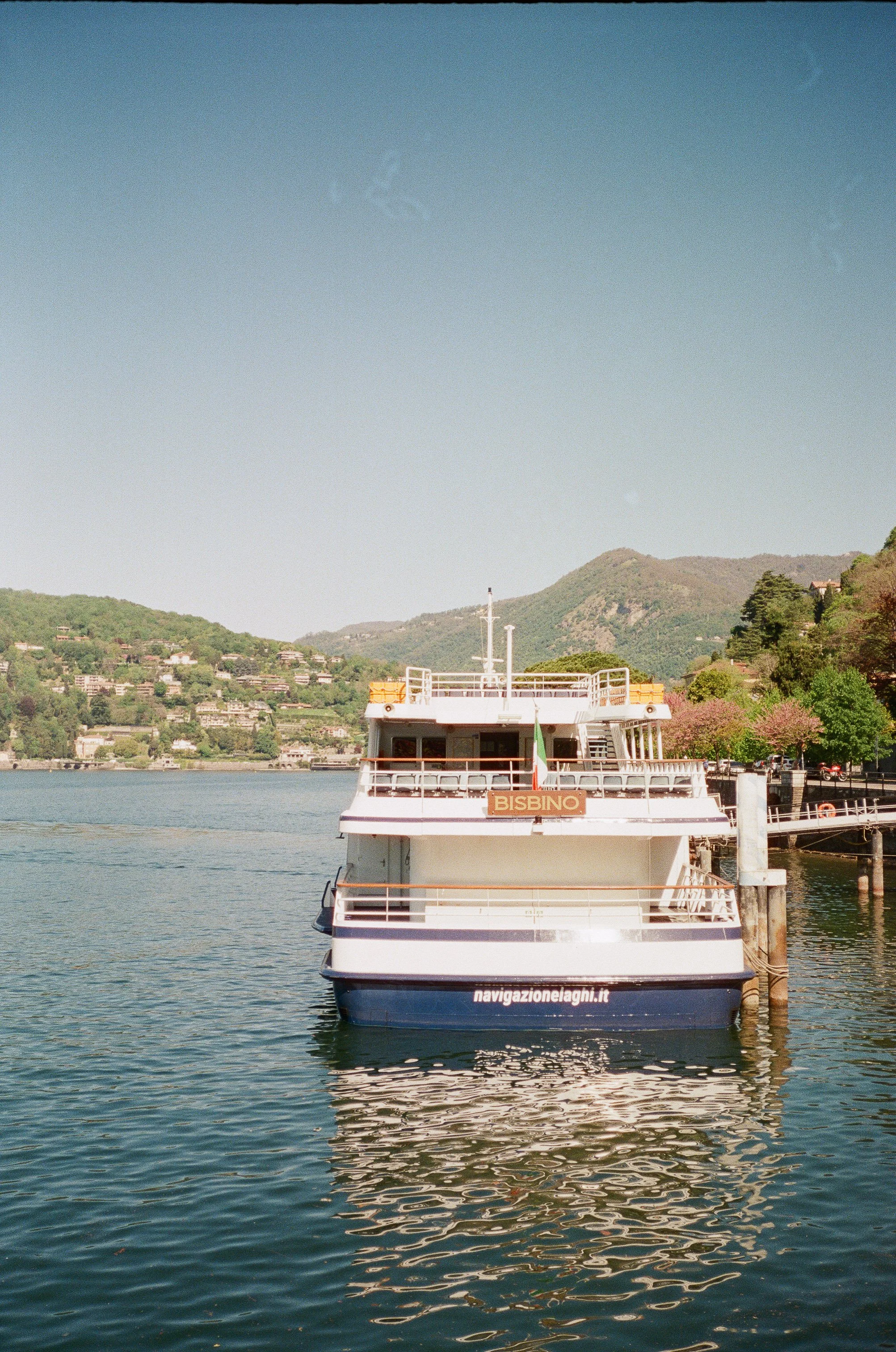
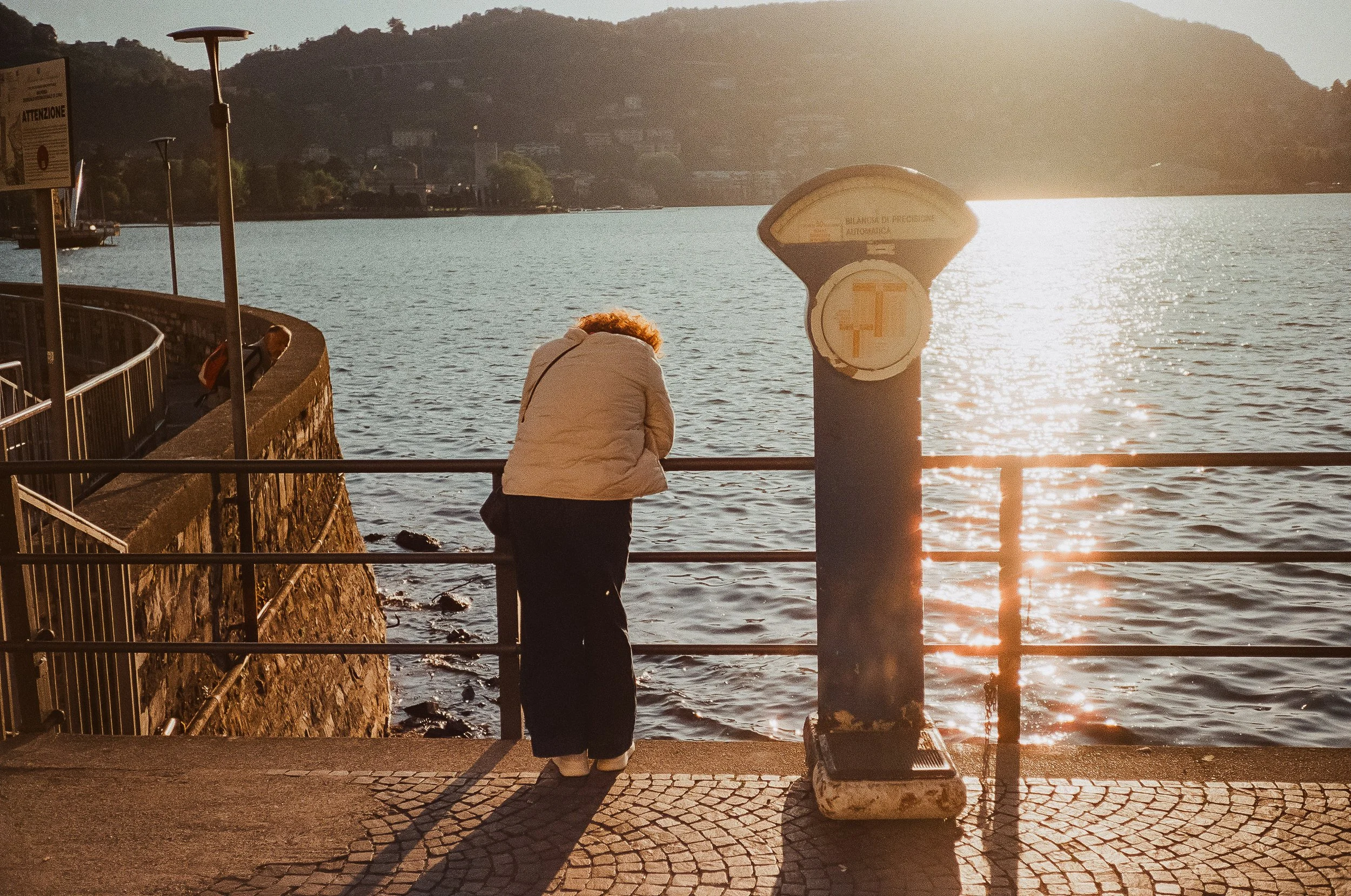
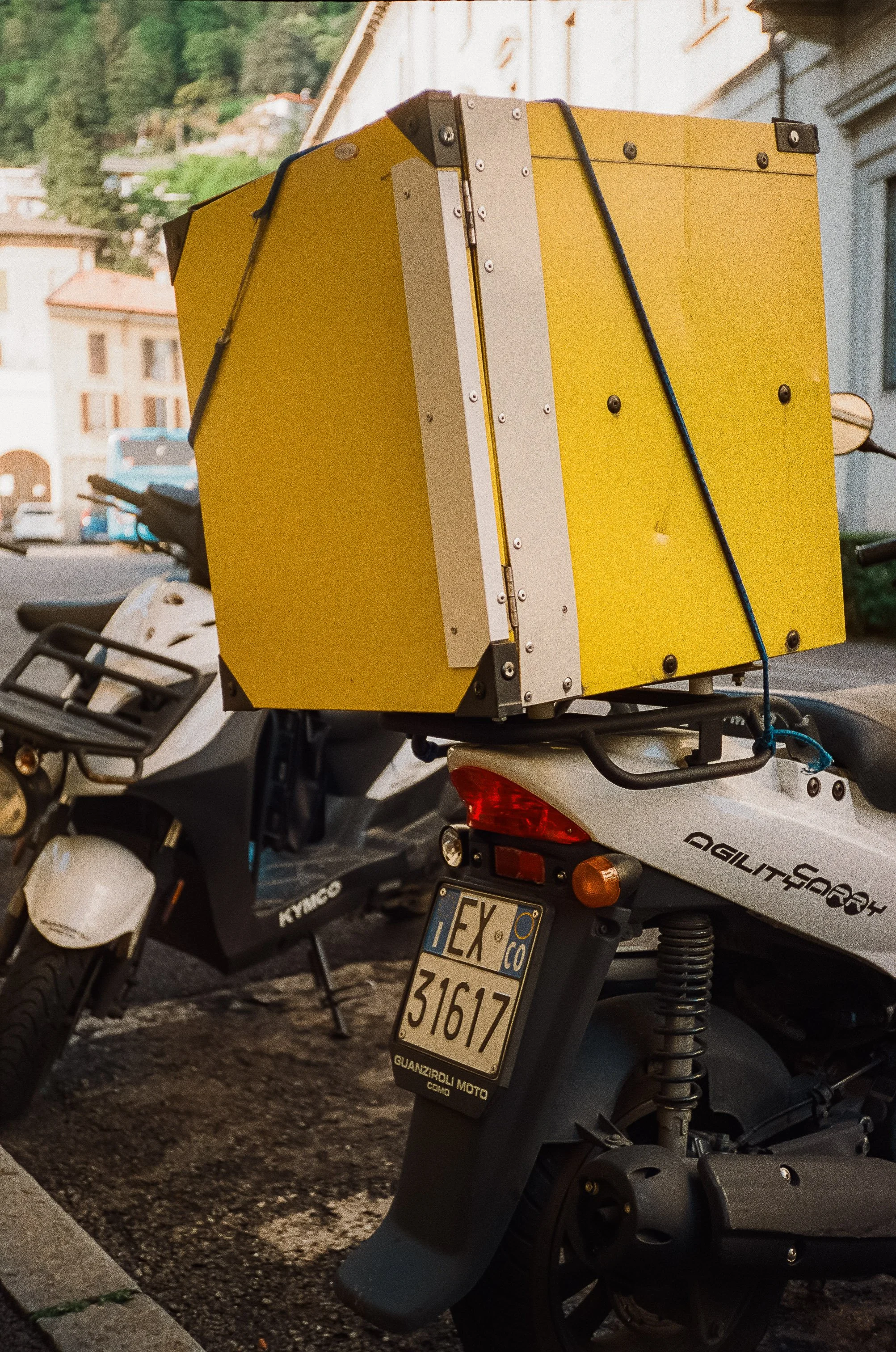
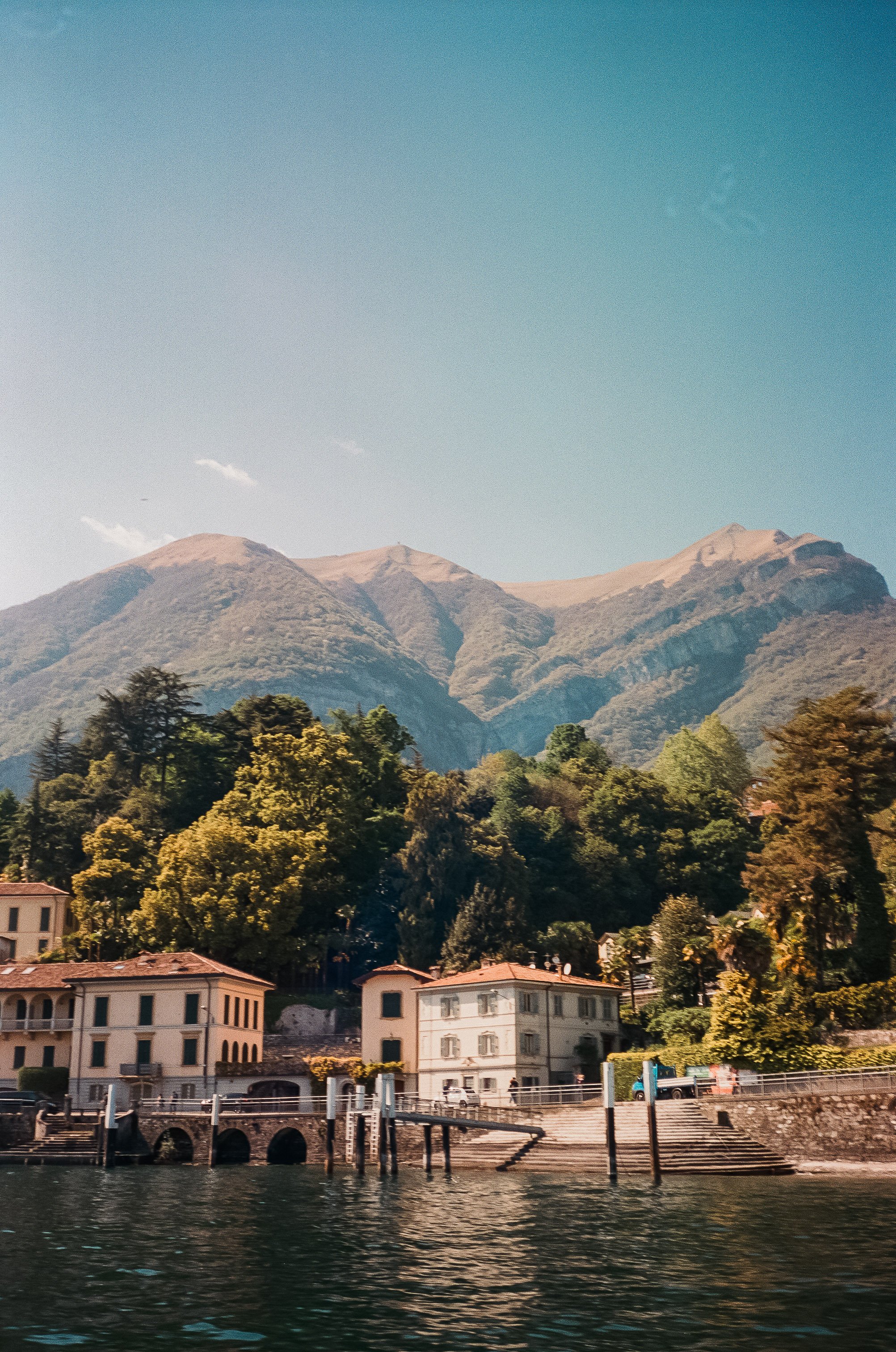
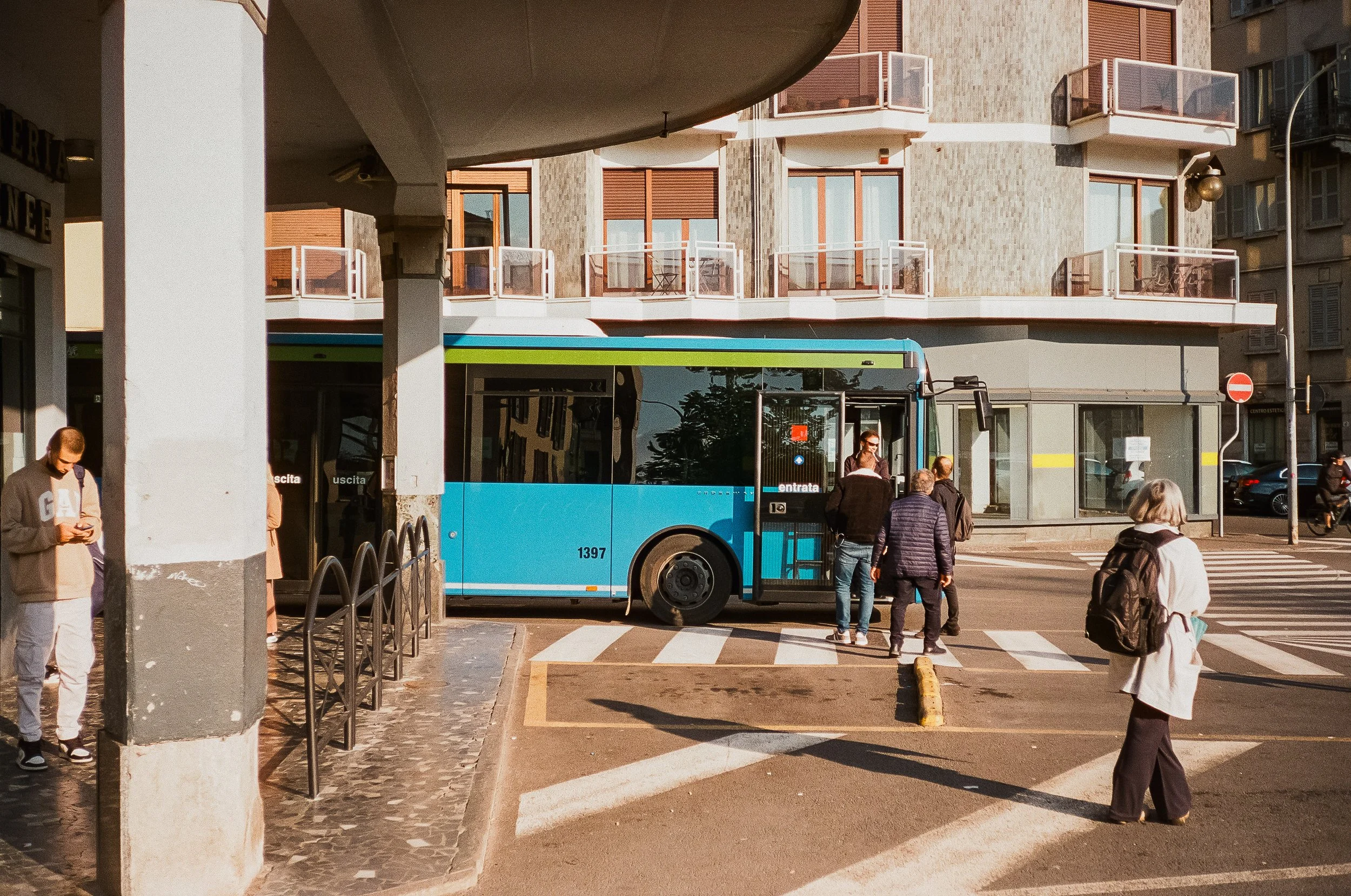
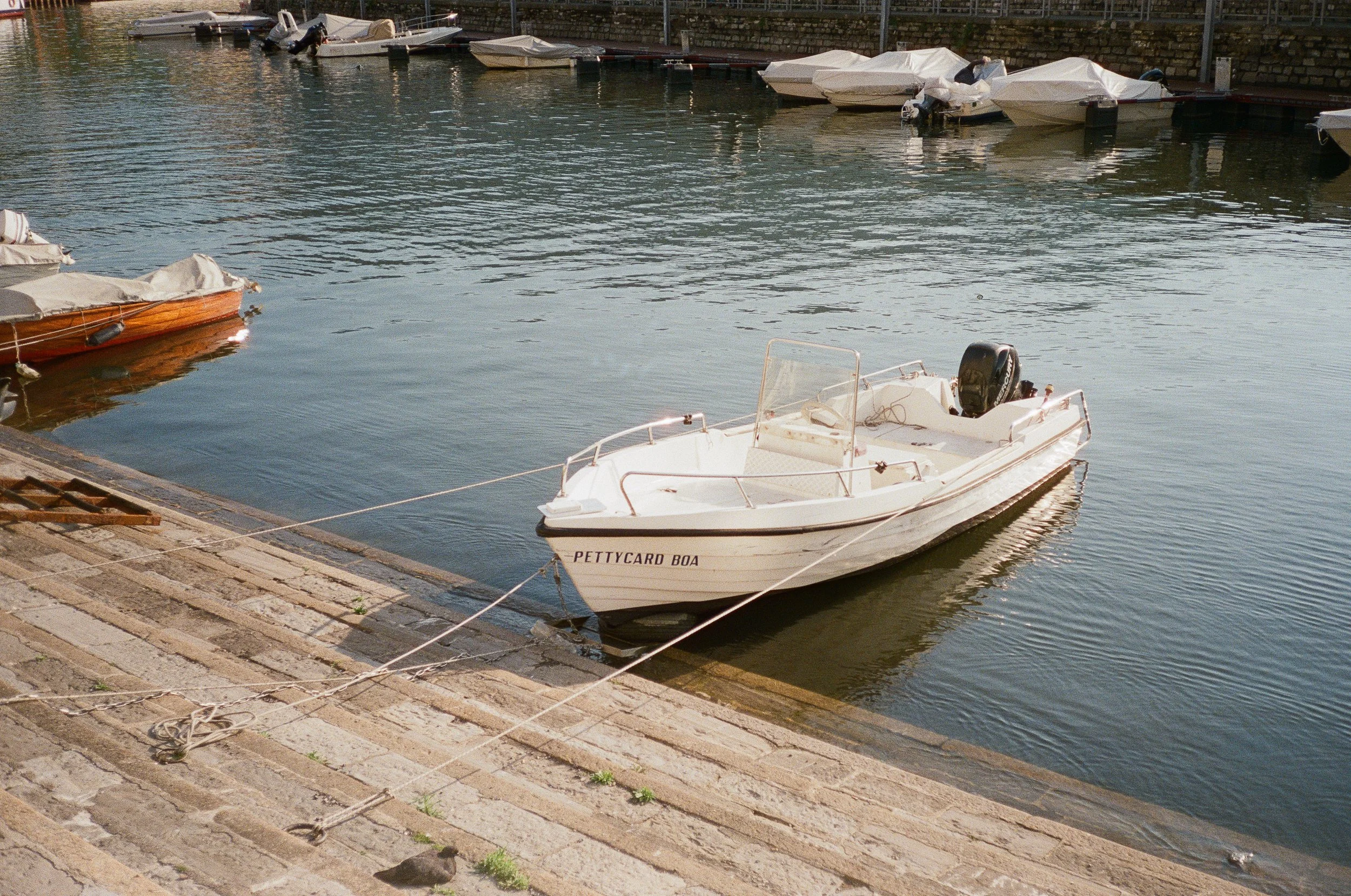
Como is where I leaned into Kodak Gold 200. The soft pastels of the buildings, the way the lake held onto the last light of the day—black and white wouldn’t have done it justice. But the streets, the old men sitting outside cafés, the boats docked in quiet harbors? That’s where Tri-X 400 gave me exactly what I needed.
Where Como felt cinematic, Garda felt wide open. More space, more air, more movement.
Here, I found myself going back to Tri-X 400. Something about the contrast, the way it let me focus on shapes and shadows. Lake Garda was alive—windsurfers flying across the water, cyclists cutting through the mountain roads, kids laughing as they ran along the shore.
But there were quiet moments too—the ones where the lake stretched out endlessly, where the sky met the water in a way that made everything feel small. Those are the images that stuck with me.
Oslo wasn’t supposed to be part of the trip, but somehow, it made sense.
After Italy’s warmth, Oslo was crisp. Clean lines, muted tones, a completely different rhythm. I didn’t shoot as much here, but the few frames I did capture? They felt like a reset. A shift before heading home.
This trip made me see differently.
I’m still black and white at heart—Tri-X 400 is always going to be my foundation. But this time, I let color be part of the story. I let Portra 800 and Kodak Gold 200 pull out the richness of the streets, the glow of the water, the warmth of the places I walked through.
This is just a glimpse. You can see the full gallery here: Italy 2022 - Full Gallery.
Let me know—have you been to Italy? What city left the biggest impression on you? Drop a comment, let’s talk.



014: First Time in the Darkroom, Learning the Process and Falling in Love with Prints
First Time in the Darkroom, Learning the Process and Falling in Love with Prints
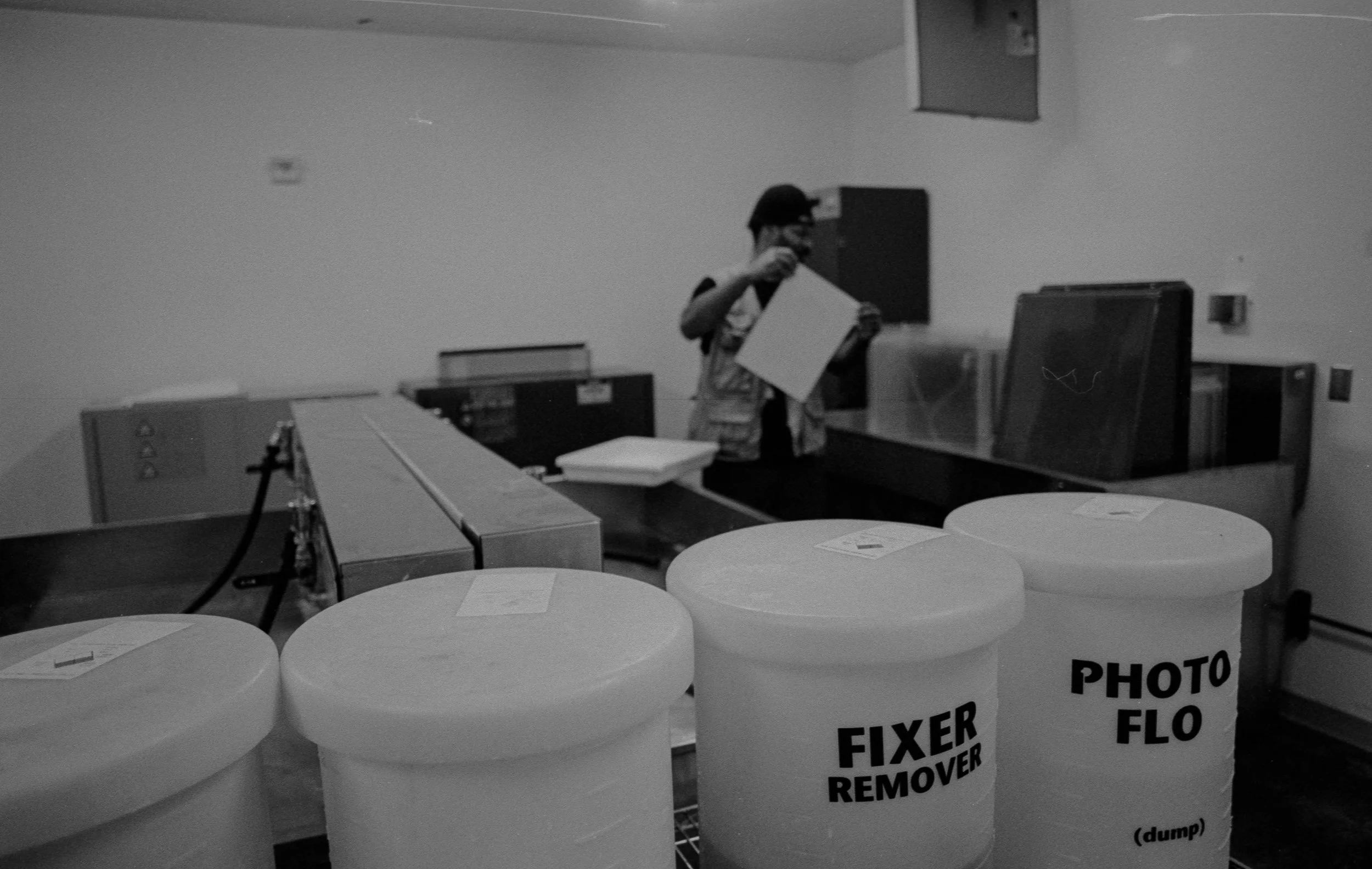
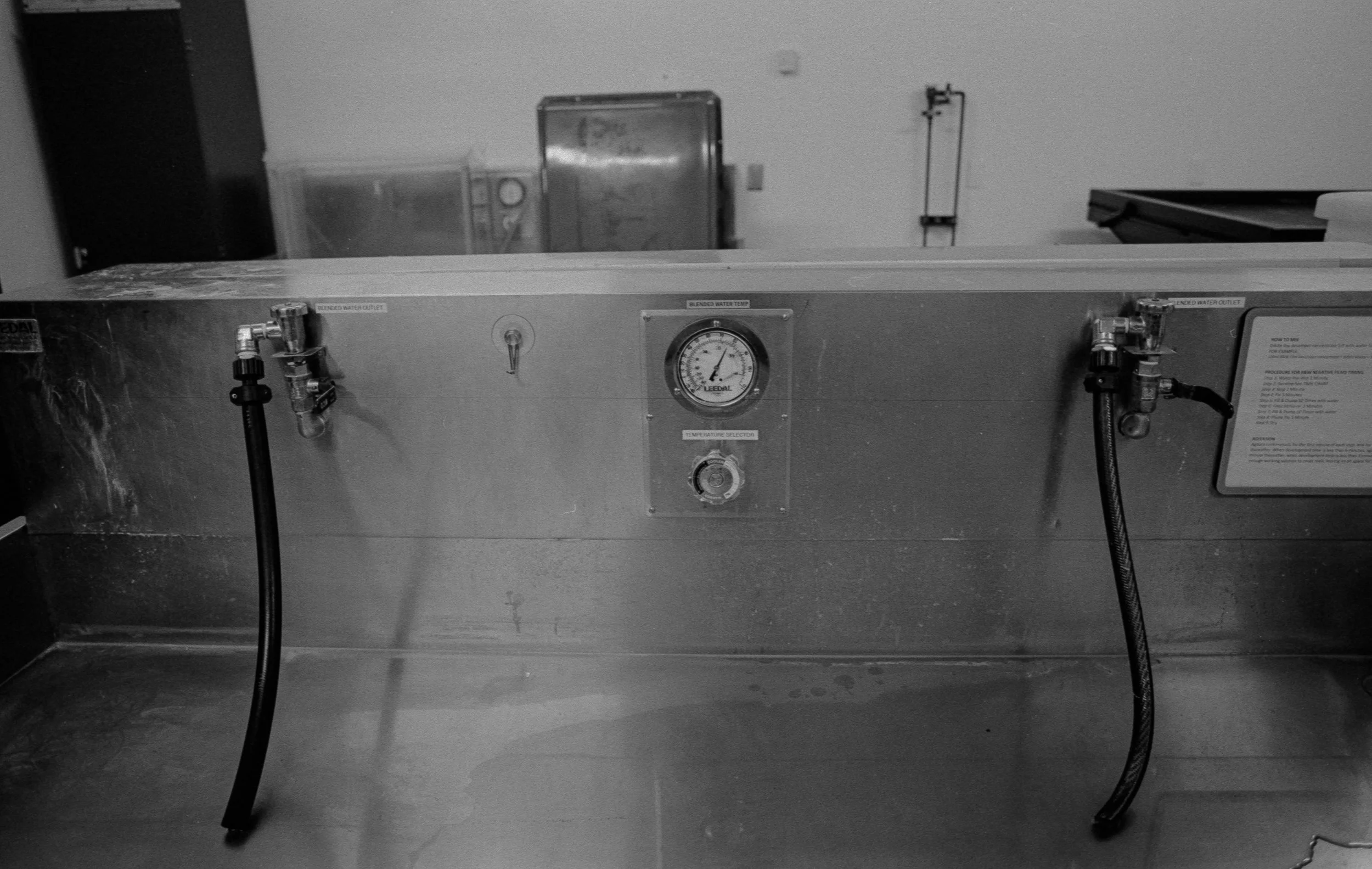
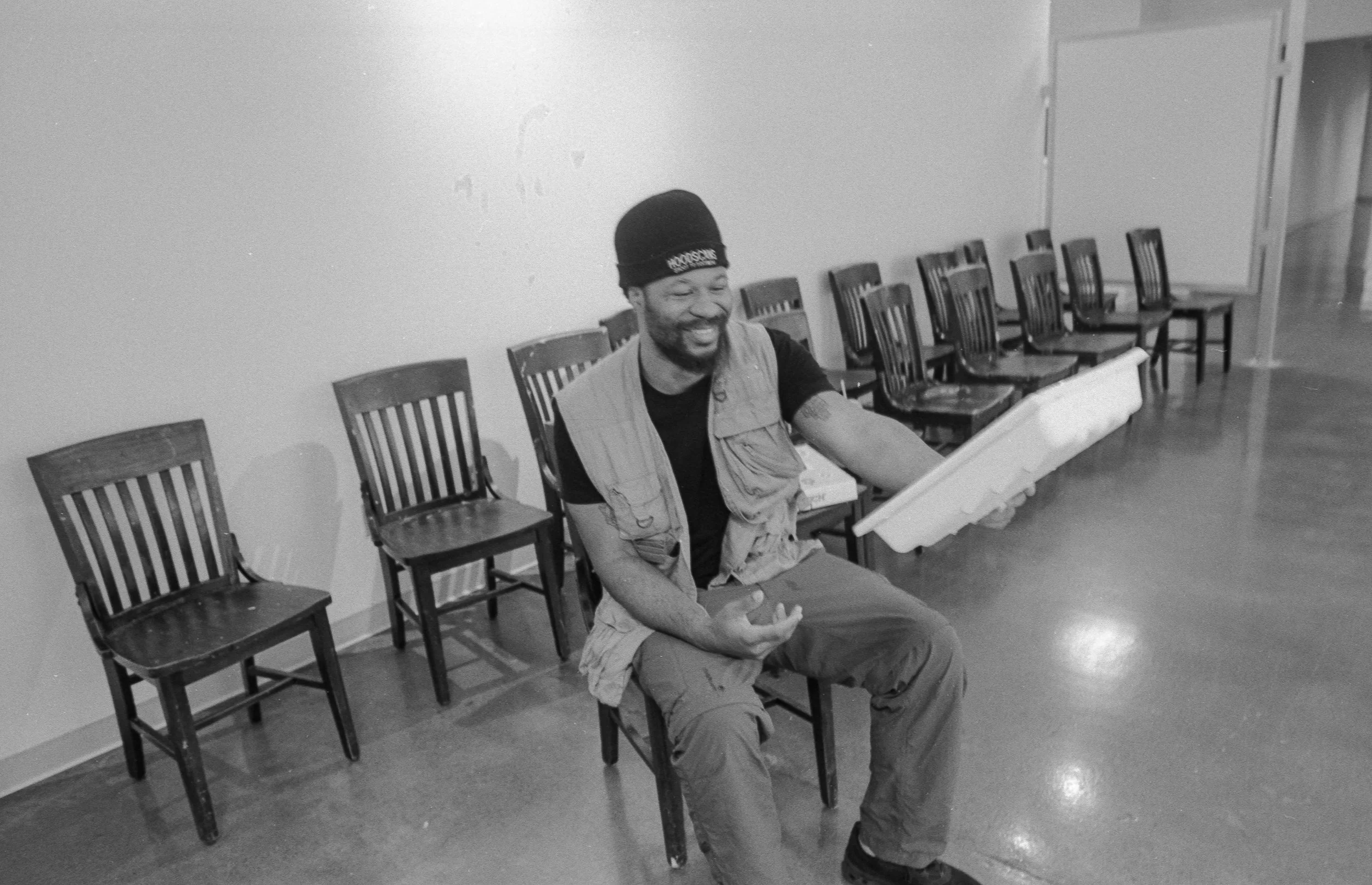
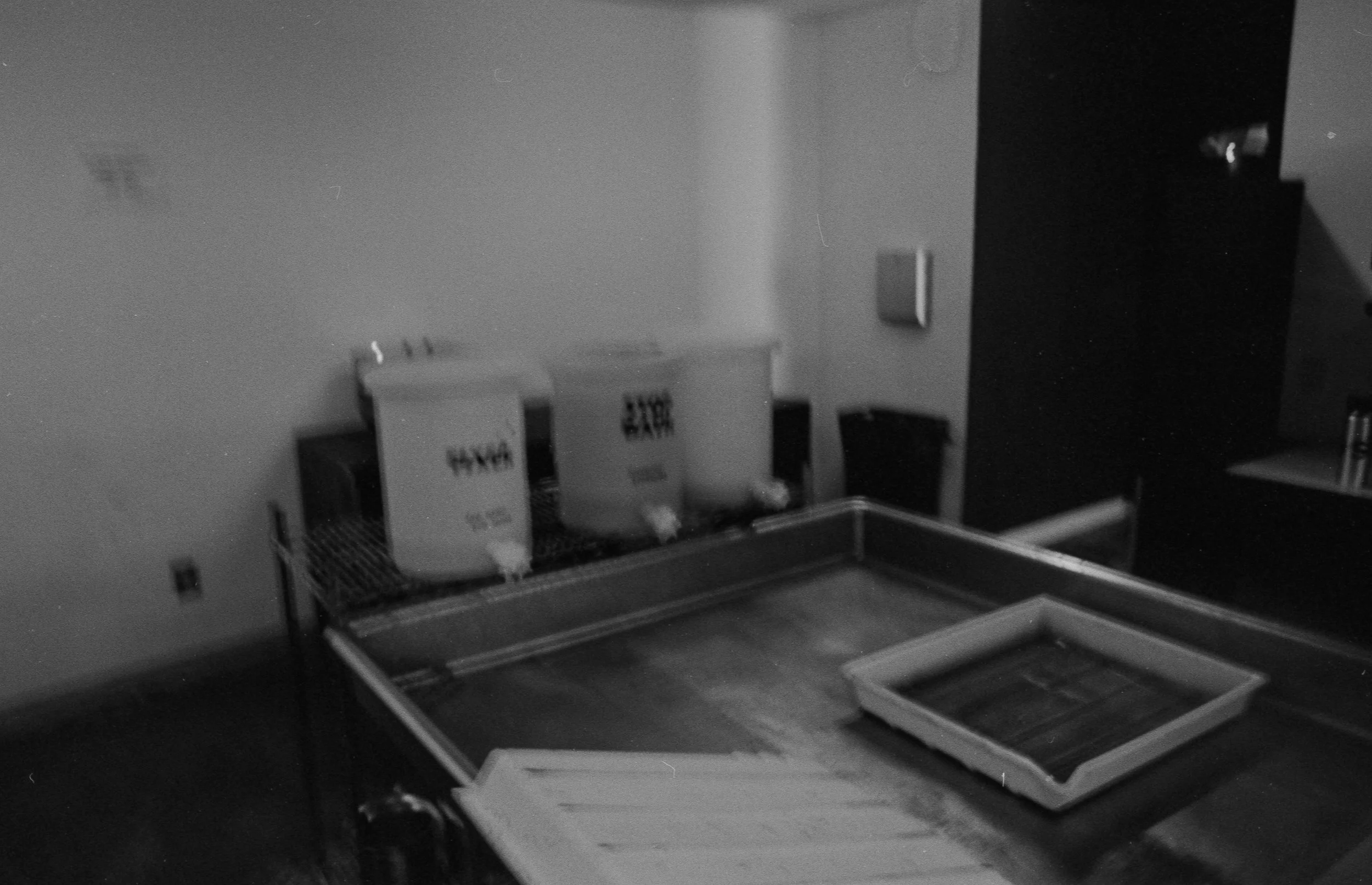
Today was different. I stepped into the darkroom for the first time, and everything changed. I have been photographing on film for years, developing at home, scanning my negatives, but actually printing That was new territory. And honestly, I get it now. The darkroom is where the real magic happens.
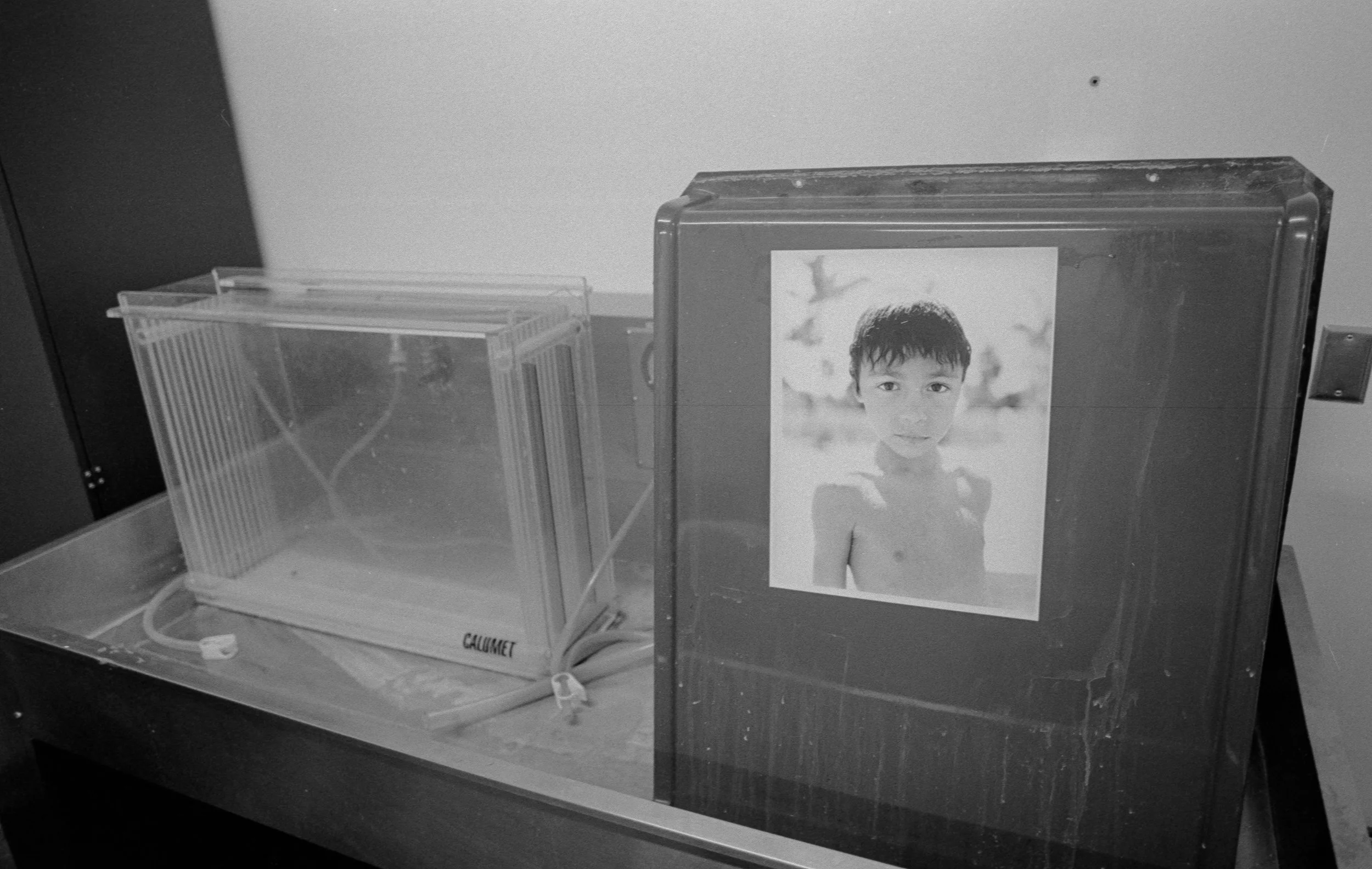
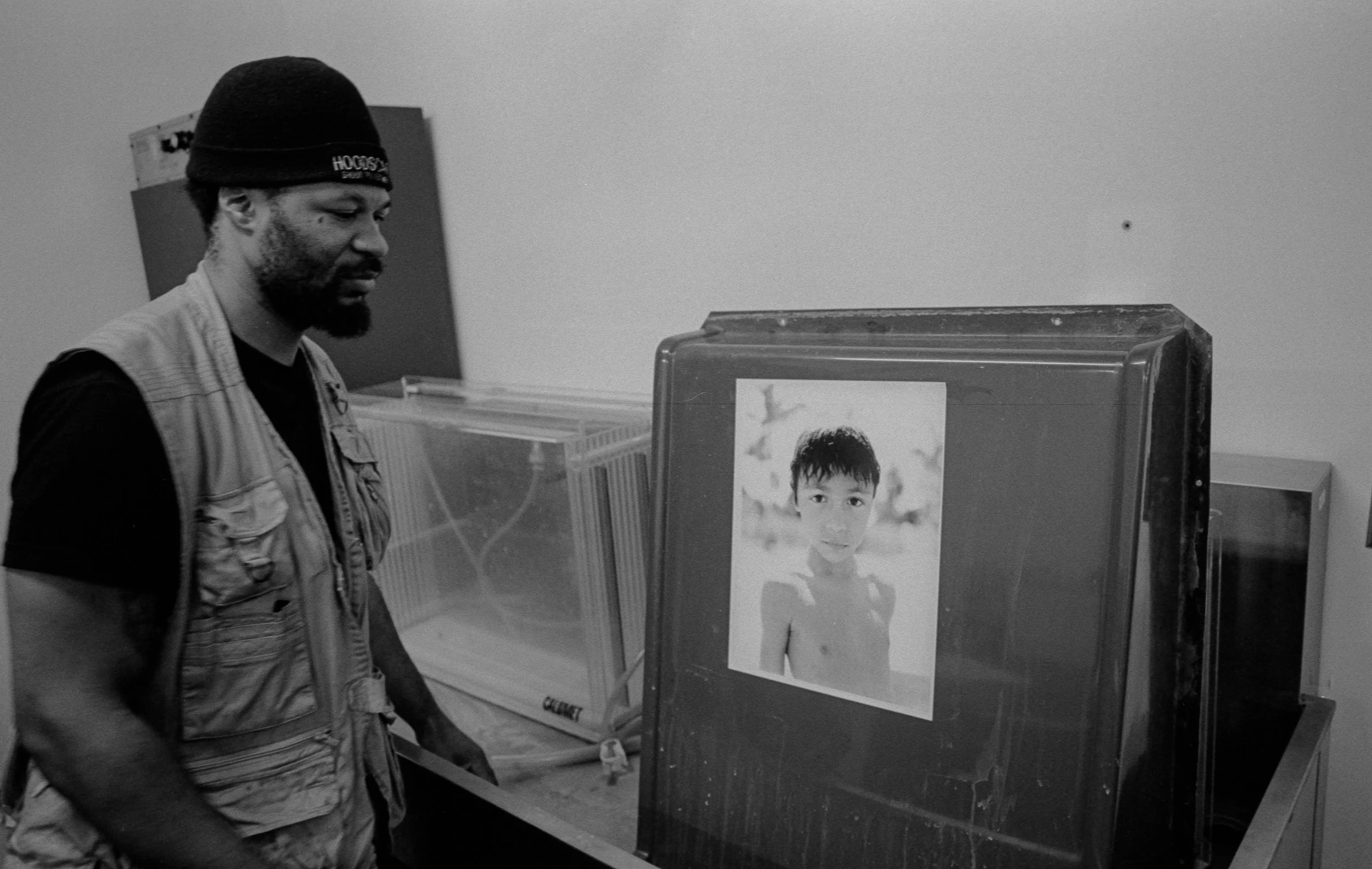
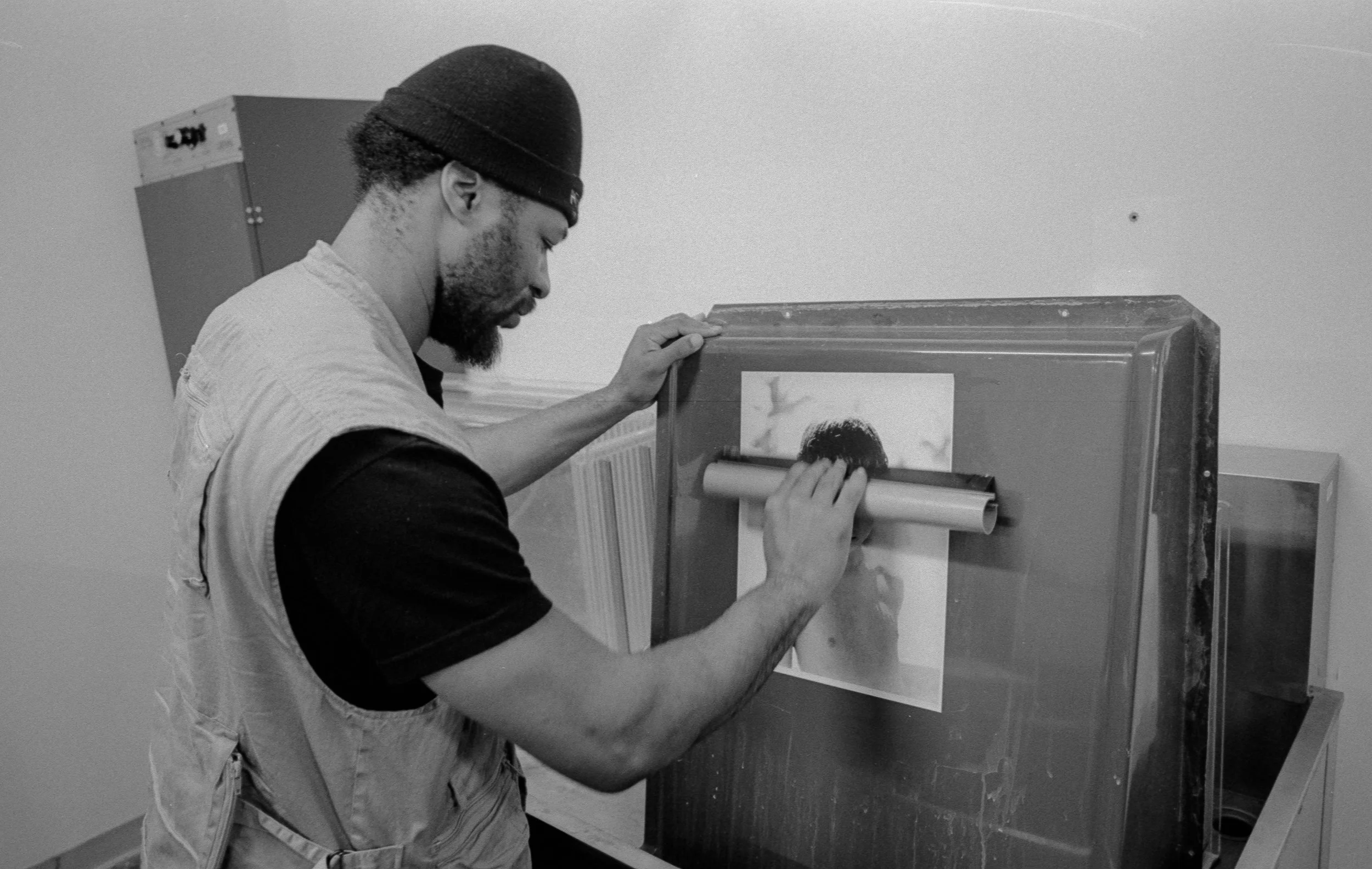
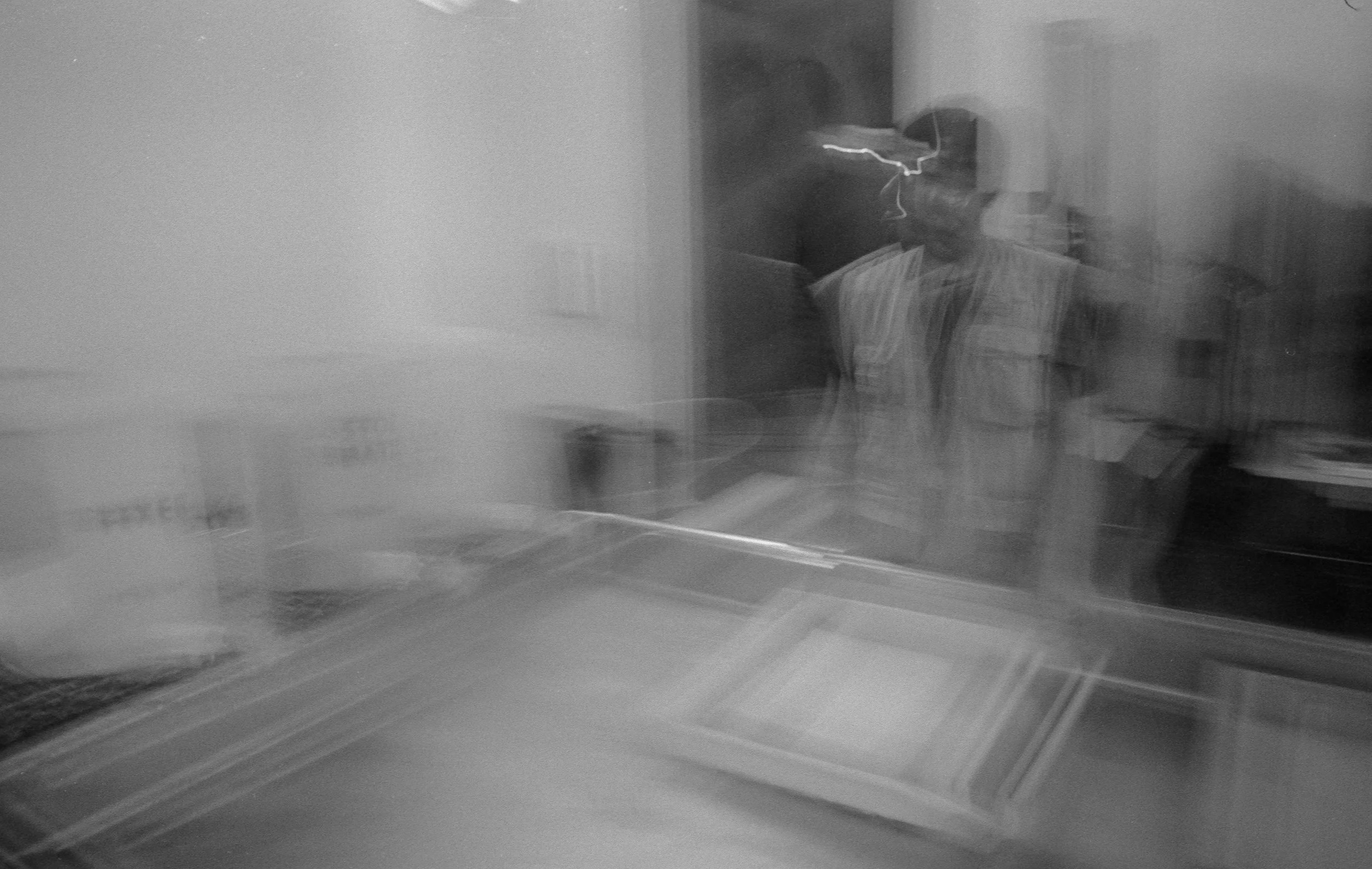
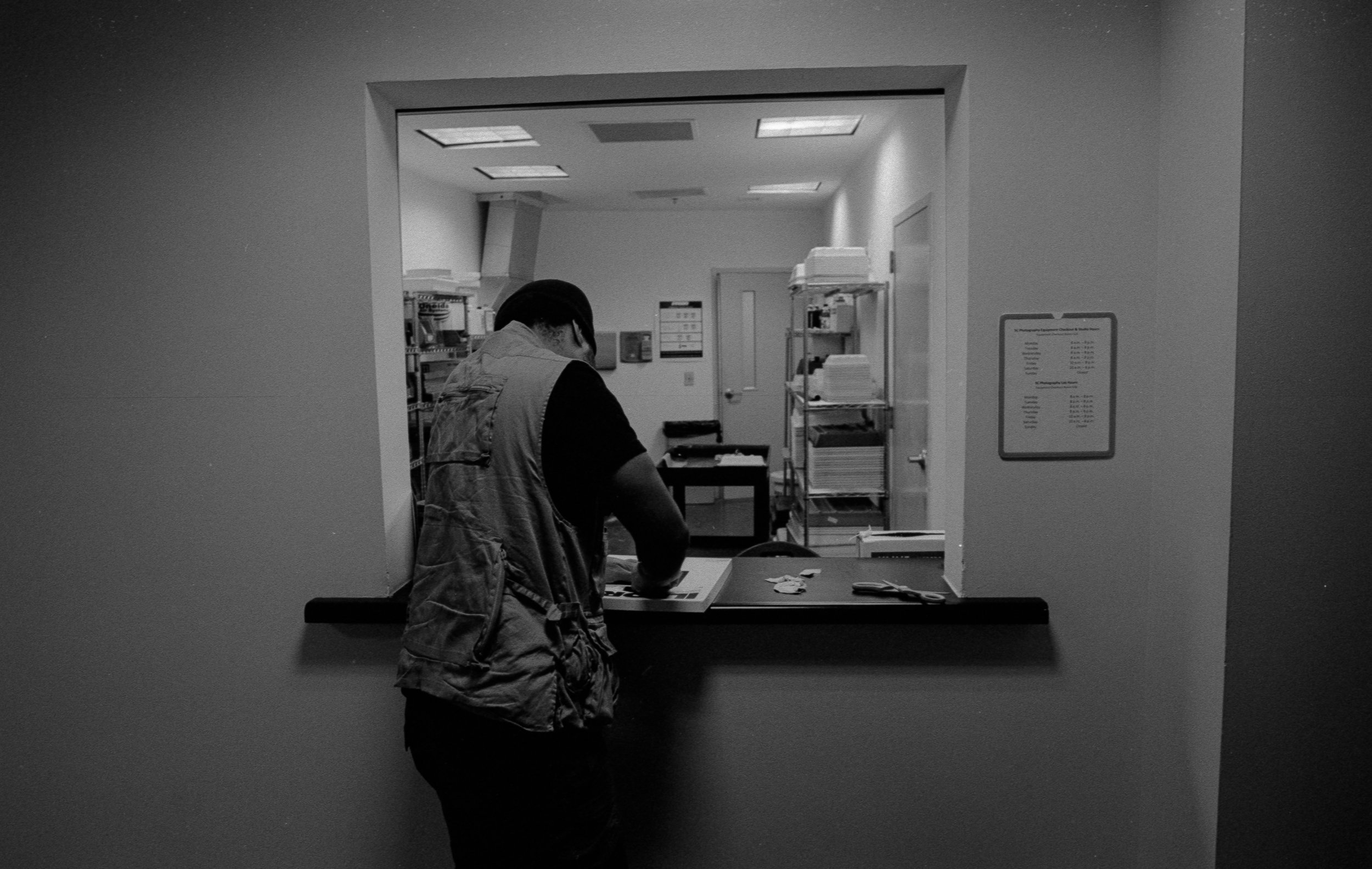
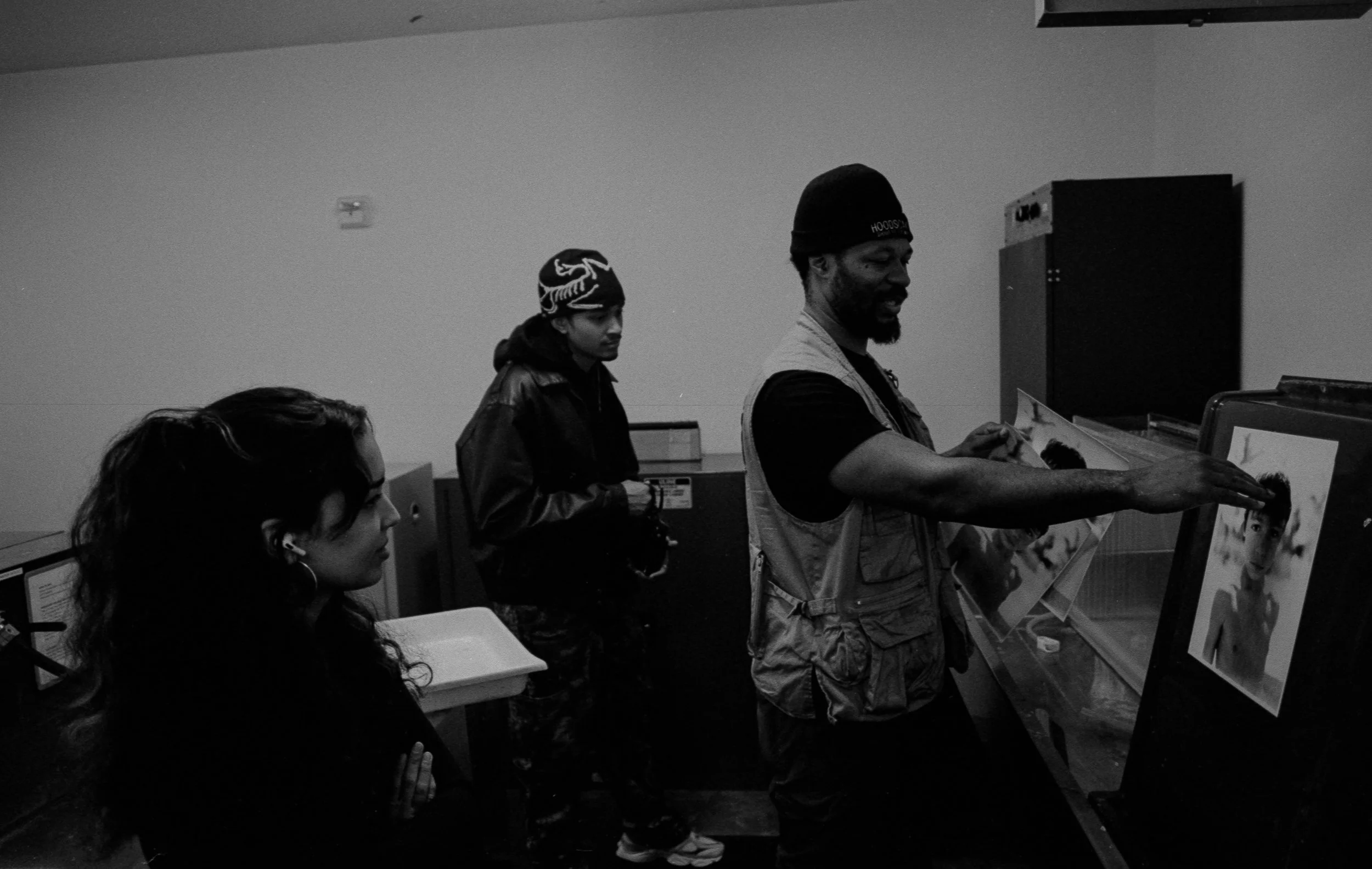
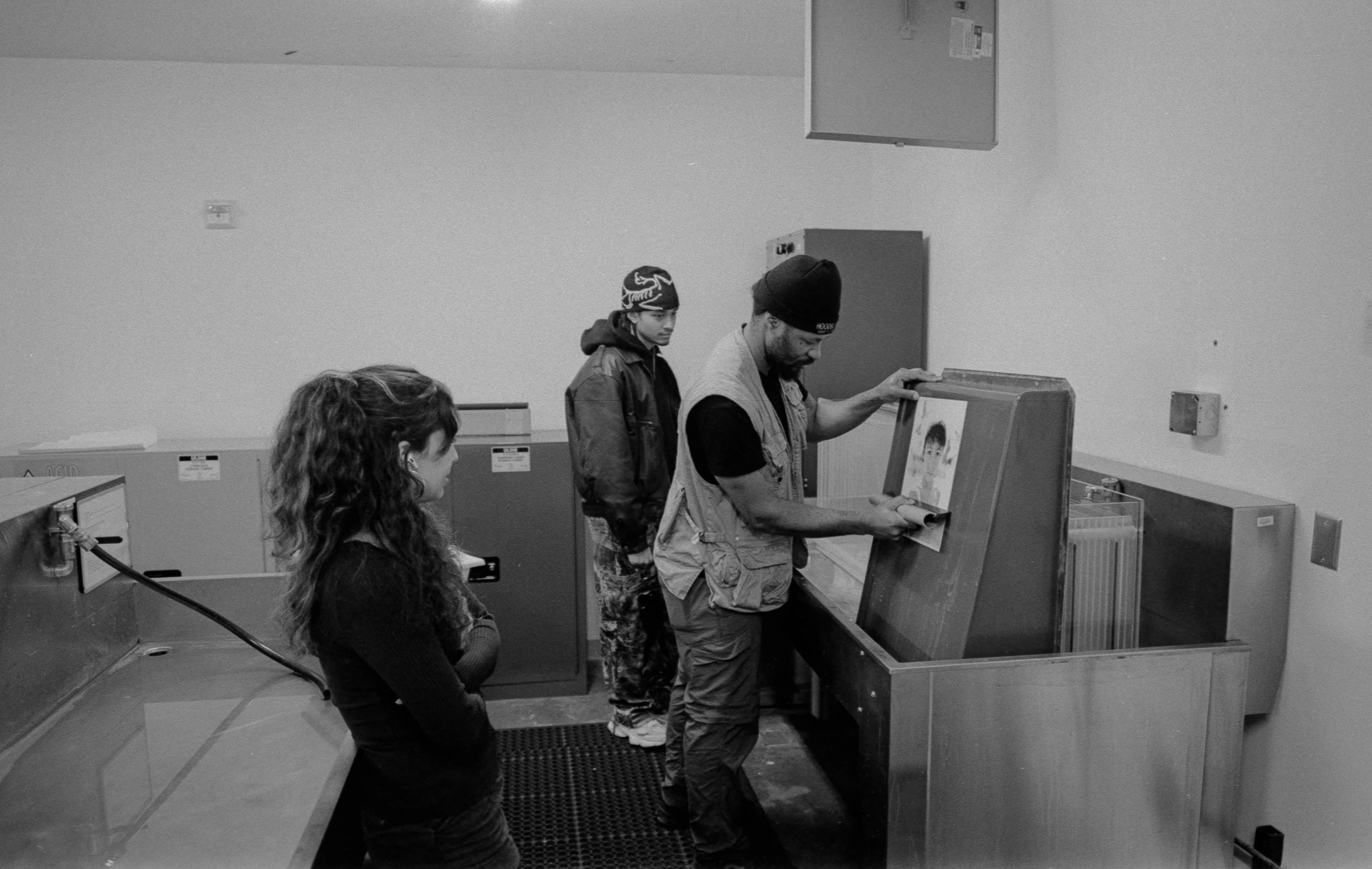
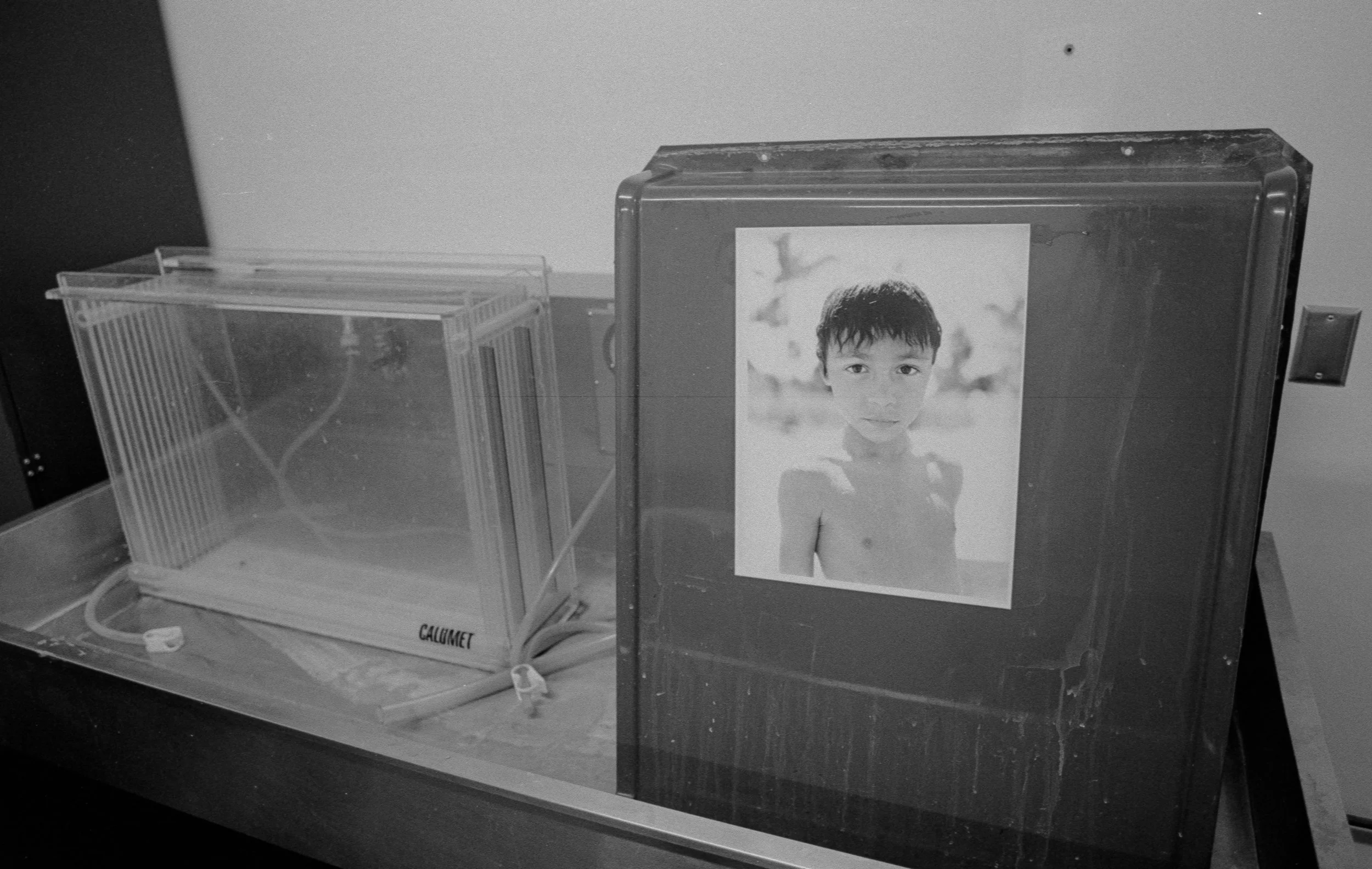
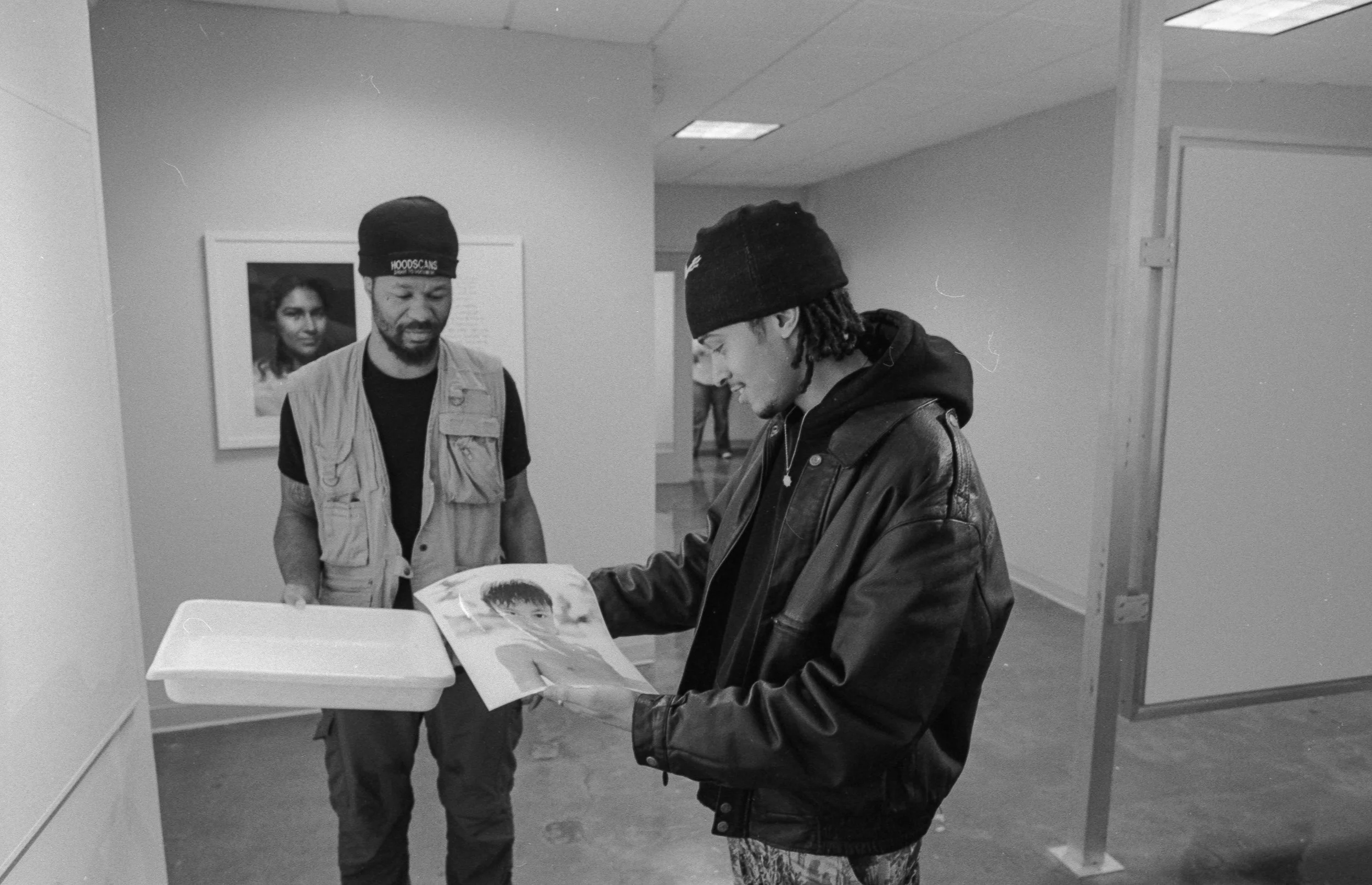
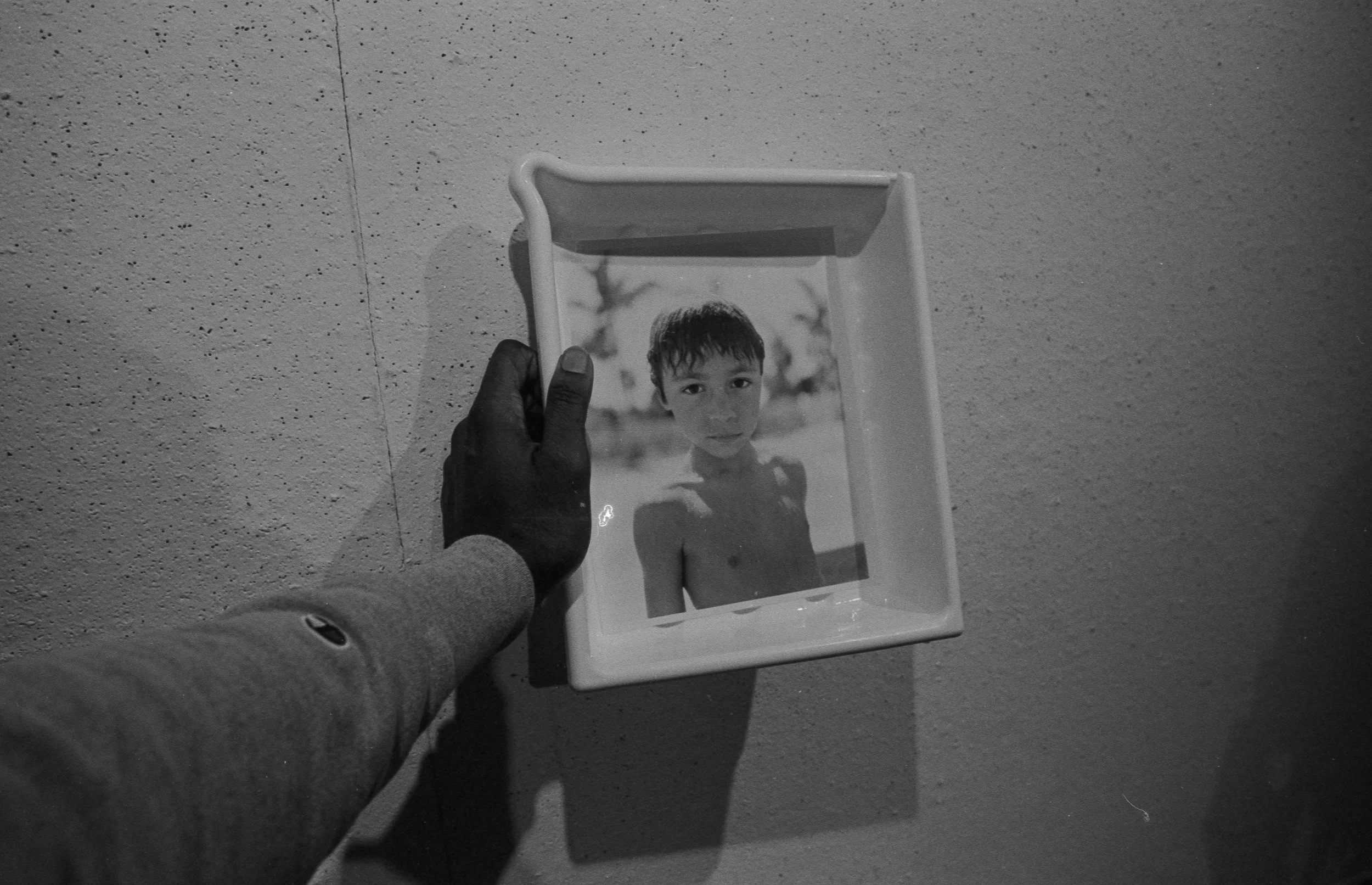
I had the opportunity to learn from Quon, who walked us through the process of making contact sheets and printing multiple versions of a photograph of his son. Watching him work, I saw just how much intentionality goes into every step, how the smallest adjustments can shift an image from good to perfect. It is a process, one that requires patience and precision, and I was locked in.
Test Prints, Timing and Ilford Paper
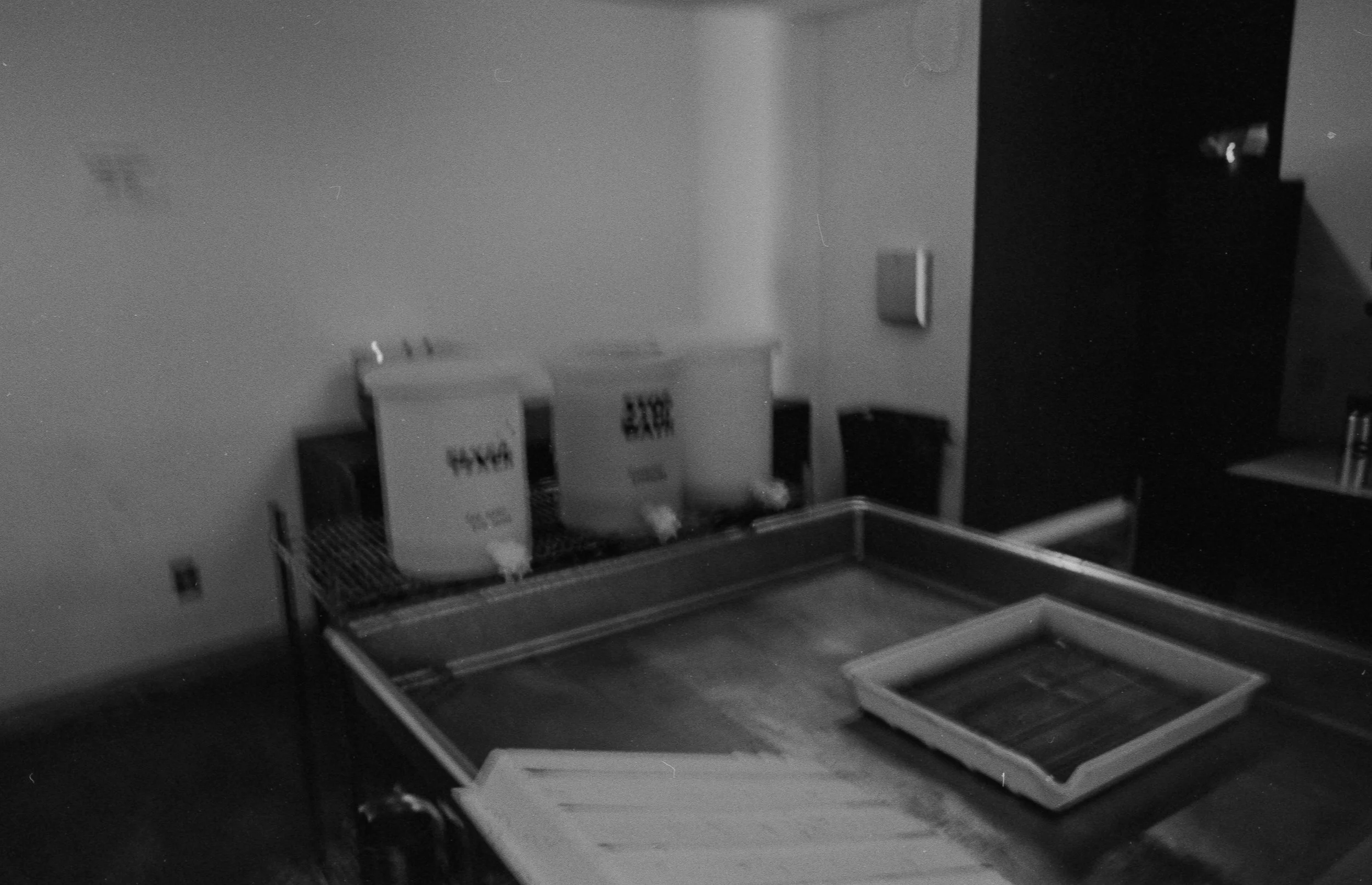
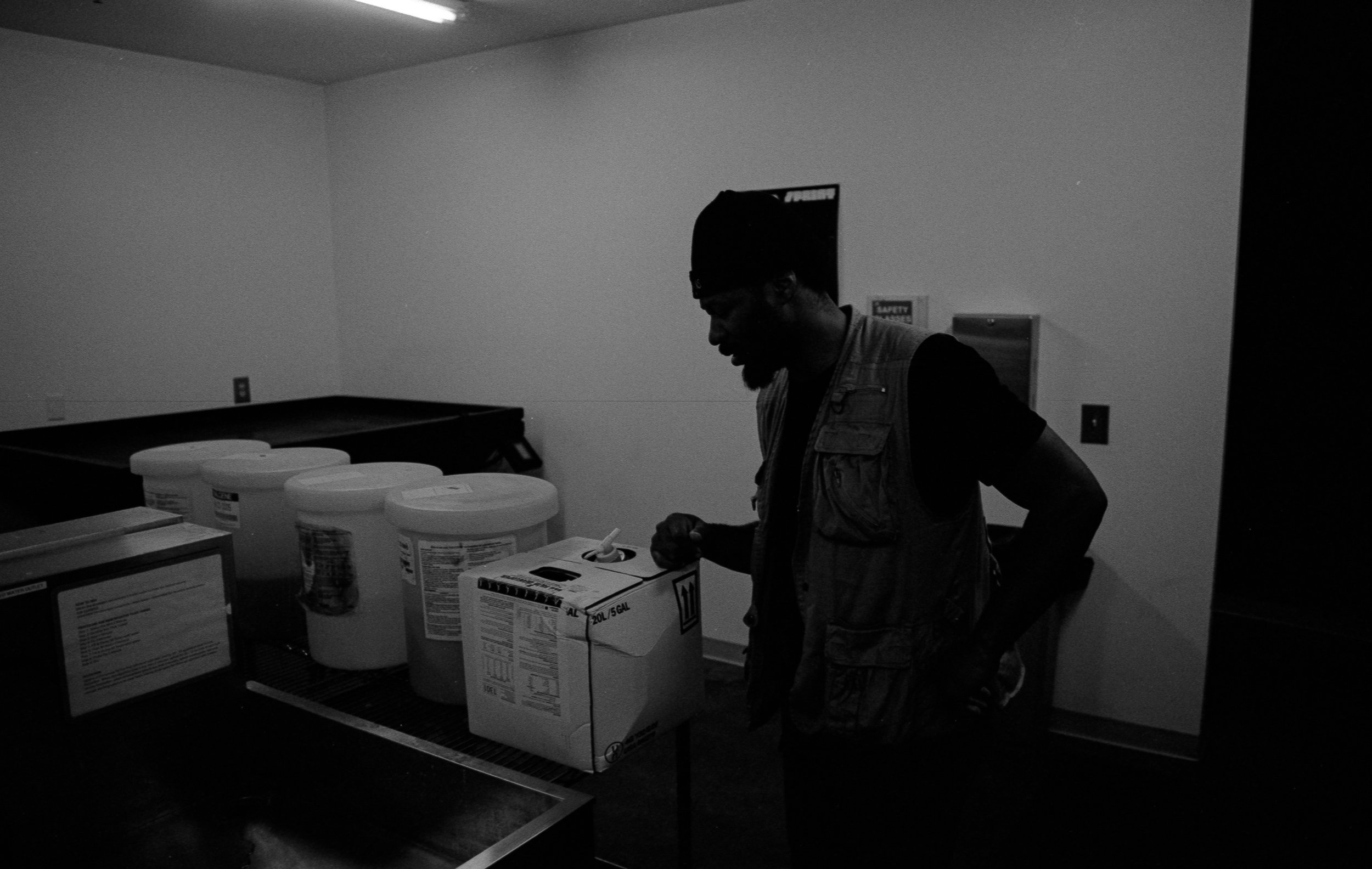
Quon started by showing us how to develop using test prints, small sections of the print that help you figure out the right exposure time before committing to a full print. It is a game of trial and error, but a necessary one. I watched as he dialed in the exposure, tweaking the time until the contrast and tones sat just right. Once that was locked in, he moved to Ilford paper, and immediately, the difference in quality was clear. The weight, the depth, the richness, it is something you do not fully grasp until you see it in person.
I have always appreciated a good film scan, but a darkroom print That is something else. It is tangible in a way that digital just is not. It carries weight, literally and figuratively.
Slowly Building My Darkroom
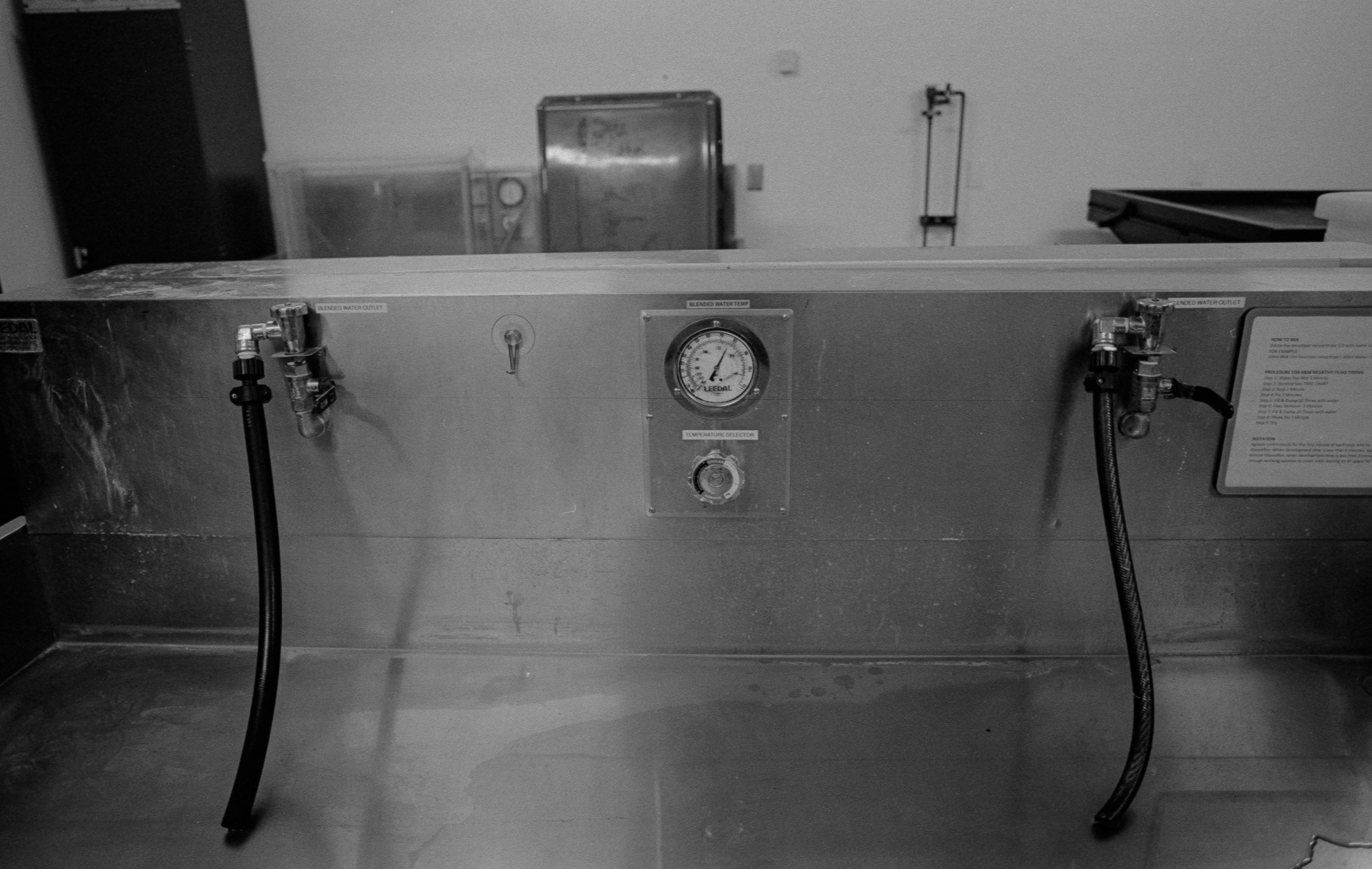
If today taught me anything, it is that I need to start building my own darkroom. Not in a rushed, throw it together kind of way, but the right way. Piece by piece, making sure everything is set up to produce the best prints possible. There is something about this process that feels like the natural next step in my photography journey. I have spent so much time perfecting my craft with the camera, but now it is time to take ownership of the final product, to print my own work, to see it through from start to finish.
I know it will not happen overnight. Darkroom printing takes patience, investment, and a lot of learning. But today gave me the push to get started.
Why Darkroom Printing Matters
In a world where images live on screens, holding a real print in your hands is different. It is archival, it is intentional, it lasts. Darkroom prints bring out textures, shadows, and depth in a way that digital just cannot replicate. Seeing Quon’s prints develop in the tray, watching the image come to life in real time, it hit different.
This is the next chapter. My photography is about storytelling, and I want to be in full control of that narrative, from the streets of Atlanta to the final print. So yeah, I am diving in.
I am excited to see where this goes. The process of printing feels like a whole new level of expression, and I am ready to take my time and do it right.

Check back Sunday @ 10am..
With Love,
Stan