014: First Time in the Darkroom, Learning the Process and Falling in Love with Prints
First Time in the Darkroom, Learning the Process and Falling in Love with Prints
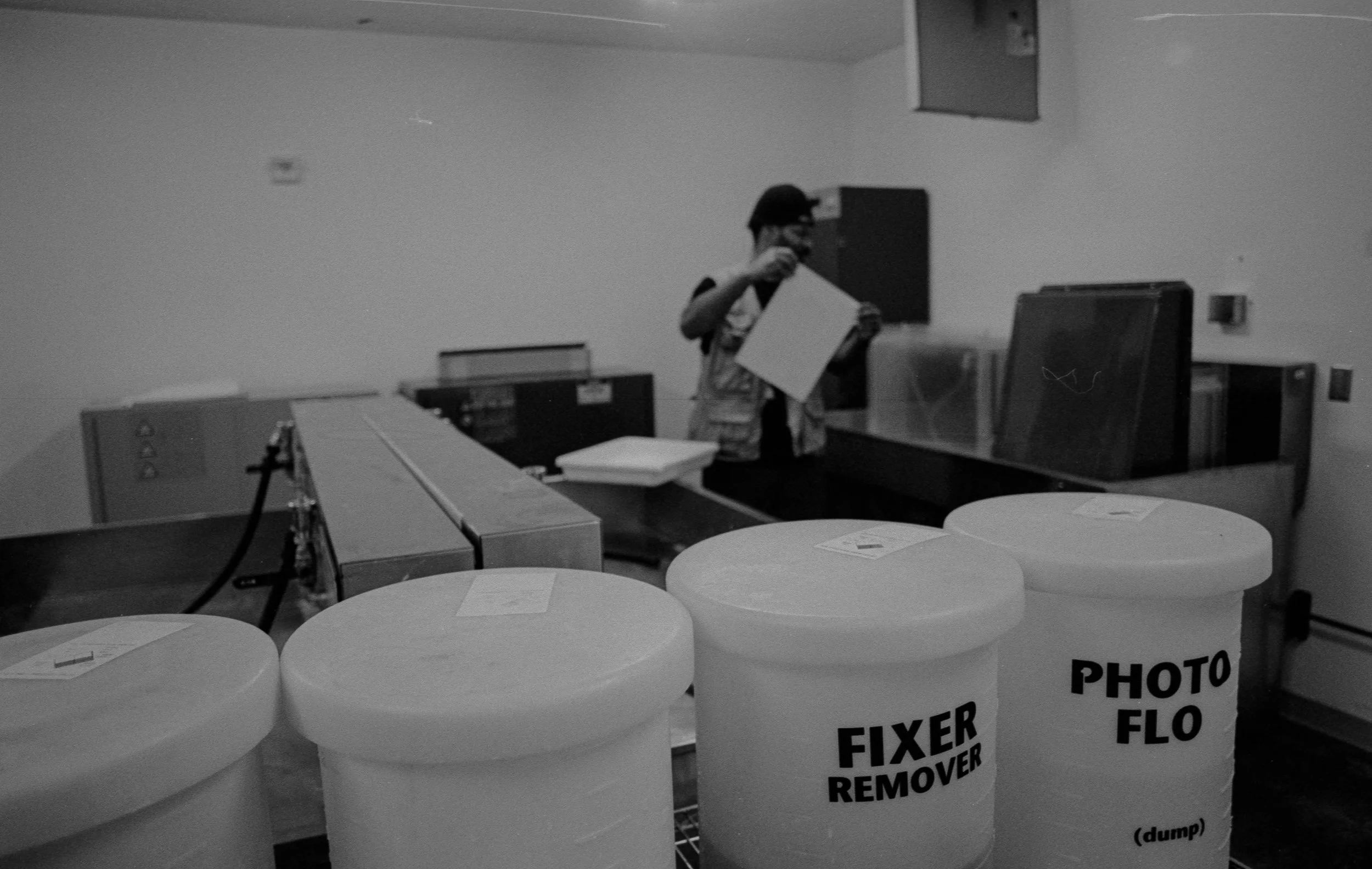
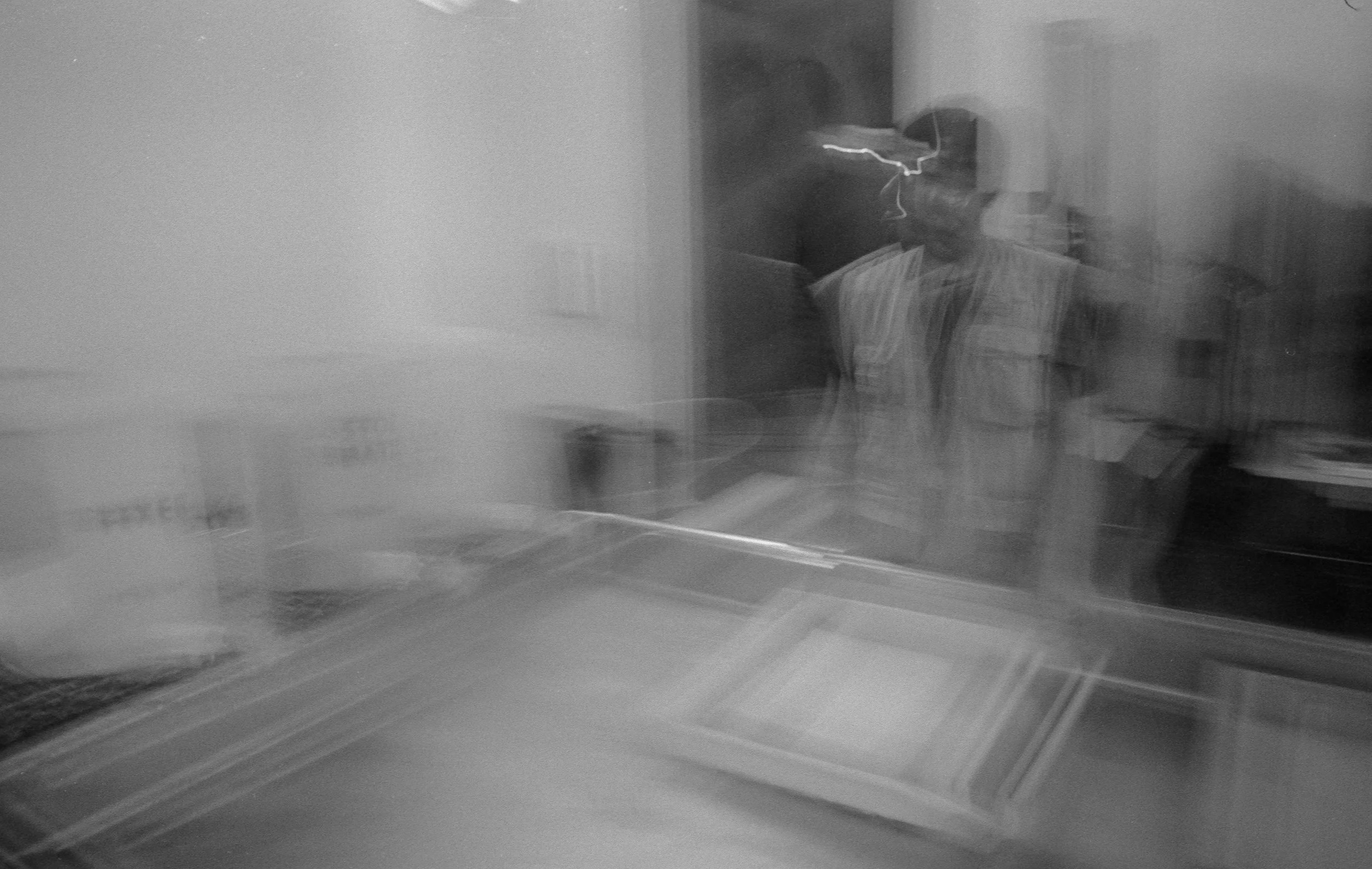
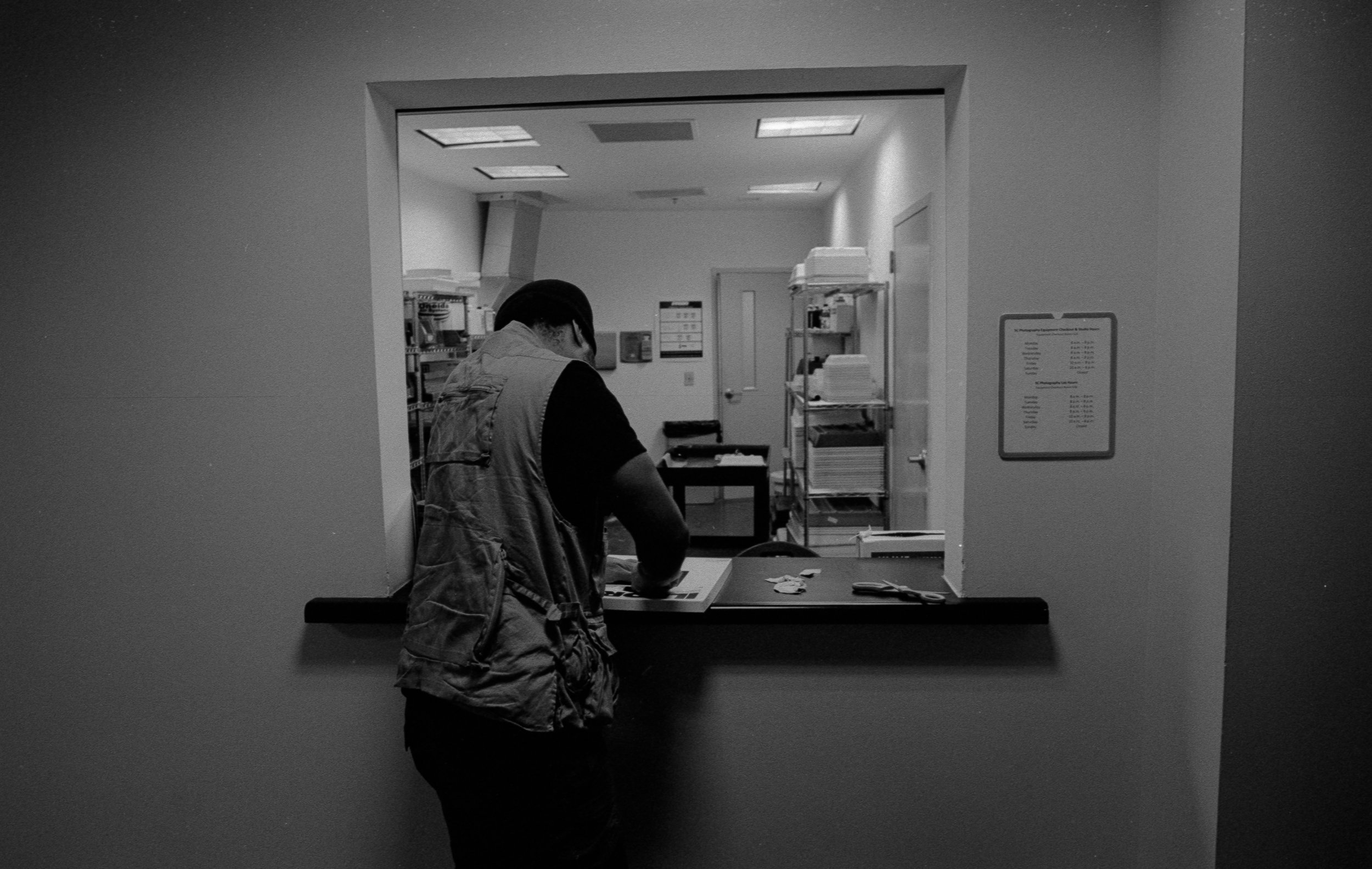
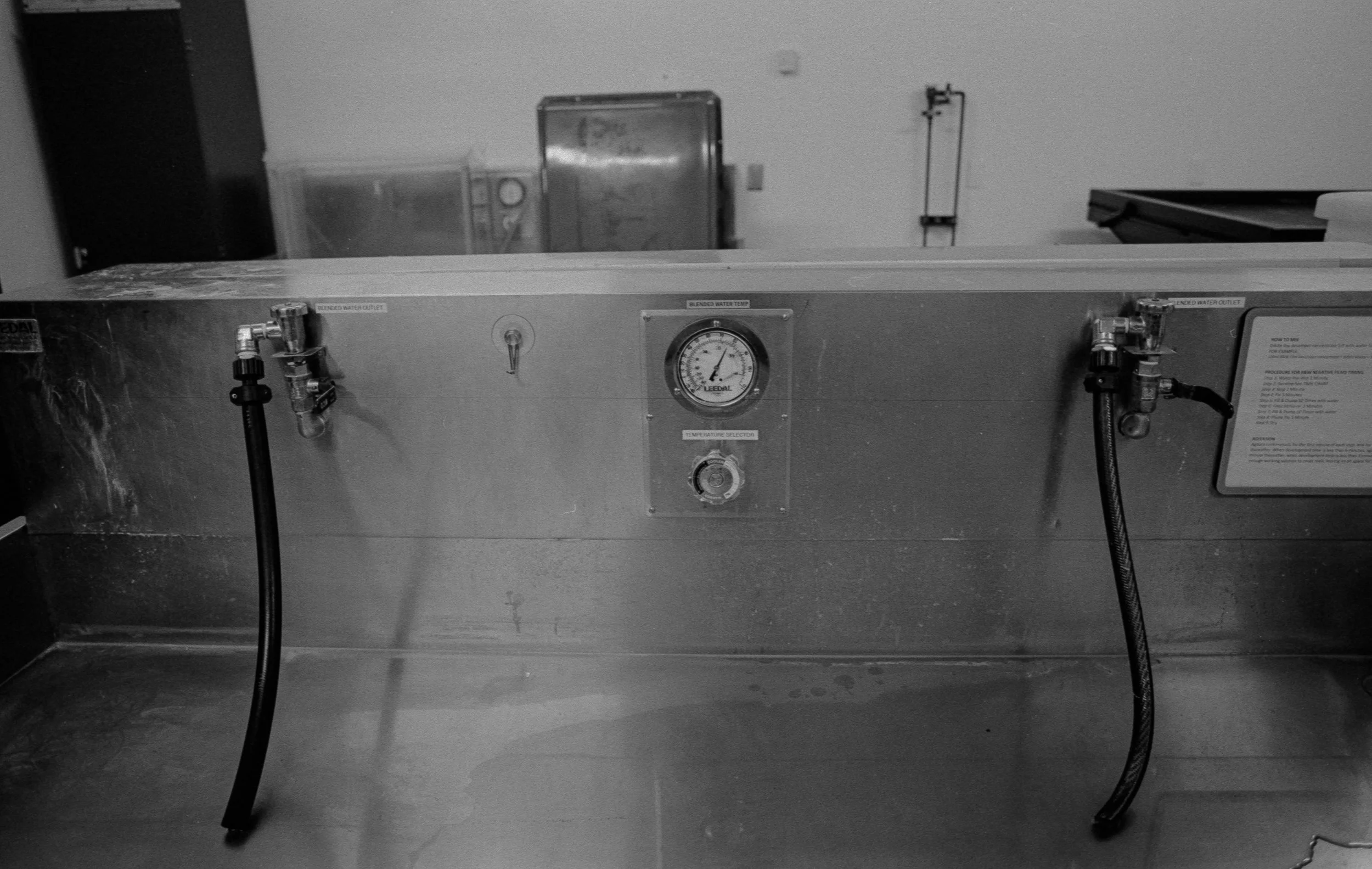
Today was different. I stepped into the darkroom for the first time, and everything changed. I have been photographing on film for years, developing at home, scanning my negatives, but actually printing That was new territory. And honestly, I get it now. The darkroom is where the real magic happens.
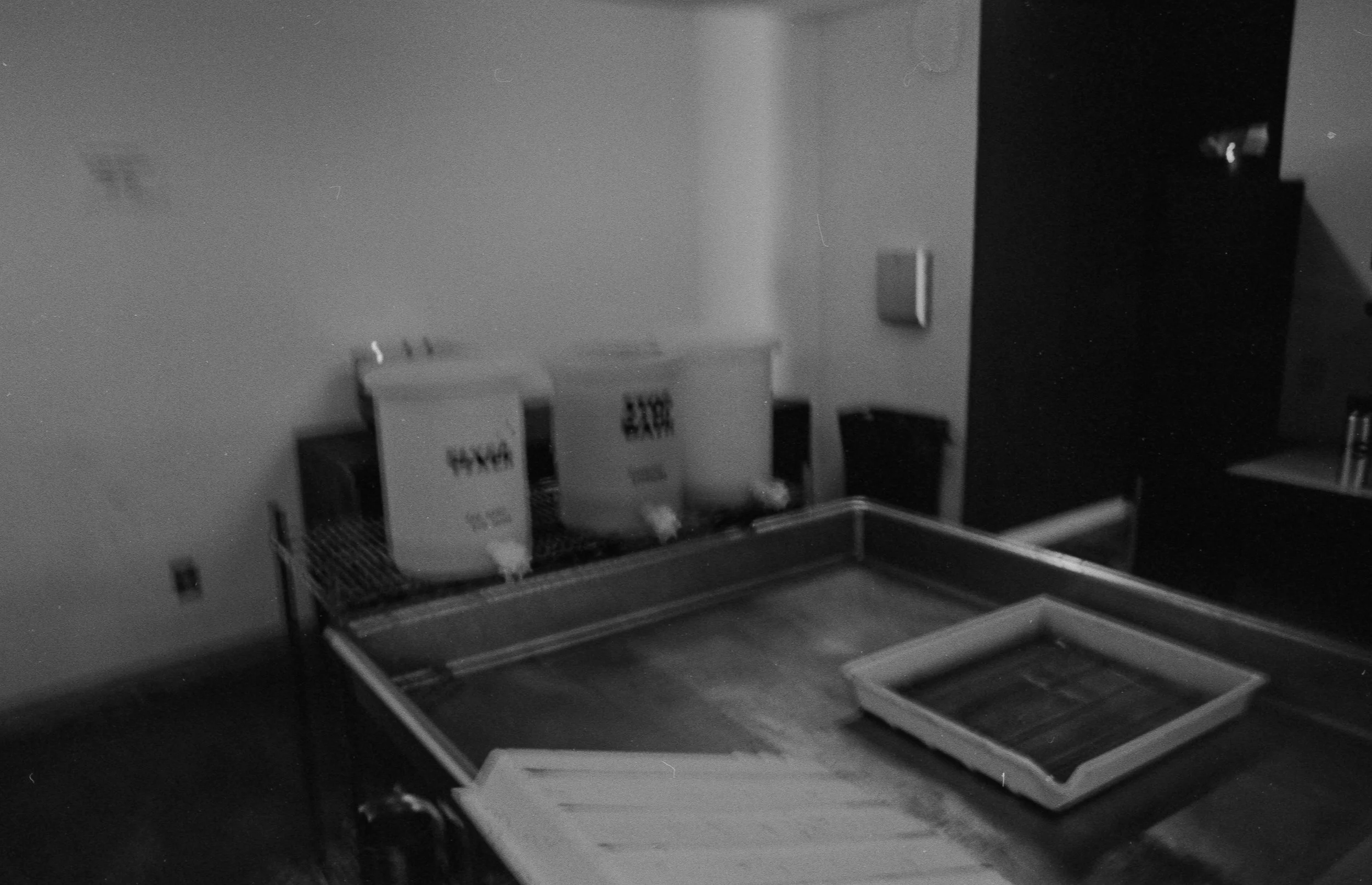
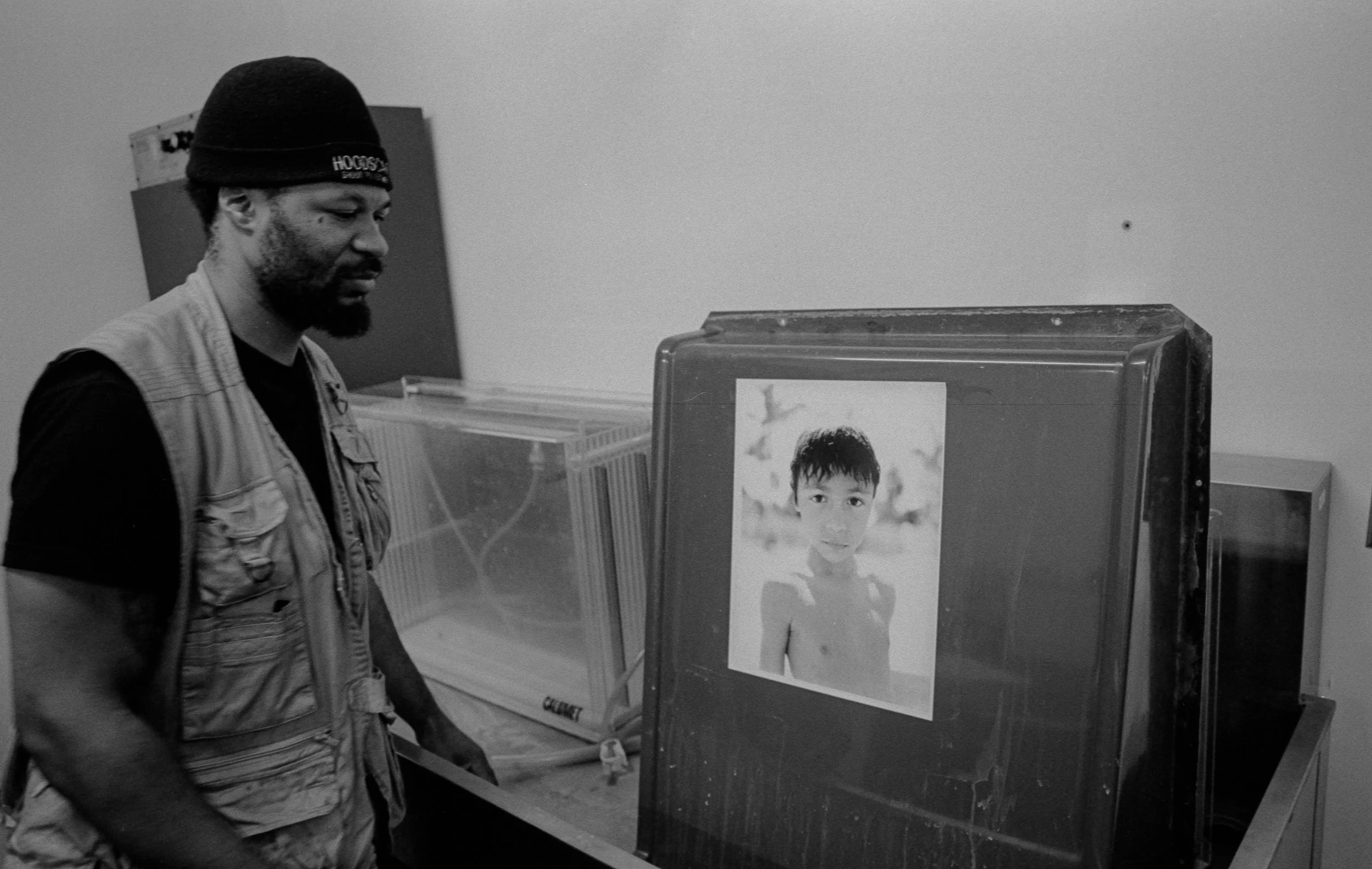
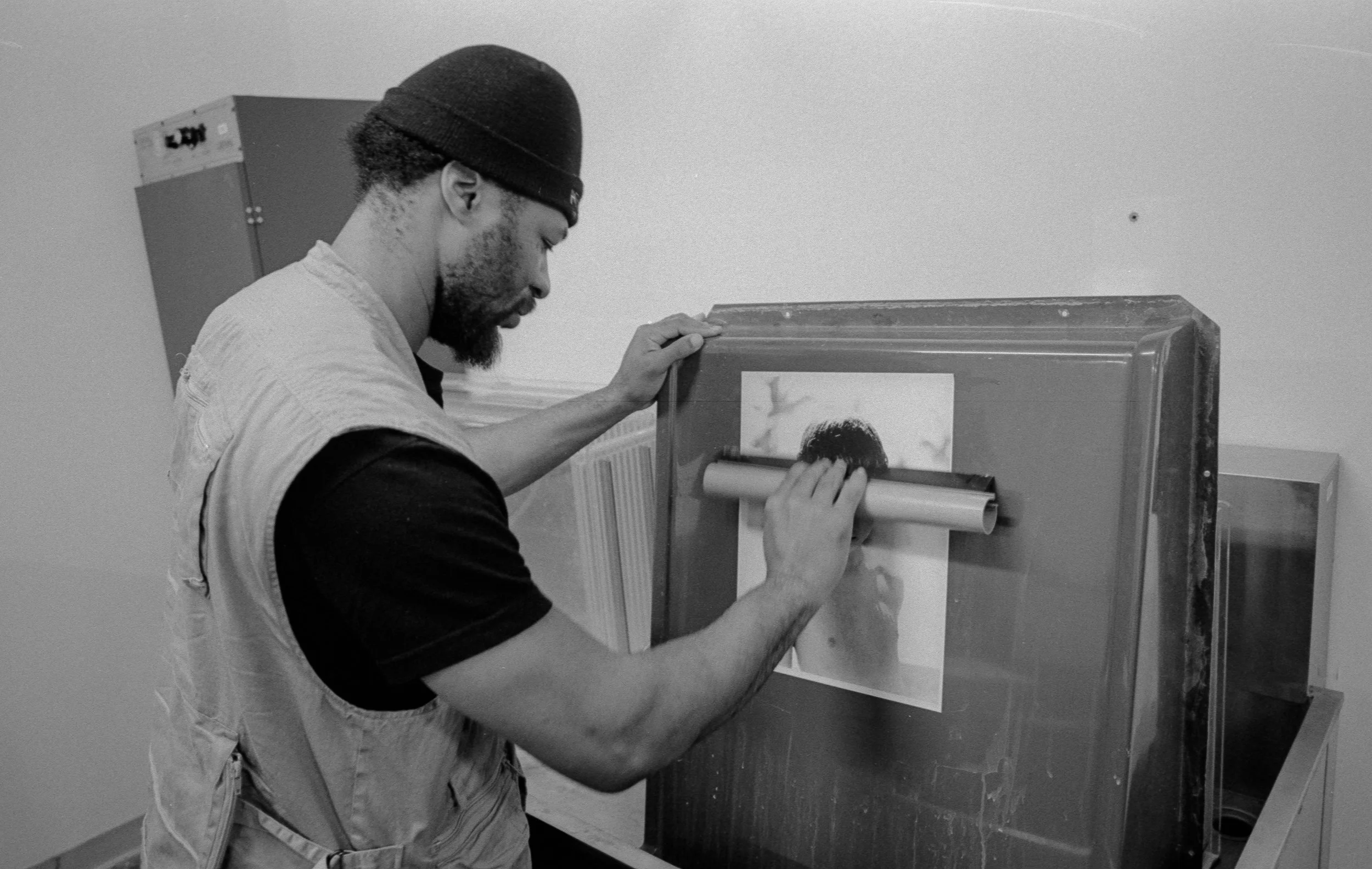
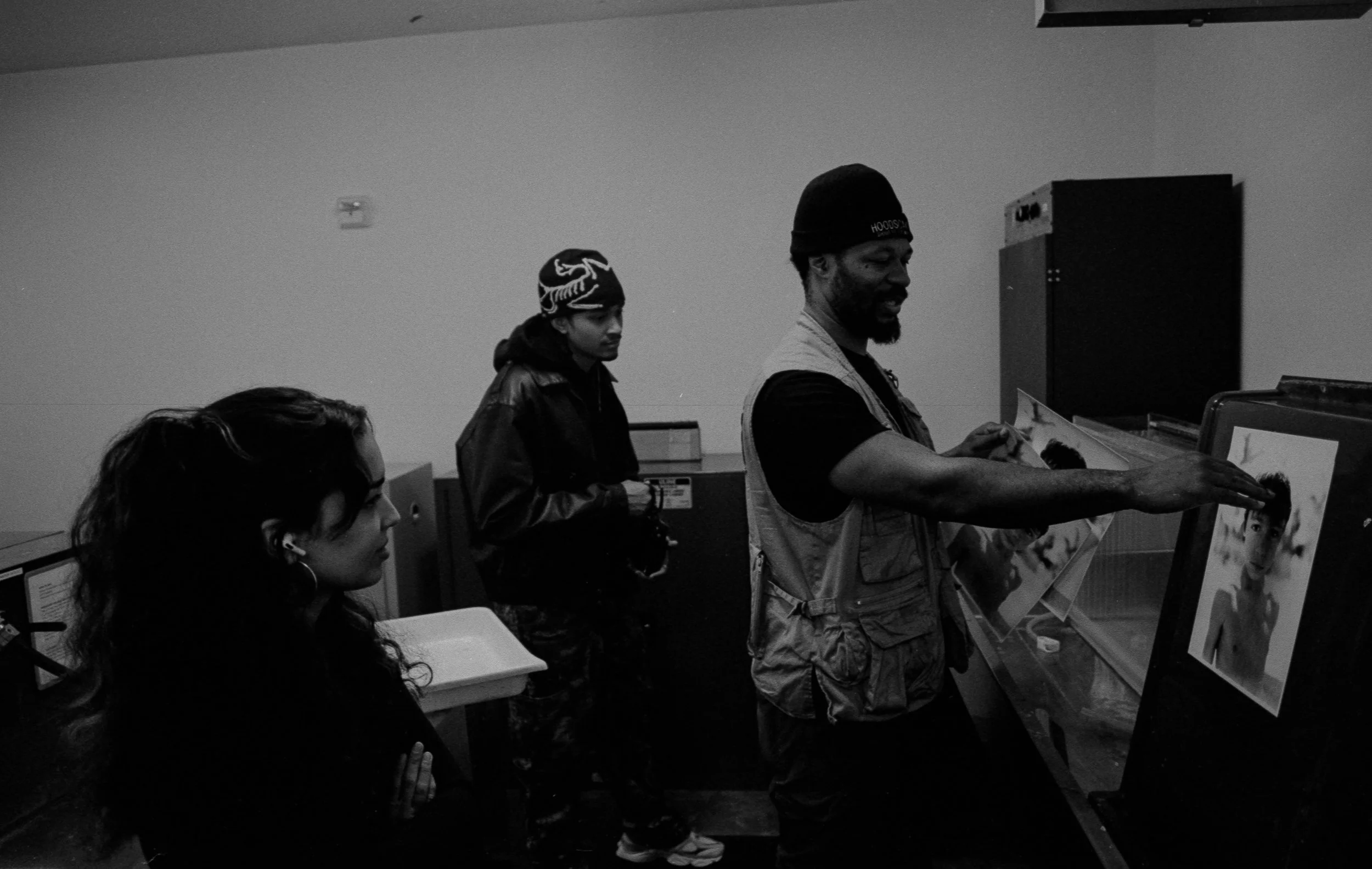
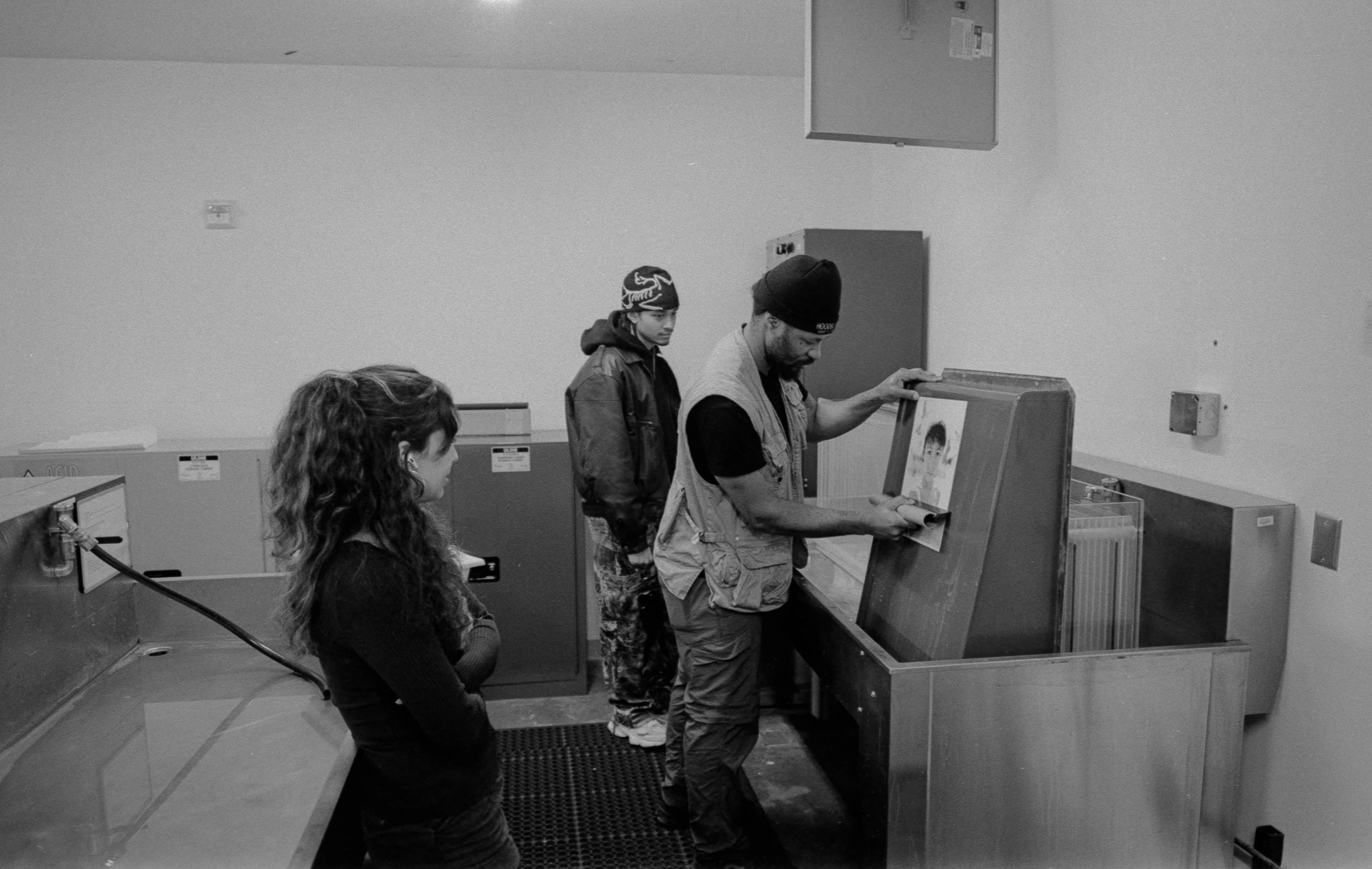
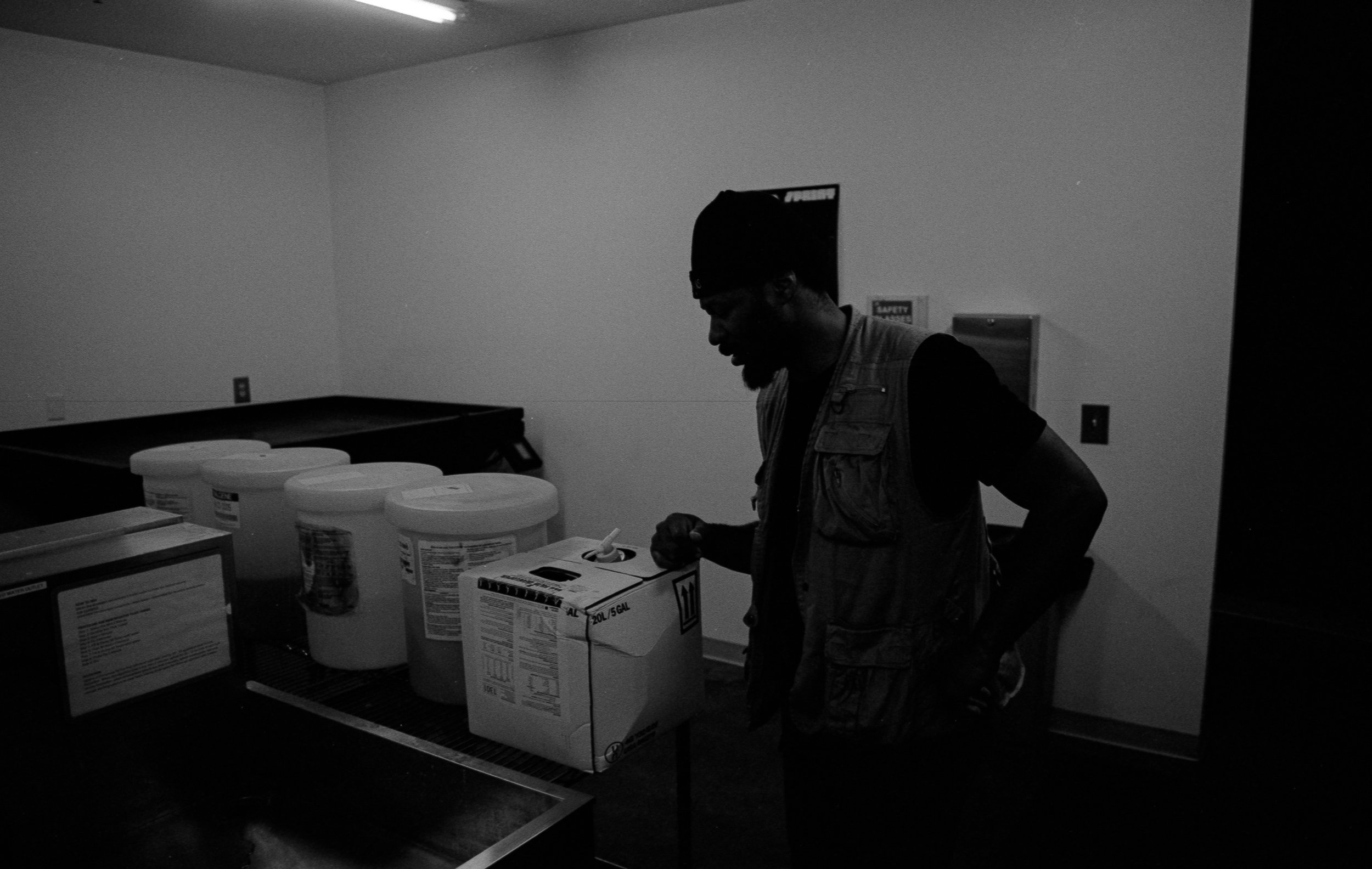
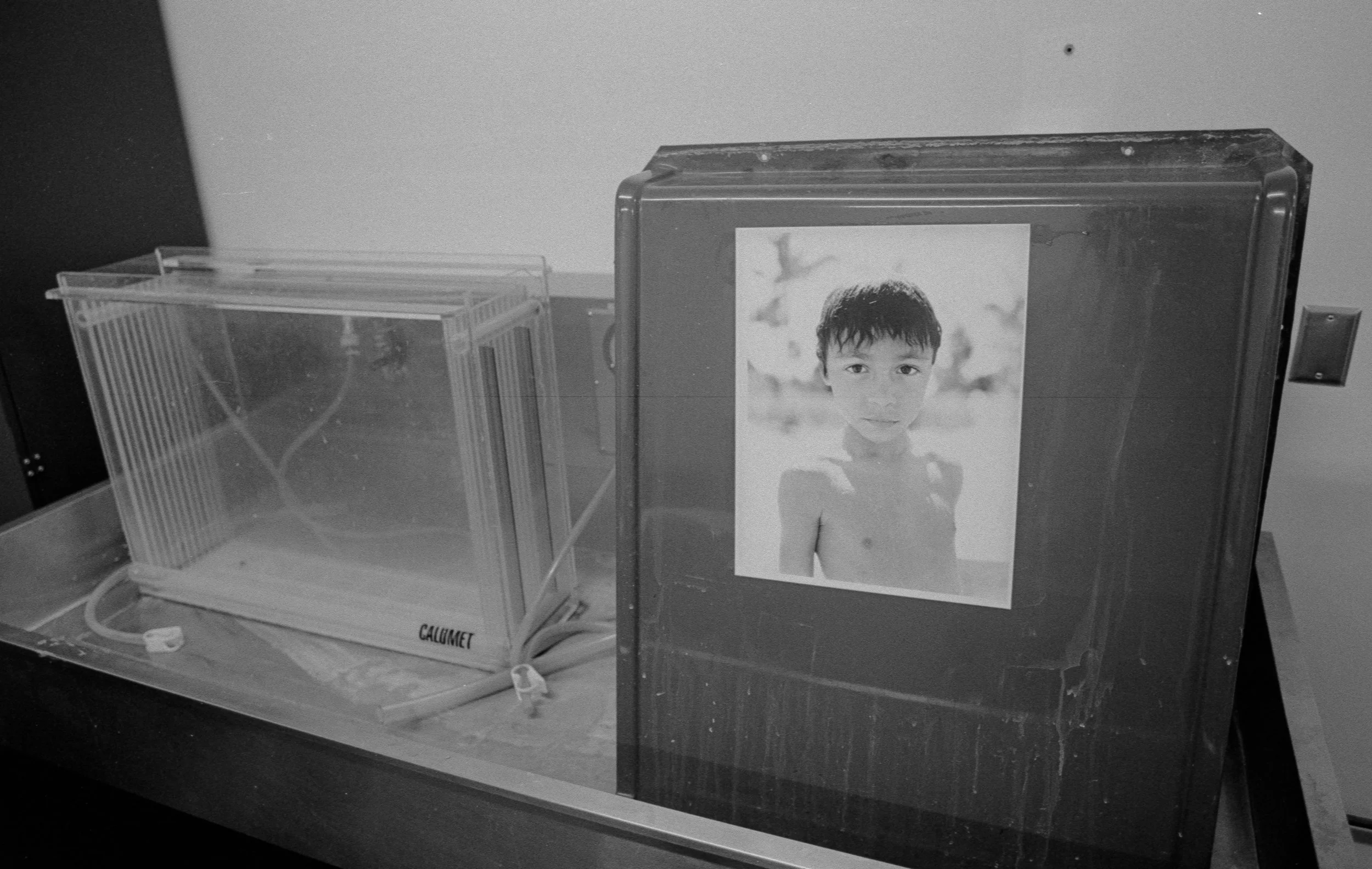
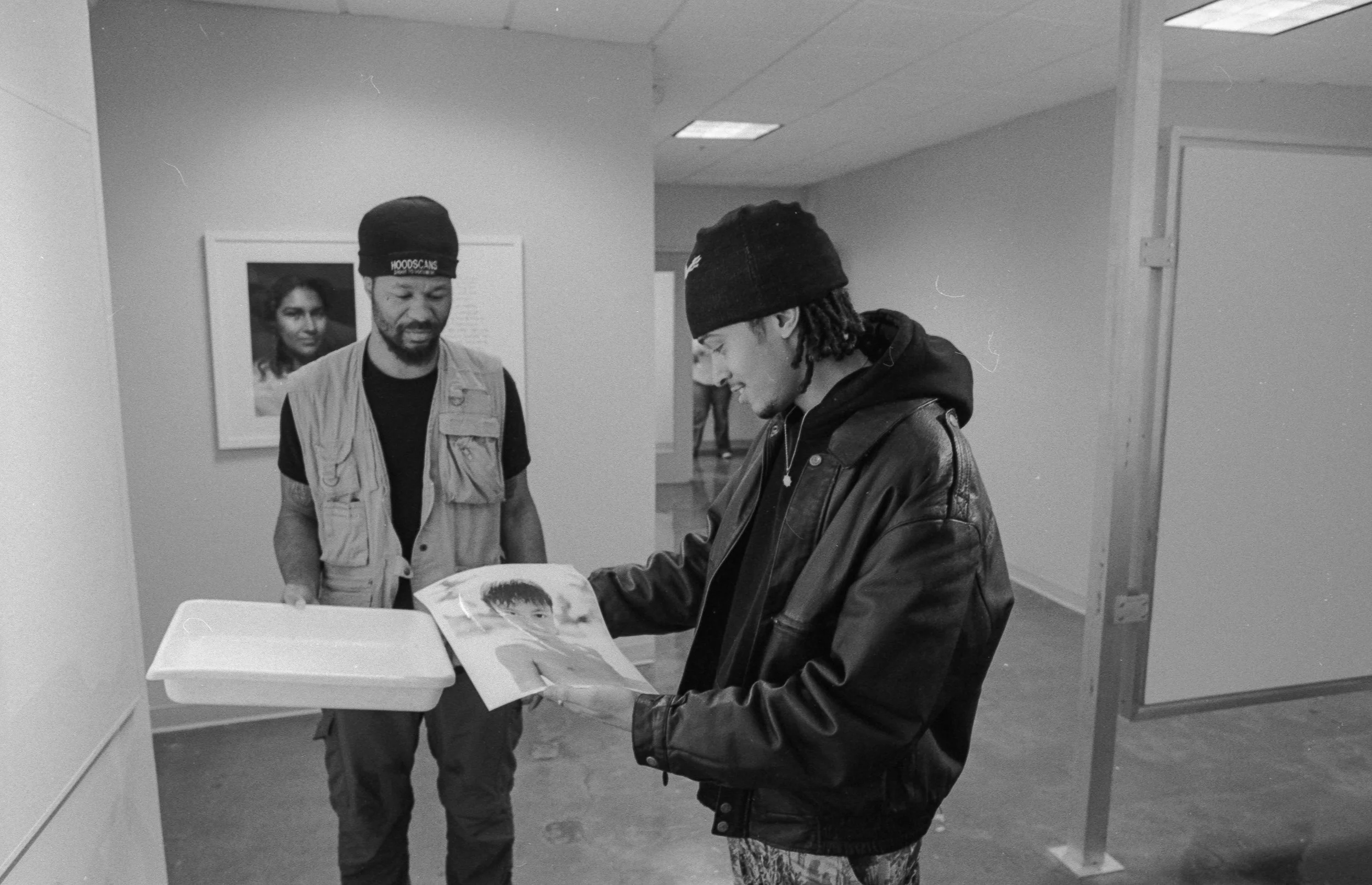
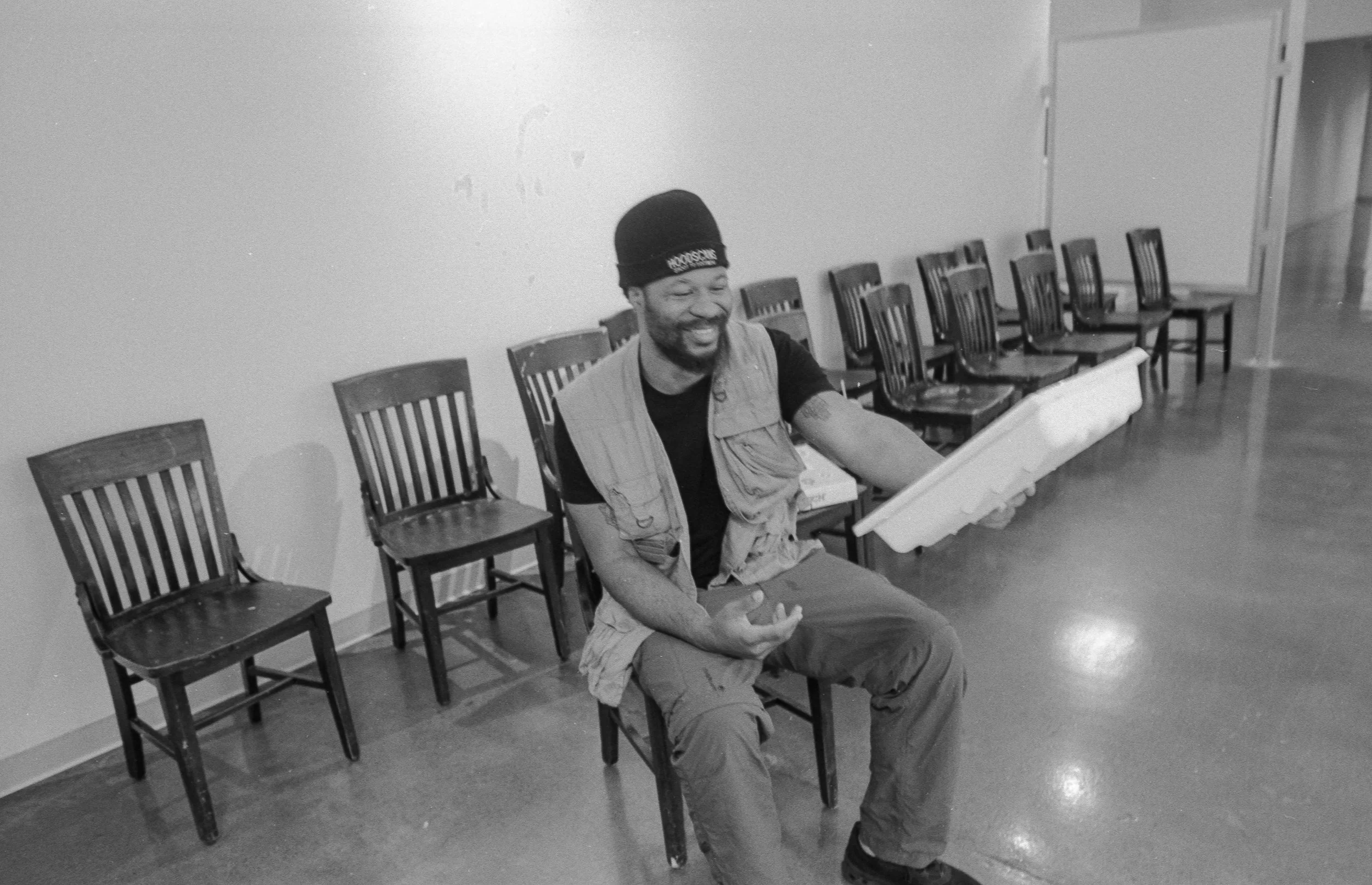
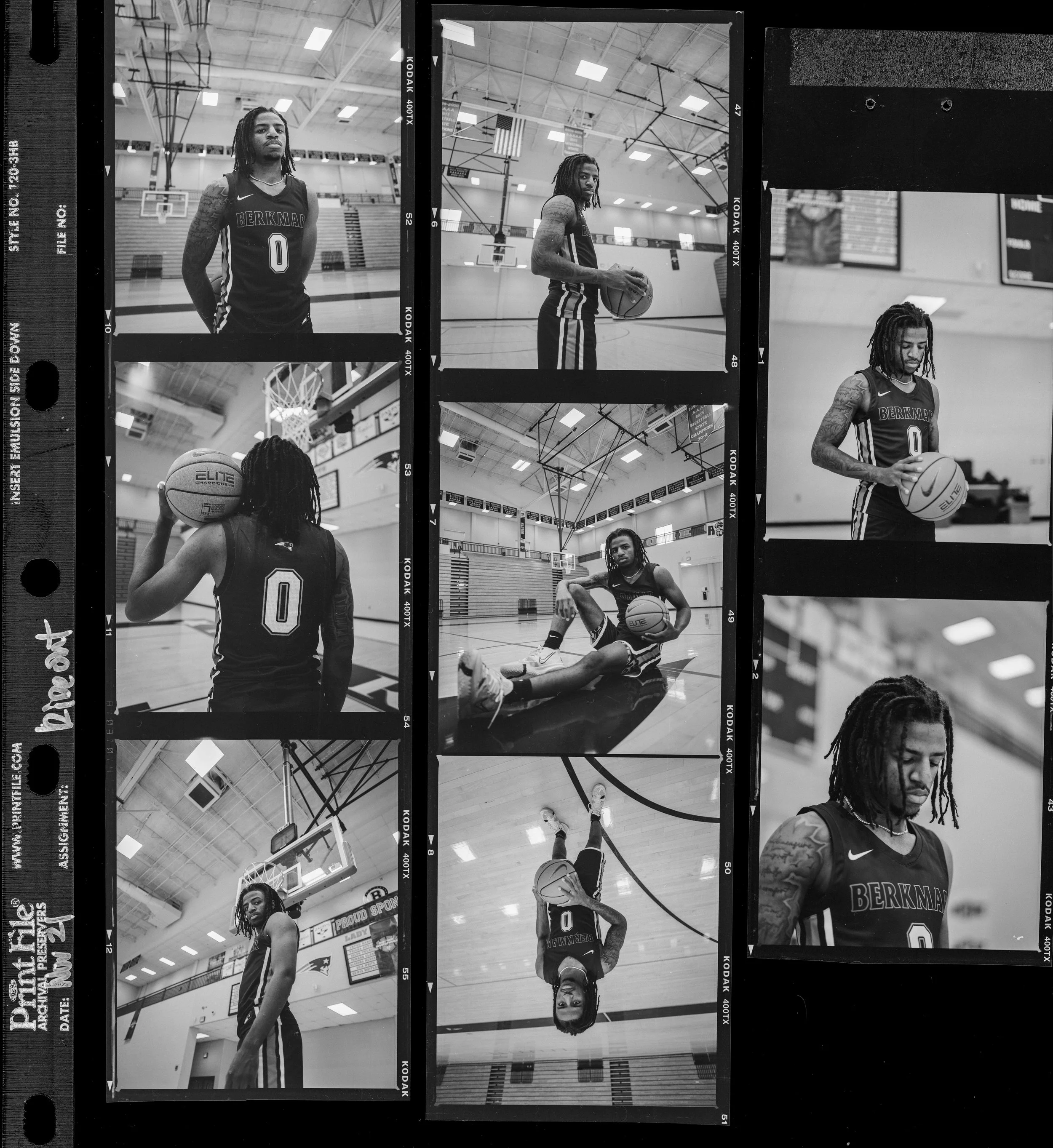
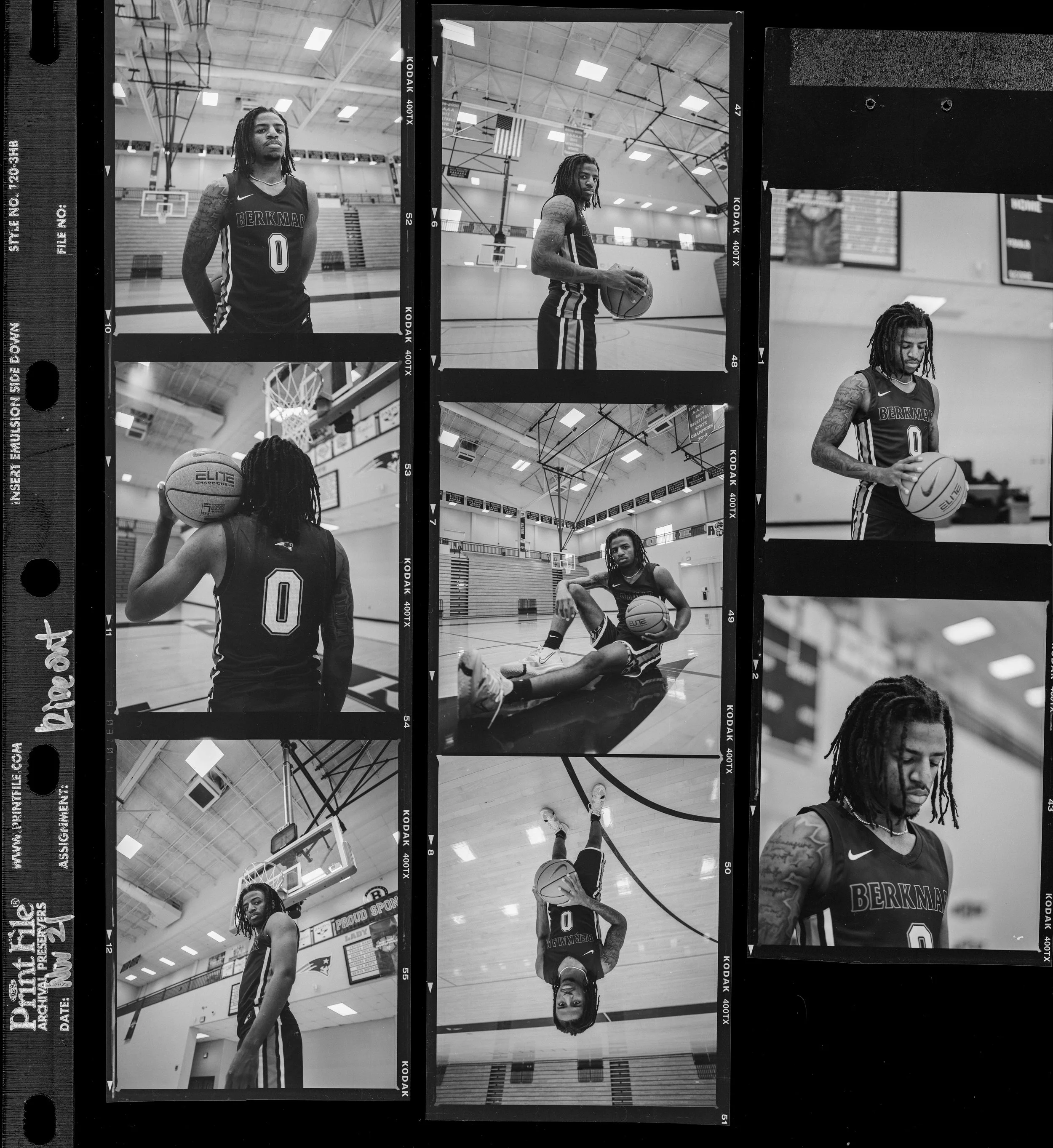
I had the opportunity to learn from Quon, who walked us through the process of making contact sheets and printing multiple versions of a photograph of his son. Watching him work, I saw just how much intentionality goes into every step, how the smallest adjustments can shift an image from good to perfect. It is a process, one that requires patience and precision, and I was locked in.
Test Prints, Timing and Ilford Paper
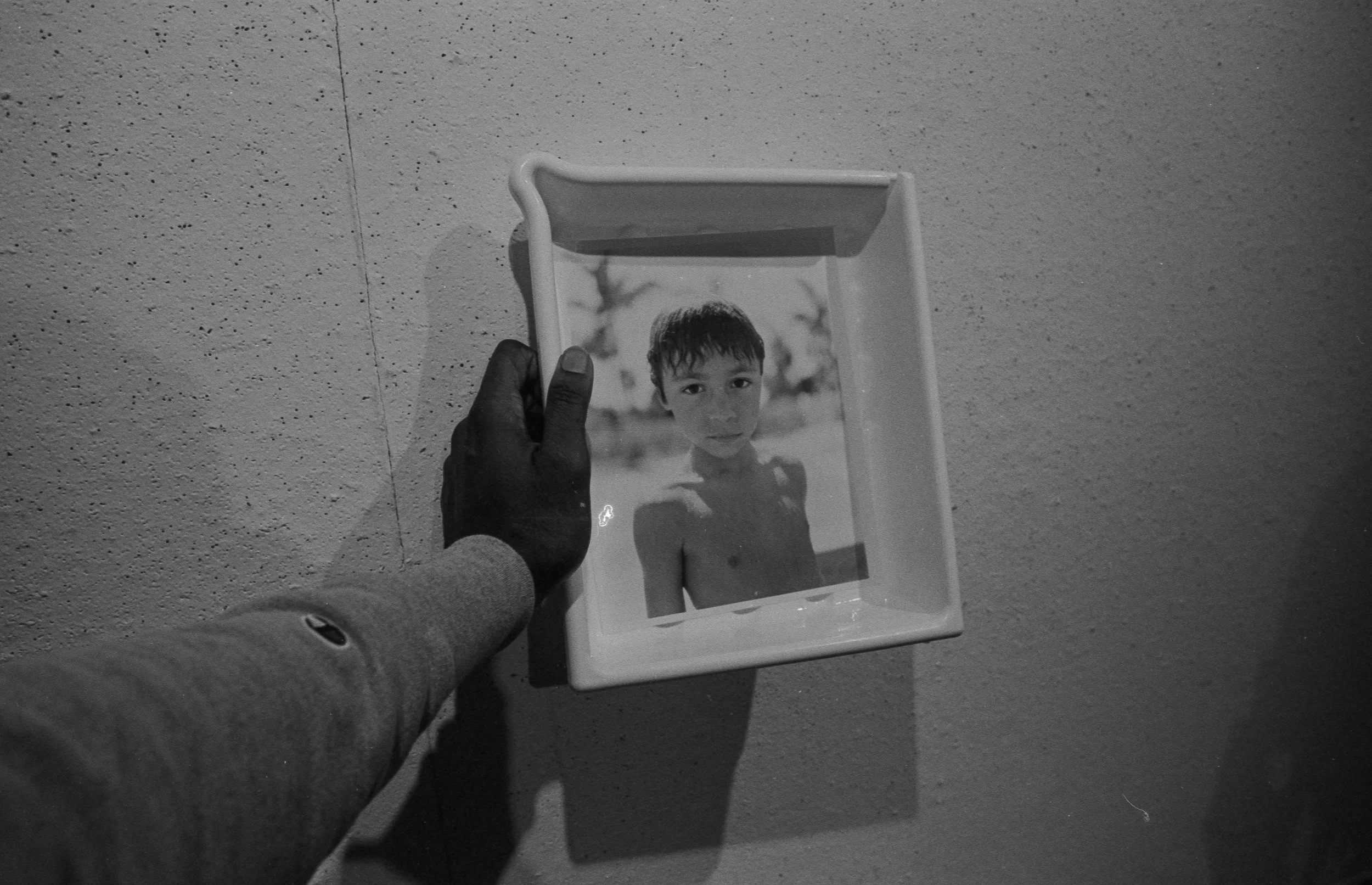
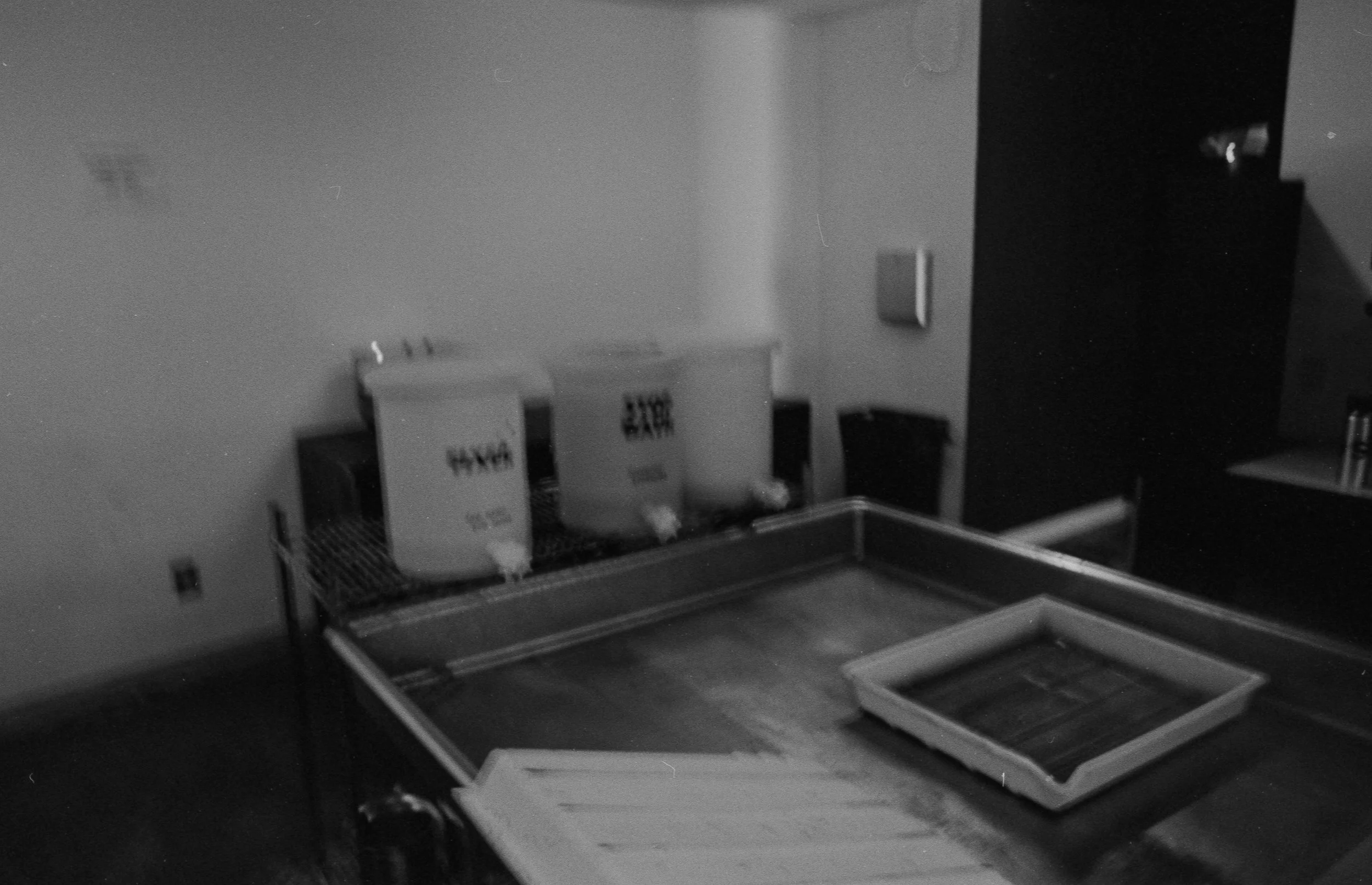
Quon started by showing us how to develop using test prints, small sections of the print that help you figure out the right exposure time before committing to a full print. It is a game of trial and error, but a necessary one. I watched as he dialed in the exposure, tweaking the time until the contrast and tones sat just right. Once that was locked in, he moved to Ilford paper, and immediately, the difference in quality was clear. The weight, the depth, the richness, it is something you do not fully grasp until you see it in person.
I have always appreciated a good film scan, but a darkroom print That is something else. It is tangible in a way that digital just is not. It carries weight, literally and figuratively.
Slowly Building My Darkroom
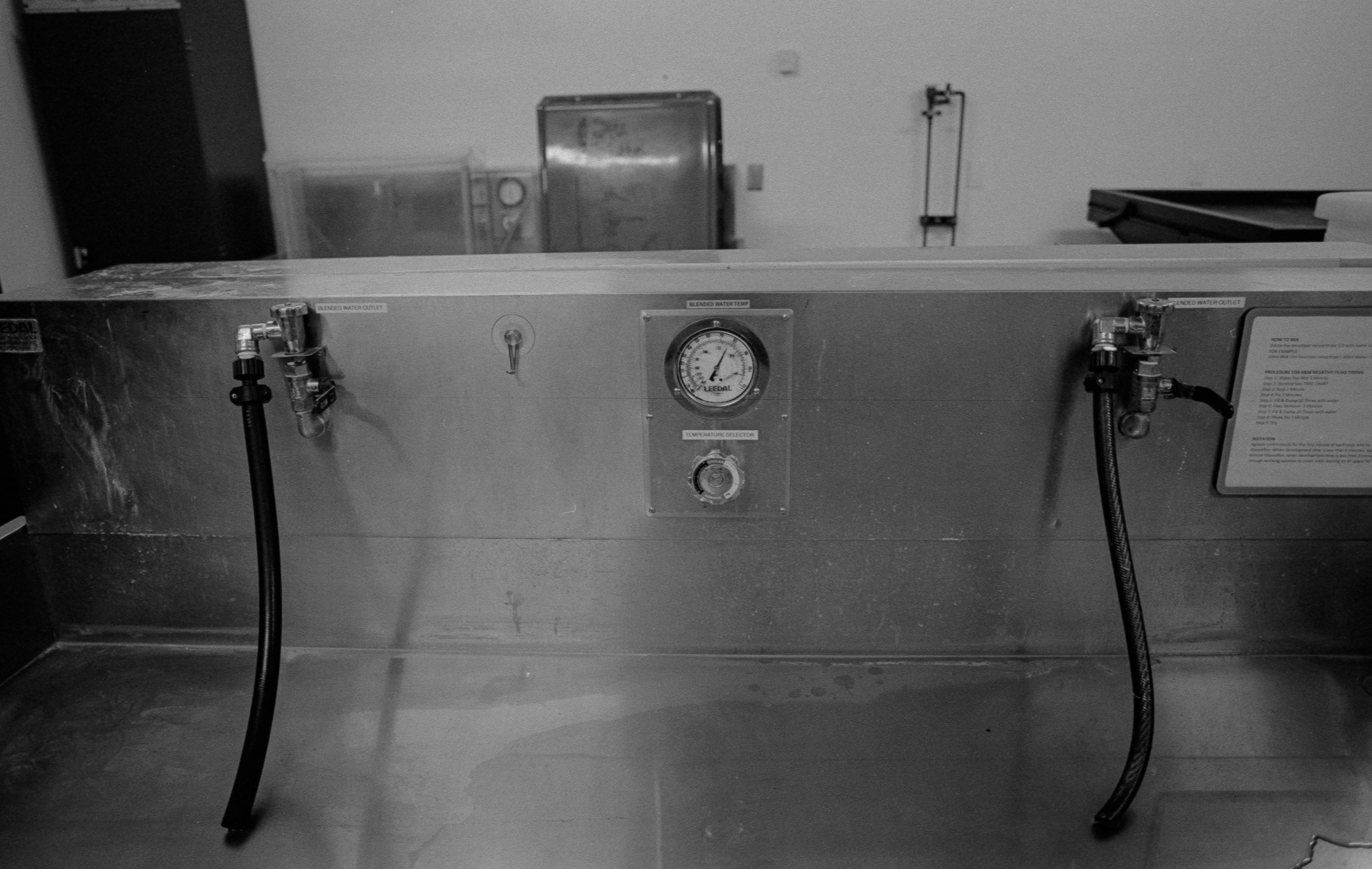
If today taught me anything, it is that I need to start building my own darkroom. Not in a rushed, throw it together kind of way, but the right way. Piece by piece, making sure everything is set up to produce the best prints possible. There is something about this process that feels like the natural next step in my photography journey. I have spent so much time perfecting my craft with the camera, but now it is time to take ownership of the final product, to print my own work, to see it through from start to finish.
I know it will not happen overnight. Darkroom printing takes patience, investment, and a lot of learning. But today gave me the push to get started.
Why Darkroom Printing Matters
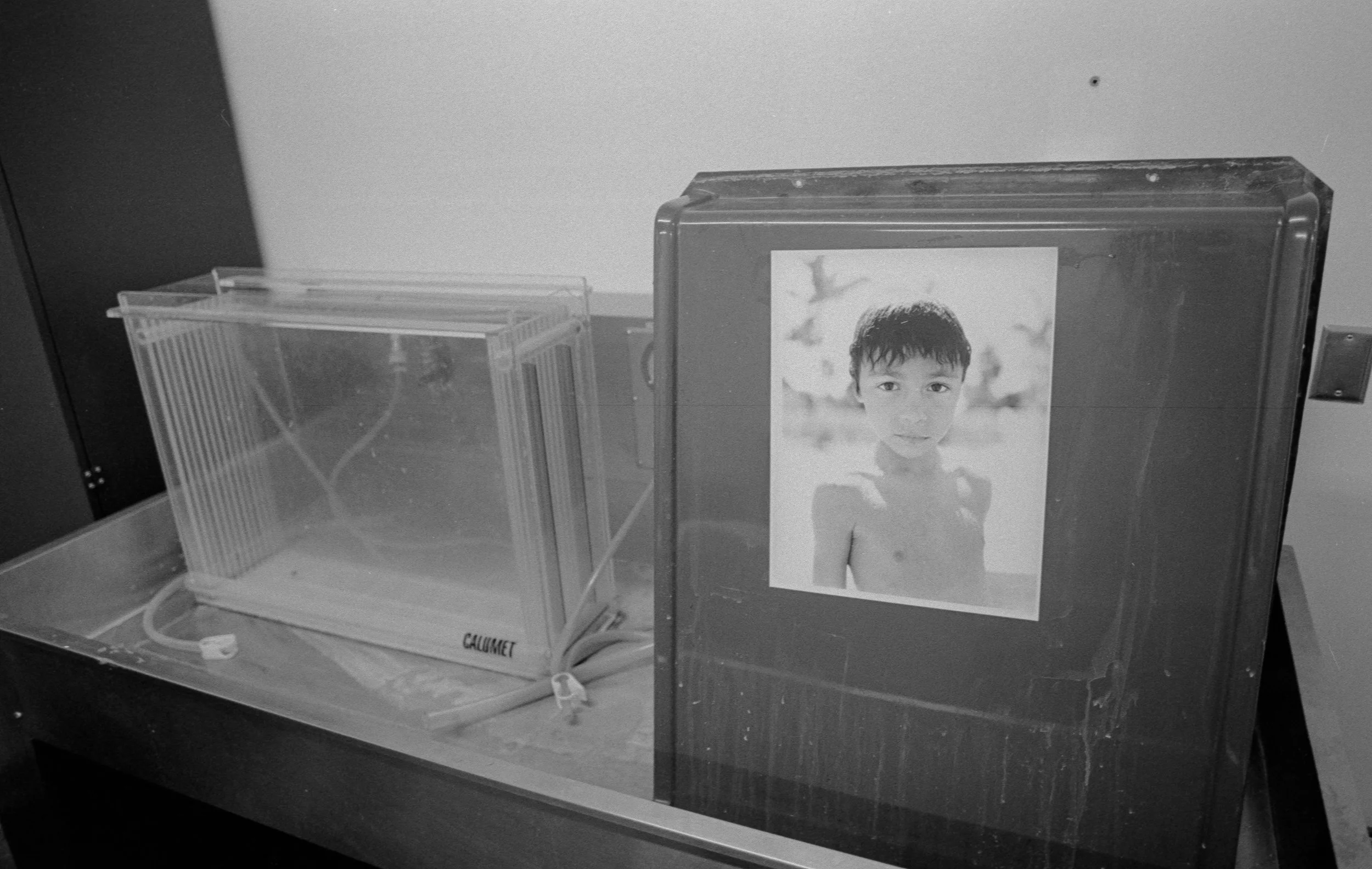
In a world where images live on screens, holding a real print in your hands is different. It is archival, it is intentional, it lasts. Darkroom prints bring out textures, shadows, and depth in a way that digital just cannot replicate. Seeing Quon’s prints develop in the tray, watching the image come to life in real time, it hit different.
This is the next chapter. My photography is about storytelling, and I want to be in full control of that narrative, from the streets of Atlanta to the final print. So yeah, I am diving in.
I am excited to see where this goes. The process of printing feels like a whole new level of expression, and I am ready to take my time and do it right.

008: The Art of Catching Up: Archiving Film and Developing My Backlog
If there’s one thing I’ve learned about working with film, it’s this: the process doesn’t stop when you finish photographing. The journey continues—meticulously developing rolls, archiving negatives, and staying on top of the mountain that is your film backlog. Spoiler alert: I’m nowhere near the summit.
Let me break it down: right now, I’m about 50% through my black-and-white film backlog. That’s the easy part, Kodak Tri-X 400 is my go-to, my bread and butter. It’s the film I trust for just about everything. I’ve got a few rolls of HP5+ sitting in the mix, maybe five or so waiting to be developed, but they’re rare for me. Black-and-white developing is my zone, though, and nobody’s touching those rolls but me. There’s something sacred about the process: mixing the chemicals, timing each step to perfection, and watching the images come to life. It’s personal. It’s mine.
But 120 film? I’ve barely scratched the surface, 10% done, if I’m being generous. And then there’s my color film. That’s the real dilemma. Do I send it to my trusted developer in Orlando, or do I finally bite the bullet and start developing color film myself? It’s not that I can’t handle it. I just…haven’t. Color film is a beast of its own. The chemistry, the precision, the temperature control—it’s a lot. Black and white feels like home; color feels like a science experiment I’m not quite ready for.
Archiving My Film: Why It Matters
Archiving is a whole other layer of responsibility. Once the negatives are dry and cut, I sleeve them, label them, and file them away in binders organized by date, project, or sheer chaos, depending on how rushed I was at the time. This step isn’t glamorous, but it’s essential. Properly archived film ensures that my work is preserved for decades, maybe even longer. And for someone like me, who photographs stories and moments that matter, that preservation is non-negotiable.
Archiving also feeds into my creative process. Flipping through those binders sparks ideas for new projects, reminds me of what I’ve already created, and pushes me to keep going. It’s like keeping a journal, except instead of words, it’s negatives.
The Color Film Saga
Now back to that color film backlog. We’re talking Portra 400, Ektar, and maybe a roll or two of Cinestill 800T—my absolute favorites. But they’re sitting there, waiting for me to make a decision. Orlando has always been my go-to for color developing because I trust them with my work. But as someone who prides himself on doing things hands-on, I feel like I’m letting myself down by outsourcing.
Still, developing color film is intimidating. The chemistry feels less forgiving than black and white. The temperature needs to be spot-on, and there’s less room for error. But the idea of holding those freshly developed negatives, knowing I did it myself? That’s tempting.
As I sit here, staring at my binders of archived film and my ever-growing pile of undeveloped rolls, I’m reminded of why I chose this medium in the first place. Film forces you to slow down, to be intentional, and to take ownership of every part of the process. It’s not easy, but it’s worth it.
Now, if you’ll excuse me, I’ve got some developing to do.
Check back Sunday @ 10am..
With Love,
Stan