019: From Atlanta to Italy
From Atlanta to Italy
I’ve been sitting on these images for a while. Not because I didn’t like them, but because I needed time to see them clearly.
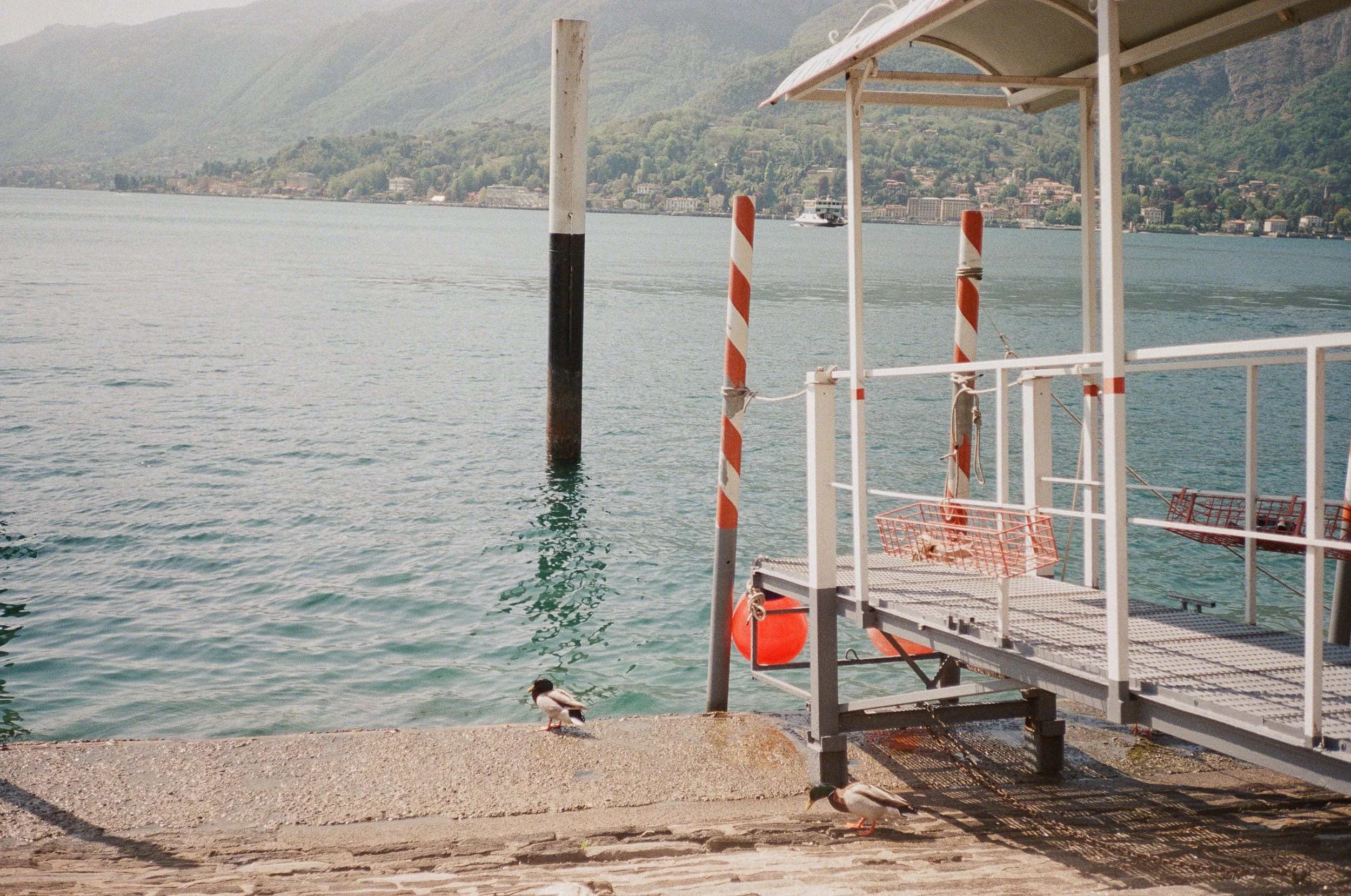
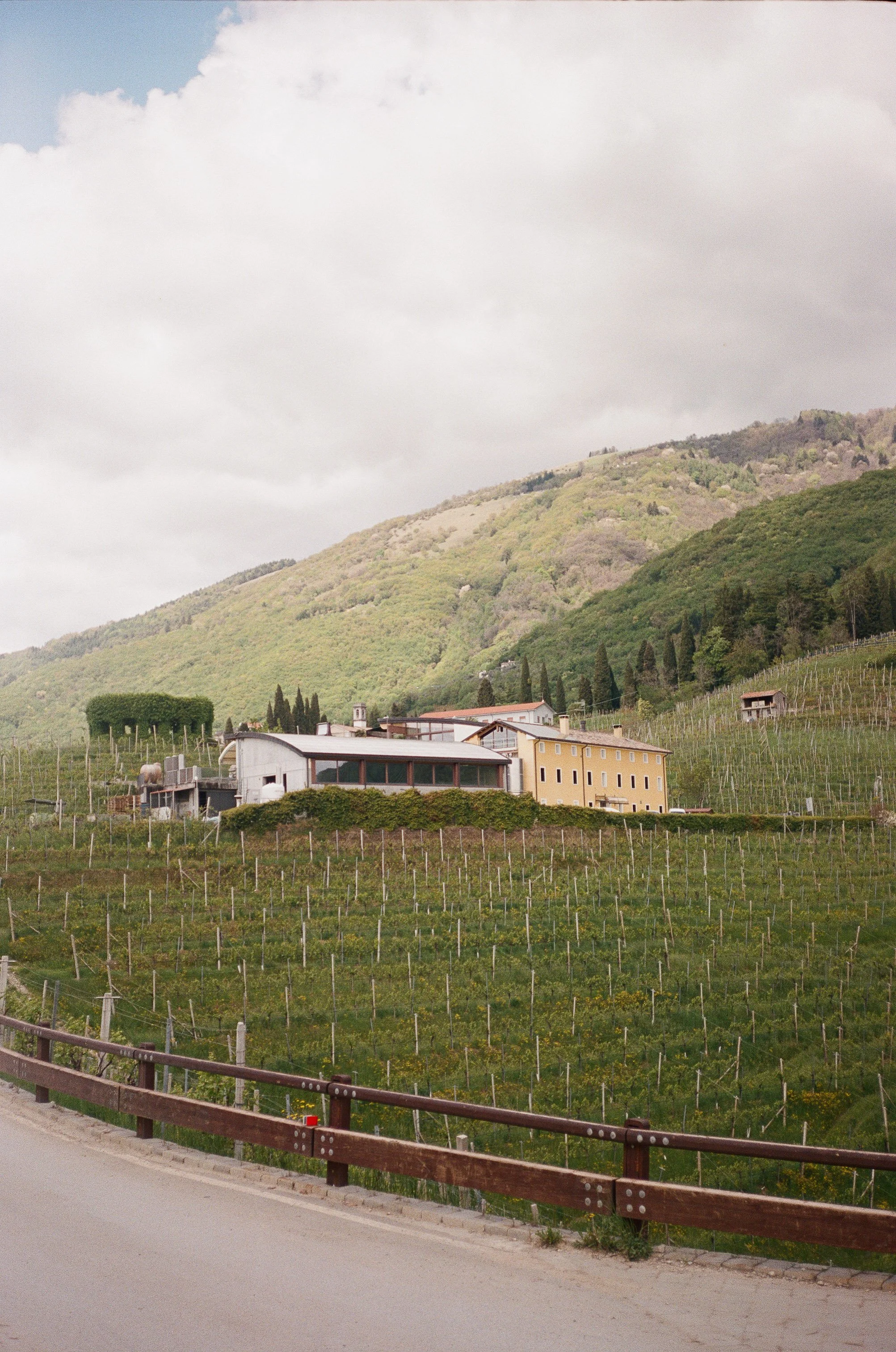
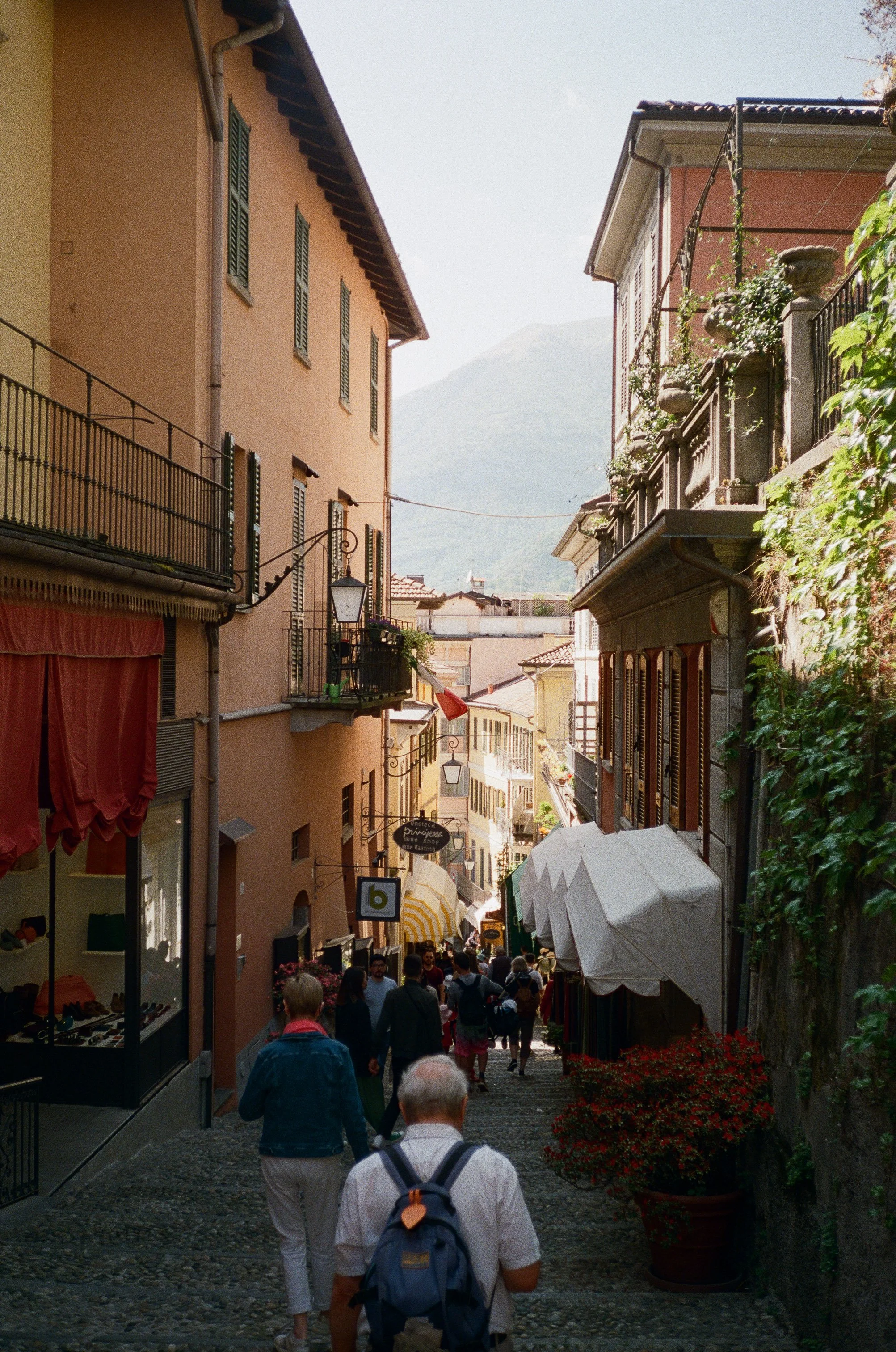
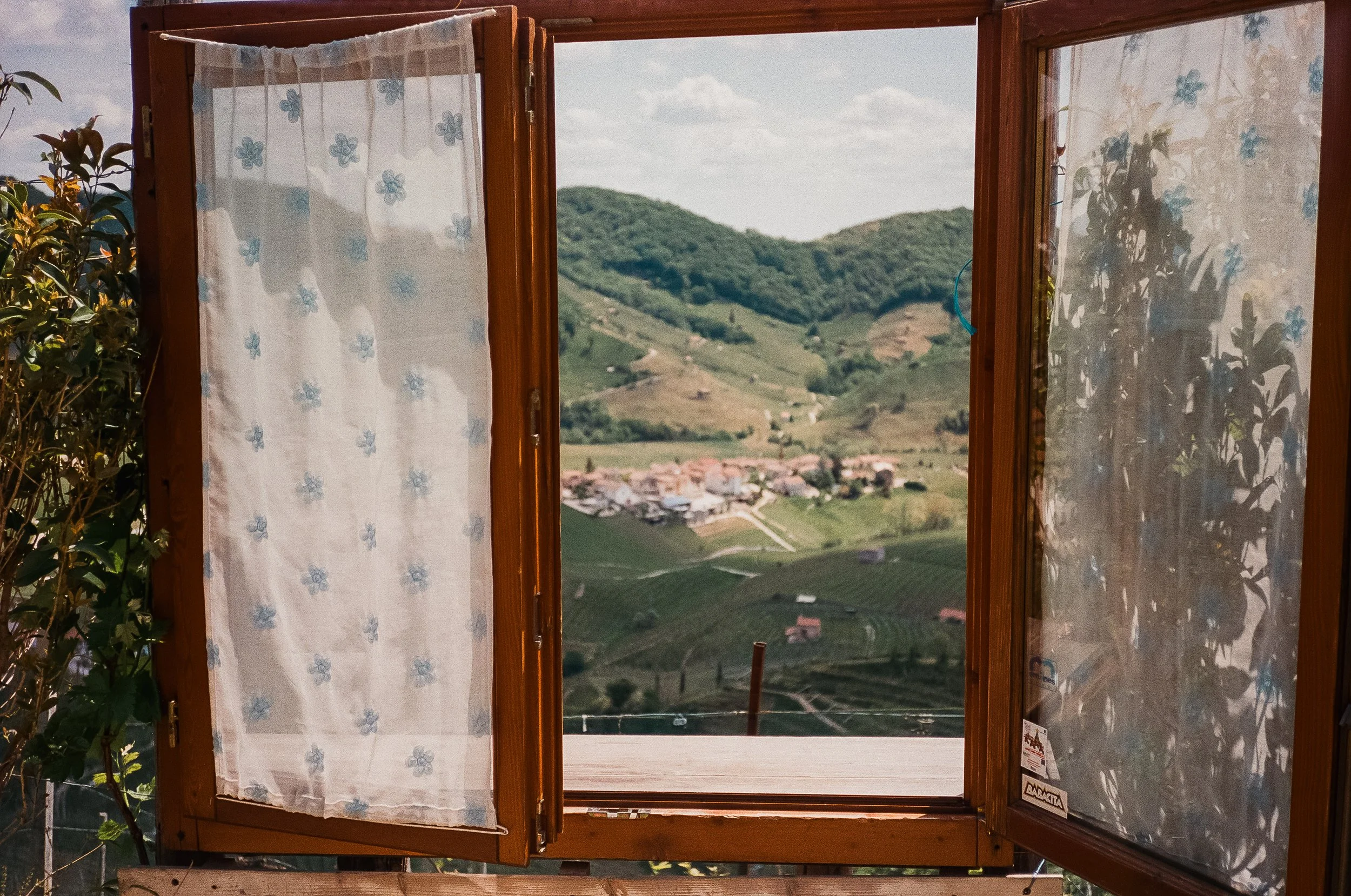
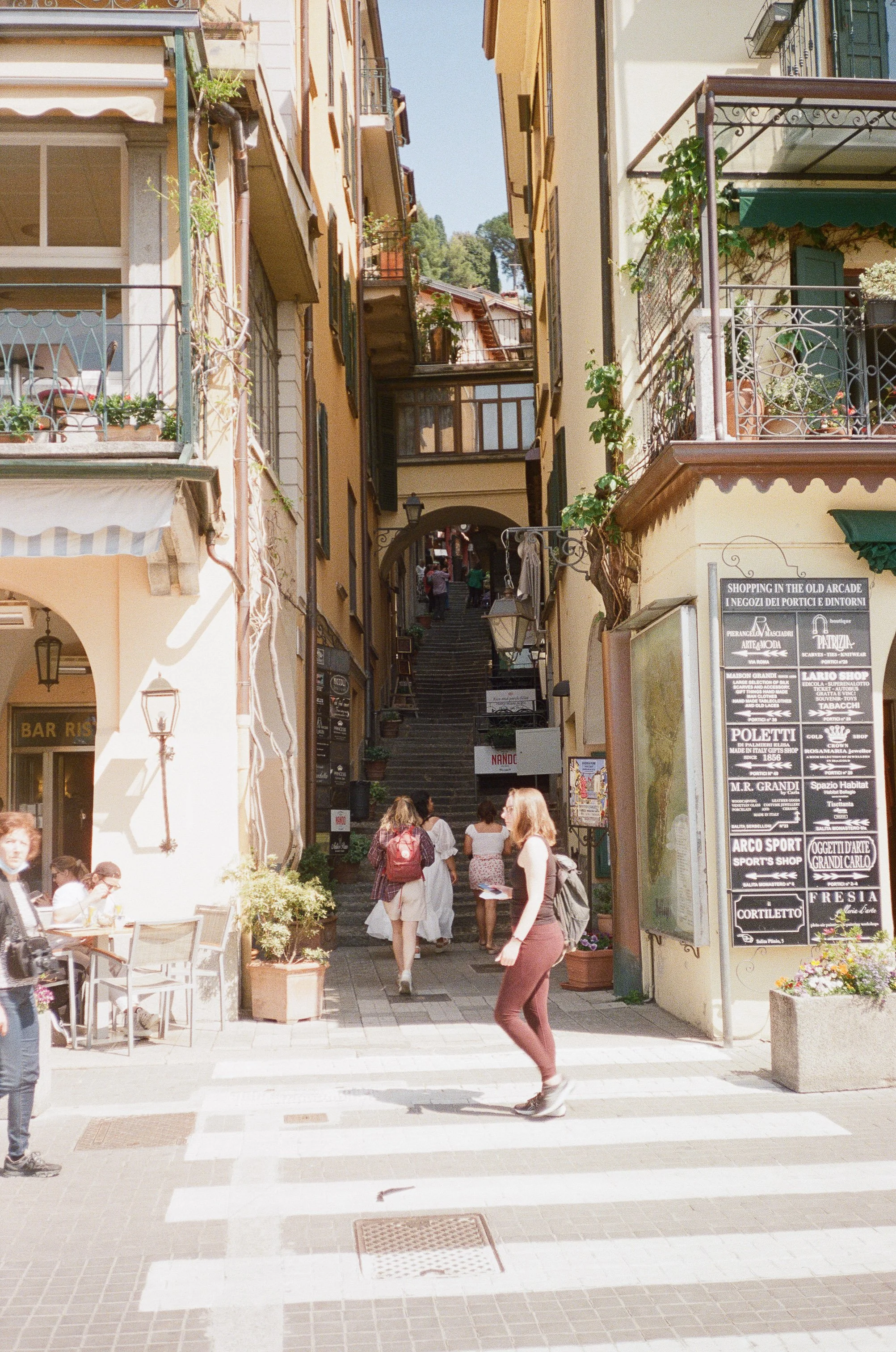
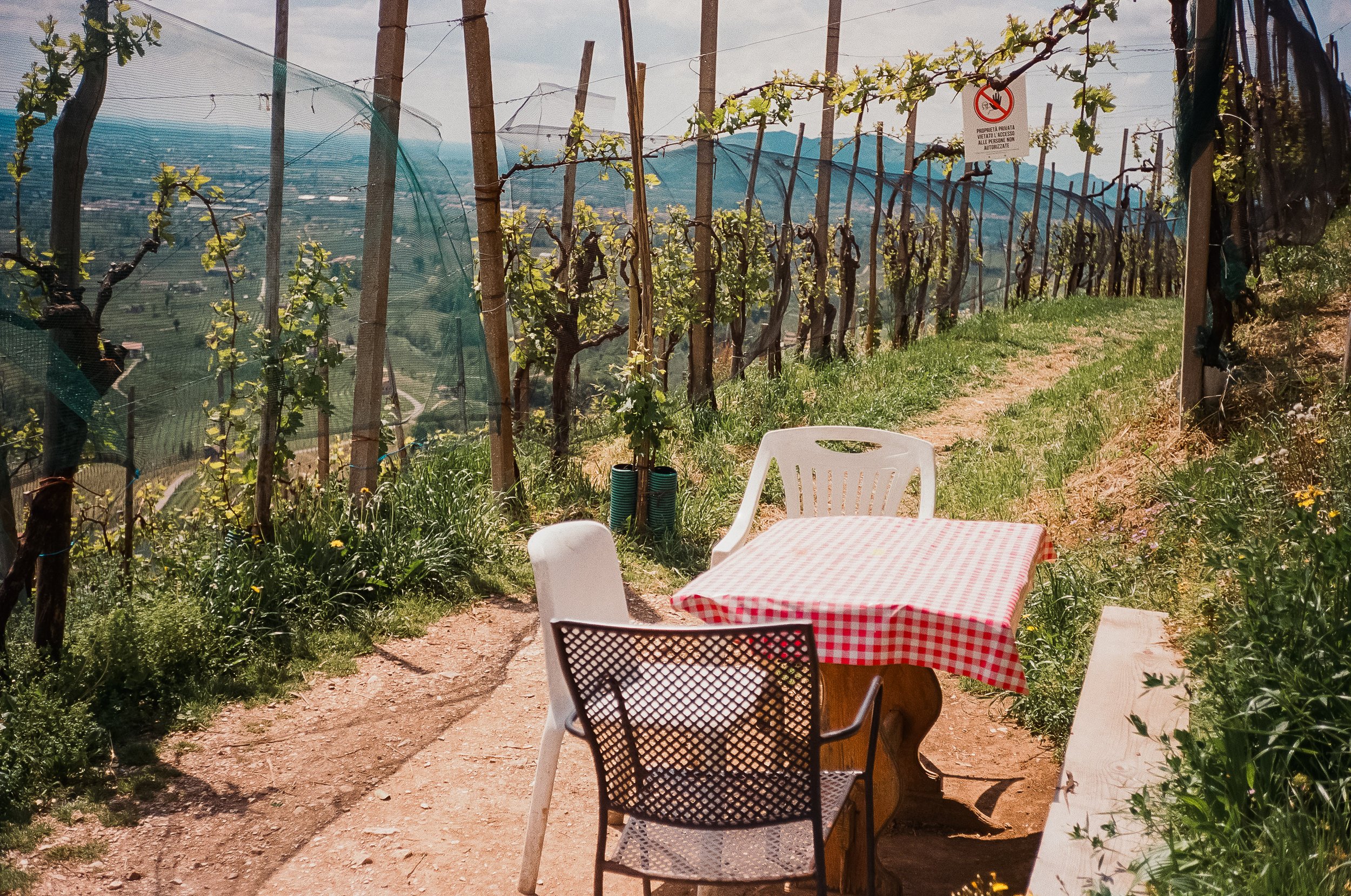
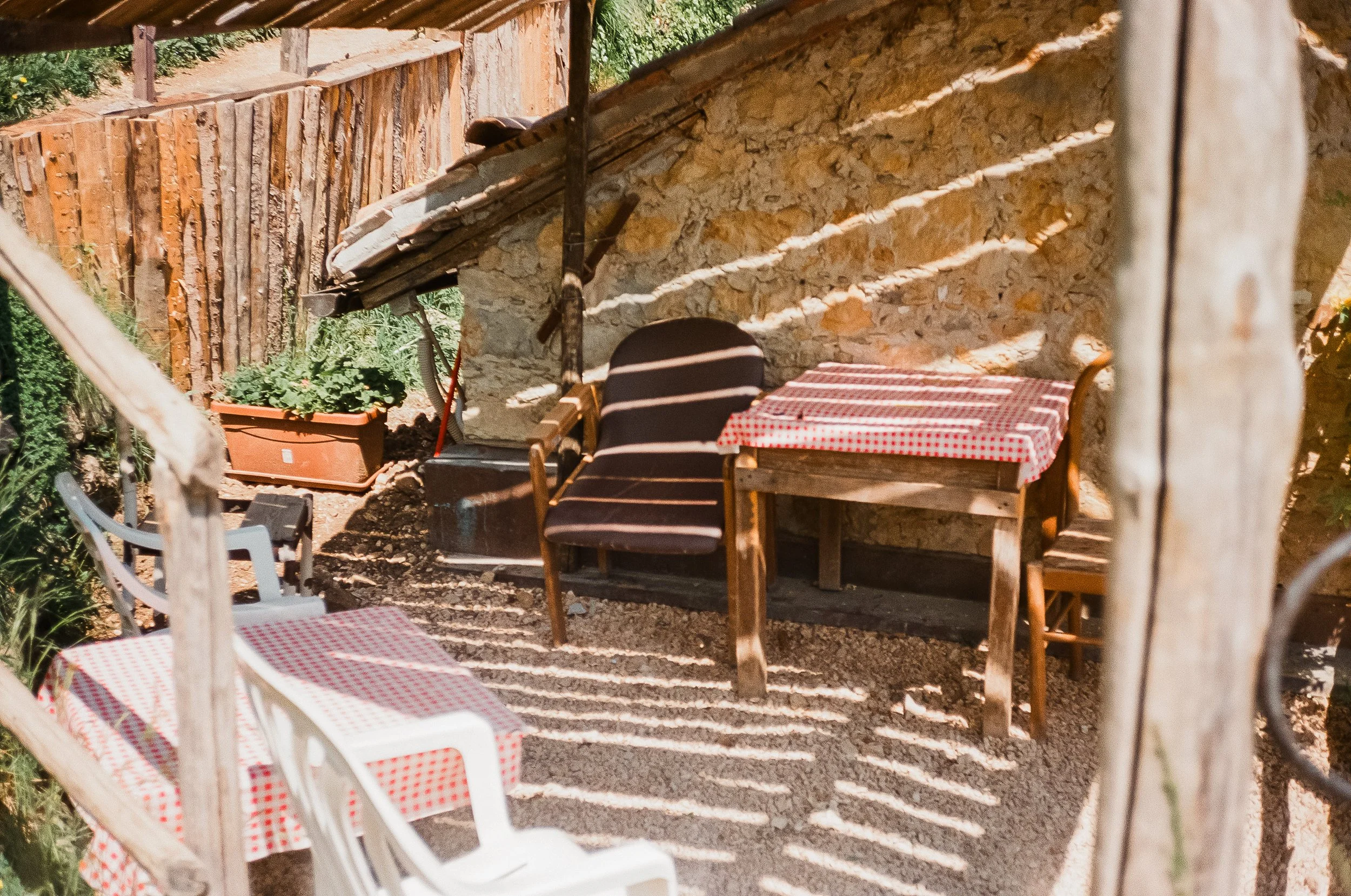
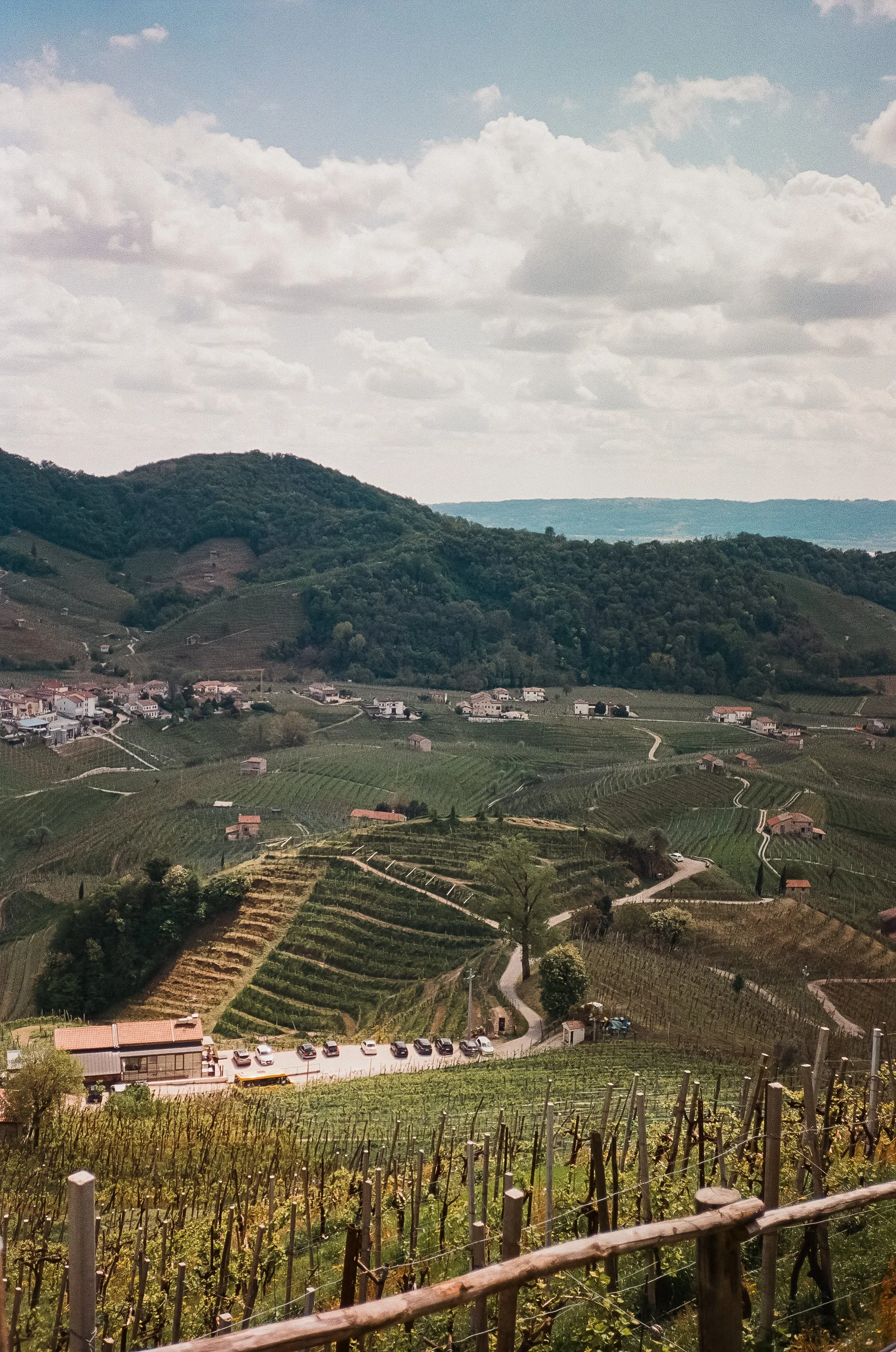
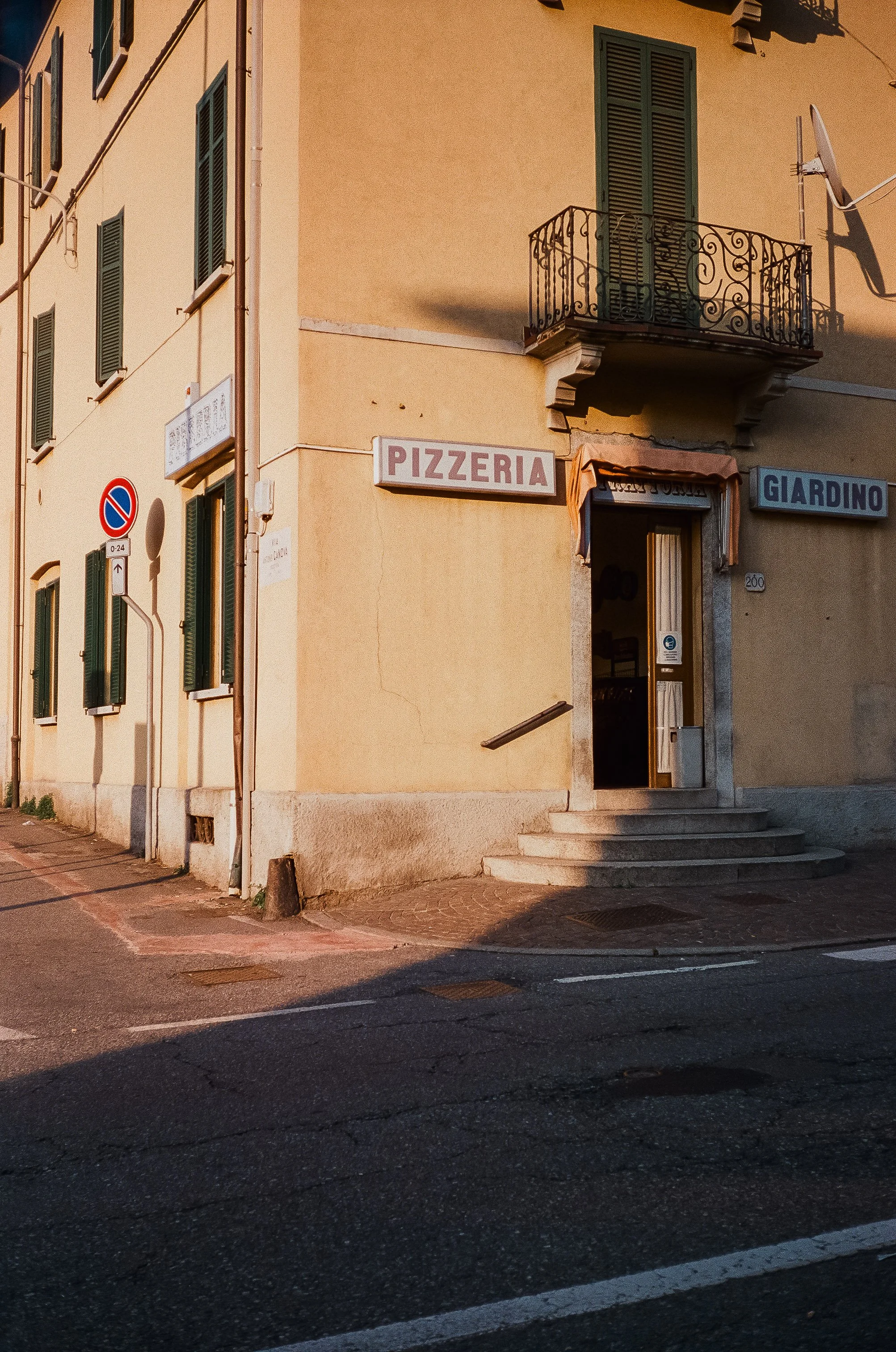
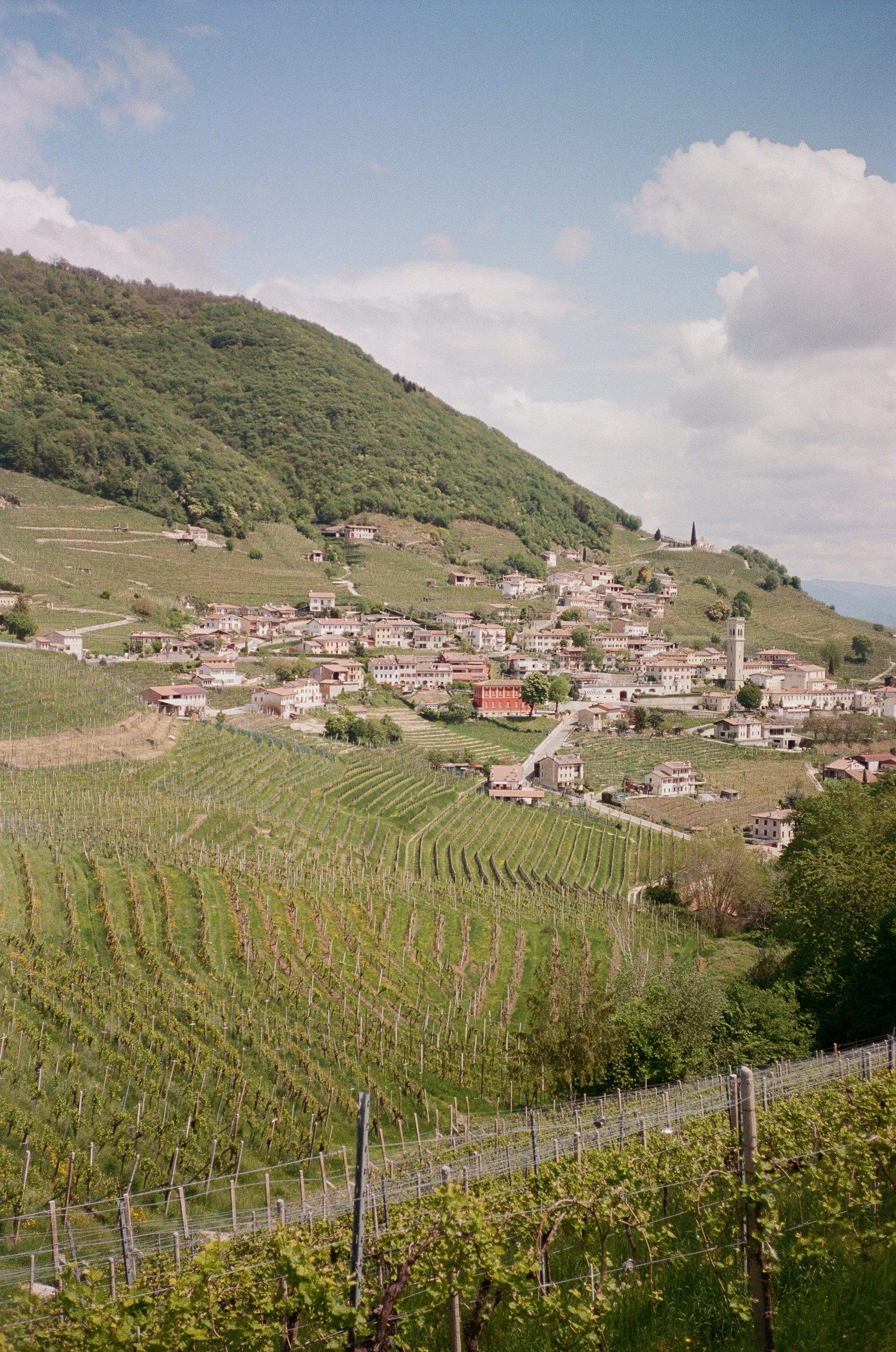
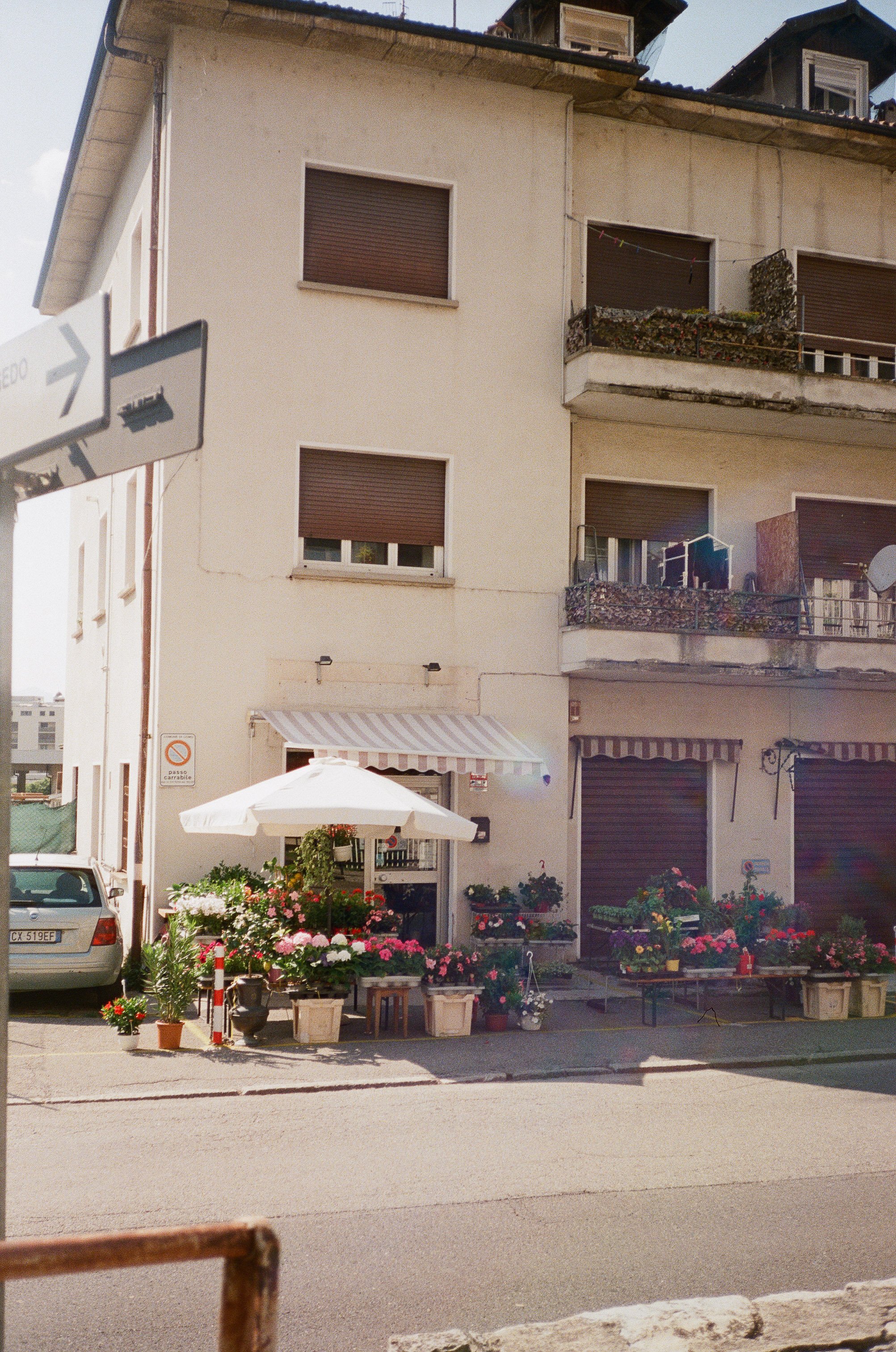
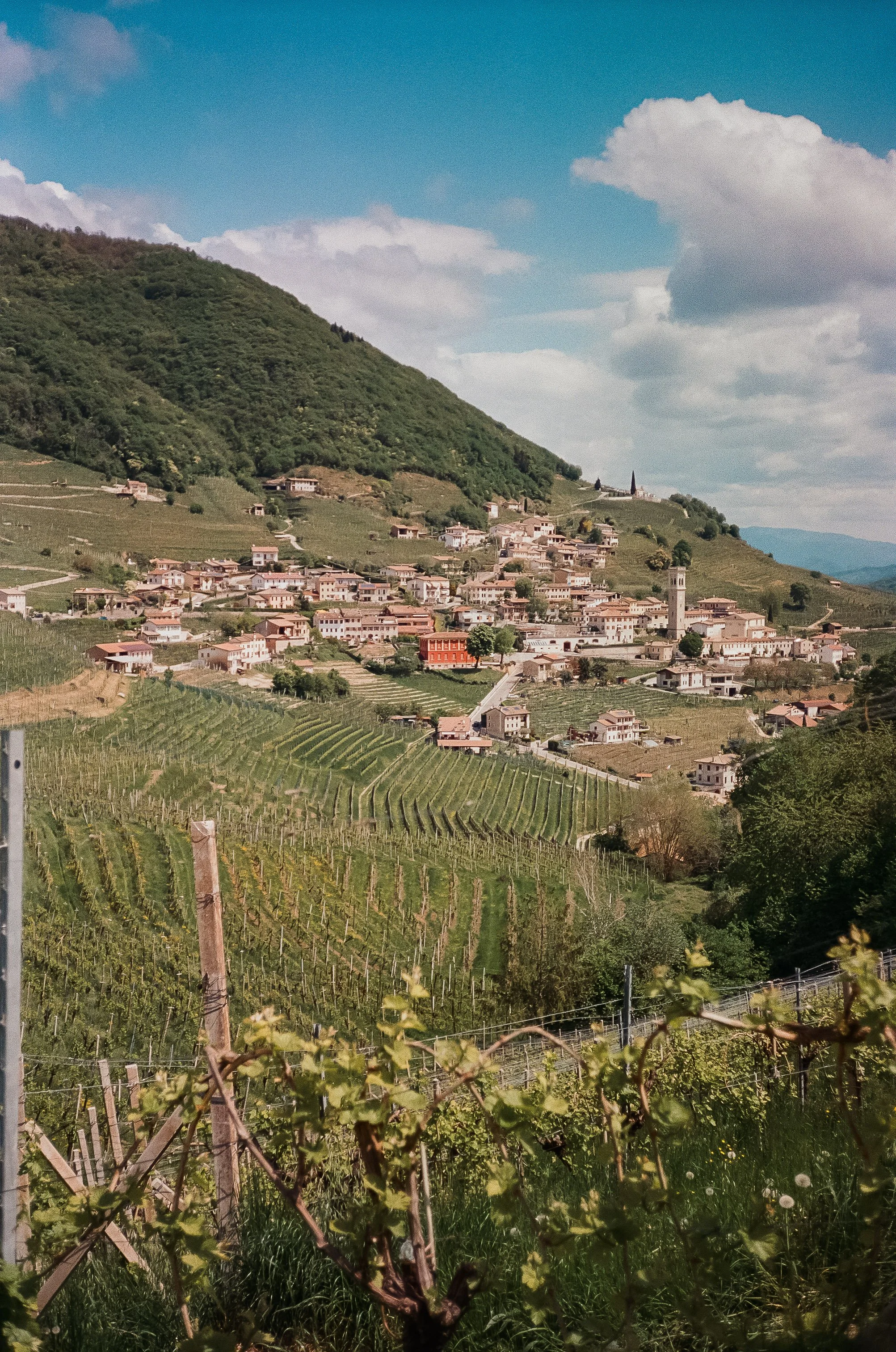
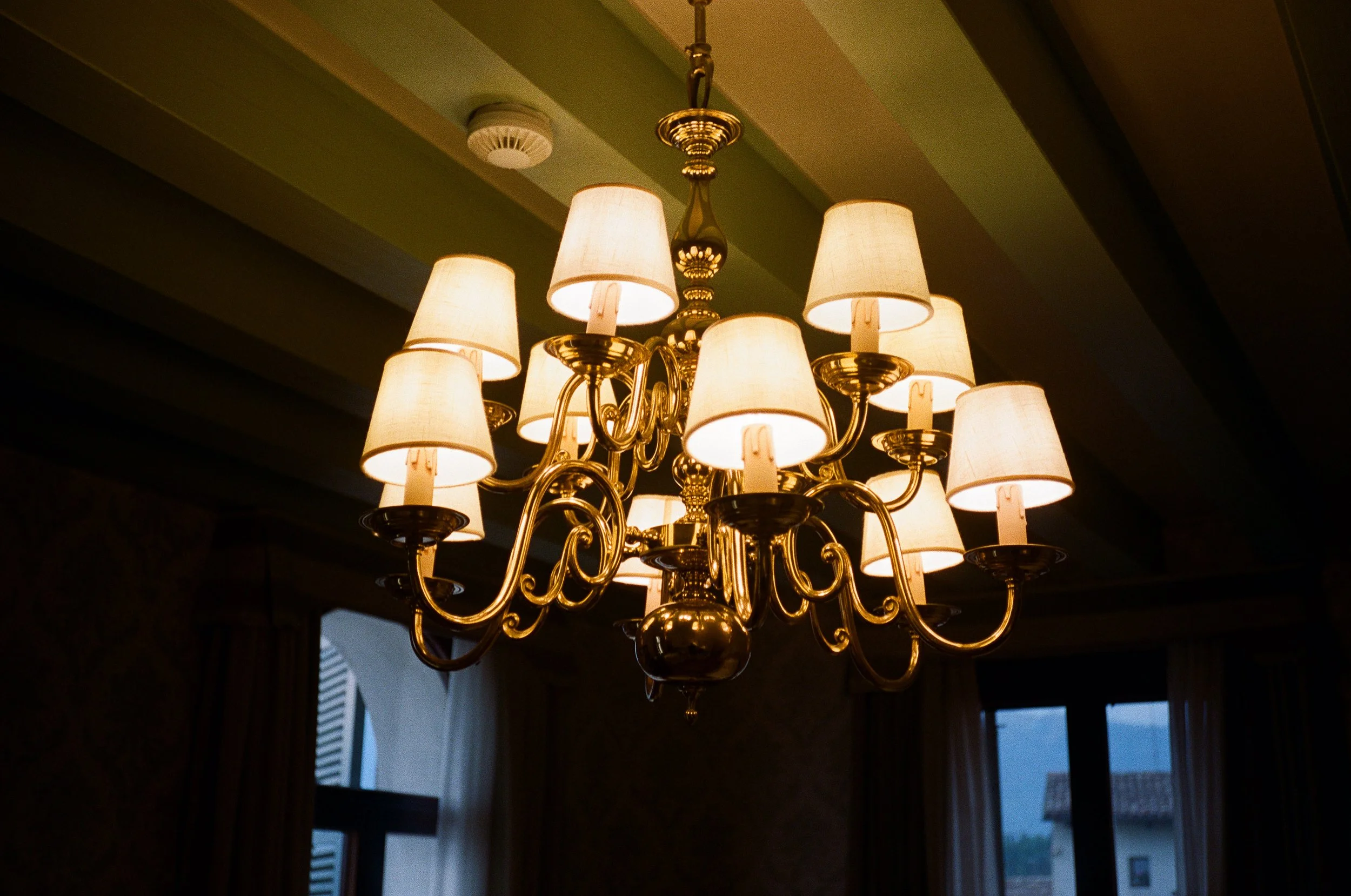
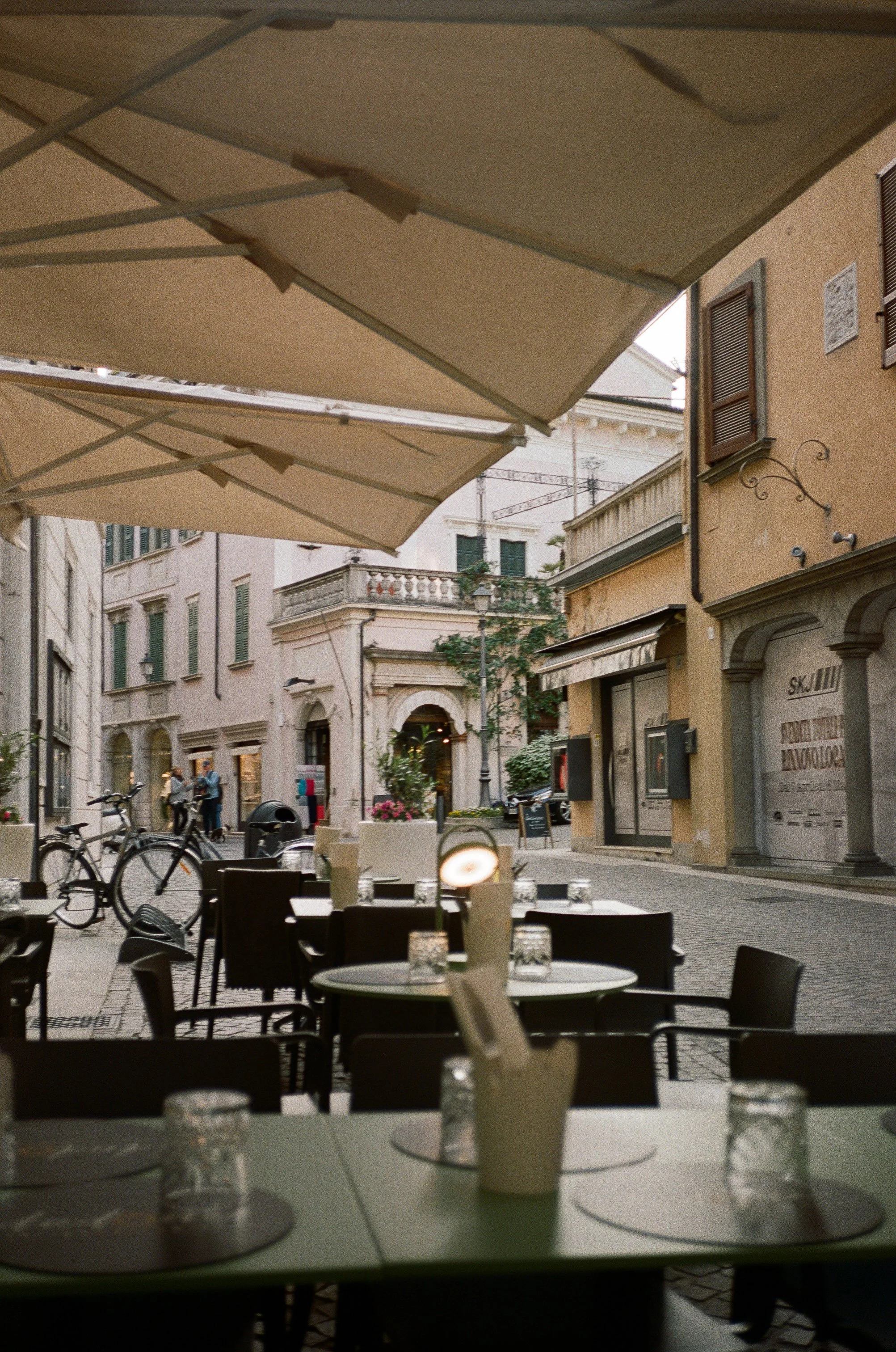
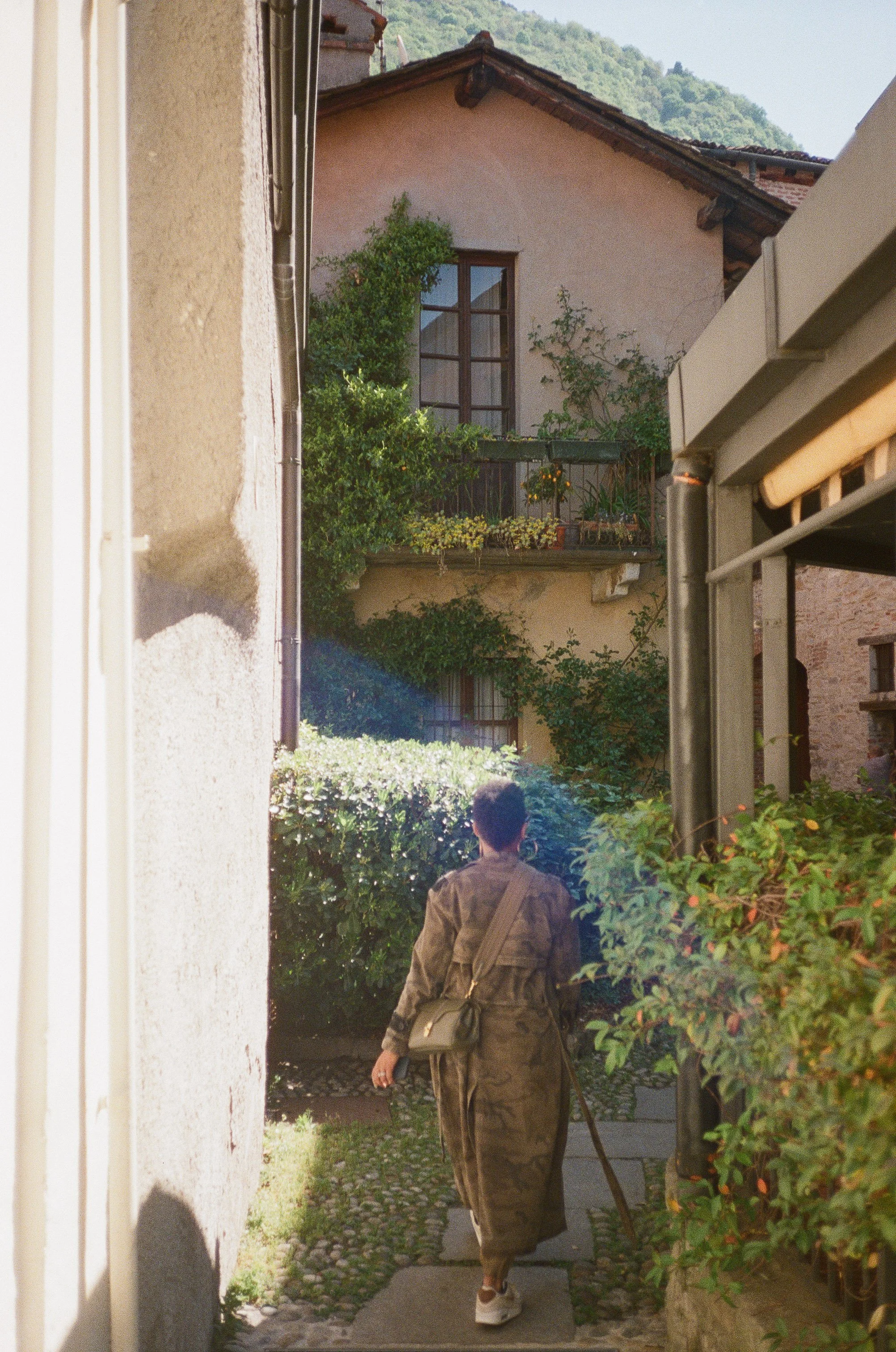
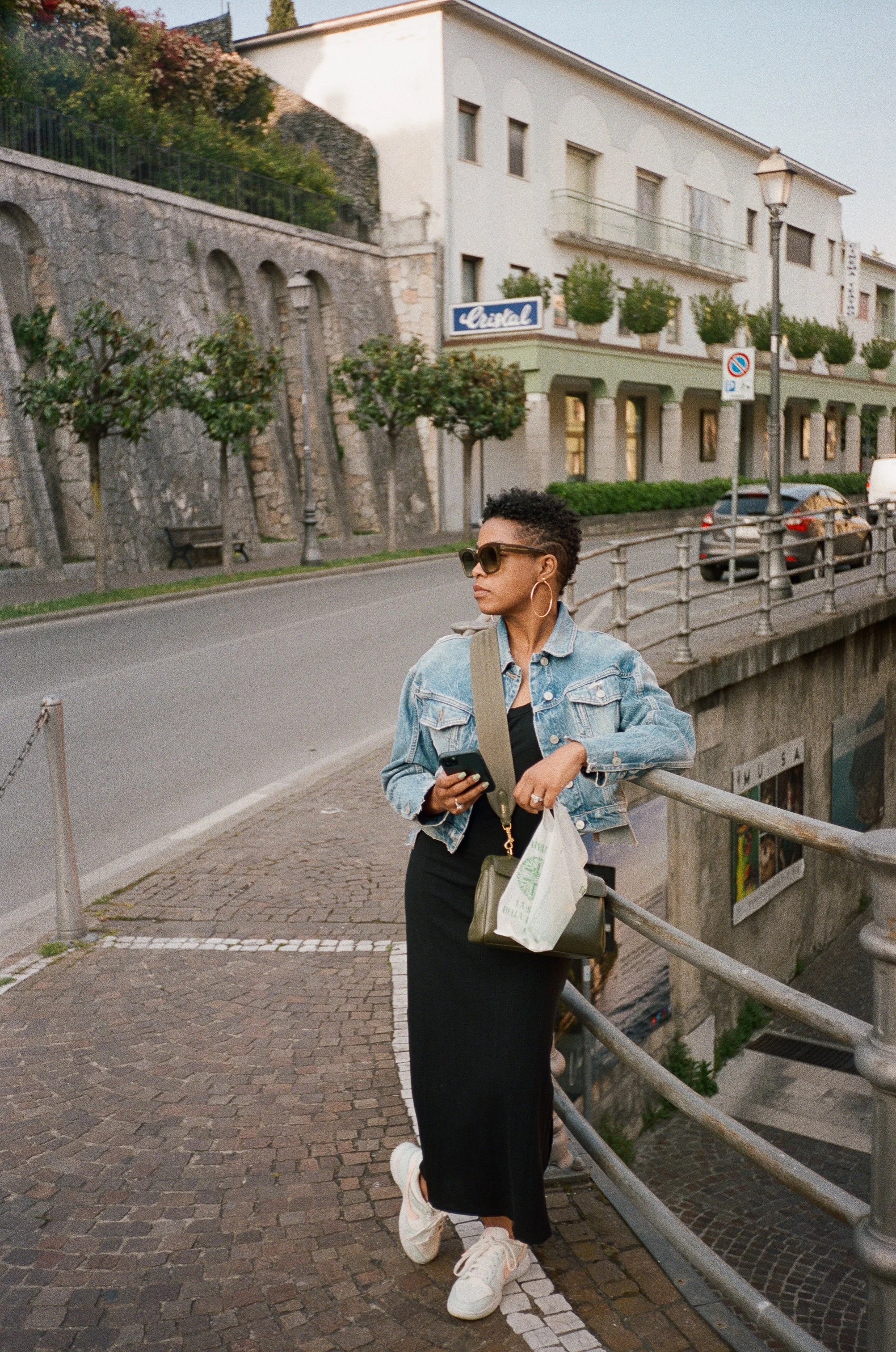
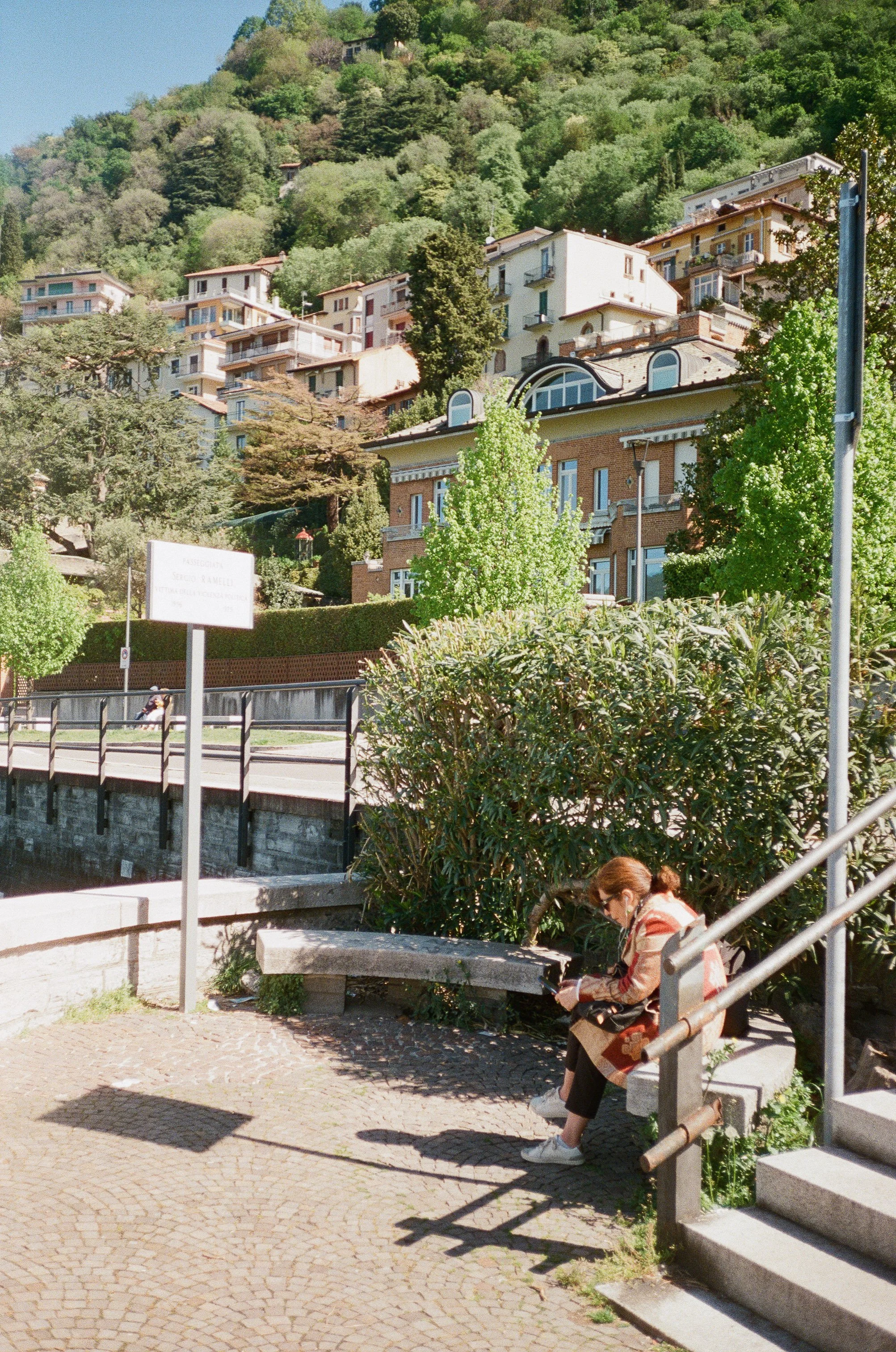
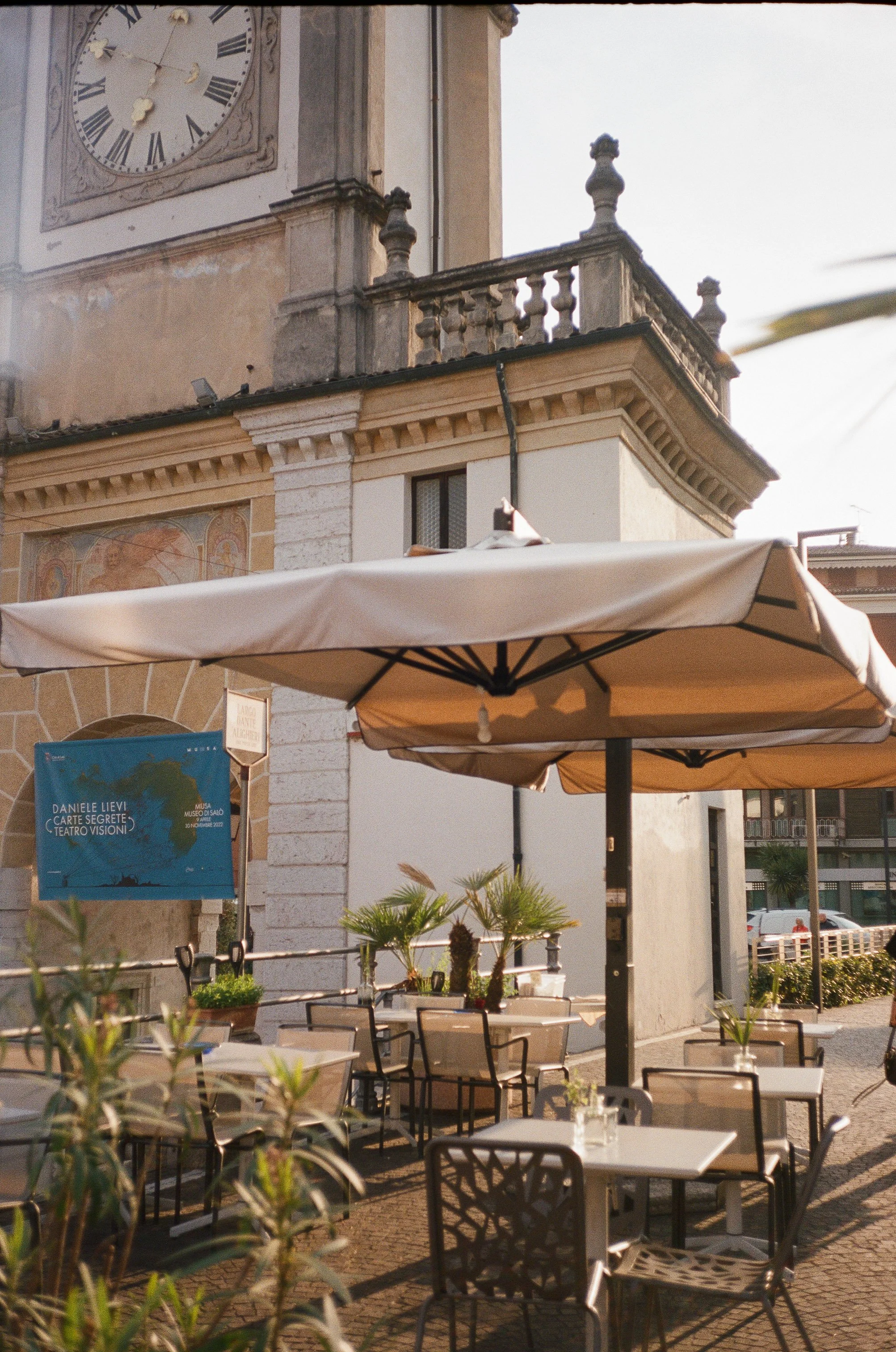
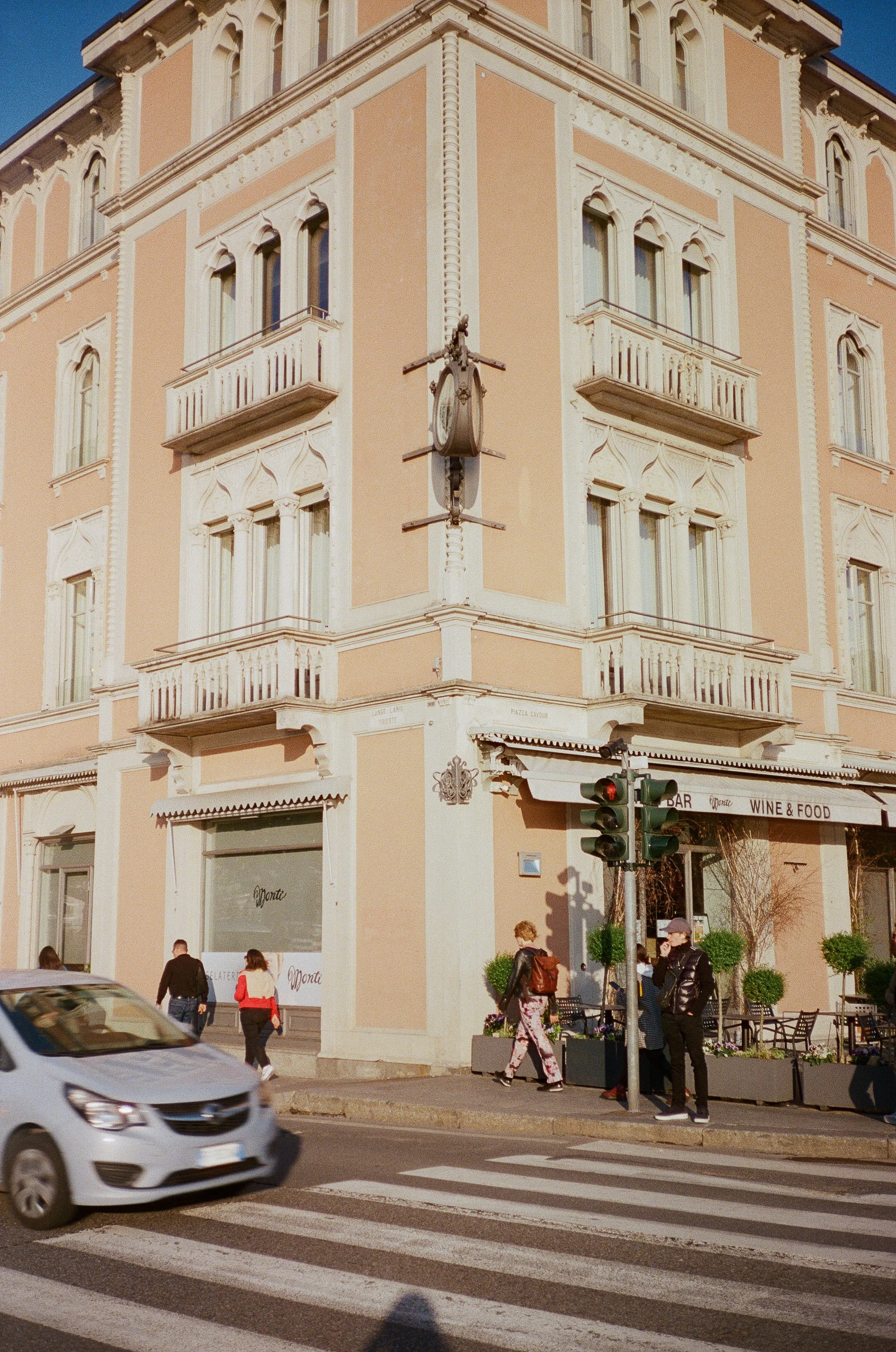
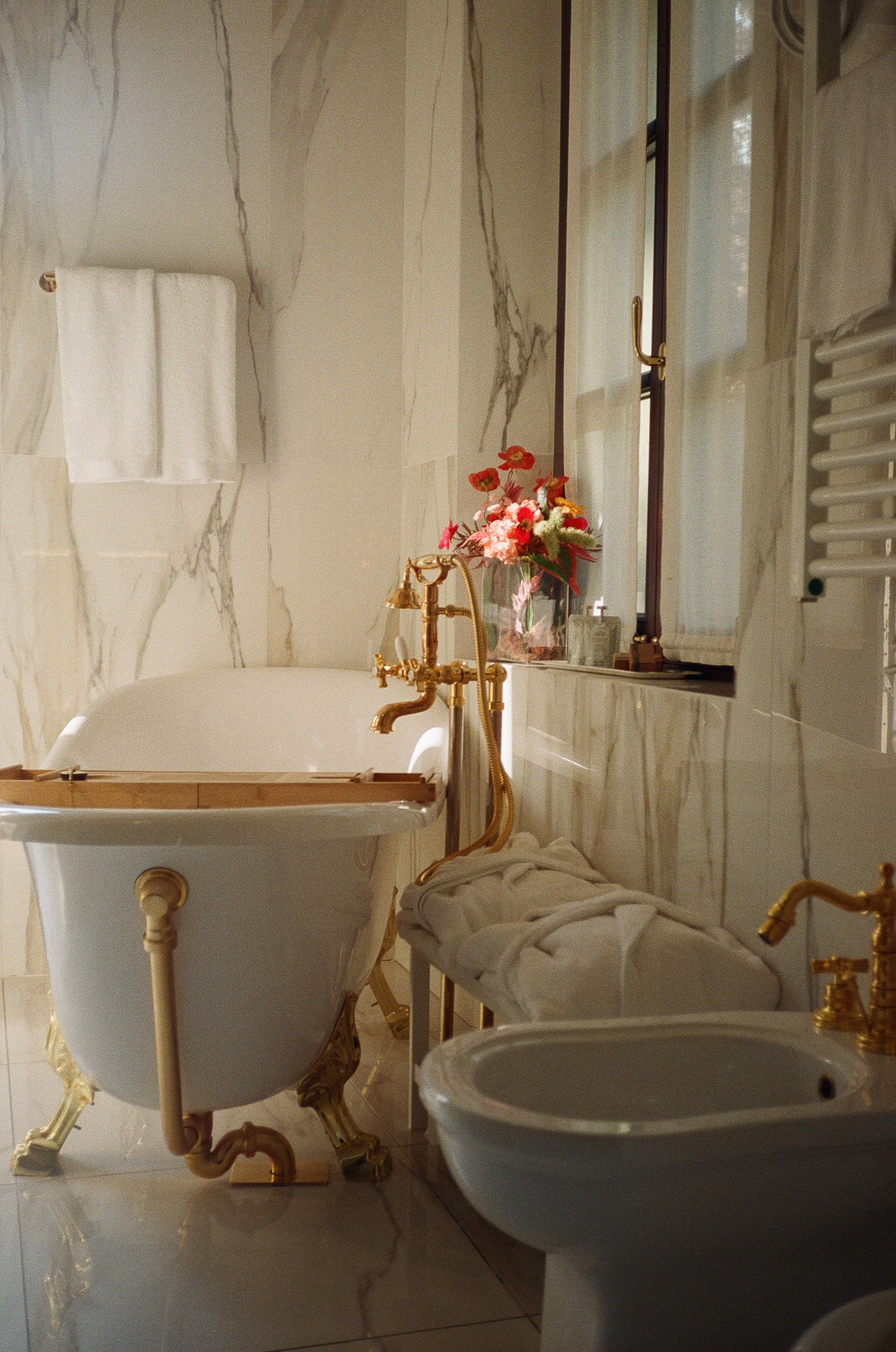
In 2022, I traveled through Italy, moving from Venice to Florence, then up to Lake Como, across to Lake Garda, and finally ending the trip in Oslo. I carried three cameras the whole way—my Leica M5, a point and shoot, Mamiya C330—fully mechanical, fully manual, forcing me to slow down and really look at what was in front of me.
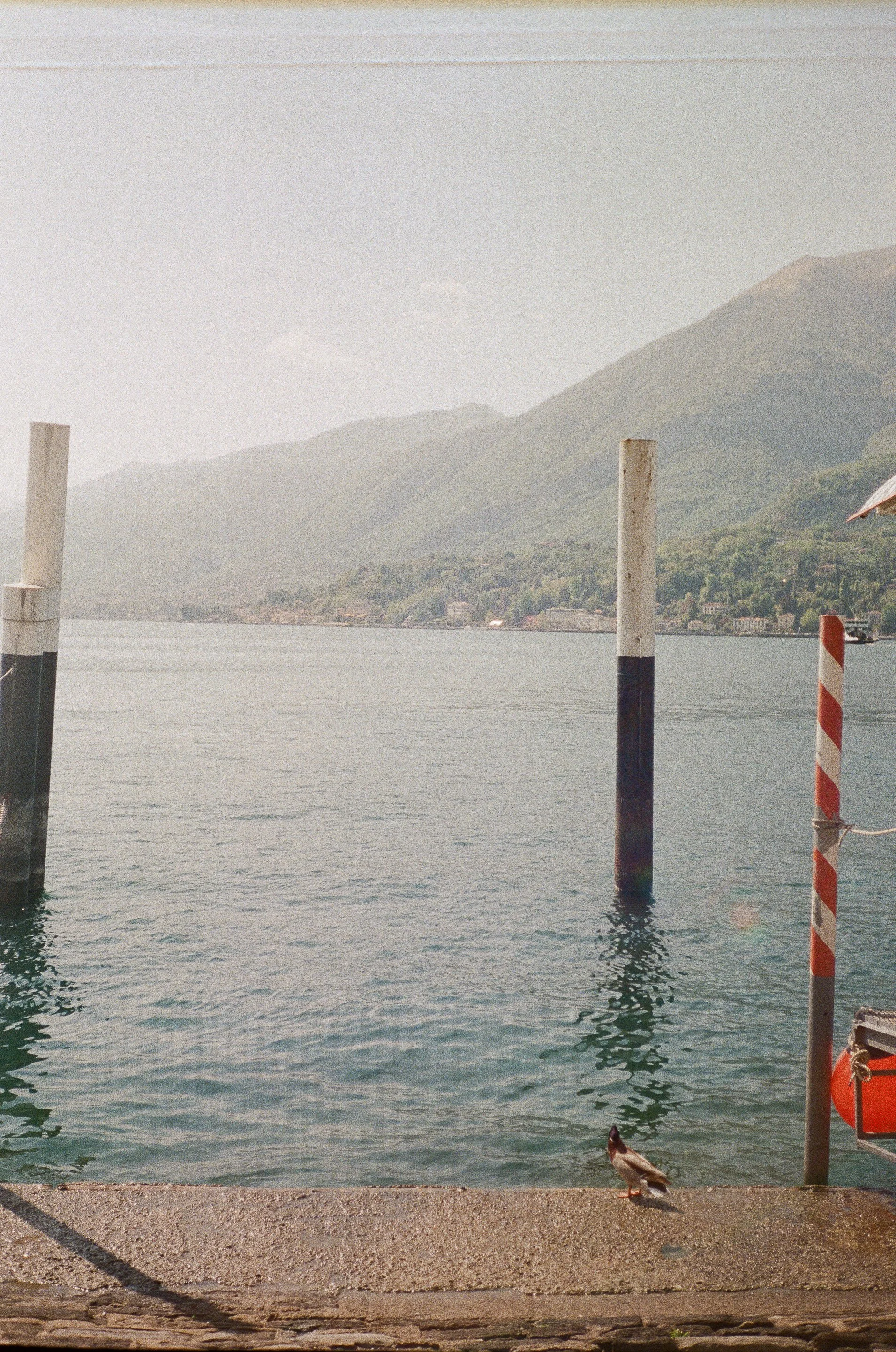
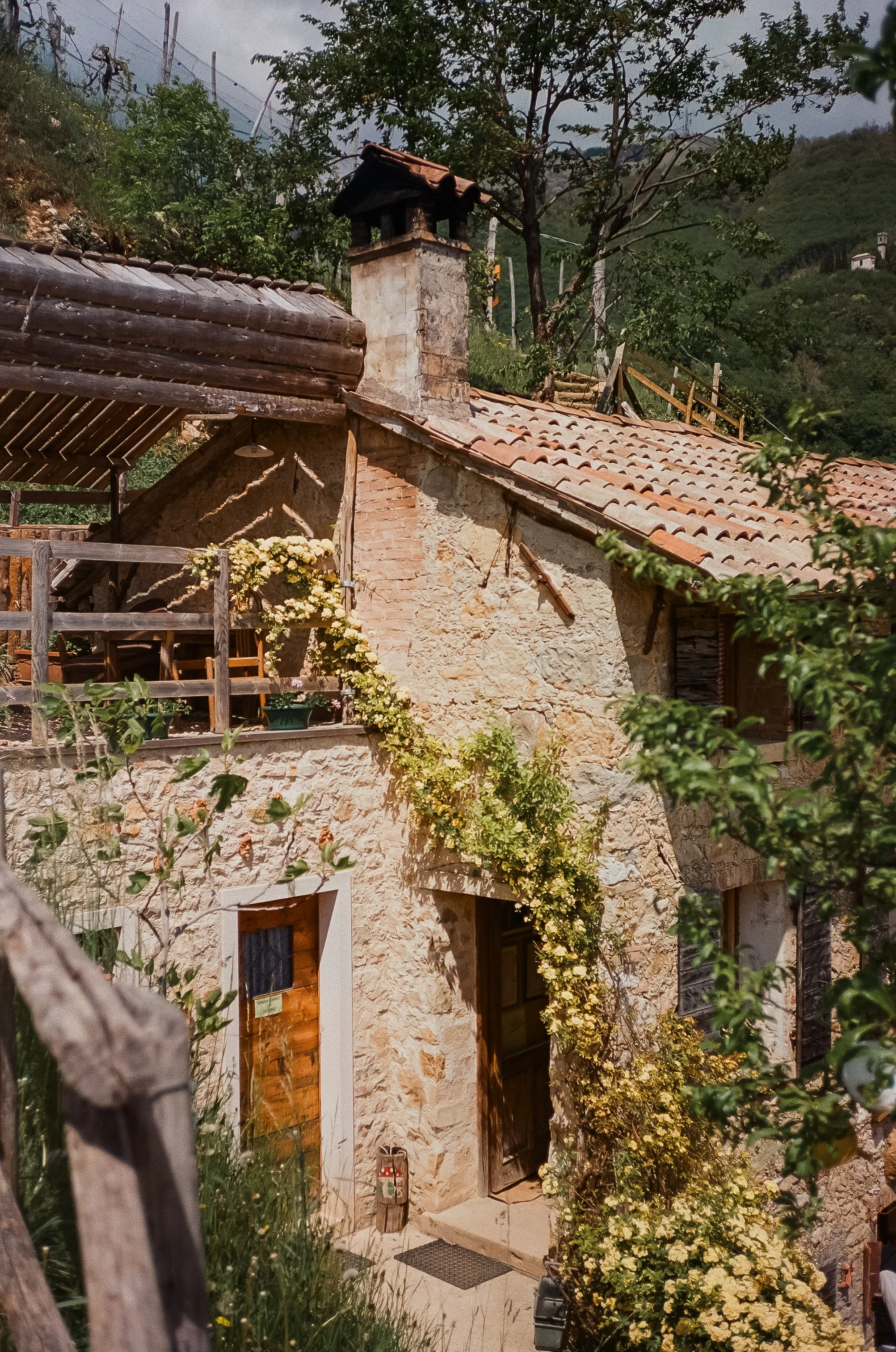
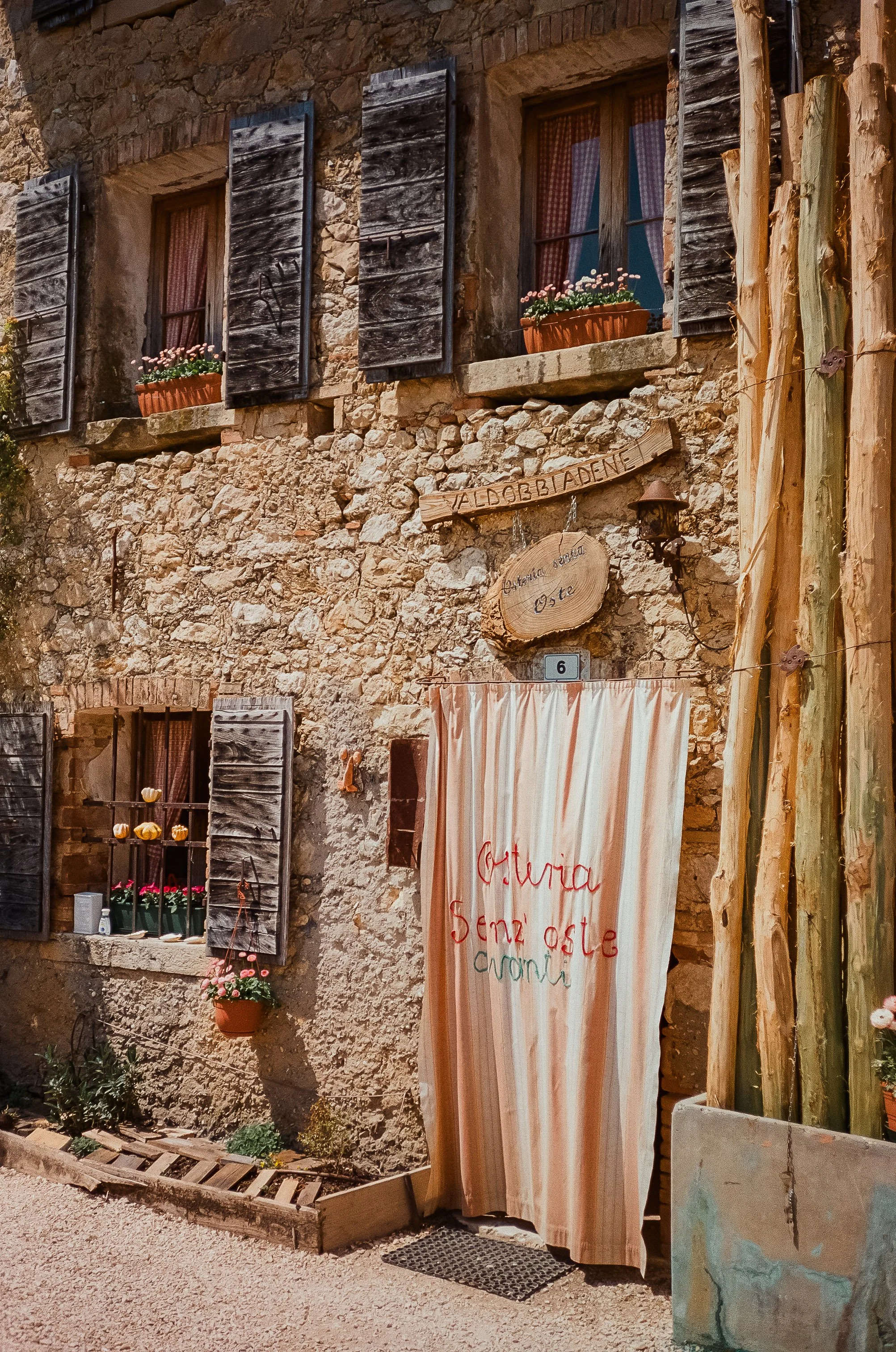
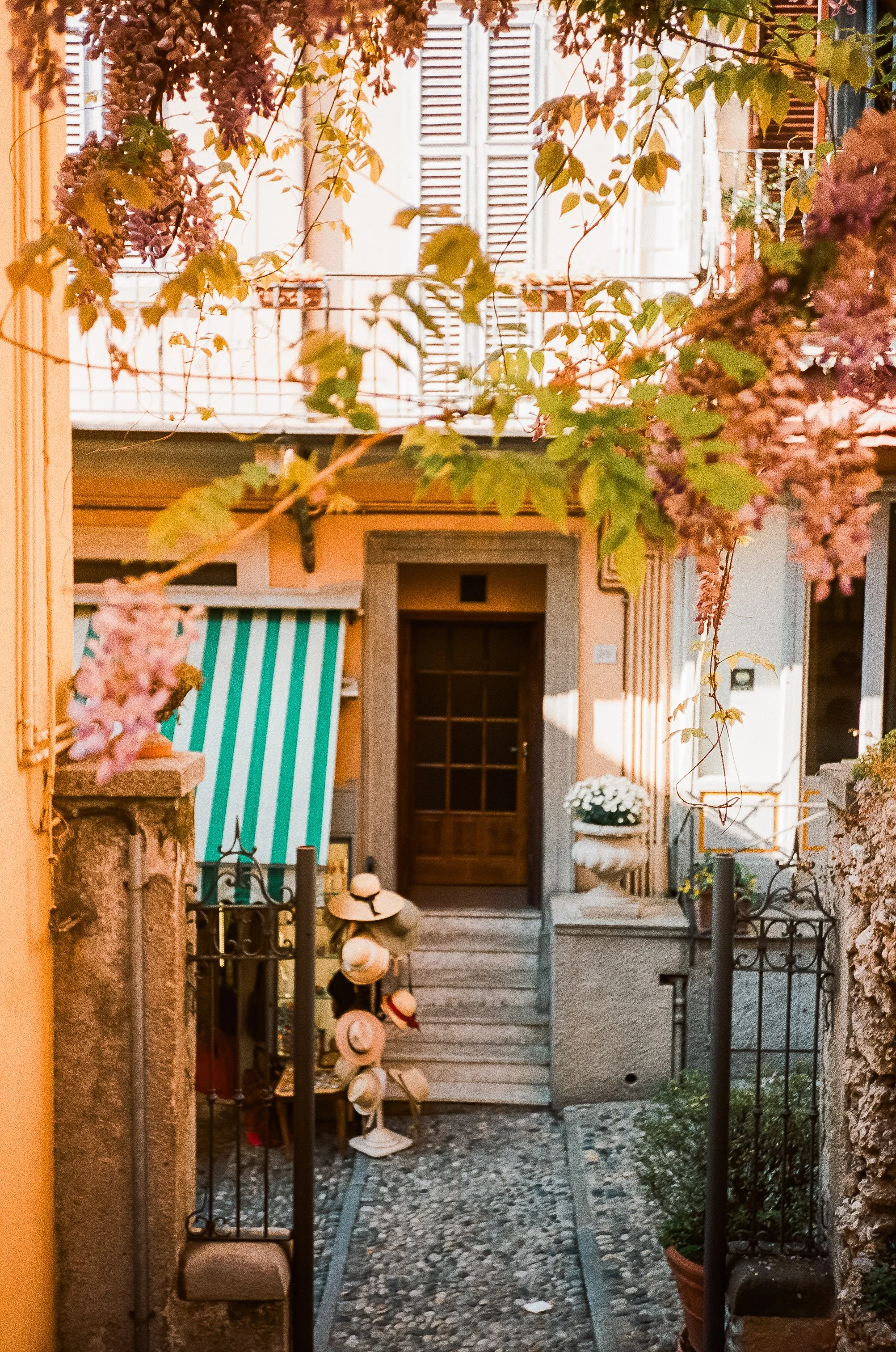
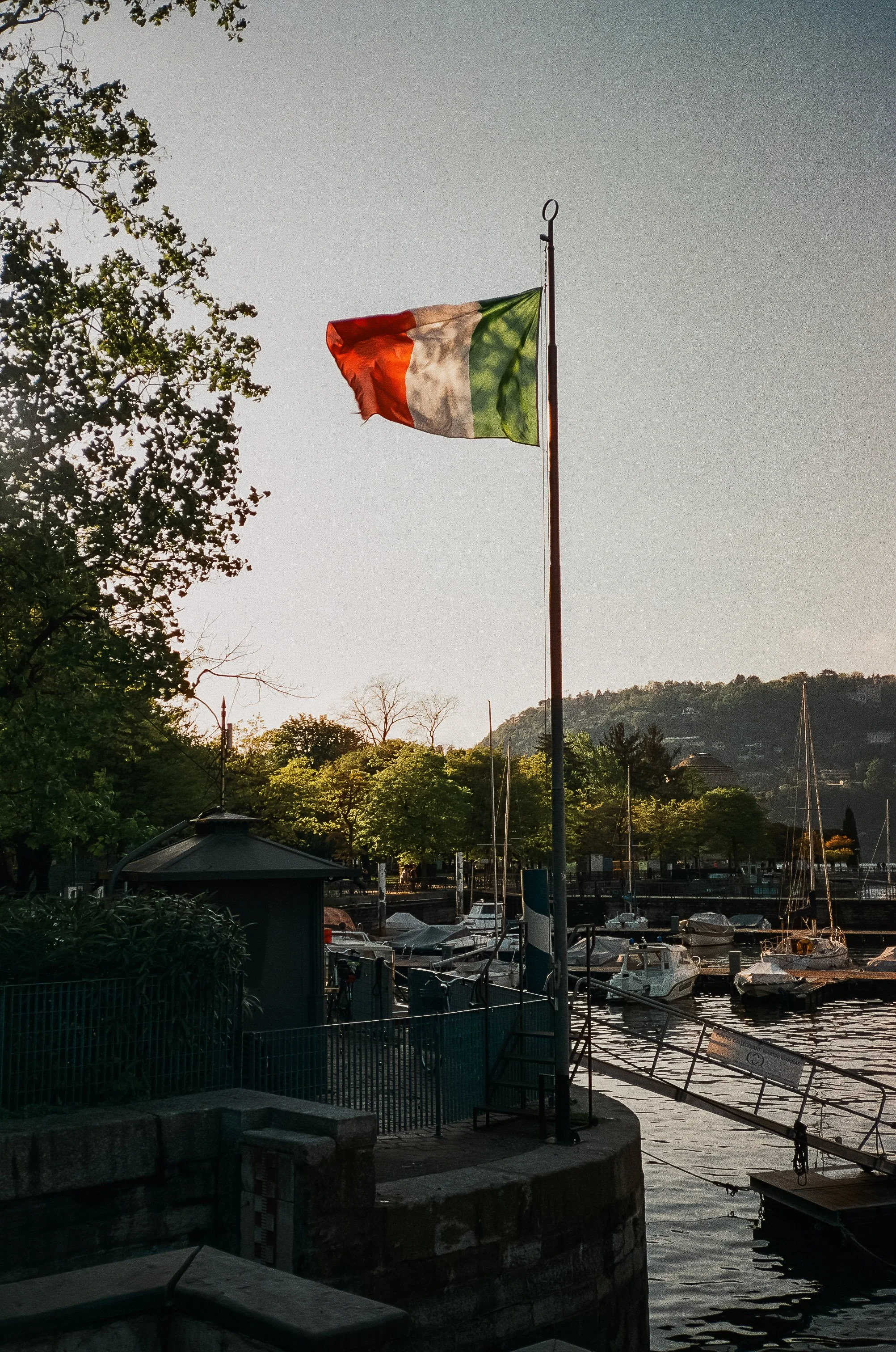
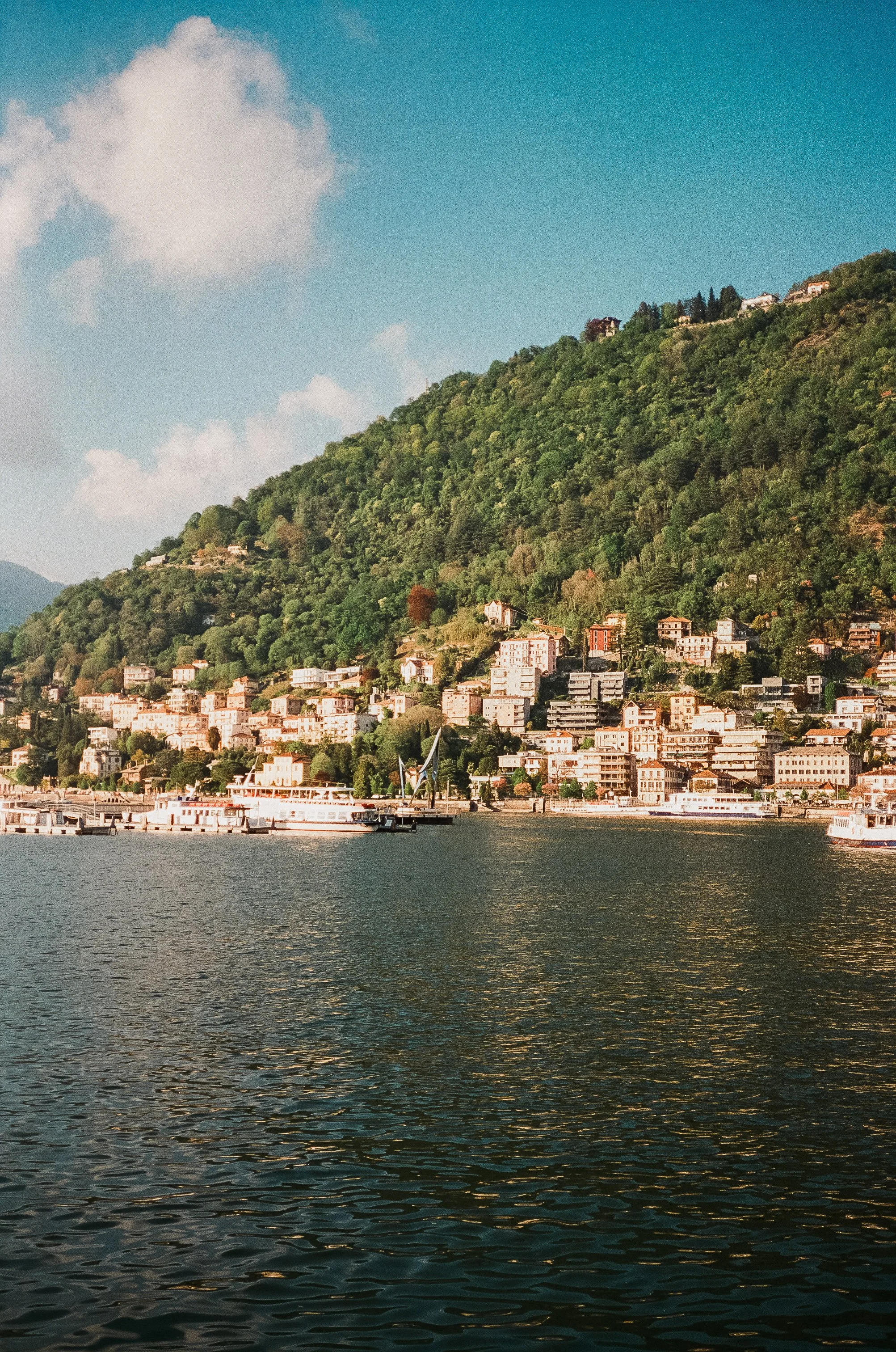
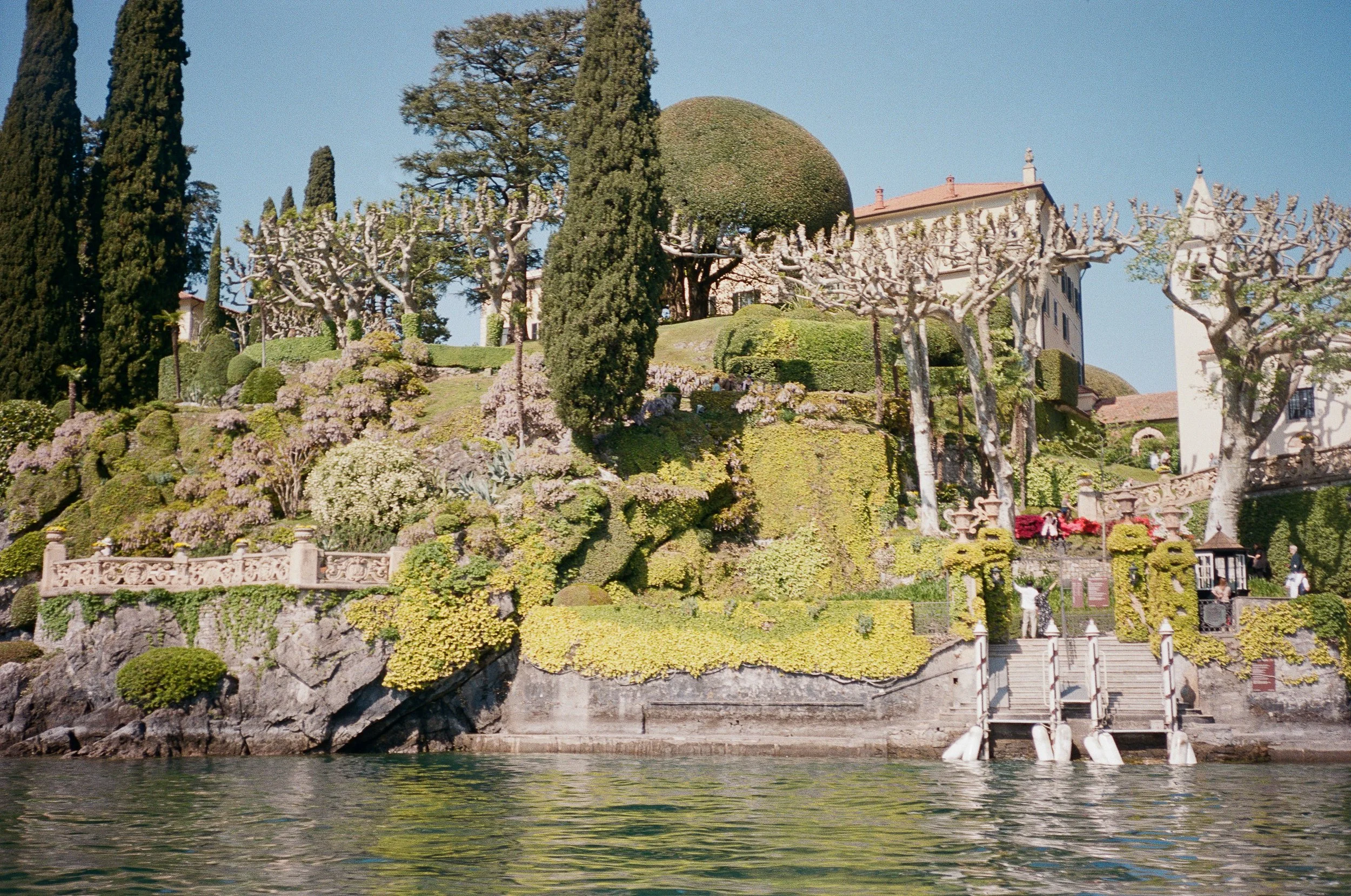
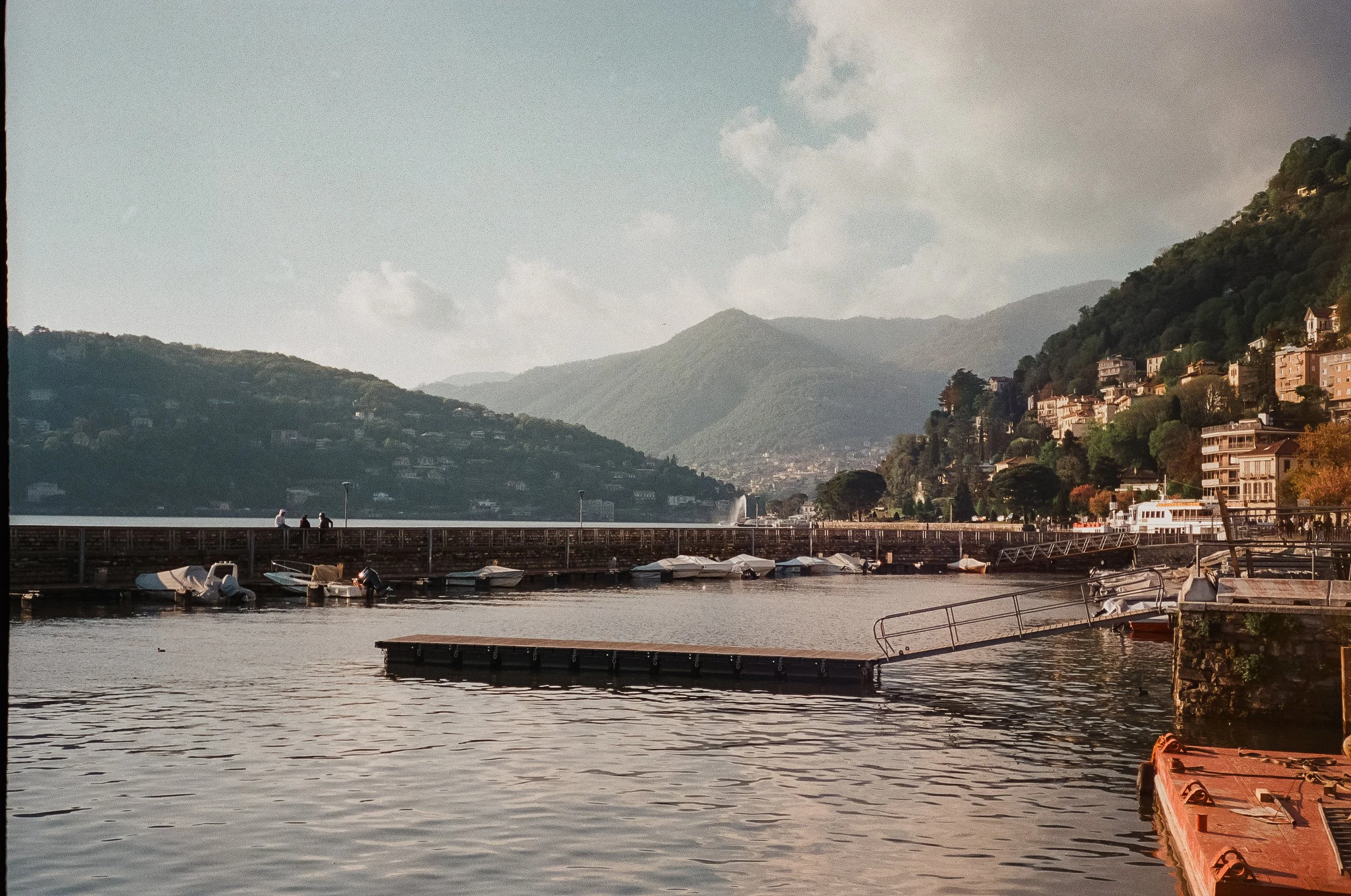
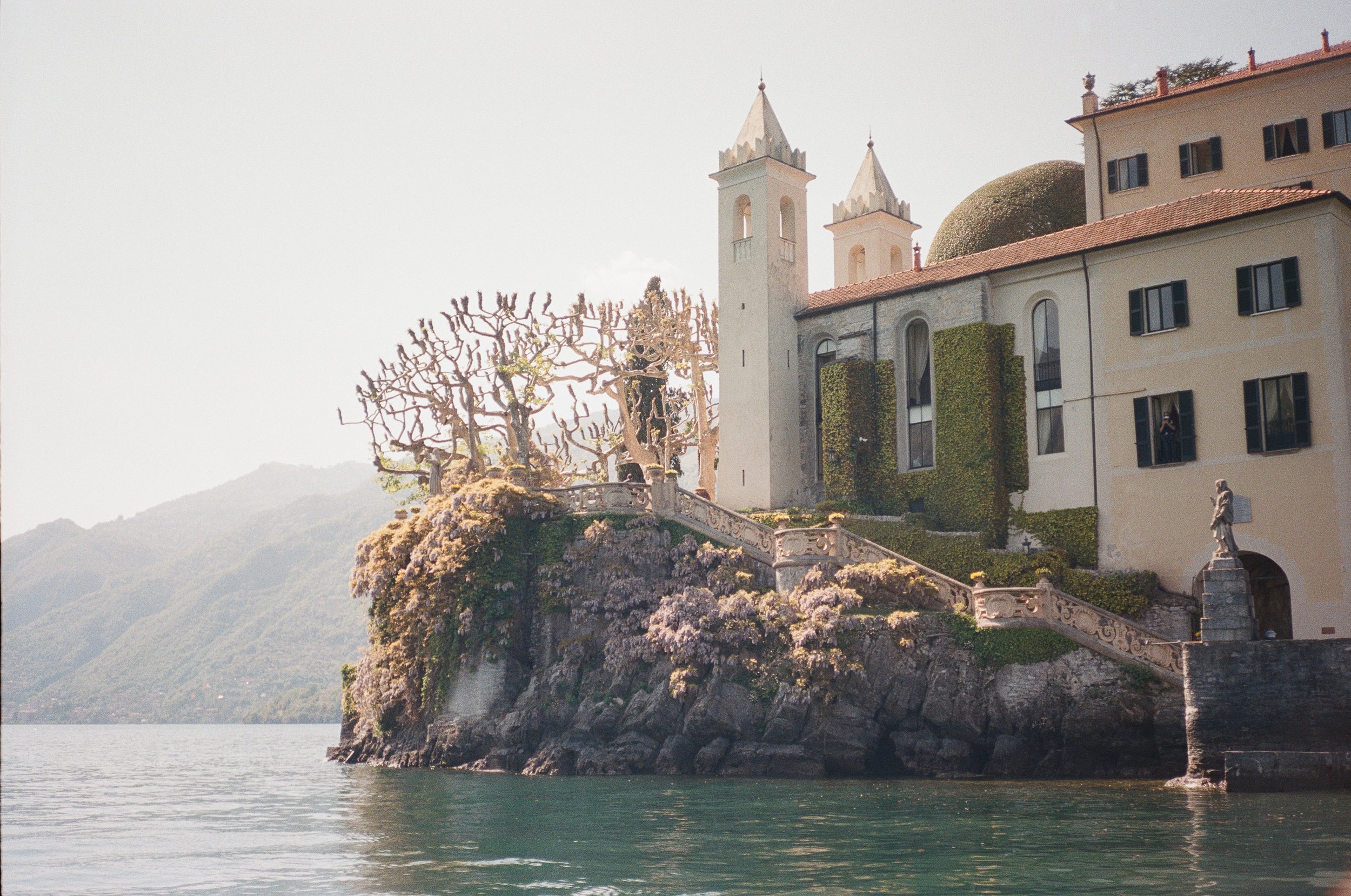
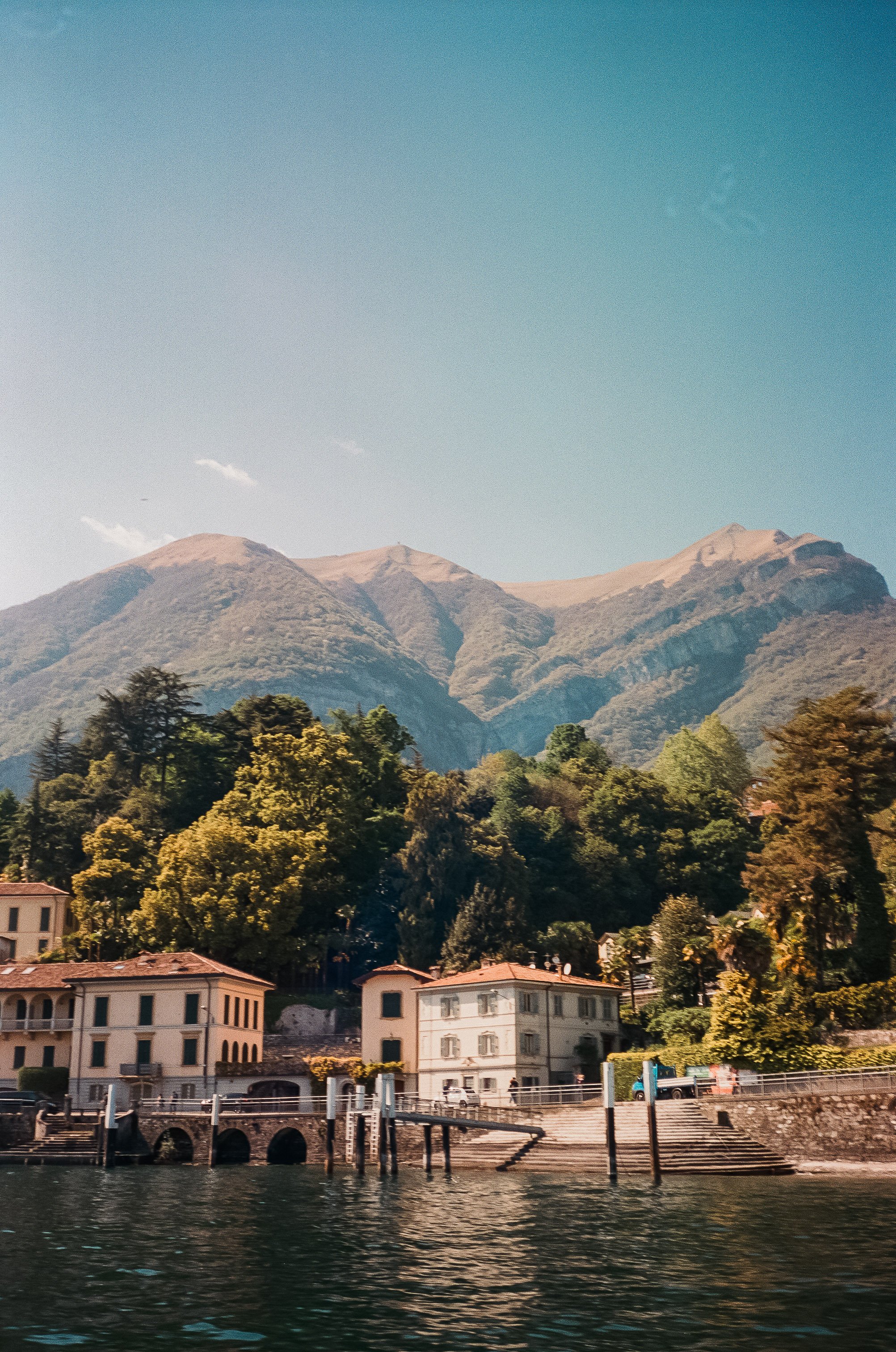
Most of the time, I shoot black and white, Kodak Tri-X 400, but this time, I let color in. Portra 800, Kodak Gold 200—both in 35mm and 120 film. I wanted to see what Italy felt like, not just in shadows and light, but in the warmth of its streets, the way the sun hits those old buildings, the deep greens and blues of the water.
This was a different way of seeing.
Venice doesn’t sit still. It moves with the water, and you move with it.
No cars. No honking horns. Just boats and the sound of footsteps on stone. The first thing I noticed was the light—soft, bouncing off the canals, filtering through alleys, reflecting on faces. It’s a place that almost feels like it shouldn’t exist, but somehow, it does.
I reached for Tri-X 400 here. Black and white felt right for a place this timeless. I wanted to strip everything down to light and texture—to the ripples in the canal, the worn-down steps leading into the water, the people weaving through the city like it’s second nature.
But Venice at dusk? That’s when Portra 800 came in. The deep blues, the warm glow of lanterns flickering off the water—some moments just needed color.
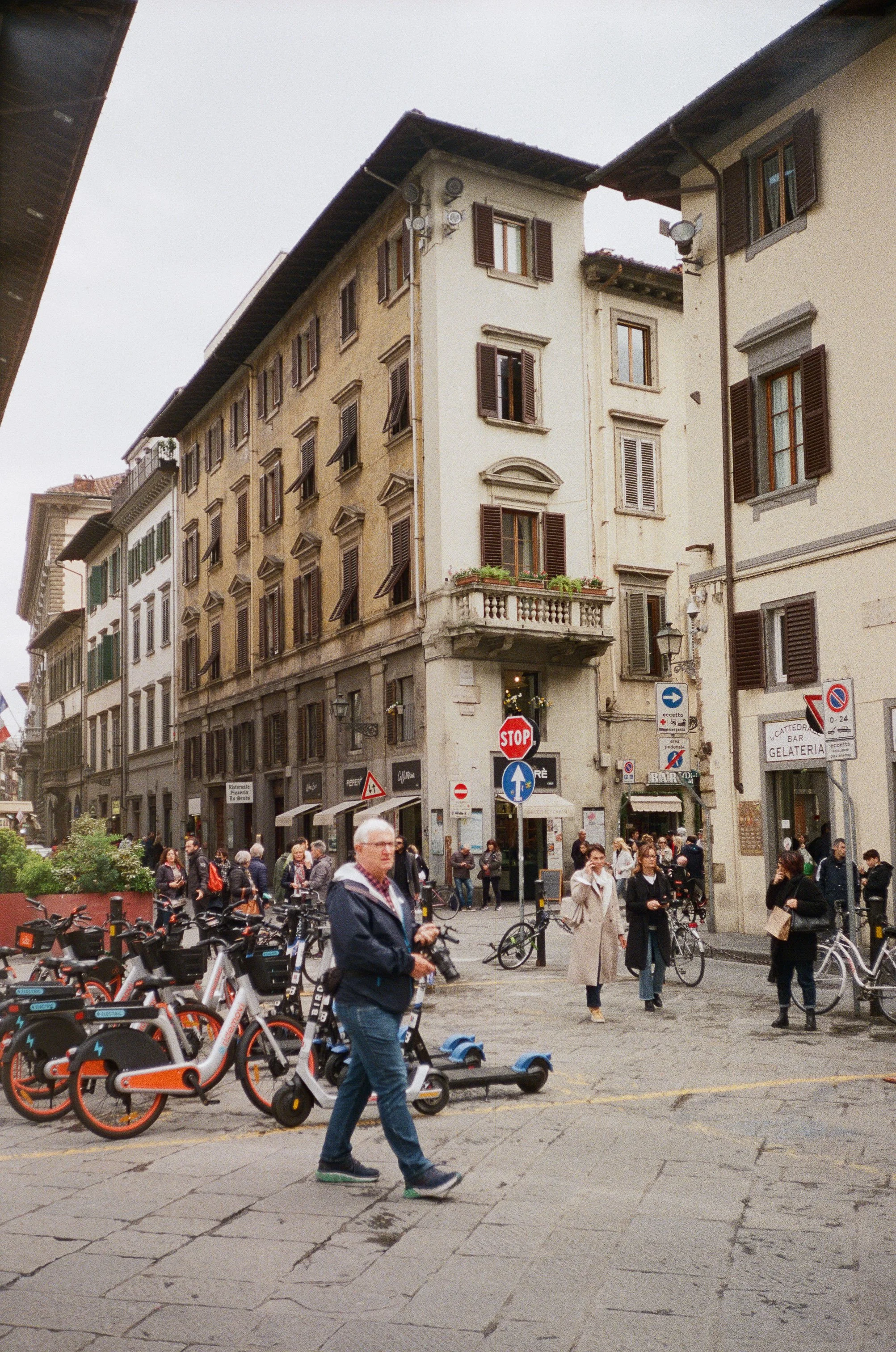
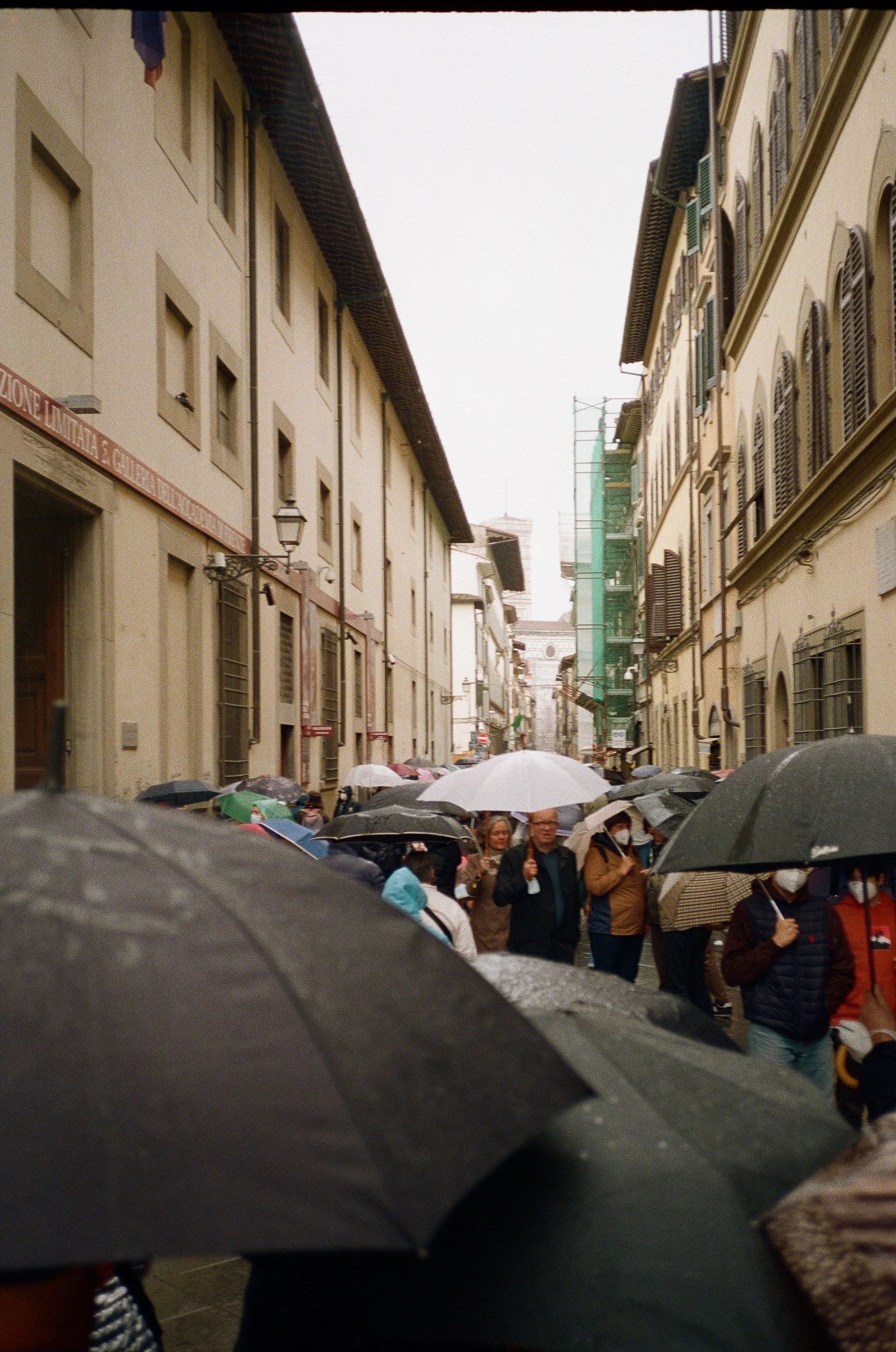
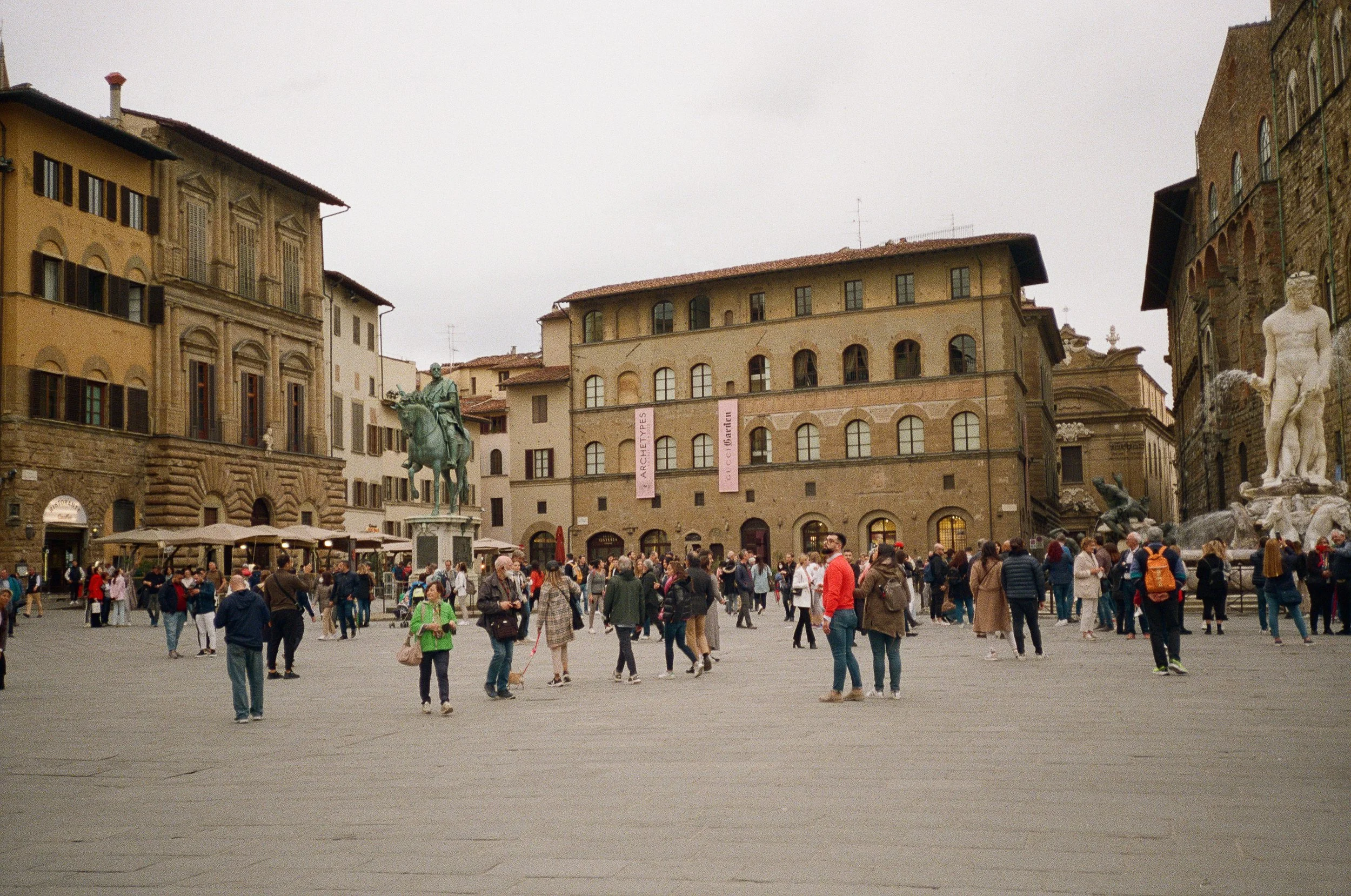
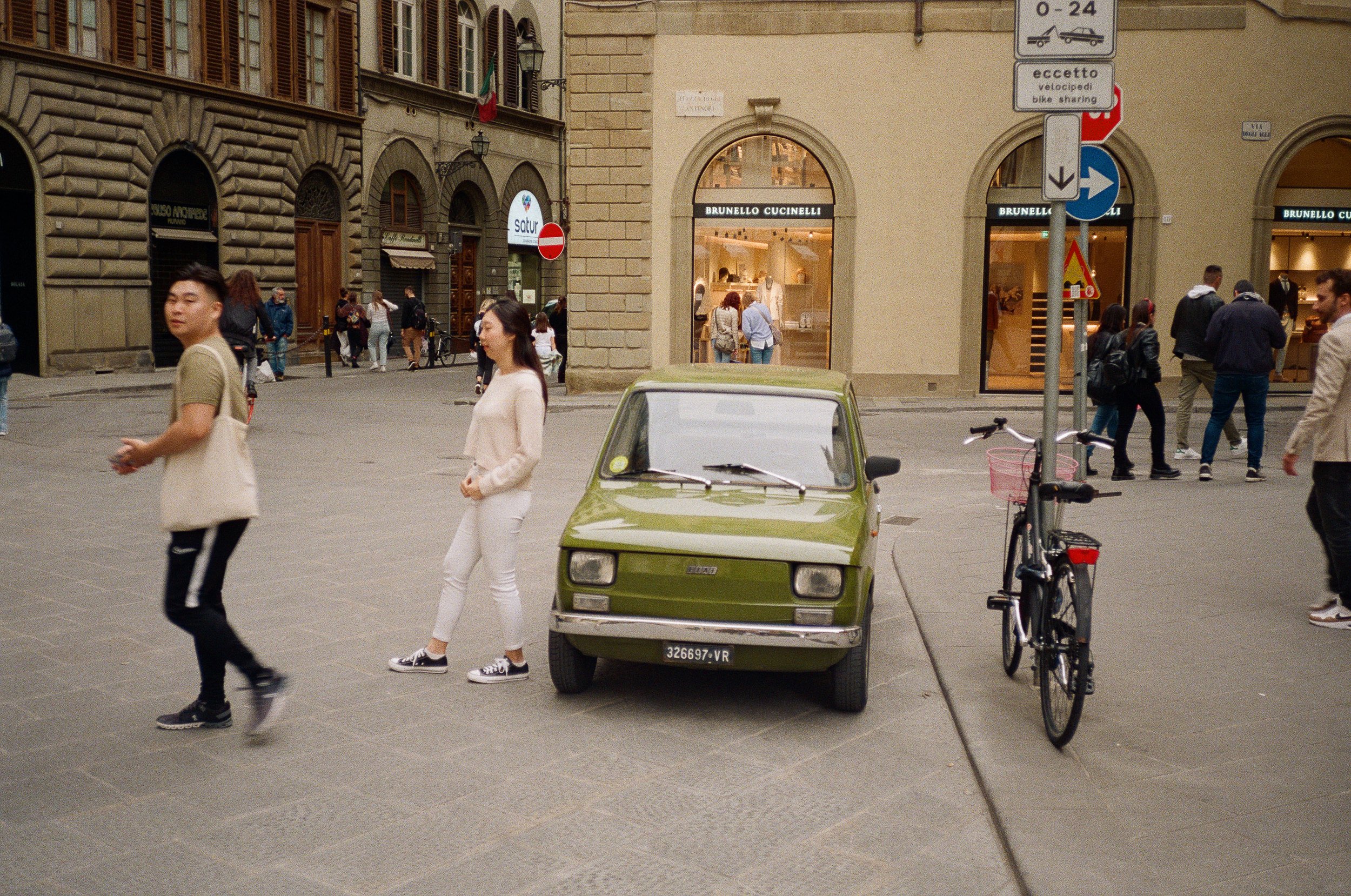
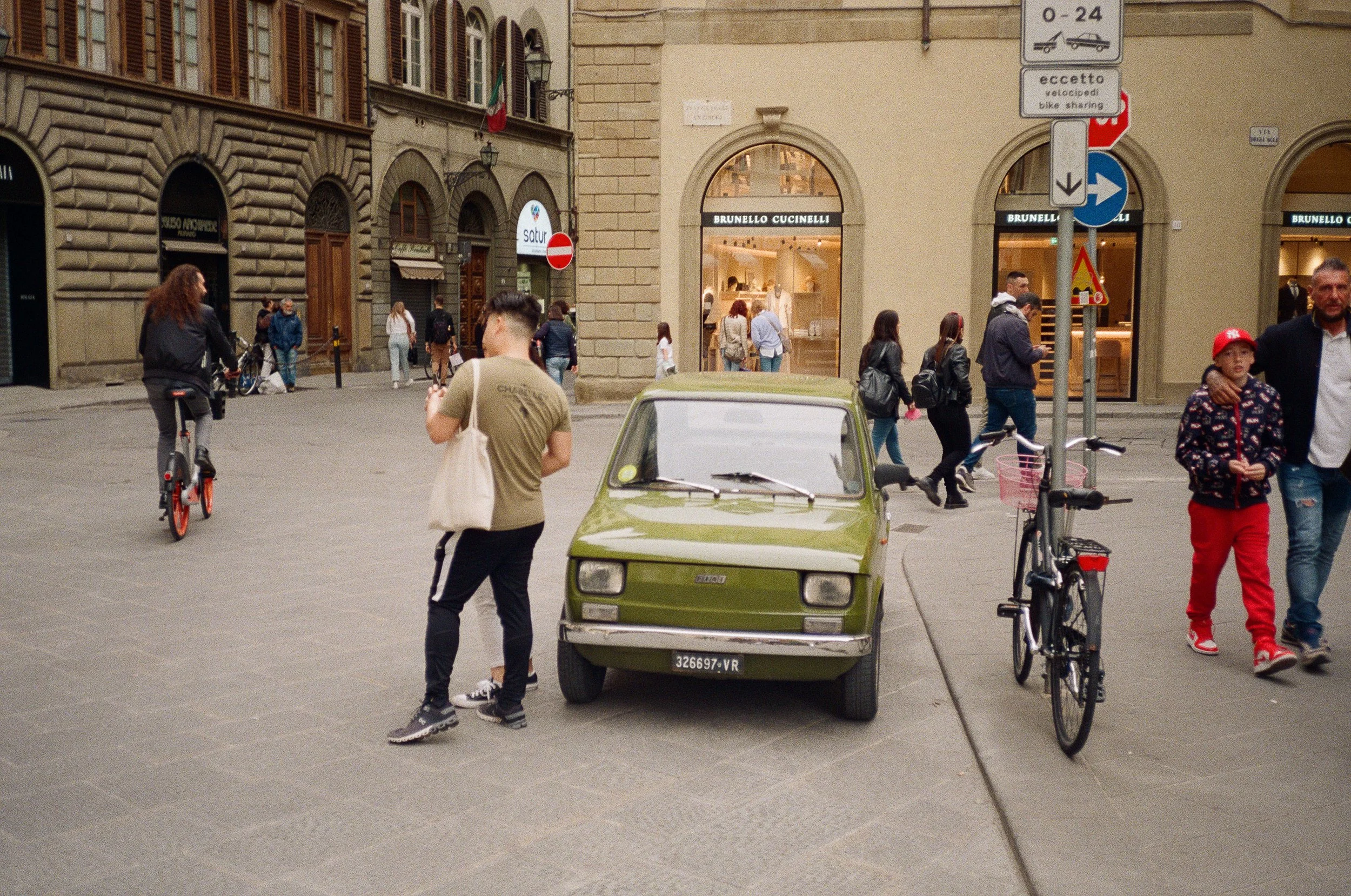
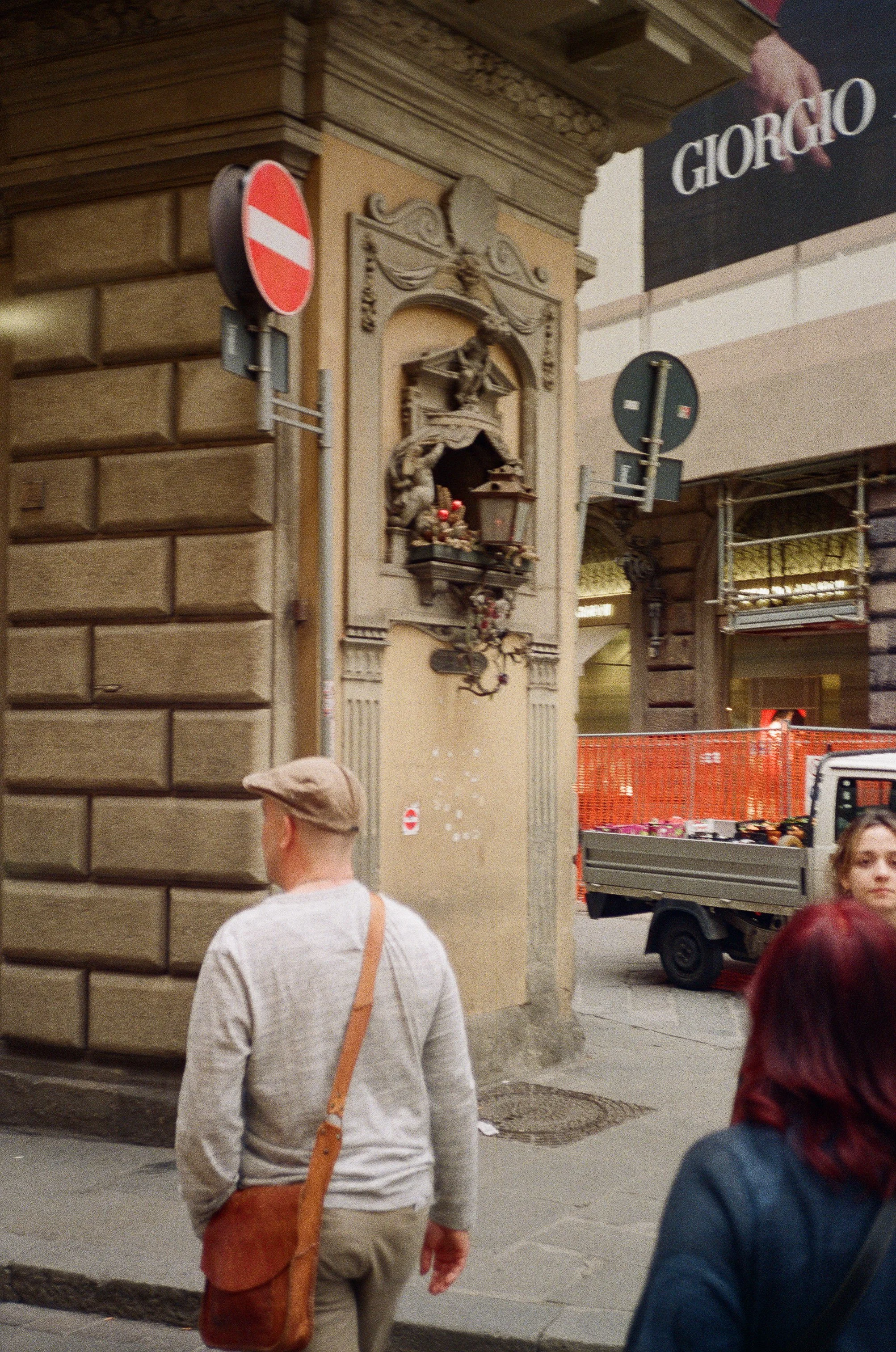
Florence felt different. More grounded, more permanent. The city moves at its own pace, and I followed.
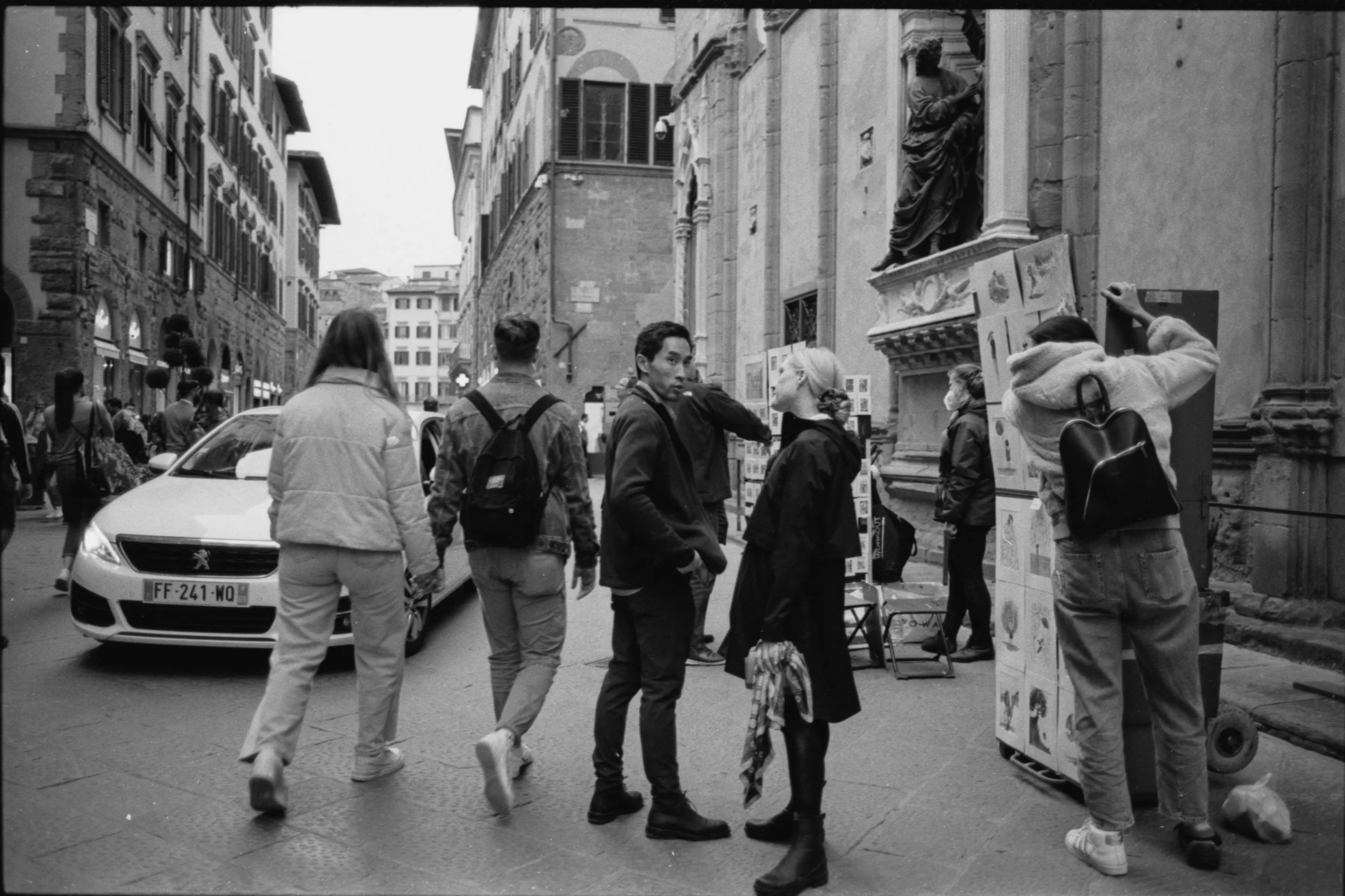
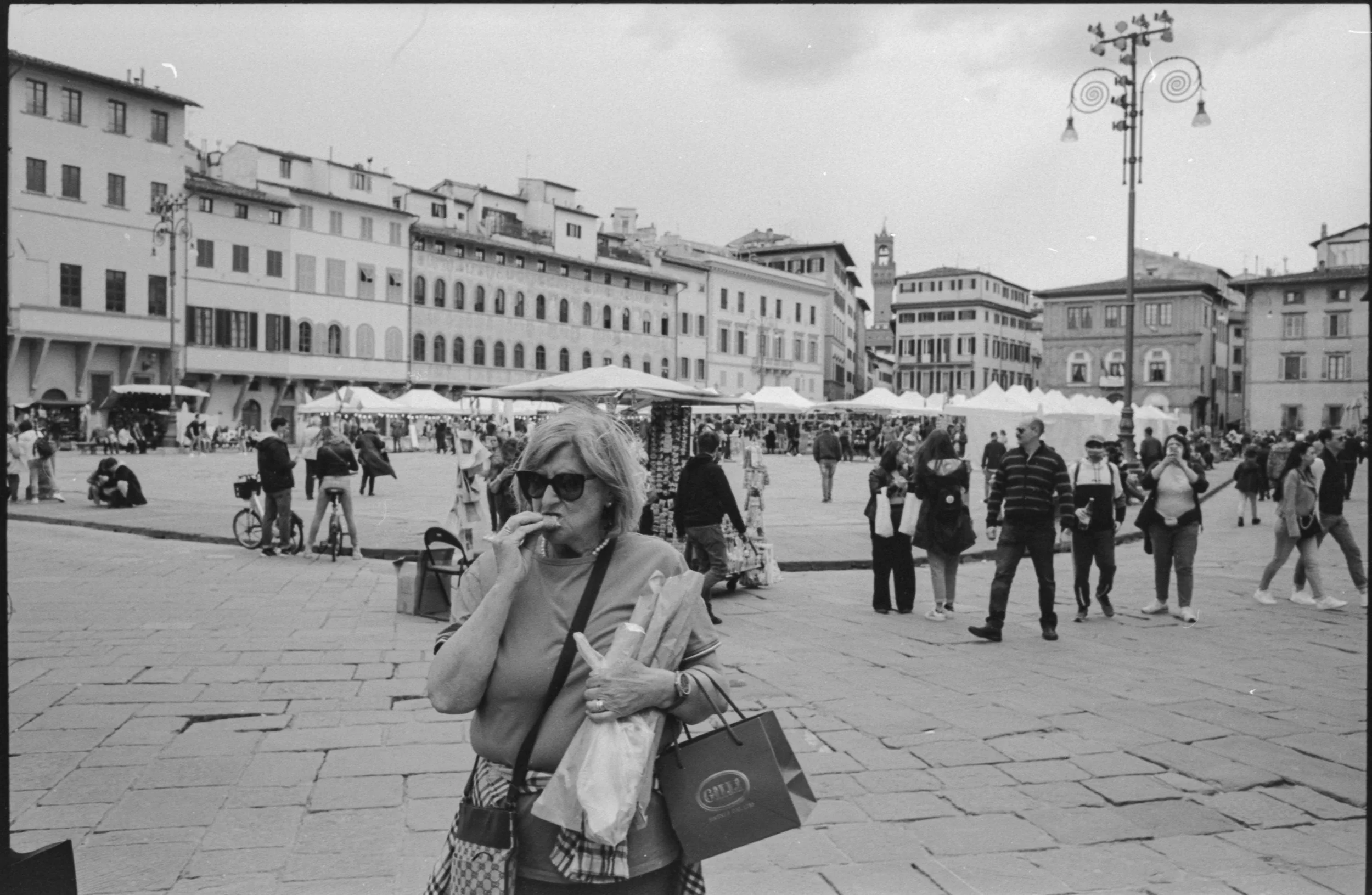
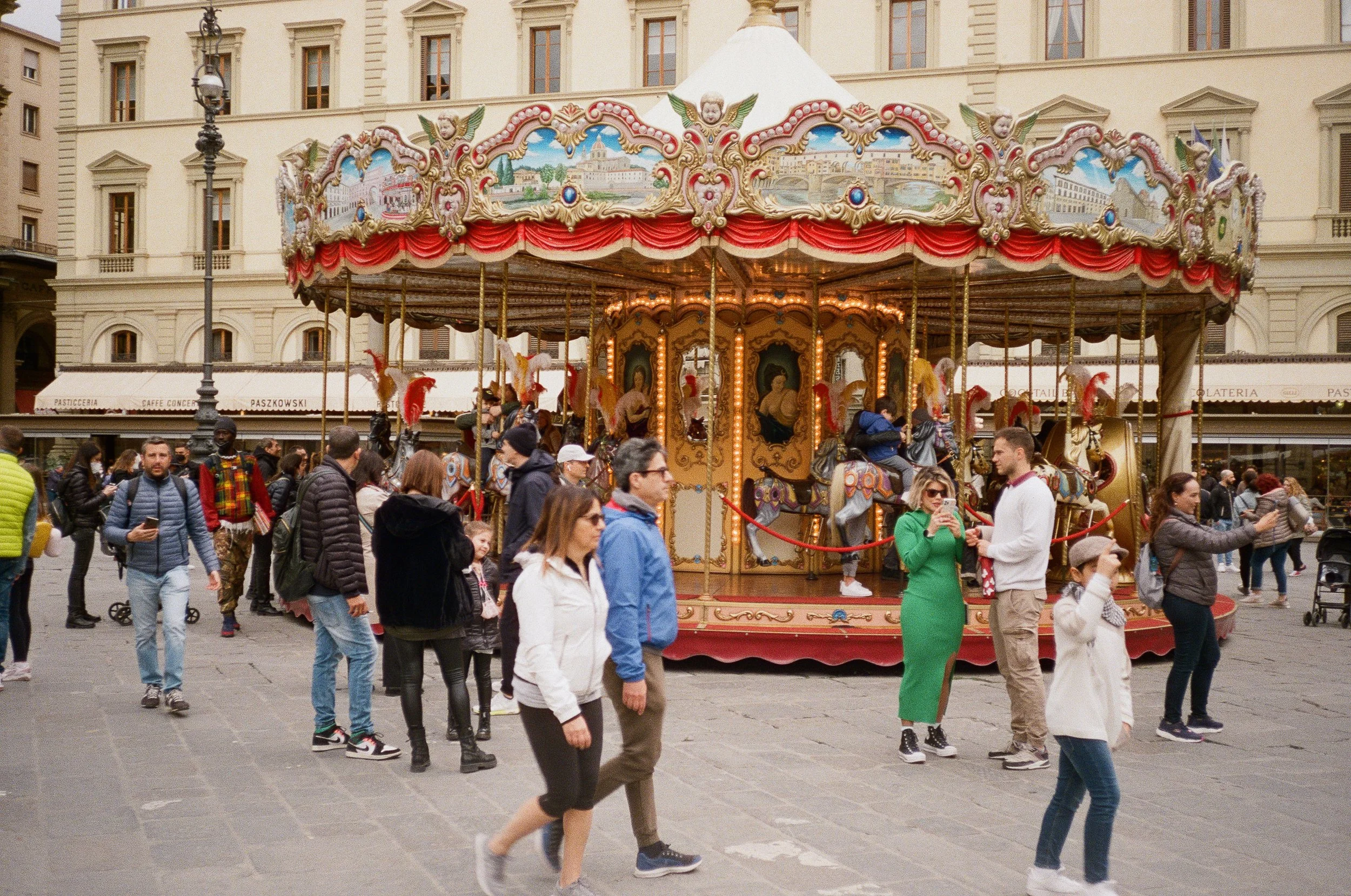
Walking through Florence is like walking through history. The statues, the cathedrals, the narrow streets that suddenly open into wide piazzas—it all feels intentional, like it was designed to be seen and remembered. The way the sunlight carves through the alleys made me reach for the Mamiya C330. Medium format forces you to slow down, to take in a place fully before pressing the shutter.
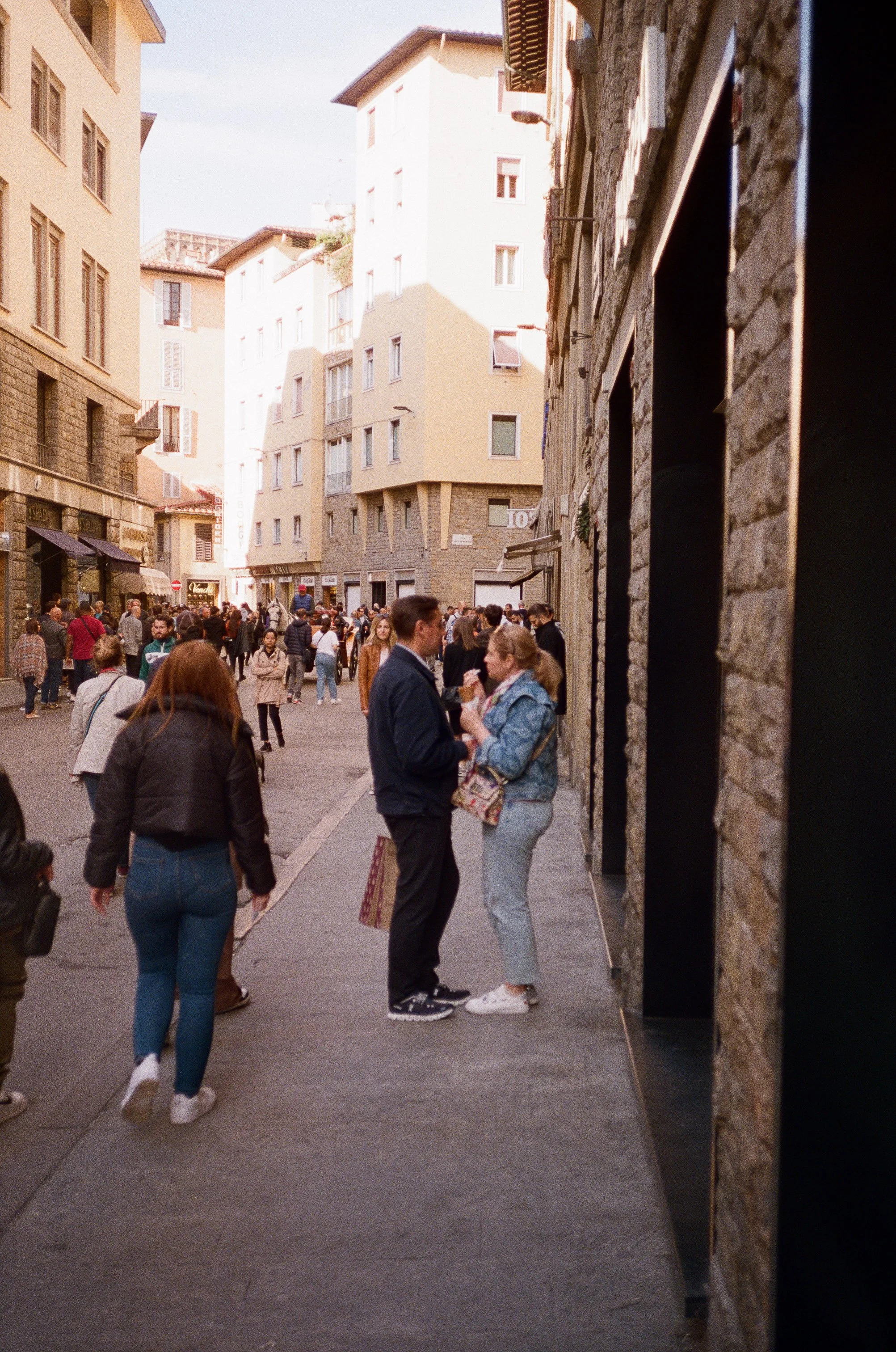
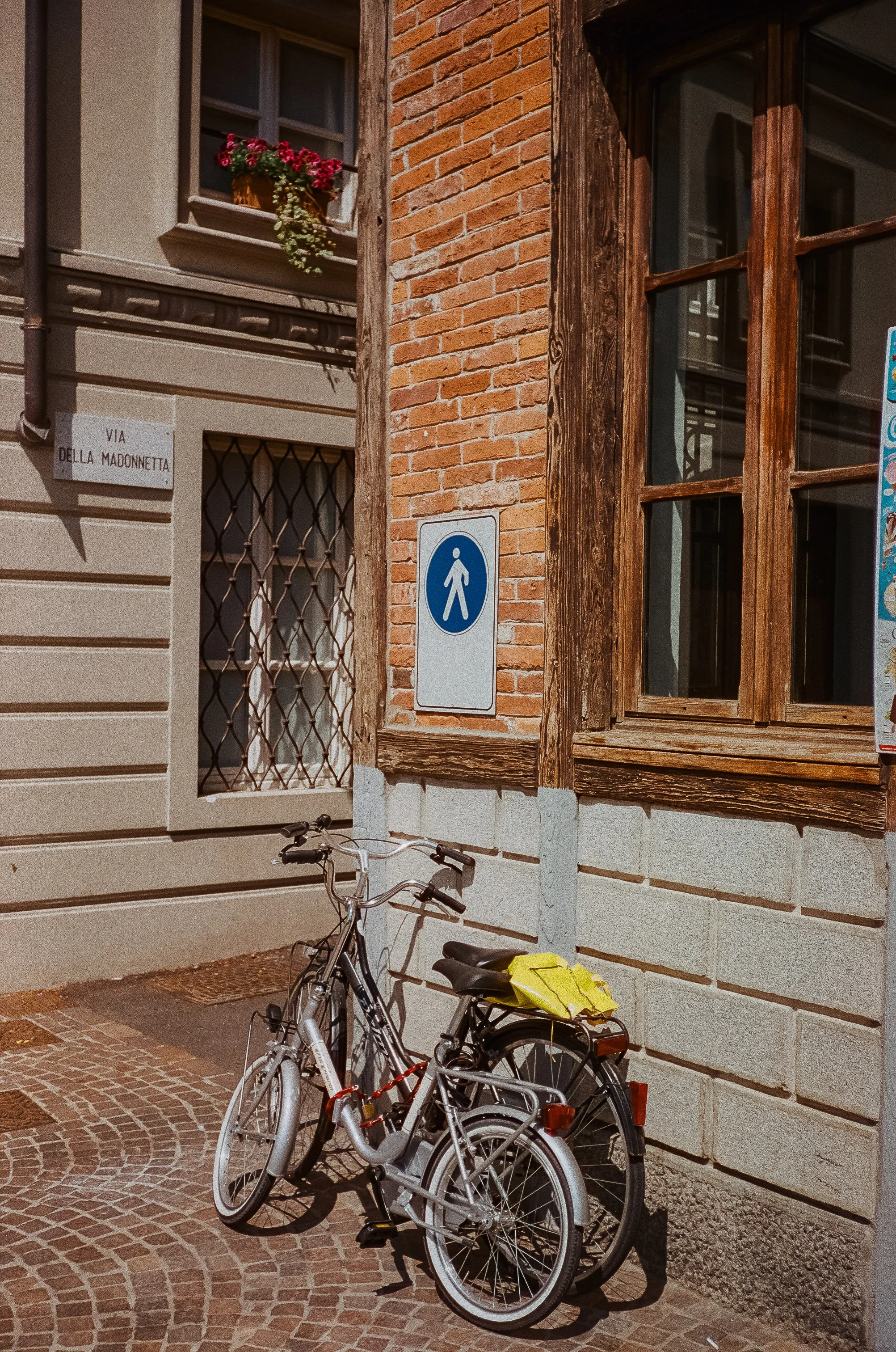
I shot a mix here. Tri-X 400 for the contrast, for the way it makes everything feel classic, almost eternal. But when the late afternoon sun hit, I loaded Kodak Gold 200. Florence is warm—not just in temperature, but in color, in feel. Gold 200 pulled out those rich, earthy tones, the warm stone, the soft light bouncing off centuries-old buildings.
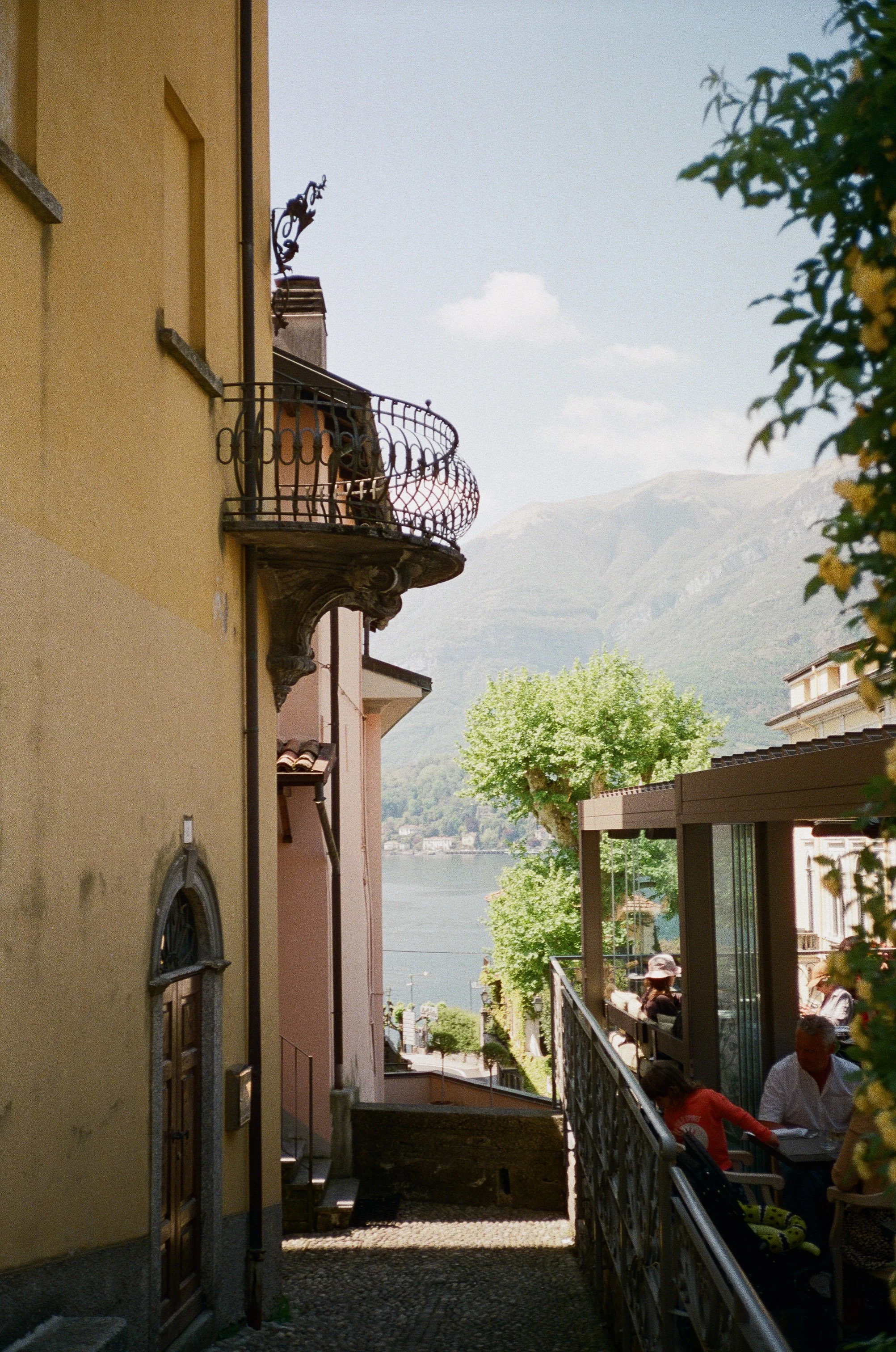
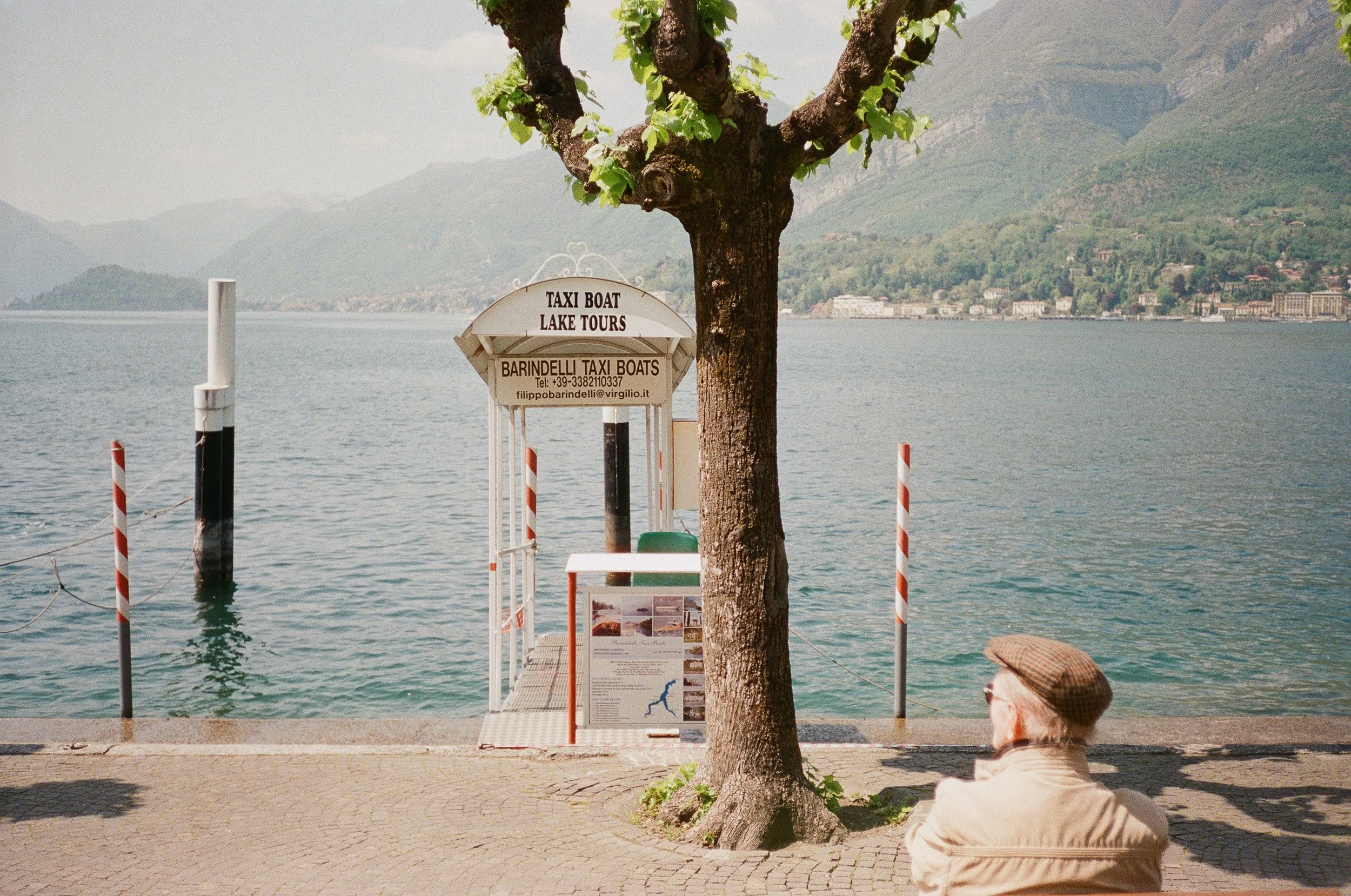
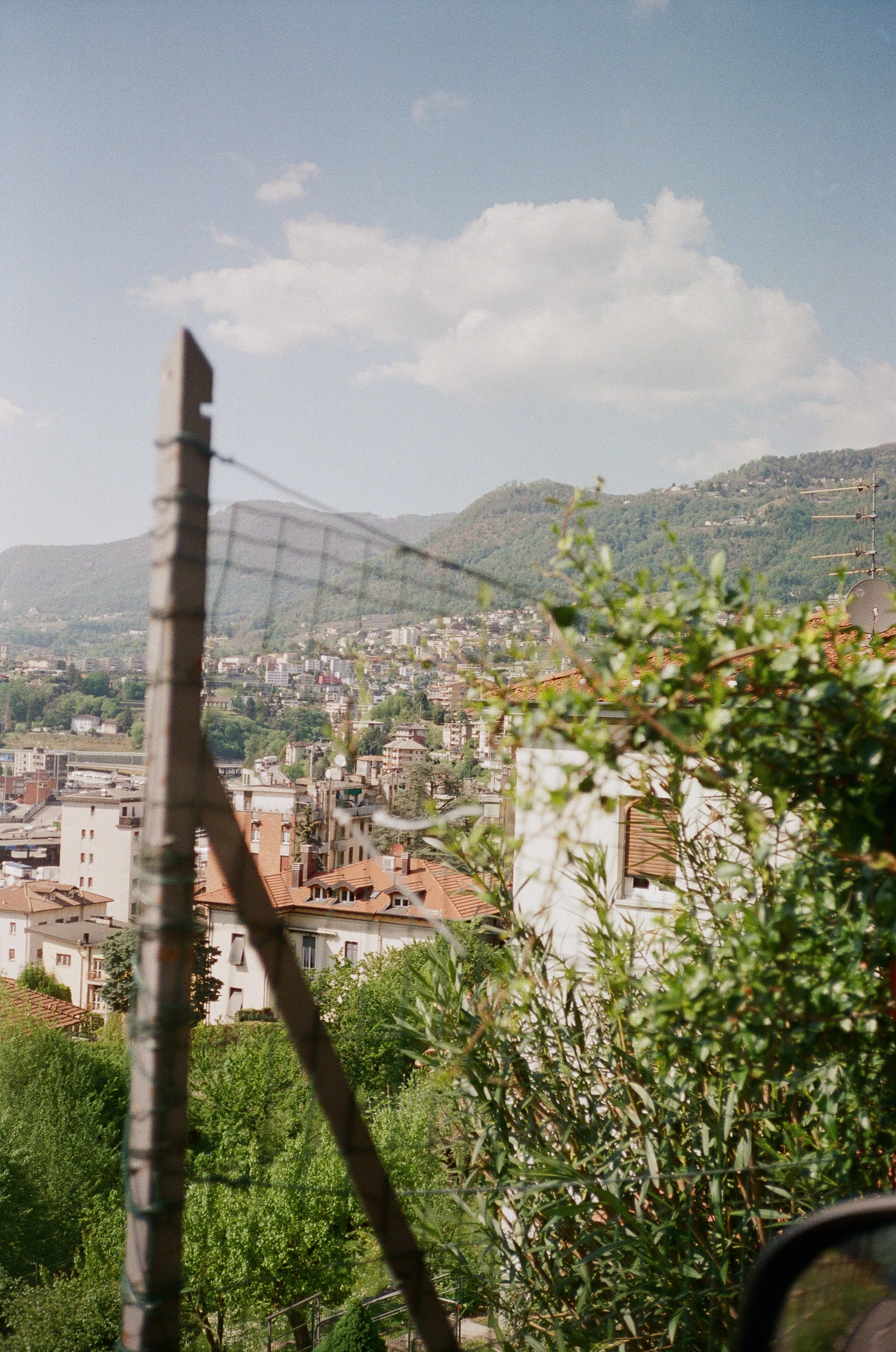
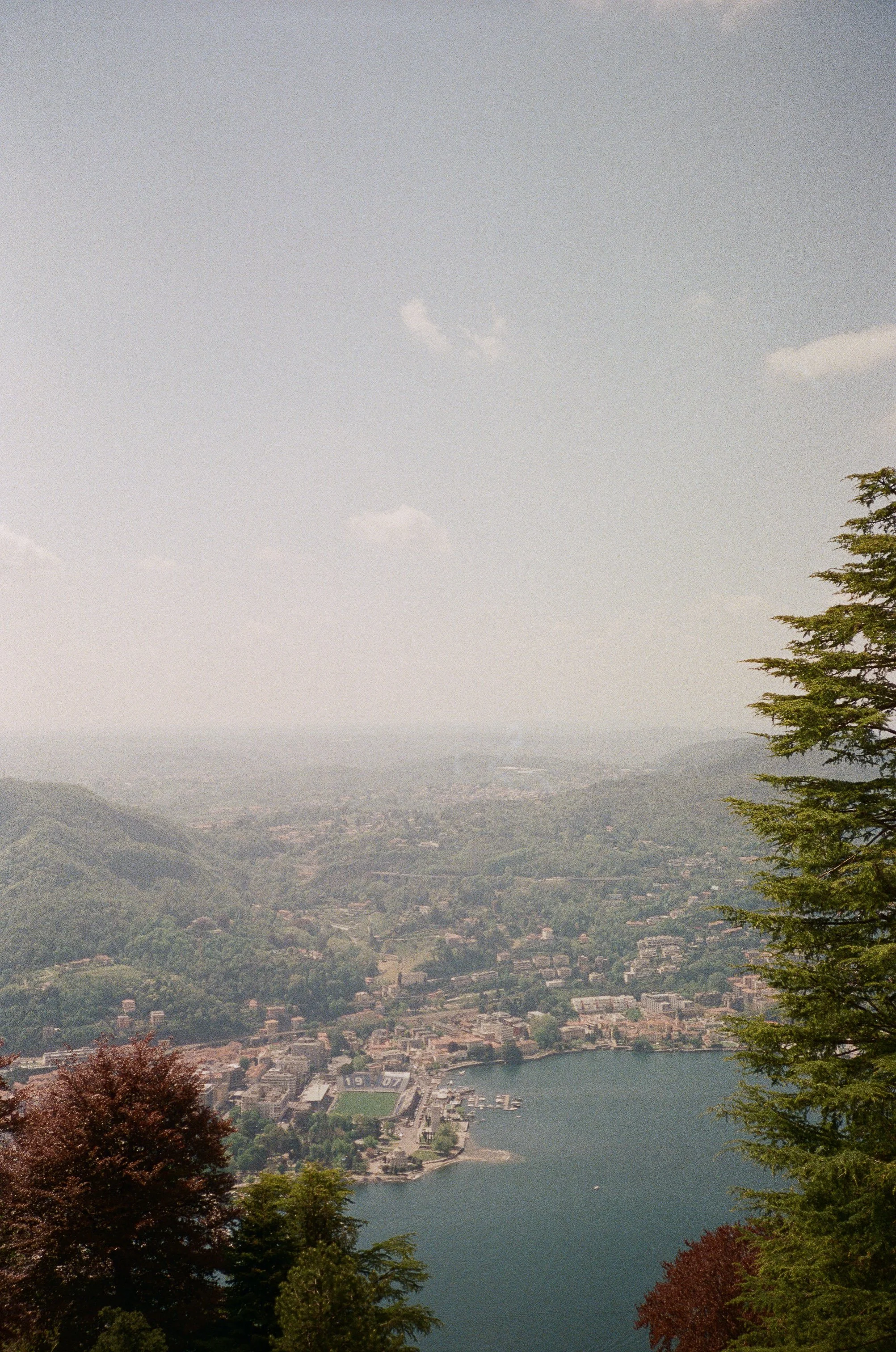
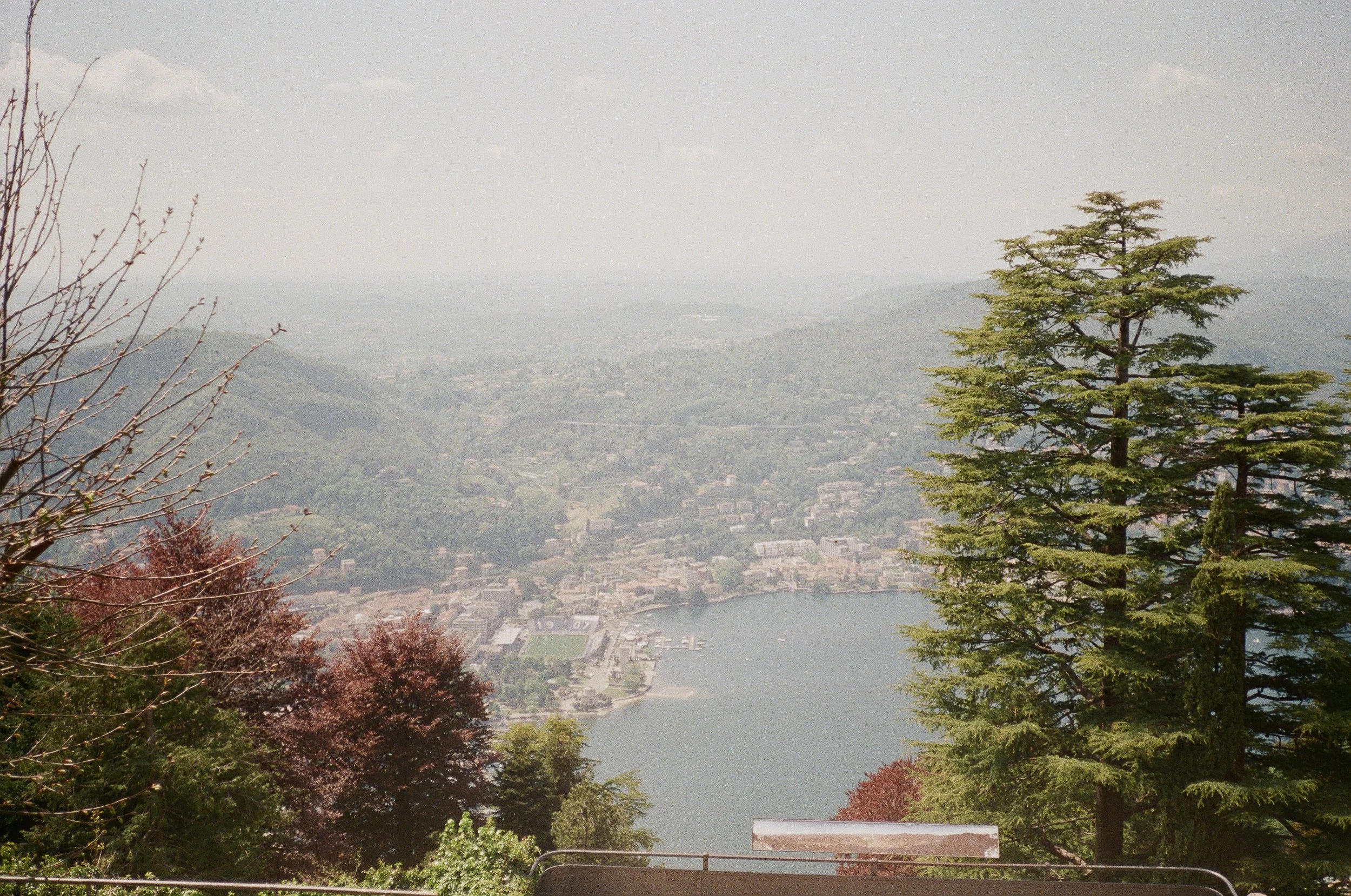
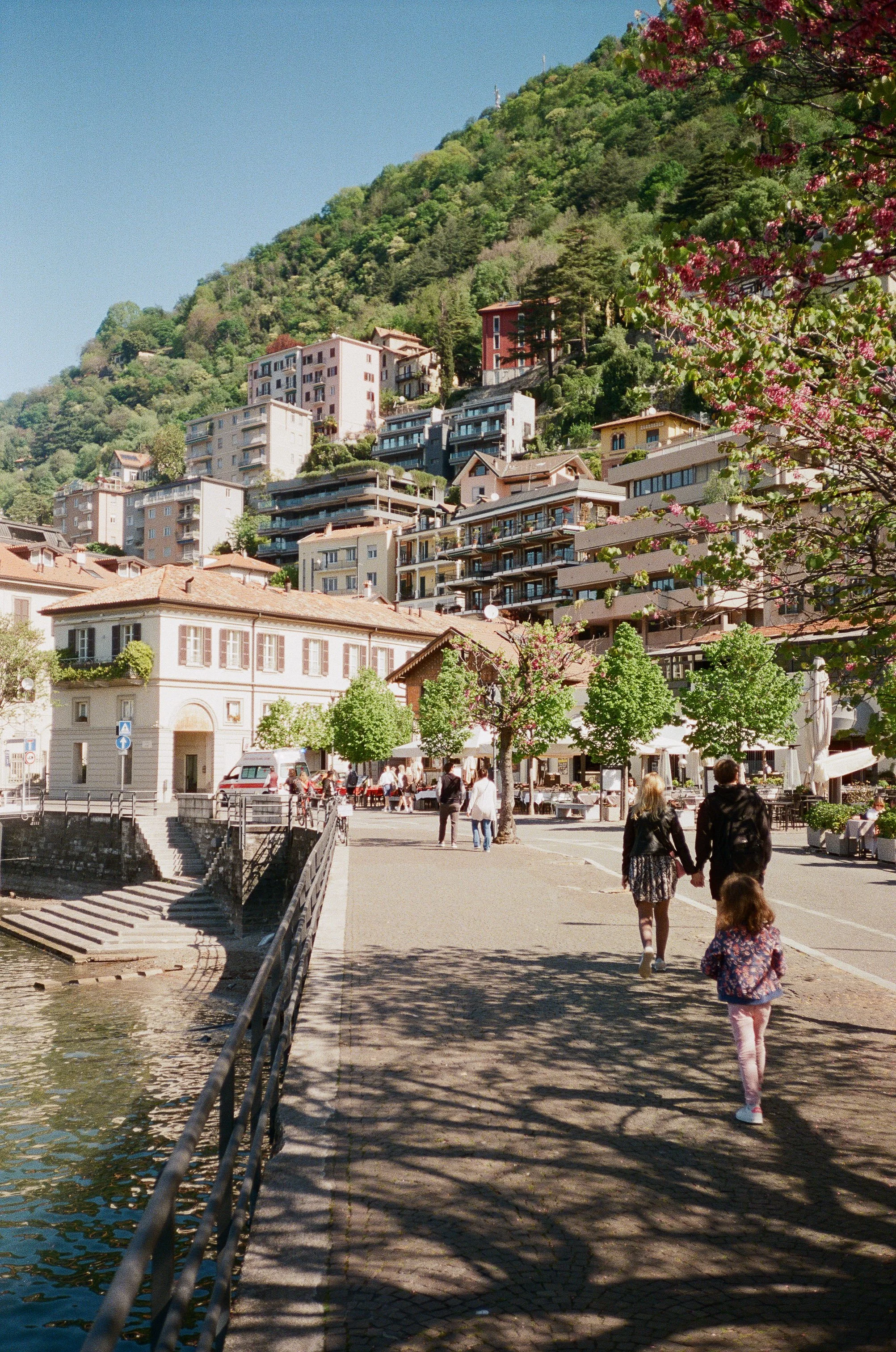
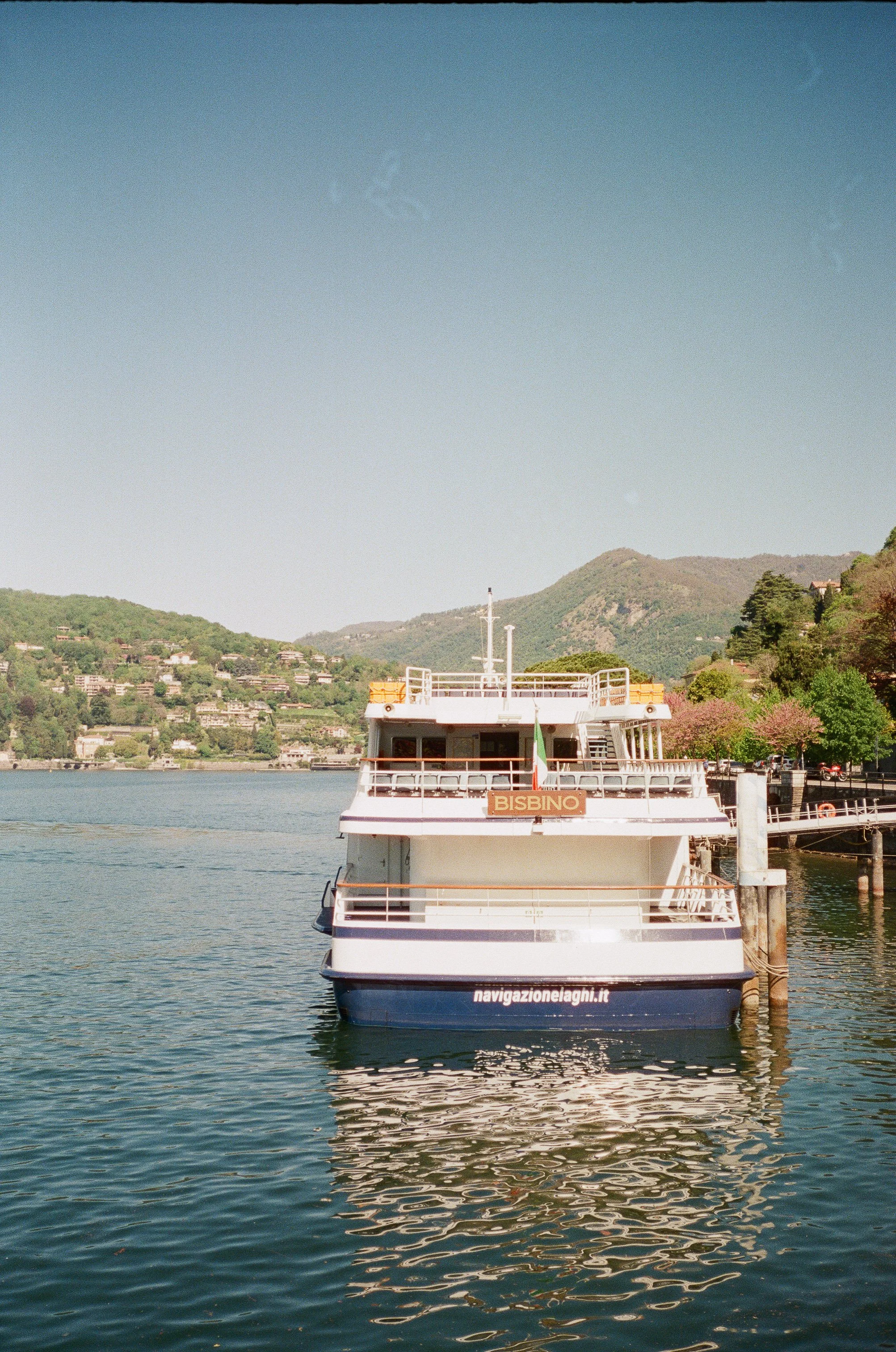
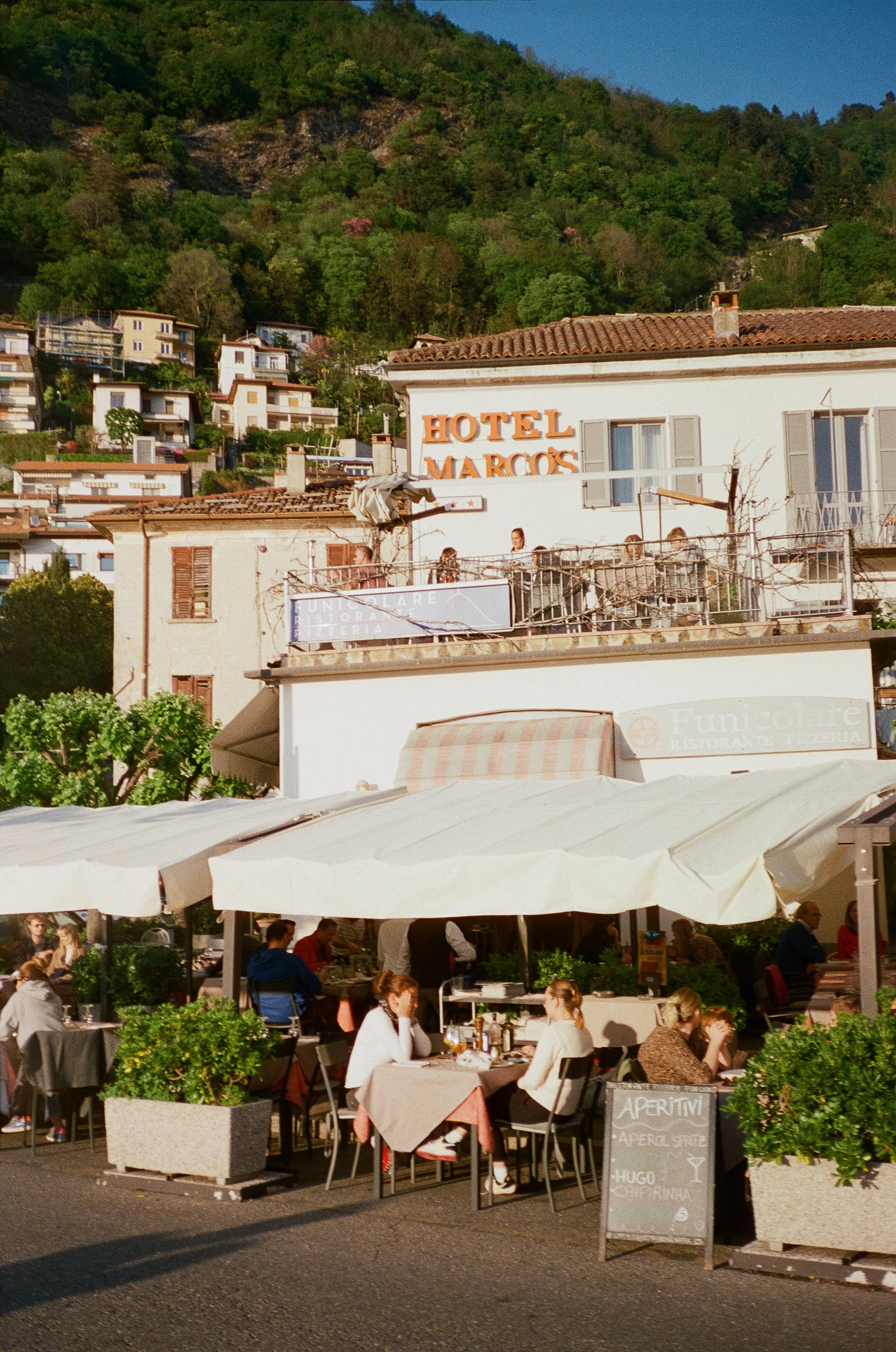
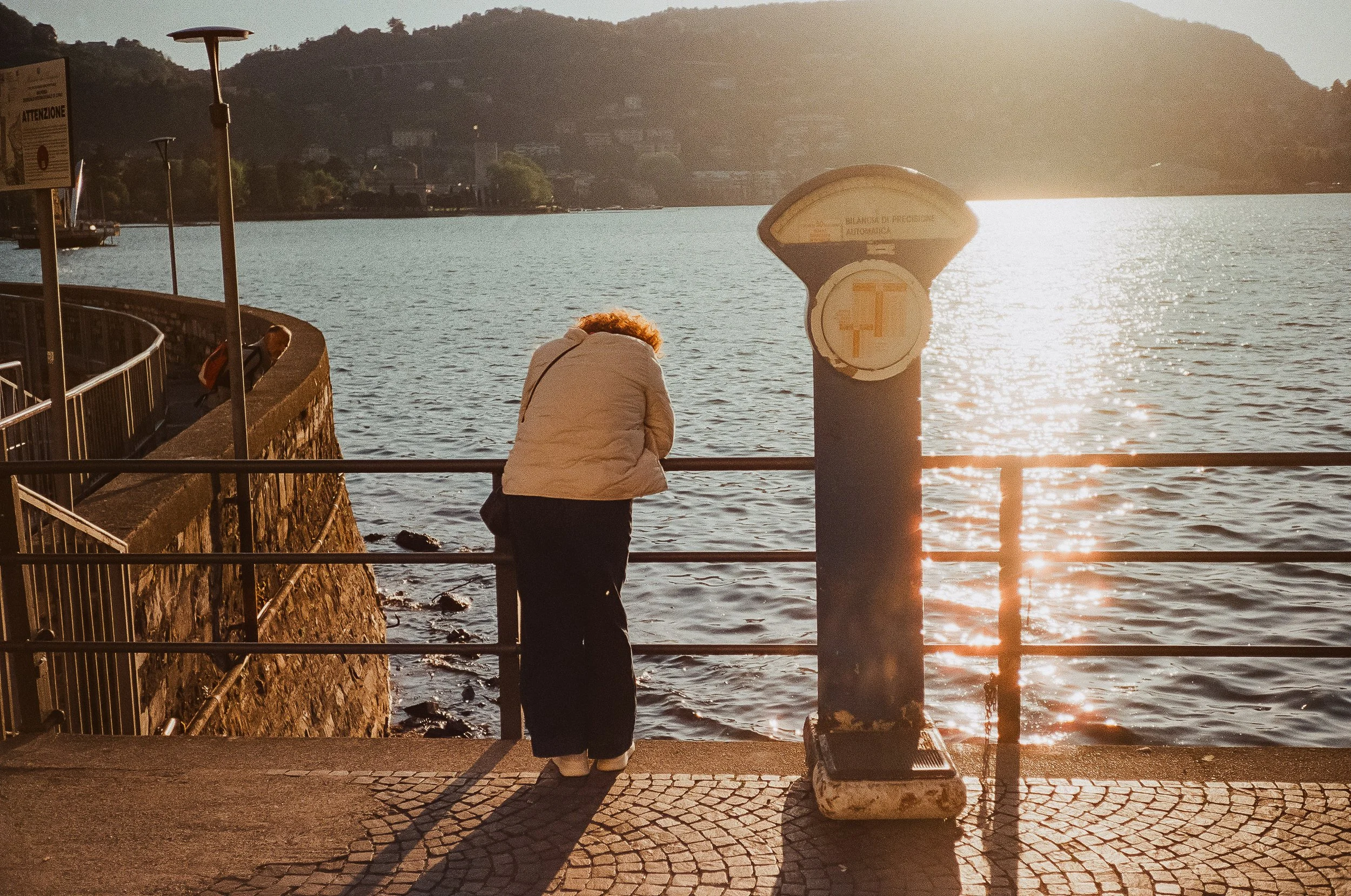
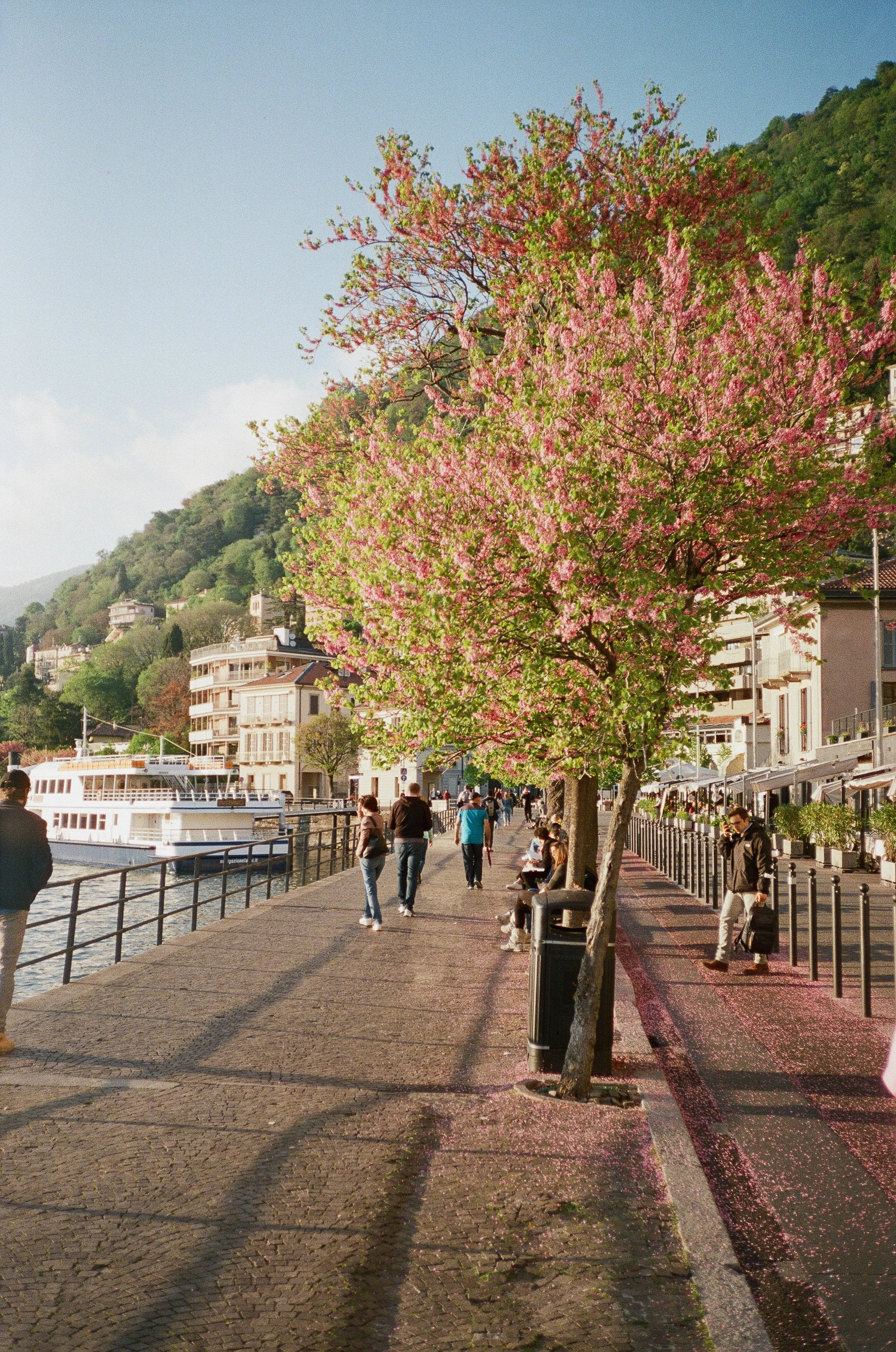
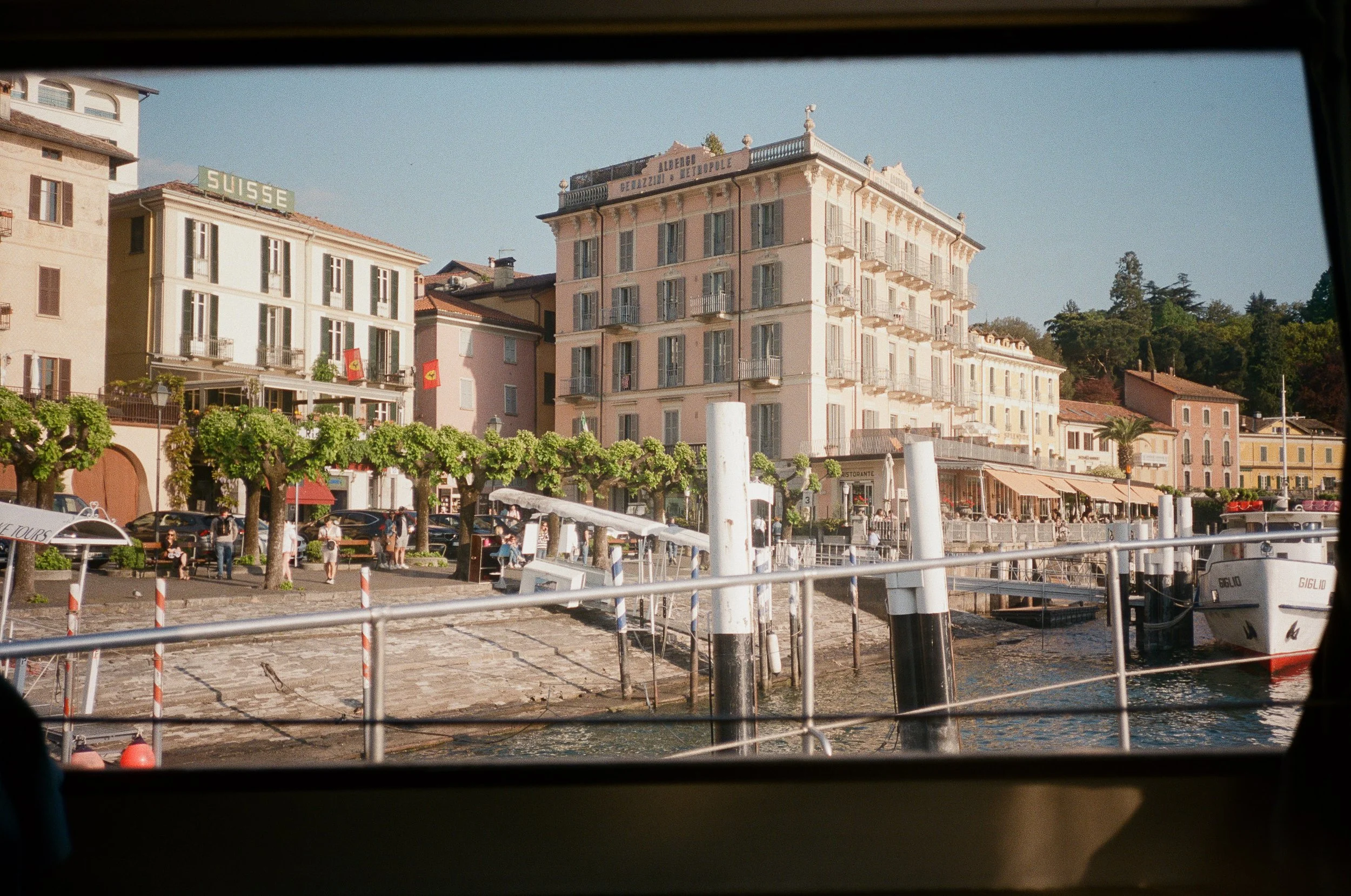
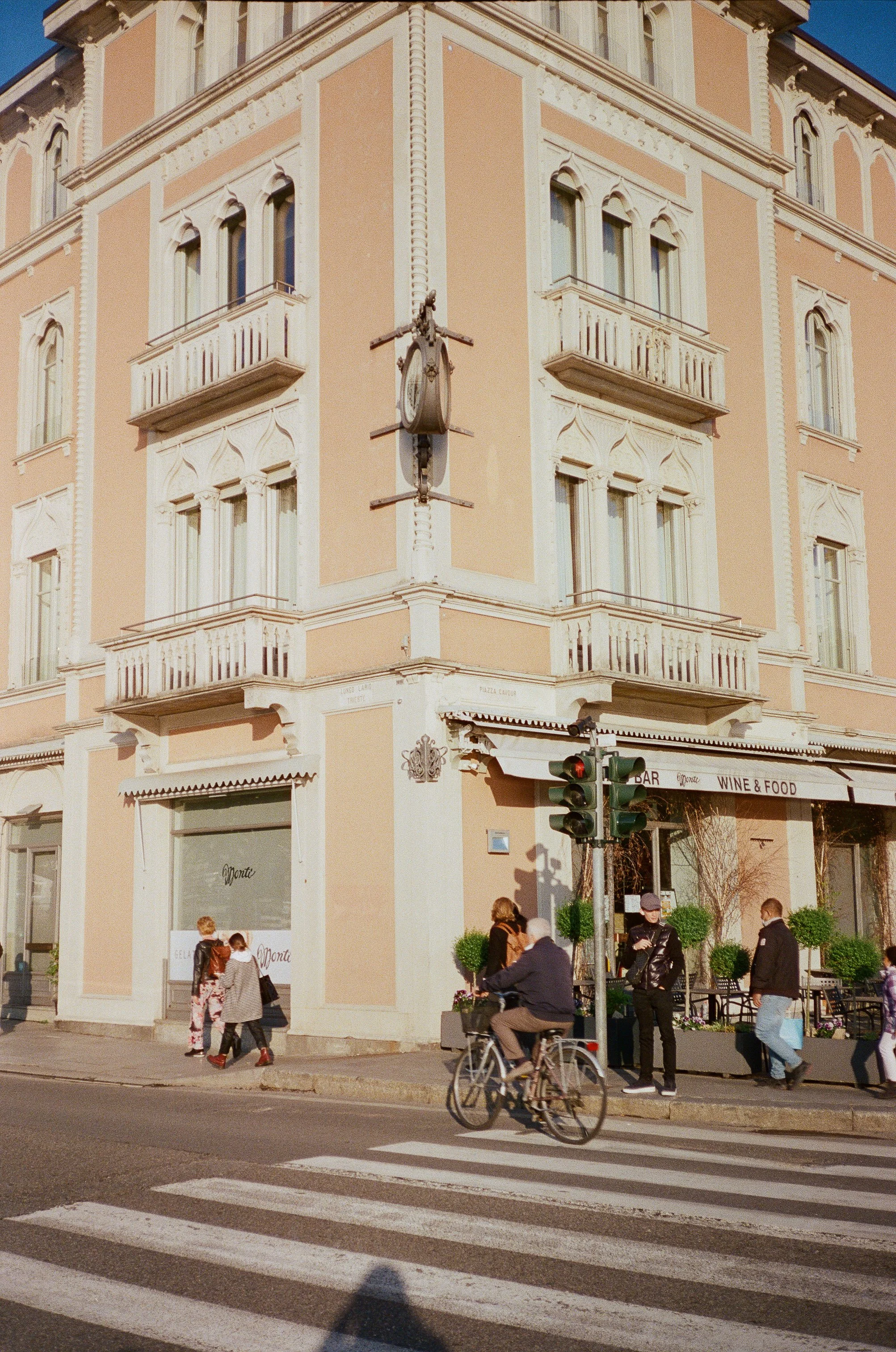
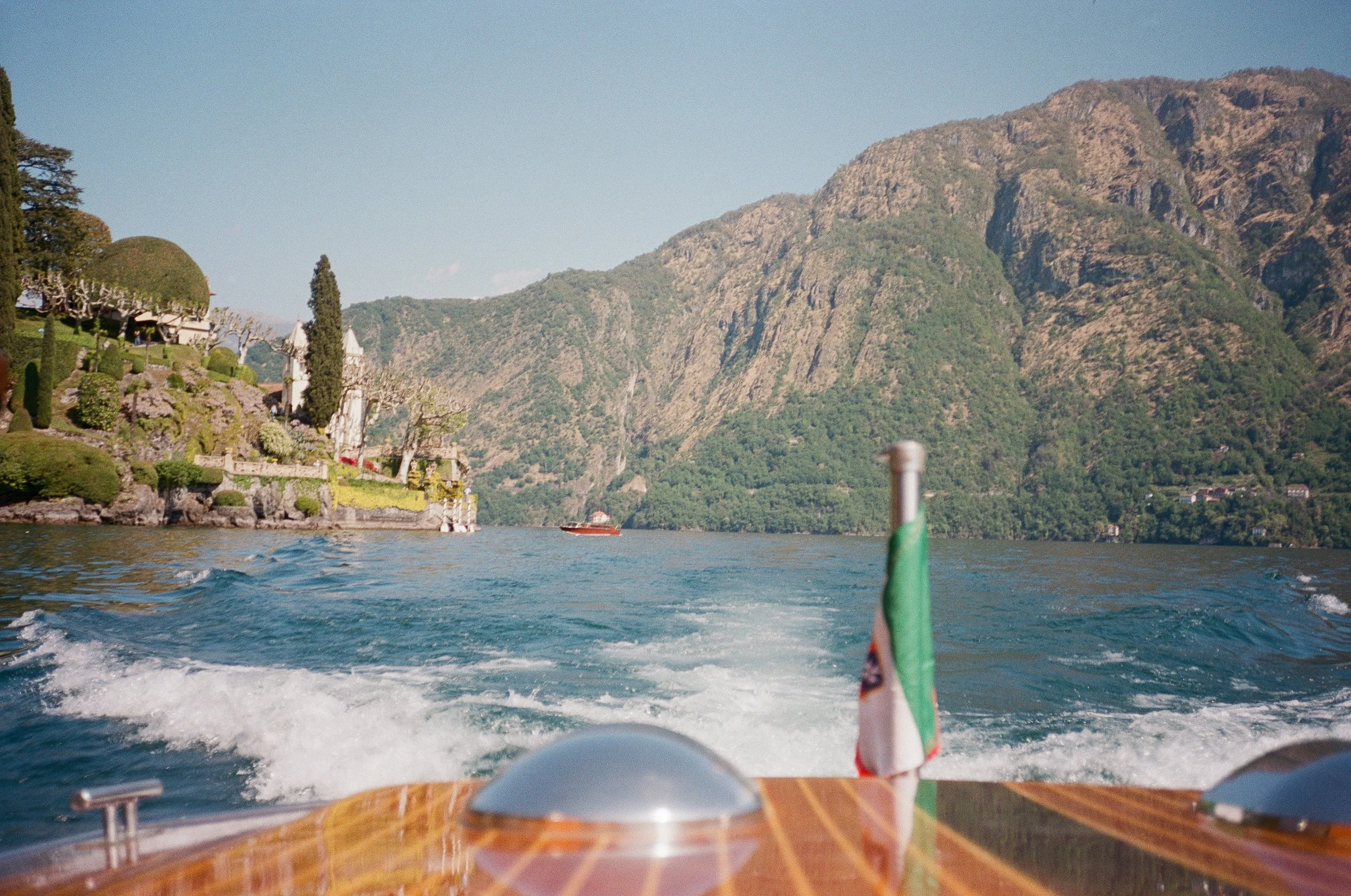
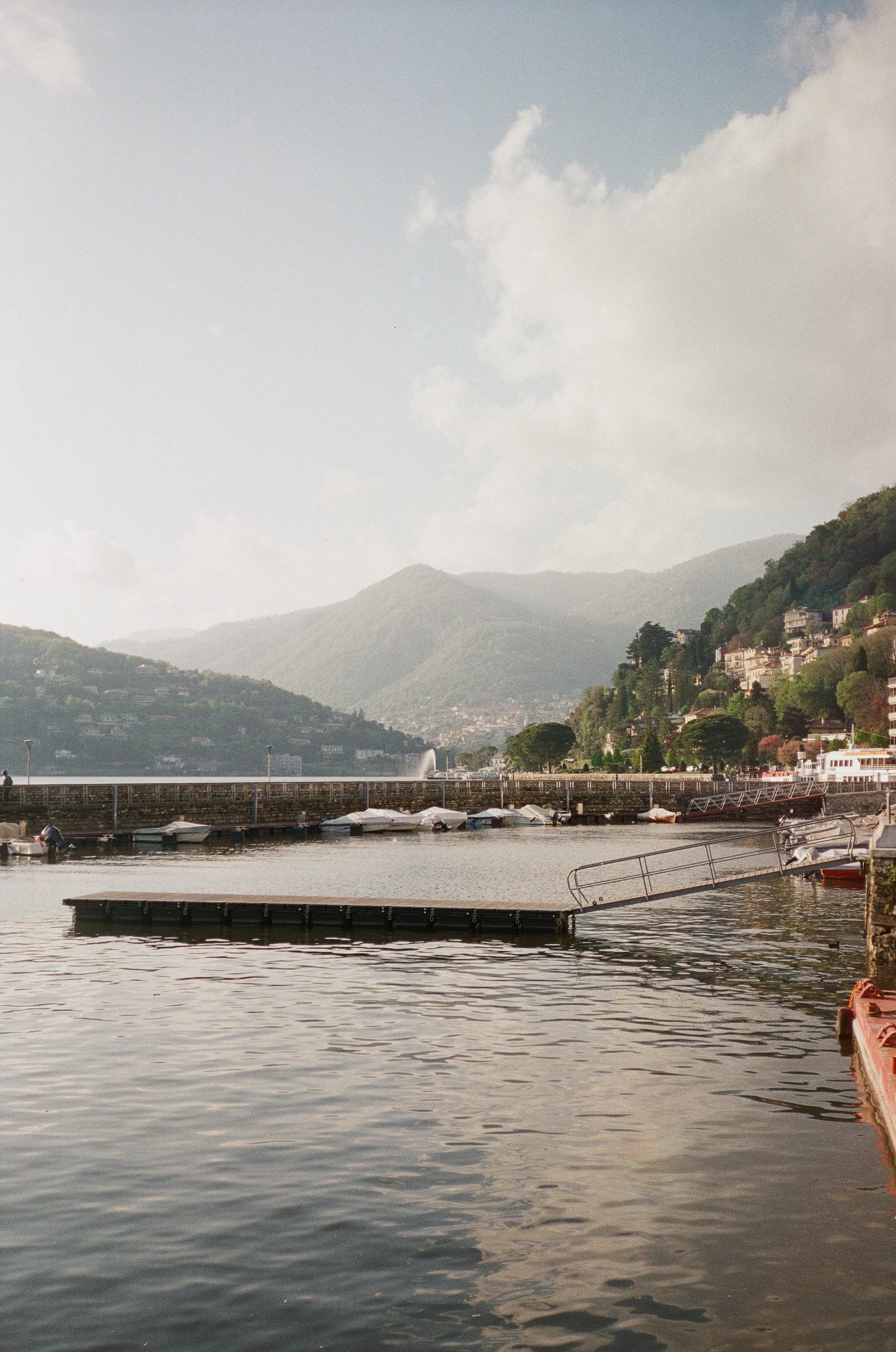
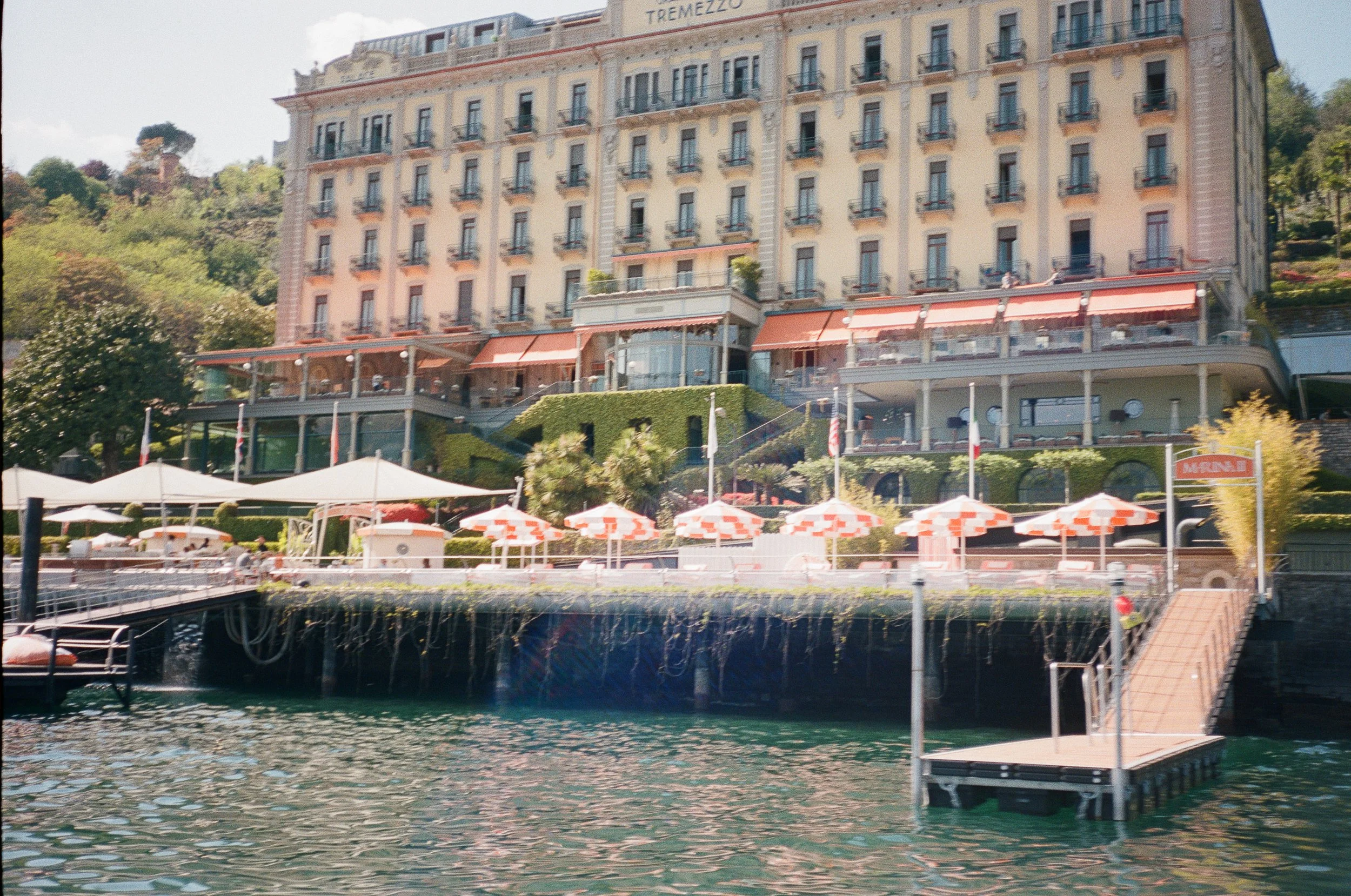
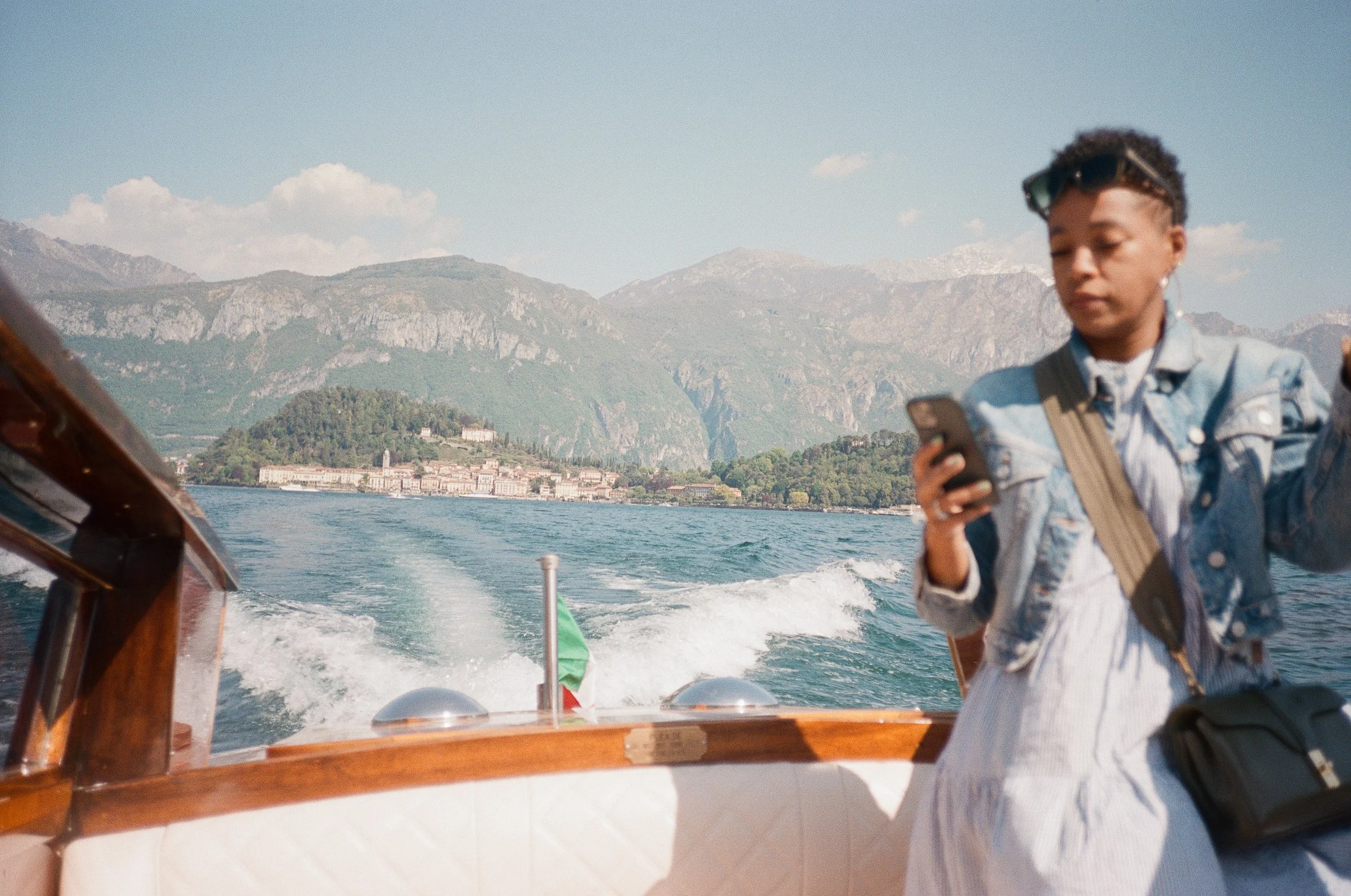
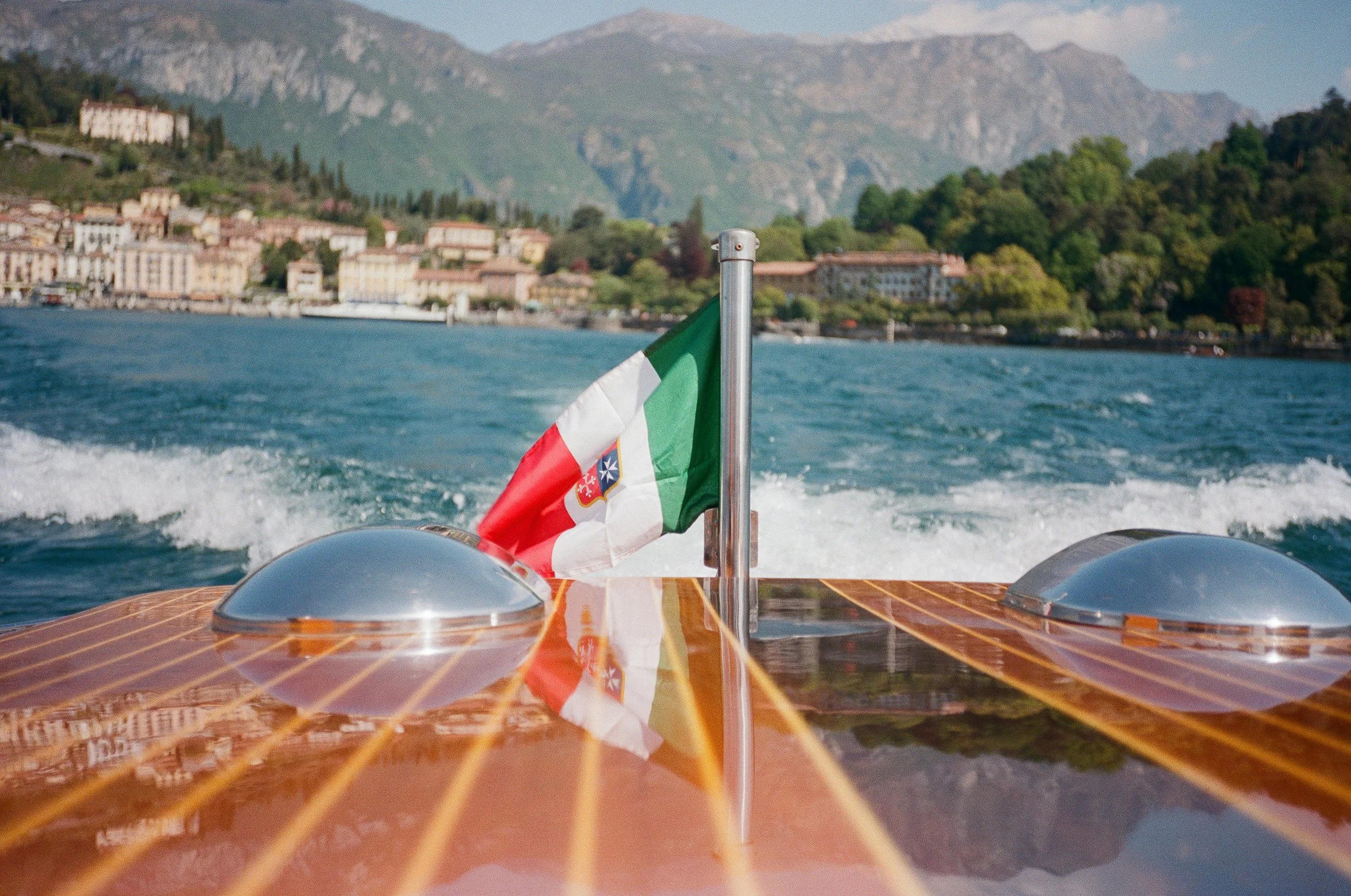
Lake Como feels like something out of a film. The kind of place where time slows down, where you just sit back and watch the water shift with the wind.
The drive up was an experience in itself—winding roads, sudden views that made me want to pull over every five minutes. I did, a few times. You don’t rush through a place like this.
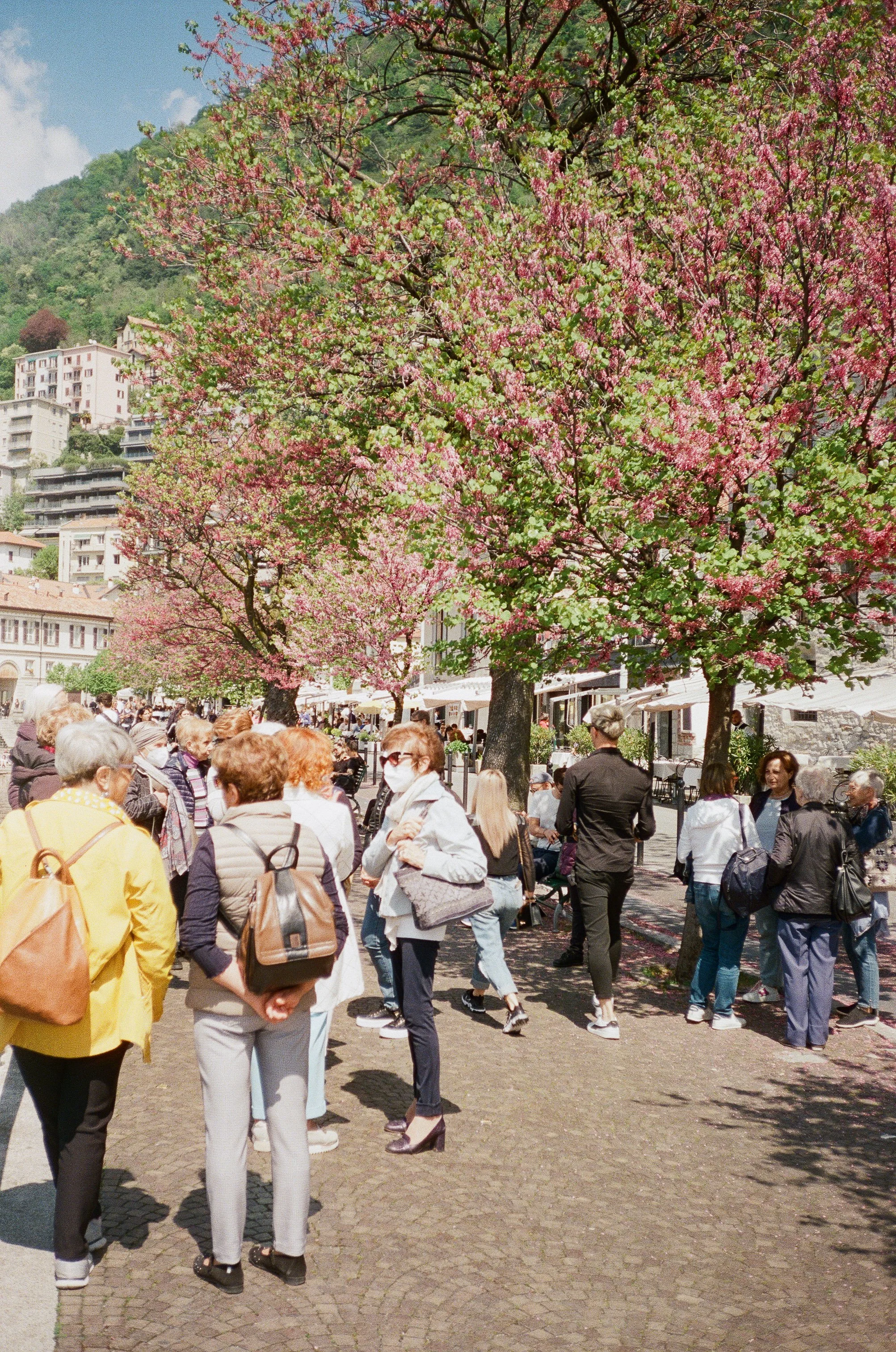
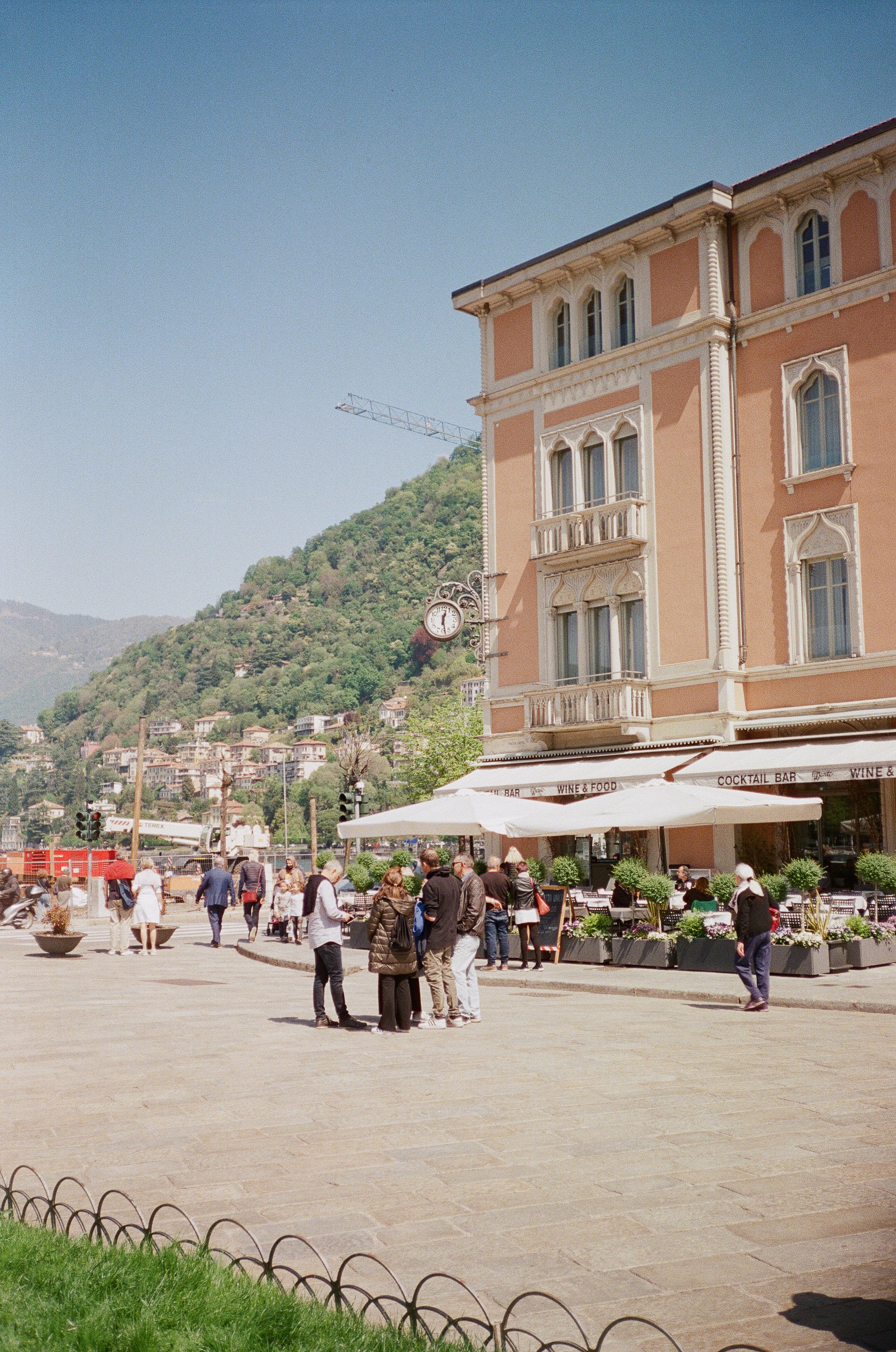
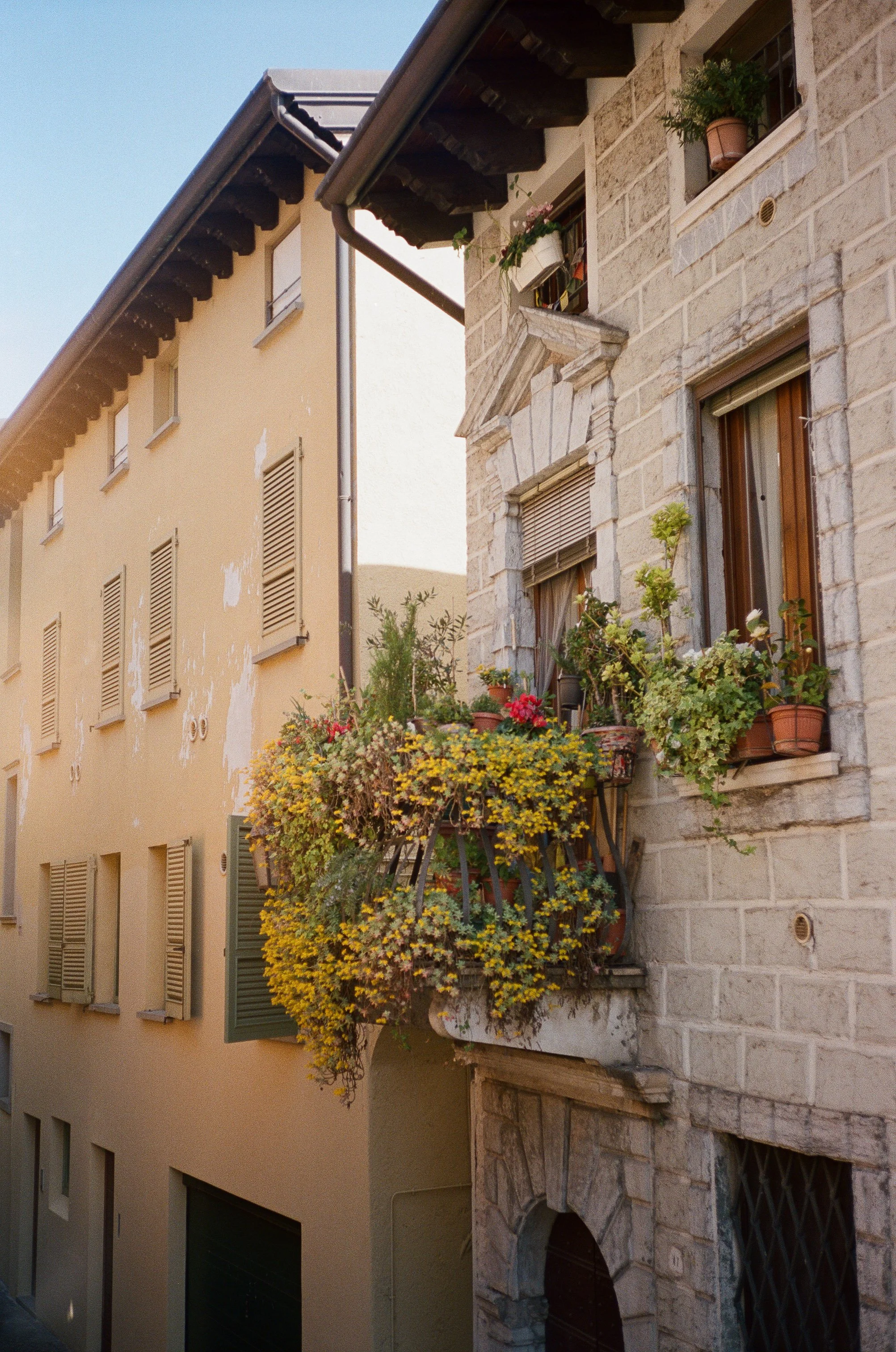
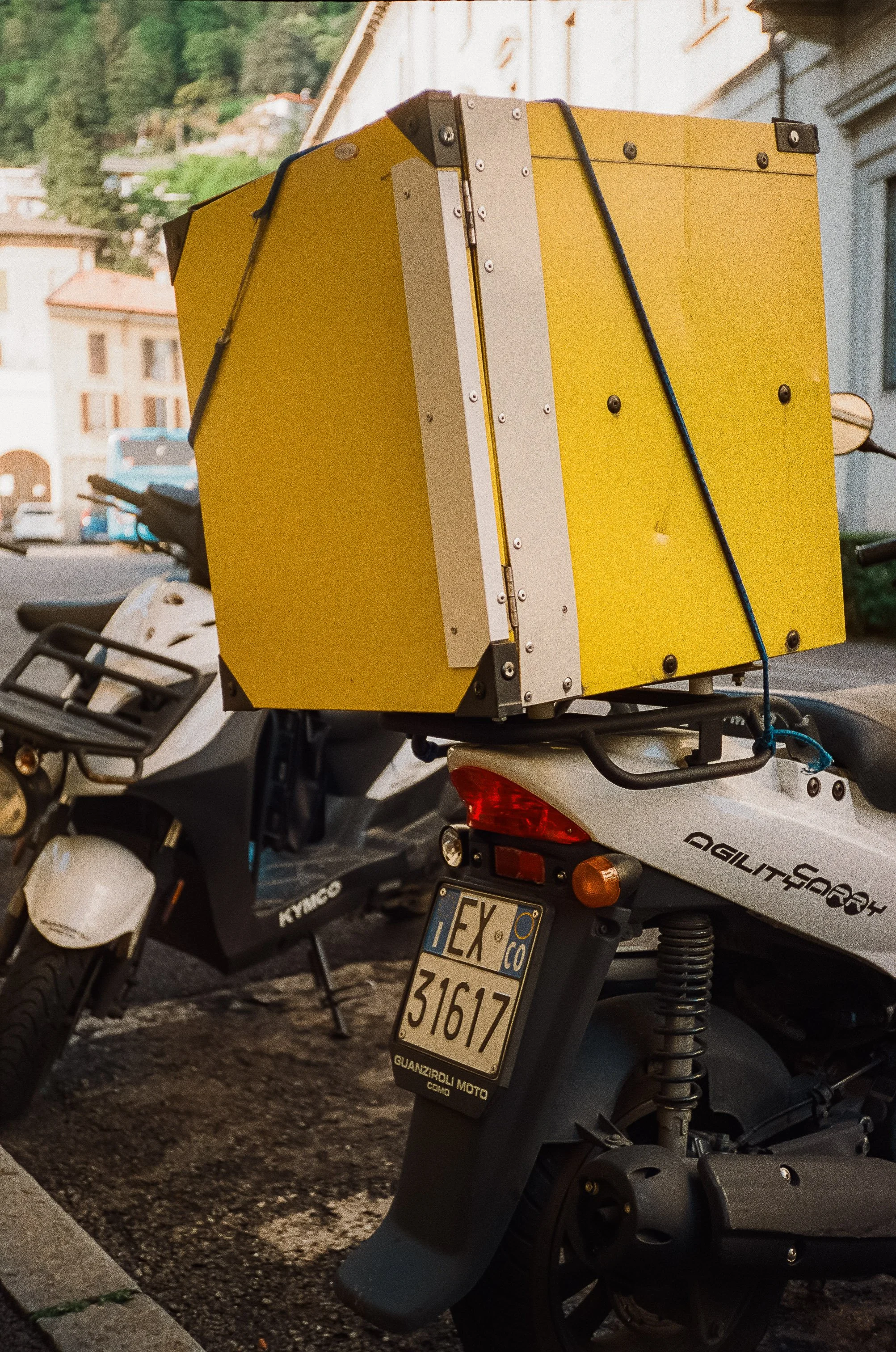
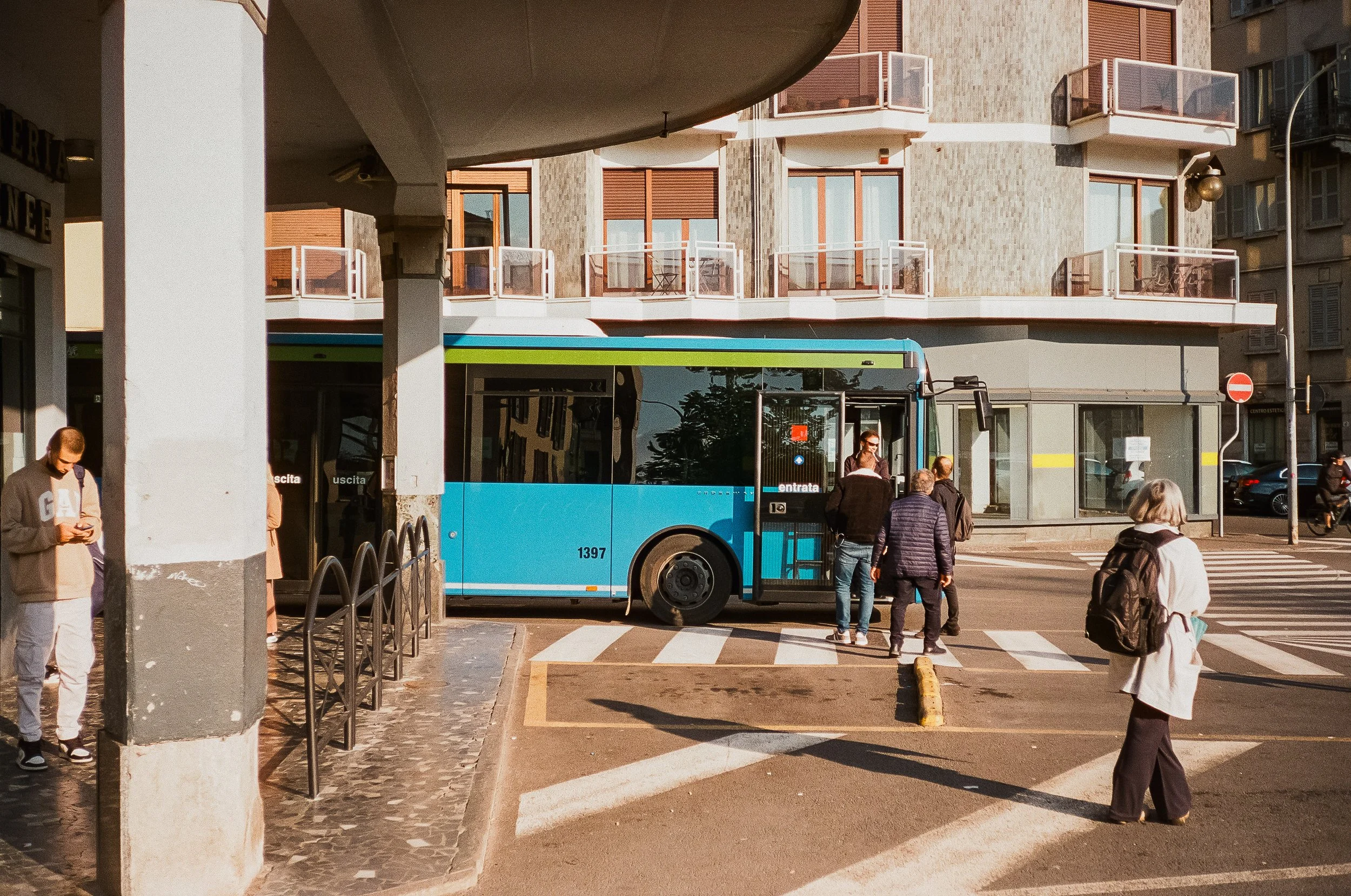
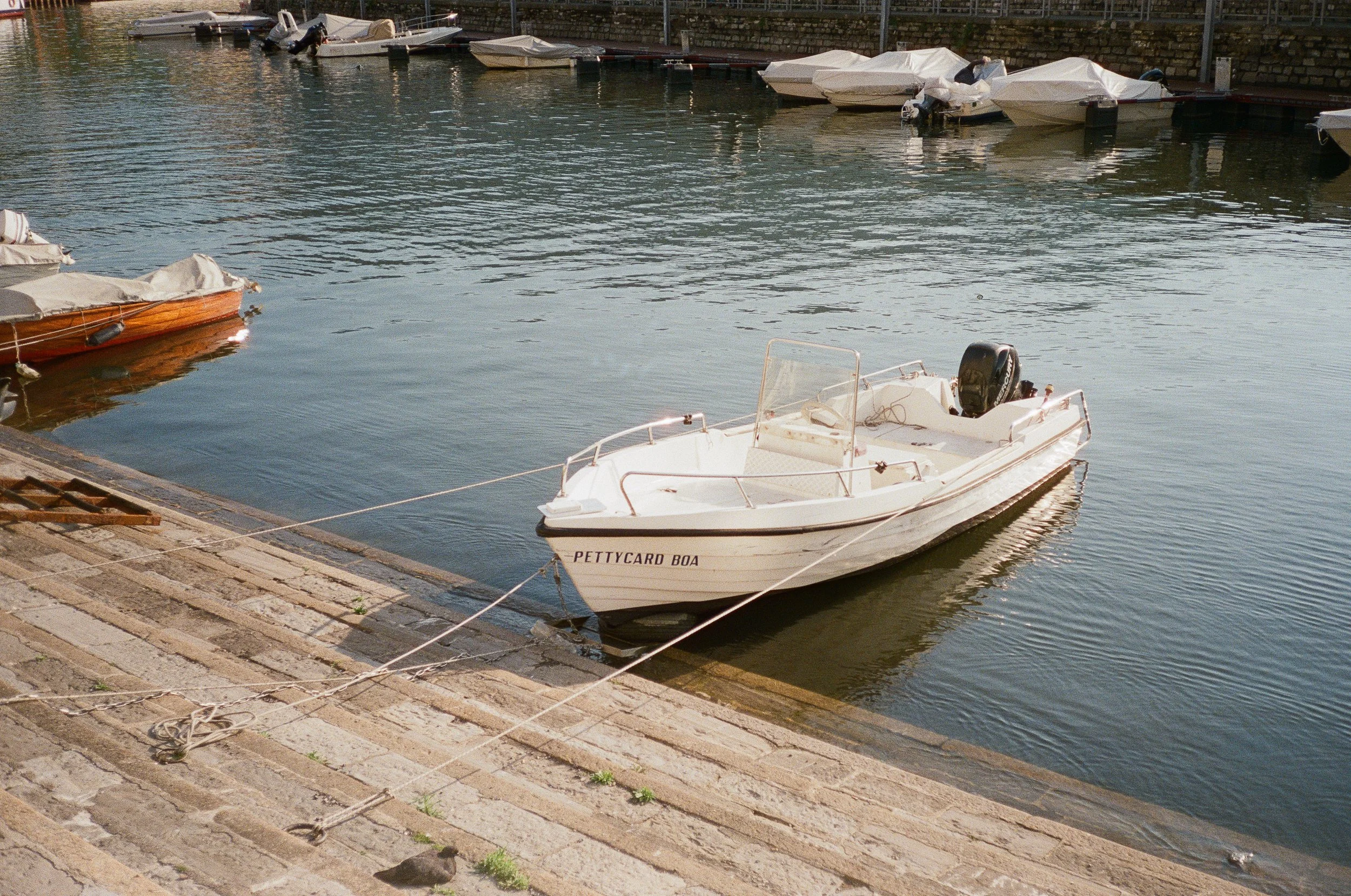
Como is where I leaned into Kodak Gold 200. The soft pastels of the buildings, the way the lake held onto the last light of the day—black and white wouldn’t have done it justice. But the streets, the old men sitting outside cafés, the boats docked in quiet harbors? That’s where Tri-X 400 gave me exactly what I needed.
Where Como felt cinematic, Garda felt wide open. More space, more air, more movement.
Here, I found myself going back to Tri-X 400. Something about the contrast, the way it let me focus on shapes and shadows. Lake Garda was alive—windsurfers flying across the water, cyclists cutting through the mountain roads, kids laughing as they ran along the shore.
But there were quiet moments too—the ones where the lake stretched out endlessly, where the sky met the water in a way that made everything feel small. Those are the images that stuck with me.
Oslo wasn’t supposed to be part of the trip, but somehow, it made sense.
After Italy’s warmth, Oslo was crisp. Clean lines, muted tones, a completely different rhythm. I didn’t shoot as much here, but the few frames I did capture? They felt like a reset. A shift before heading home.
This trip made me see differently.
I’m still black and white at heart—Tri-X 400 is always going to be my foundation. But this time, I let color be part of the story. I let Portra 800 and Kodak Gold 200 pull out the richness of the streets, the glow of the water, the warmth of the places I walked through.
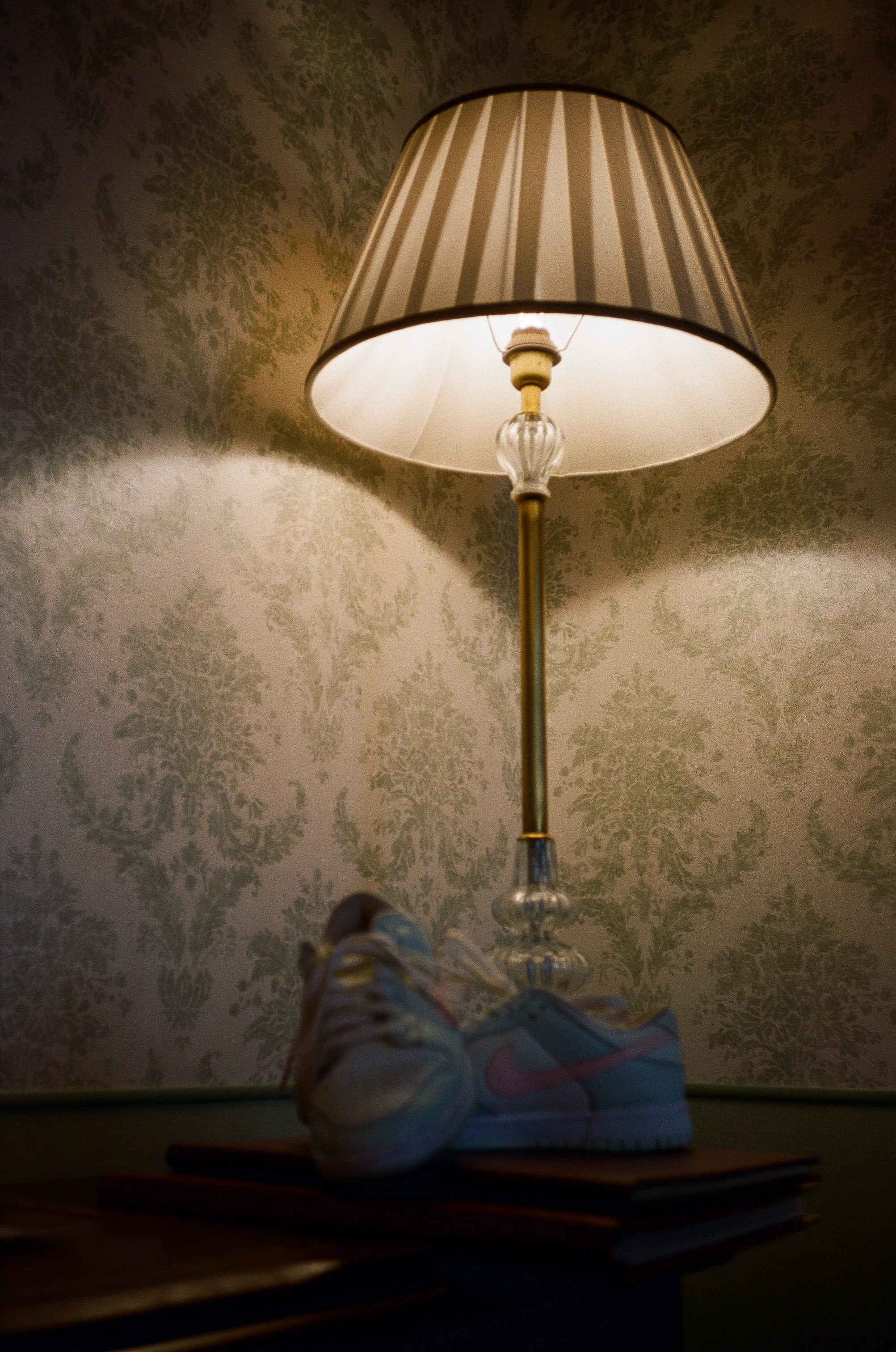
This is just a glimpse. You can see the full gallery here: Italy 2022 - Full Gallery.
Let me know—have you been to Italy? What city left the biggest impression on you? Drop a comment, let’s talk.


010: Is My Photography Style Changing?
Is My Photography Style Changing?
Lately, I’ve been asking myself a big question: Where am I going with my photography? For years, I’ve been documenting life in Atlanta through what most people would call traditional street photography. My Leica M5 and a 28mm lens have been my go-to setup. It’s a classic combo that has helped me create some of my favorite images. But now I’m wondering, is this even me? Or has this just become a lane I stayed in because it’s familiar?
Street photography, the way I’ve been doing it, is fast. It’s about catching moments in real time, quick, and in your face. And while I still love it, lately I’ve felt this pull toward something slower. What if my photography leaned more into storytelling and connection? What if I let moments come to me instead of chasing them, focusing more on timing and intention? Honestly, I’m not sure yet, but I’m trying to figure it out.
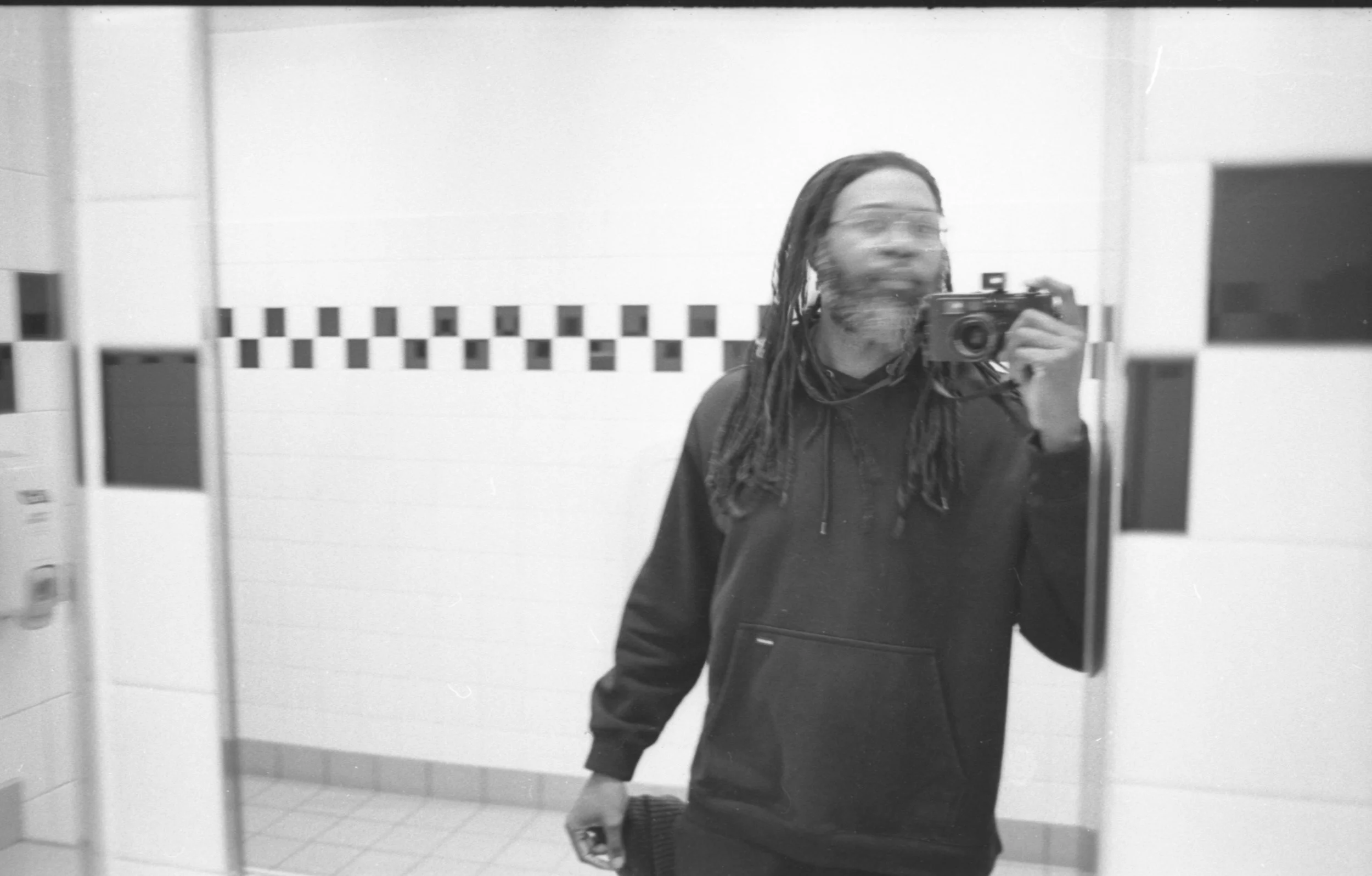
Through all this reflection, my Leica M5 has been right there with me. I love that camera. The process, the feel, the way it makes me slow down, it’s all intentional. But recently, I’ve been having some issues.
When I develop my rolls, I’ve noticed some frames are severely underexposed. On others, the right side of the frame is darker than the rest. It’s not every frame, but it’s happening enough for me to know something’s off. I dropped the bottom plate at one point. It locks, but it’s loose, and I can’t help but wonder if that’s the issue.
Here’s the thing, I can’t get it CLA’d right now, and I don’t even know where I’d send it. To be real, I’m not even sure if it’s worth it. If I’m going to put that kind of money into it, maybe I should just save for a newer Leica.
In the meantime, I’ve been using my Canon EOS-1V more, and I’ve been enjoying it. It’s a different vibe. It’s not as small or quiet as the M5, but there’s something about it that feels fresh. The autofocus, the speed, the versatility, it all fits where my head is at right now.
I’m starting to think this change in cameras might also reflect a change in my style. Do I want to stay in the traditional street photography lane, working fast with the 28mm? Or is it time to slow down and lean into something else? Something that’s more about connection and storytelling, less about the hustle of the streets?
What’s Next?
I don’t have all the answers yet, but I’m open to figuring it out. Right now, I’m letting myself explore. Maybe that means slowing down. Maybe it means pivoting and trying something new. Either way, I’m not letting the process stress me.
If you’ve ever questioned your direction as an artist, or had a camera issue that made you rethink your process, let me know. I’d love to hear how you worked through it.
I’ll keep y’all updated as I sort this out. I’ll also share some images showing what’s going on with the M5 so you can see the issues for yourself.
Stay tuned.


Check back Sunday @ 10am..
With Love,
Stan