011: Resetting My Focus: Mastering the Craft of Photography
There’s a rhythm to creativity, one that demands a quiet mind and an open heart. Lately, I’ve realized how easy it is to fall out of step, to let the noise of the world drown out the art itself.
As a photographer, my work is rooted in seeing. Not just looking, but seeing, truly noticing the beauty in what others might overlook. It’s a gift, a blessing, to have an eye that interprets the world in its own language. But sometimes, that gift gets tangled in distractions, chasing the wrong goals, worrying about the opinions of others, or measuring progress by anything other than the work itself.
This is my reset.
It’s a chance to clear the clutter and return to the essence of photography. To find joy in the way light wraps around a face, the way texture lives in the details, and the way shadows tell their own quiet stories. It’s about reconnecting with the craft, the lines, tones, and emotions that make an image sing.

For me, this reset is also about honoring the responsibility that comes with being a Black photographer. To create images is to document, to preserve, and to push the art form forward. There’s a weight to that, one that requires intention and respect for the moment unfolding in front of the lens. It’s not just about the photographs, it’s about the process, the patience, and the purpose.
In this season of clarity, I’m letting go of anything that doesn’t serve the work. Opportunities that are for me will find me, and the ones that aren’t will fade as they should. My only goal is to create, to immerse myself in the process, and to trust that the results will follow.
This isn’t about perfection. It’s about presence. It’s about learning to listen to the image, to the story it wants to tell, and allowing myself to be a vessel for it. As a creative, there’s no greater blessing than to see the world differently and to share that vision with others.
Photography is a gift, and mastering it is my purpose. Not for applause, not for validation, but for the sheer love of the craft. This is my opportunity to reset, to create freely, and to carry the torch forward in a way that honors those who came before me while inspiring those who come next.
This is the work.
-Stan
002: Between the Covers: Book Review of Last Day in Lagos


Between the Covers: Book Review of Last Day in Lagos
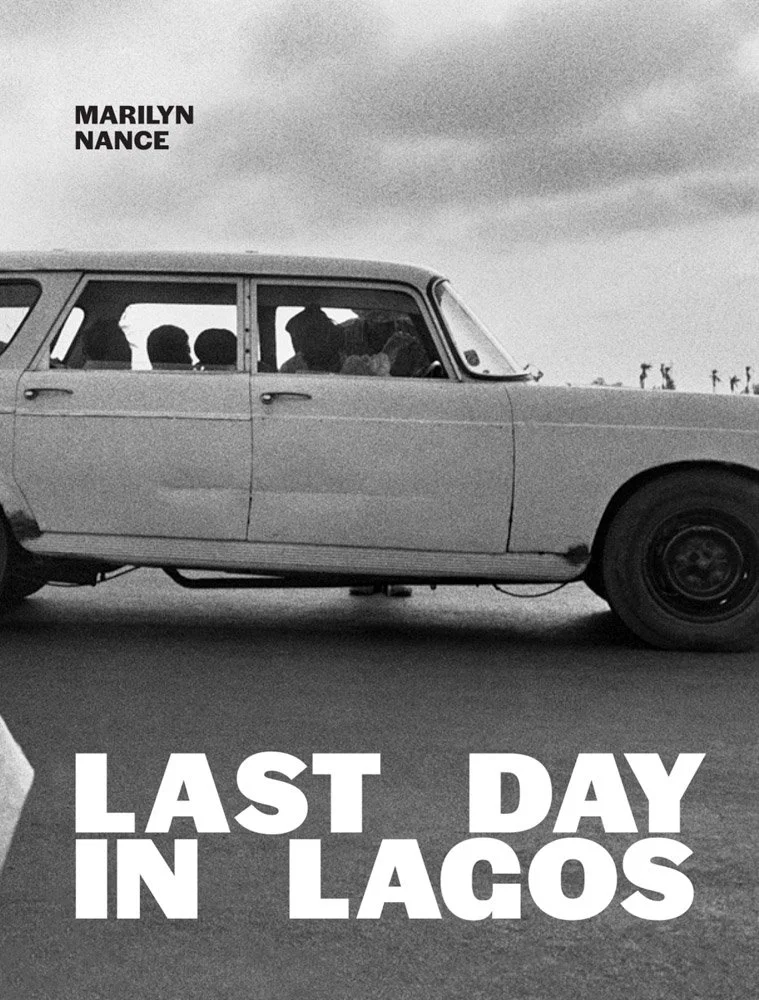
If you’ve ever found yourself mesmerized by the power of a single photograph—how it can transport you, make you feel, or even spark a bit of cultural pride—then Marilyn Nance’s Last Day in Lagos is about to become your new favorite book.
Let’s talk about FESTAC ’77. Now, I’m not saying I’d survive a month-long festival in Lagos, Nigeria, back in 1977 (Atlanta summers are humid enough for me), but this was more than just a party. FESTAC ’77 brought together over 15,000 artists, thinkers, and performers from across the Black diaspora. It was like the ultimate family reunion—but with drums, poetry, dance, and fashion on a level that would make even today’s TikTok trends seem tame.
And who better to document it all than Marilyn Nance? She was out there with her camera, capturing moments that weren’t just pretty but historic. As the official photographer for the U.S. delegation, she photographed over 1,500 images, and Last Day in Lagos finally gives us a look at that treasure chest. Flipping through these pages feels like stepping into a time machine where every frame is dripping with culture, artistry, and a rawness that only film photography can deliver.
For my fellow film nerds out there, let me just say this: the texture, the tones, the shadows—it’s everything. There’s something magical about the way Nance’s lens translates not just the event but the energy of the people. This isn’t just about what happened; it’s about how it felt to be there.
The book also includes essays and interviews that give context to the festival and its significance. Shoutout to Oluremi C. Onabanjo for the thoughtful editing and Julie Mehretu for a foreword that sets the tone perfectly. These aren’t just words on a page; they’re layers of meaning that enrich the visuals.
What really struck me, though, was how much this book feels like a call to action. It’s a reminder of what’s possible when we come together as a people to celebrate our creativity, resilience, and shared history. It’s the type of inspiration I need when I’m out creating images on Atlanta’s streets, trying to document those moments that speak to the everyday beauty of Black life.
As for the cameras and film stock Marilyn Nance used to create the incredible images in Last Day in Lagos, the specifics aren't widely documented. However, her work from the 1970s and 1980s predominantly features black-and-white imagery, suggesting she likely used 35mm film cameras popular among photojournalists of that era. To gain deeper insights, reaching out to Nance through her official website may provide further details.
So, if you’re looking for something that’ll inspire you, teach you, and maybe even make you a little emotional (because yes, I had a moment… or three), grab yourself a copy of Last Day in Lagos. It’s available through the Studio Museum’s store, and trust me, this is one for the culture—literally.
While you're at it, check out my book, also available through my online shop. Trust me—there’s enough inspiration to go around.
Until next time, stay inspired and keep finding the beauty in the ordinary.
With Love,
Stan
Check back Sunday @ 10am..
With Love,
Stan