017: Basketball Reflections: Documenting the Game, Love, and Life Lessons


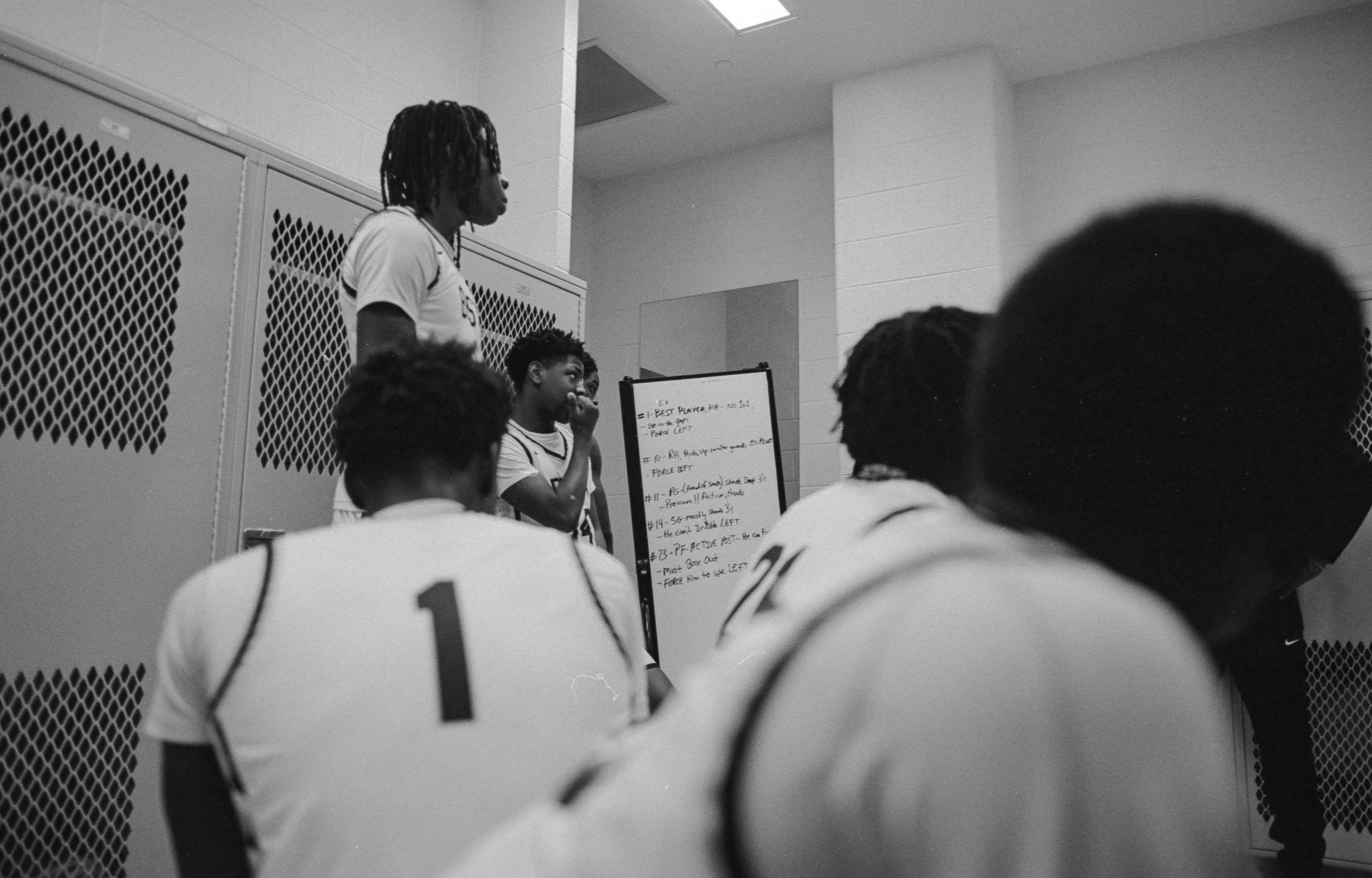
Walking back into a gym feels like stepping into a familiar hymn, one that hums through my bones, steady and sure. The rhythm of sneakers on hardwood, the echo of a whistle slicing through the airit all pulls me back. There was a time when this was the dream: standing on the baseline, capturing every heartbeat of the game, chasing that shot that could freeze time in a single frame. College courts, NBA lightsI wanted all of it.
But before I ever held a camera, I had hoop dreams of my own. I wasn’t just aiming to document the gameI wanted to live it. The goal was to hear my name echo through packed arenas, to feel the weight of the ball in my hands under the bright lights of the NBA. I wanted to be that player making game-winning shots, chasing championships, leaving it all on the floor. But dreams shift. Injuries, reality checks, and life itself have a way of rerouting your path. Mine didn’t pan out the way I imagined, and that truth hit hard.
But life has a way of teaching you that the loudest stories aren’t always found in the action
Back then, I didn’t understand that the story ran deeper than the final buzzer, hidden in the quiet moments between playsthe sweat tracing down a player’s temple the ice-cold focus in their eyes before a free throw the coach’s quiet heavy pause like a prayer wrapped in strategy and hope That kind of understanding only comes with experience and accessseeing beyond the surface and getting close enough to feel the pulse of it all.
Still, every time I walk into a gym, it feels like coming home. This game my game was the first gift my father placed in my hands. Or maybe it was the camera first, sometimes I wonder which came before the other. I’ve got more pictures of myself as a kid holding a camera than a basketball, but eventually, that ball found its way into my hands too. It wasn’t just leather and air it was legacy language and love wrapped into one Basketball taught me how to move through life: with discipline, focus, and fire. But with that love came bruises toodisappointments that cut deep, pressures that weighed heavy, lessons I had to unlearn just to breathe again.
Yet, the love remains. It runs deep, especially in the Black community. Basketball isn’t just a pastime it’s a way out, a way forward. For some of us, it wasn’t just about crossing up defenders it was about crossing over barriers. College wasn’t promised to everybody, but sometimes that orange ball carved a lane where there wasn’t one before. Generations before me didn’t always see other exits, professional sports felt like the only unlocked door because exposure to different paths was scarce. Opportunities beyond the court lived in shadows, out of reach for many. Every dribble , not just personal dreams but generational hope, a chance to rewrite a family’s future. Each shot each whistle each cheer carried the weight of survival legacy and the belief that maybe just maybe this game could be more than just a game It was a blueprint, a hustle, and a light cutting through the dark, stitched into every net and painted on every hardwood floor.
Now, when I document players and coaches, it’s not about the highlight reelit’s about the heartbeat of the game. It’s about showing what basketball means to us-how it molds character, builds community, and holds space for both joy and pain. I want every image to speak to that truth.
So I’ll keep returning eyes open heart ready Because this game? It’s not just about points on a scoreboard. It’s poetry written in sweat and sacrifice where every dribble is a heartbeat and every shot carries the weight of a dream that refuses to die This game teaches you how to rise after every fall, how to embrace the grind, how to lose with grace and win with humility. It is the language of passion pain and perseverance the kind of love that hurts heals and humbles you all at once This game? It’s life itself raw, beautiful, and brutally honest. And every time I step back into that gym, I’m reminded that it deserves to be seen, felt, and honored for all it truly is.


015: Bearing Witness on Buford Highway: A Black Photographer’s Reflection
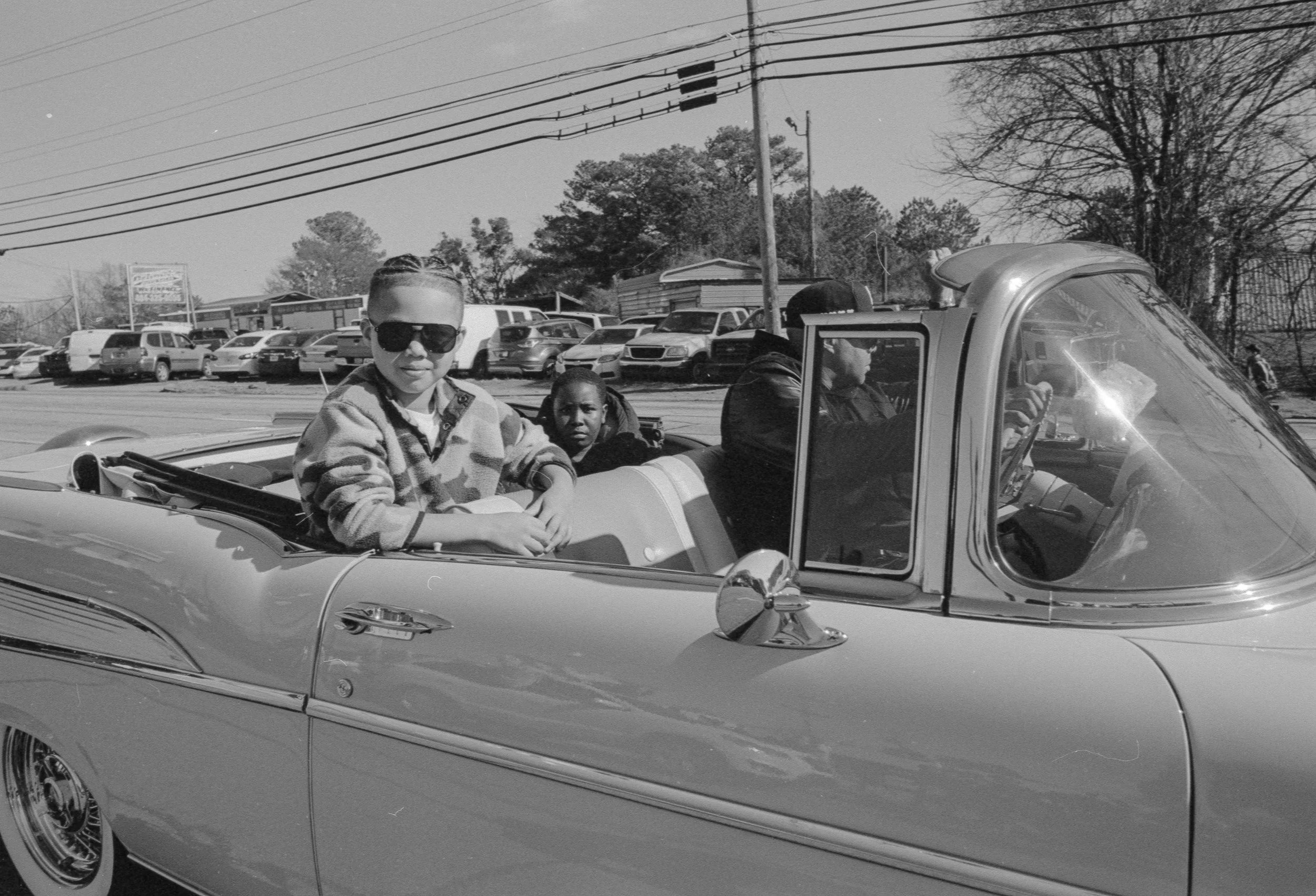
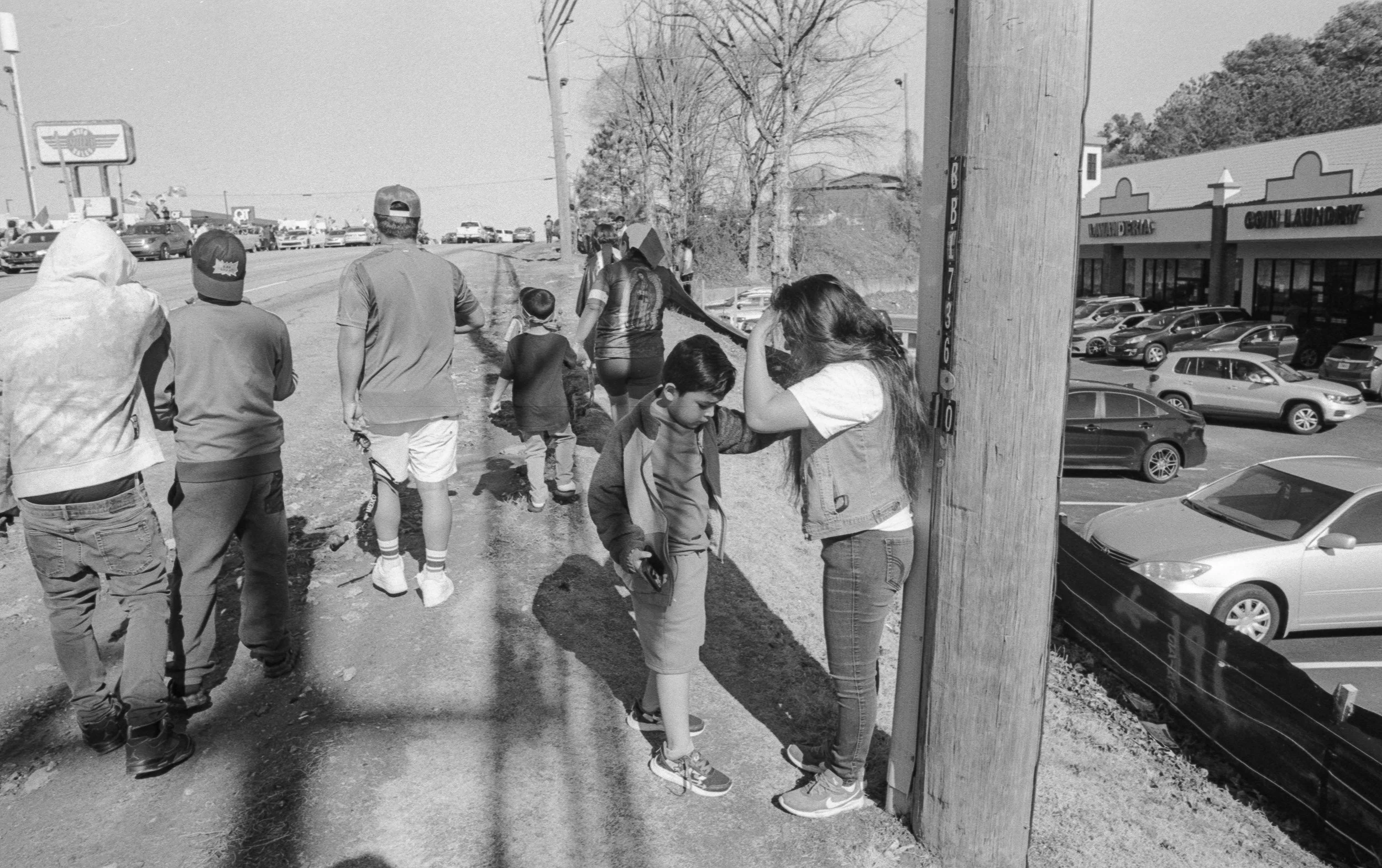
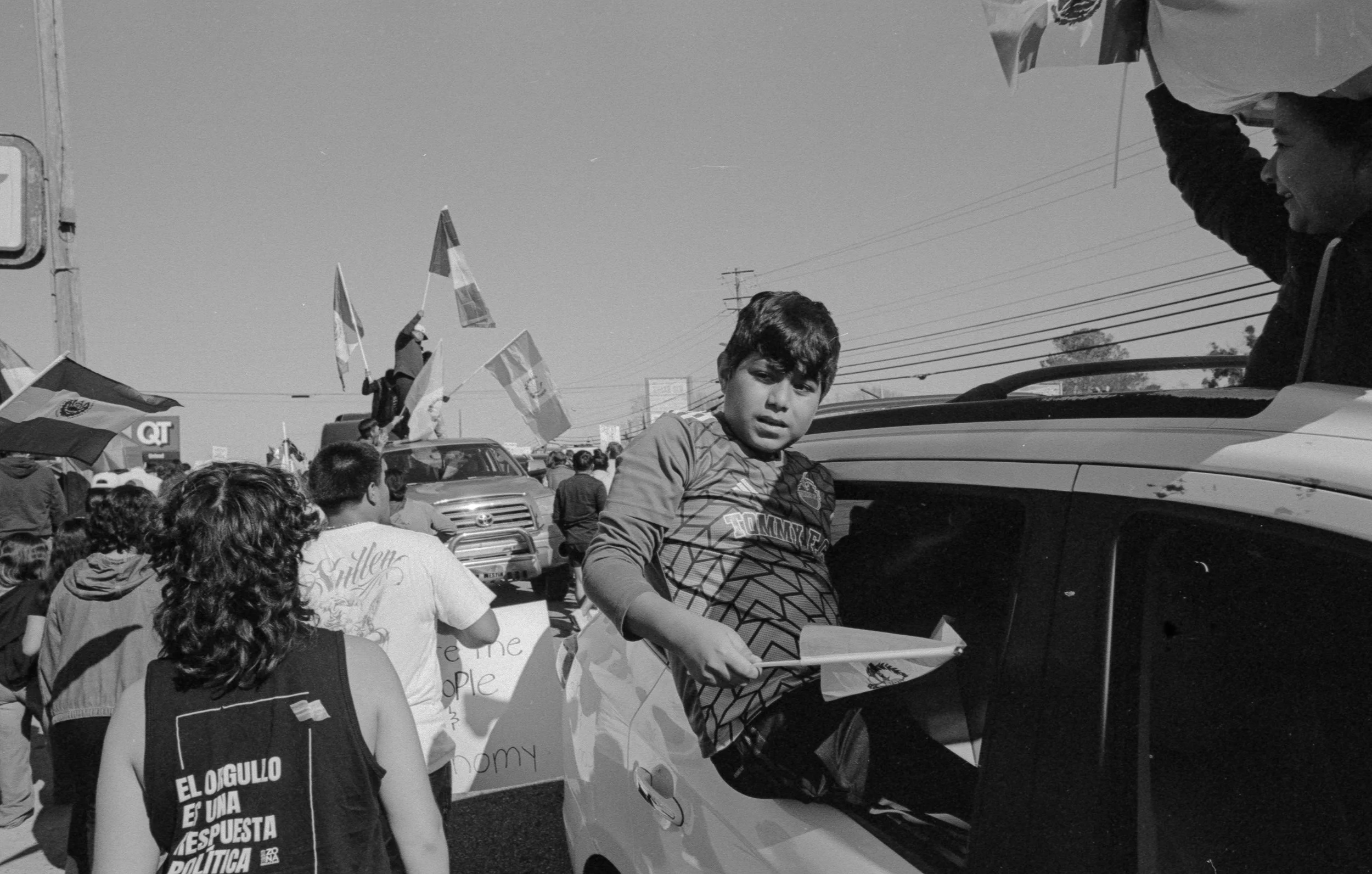
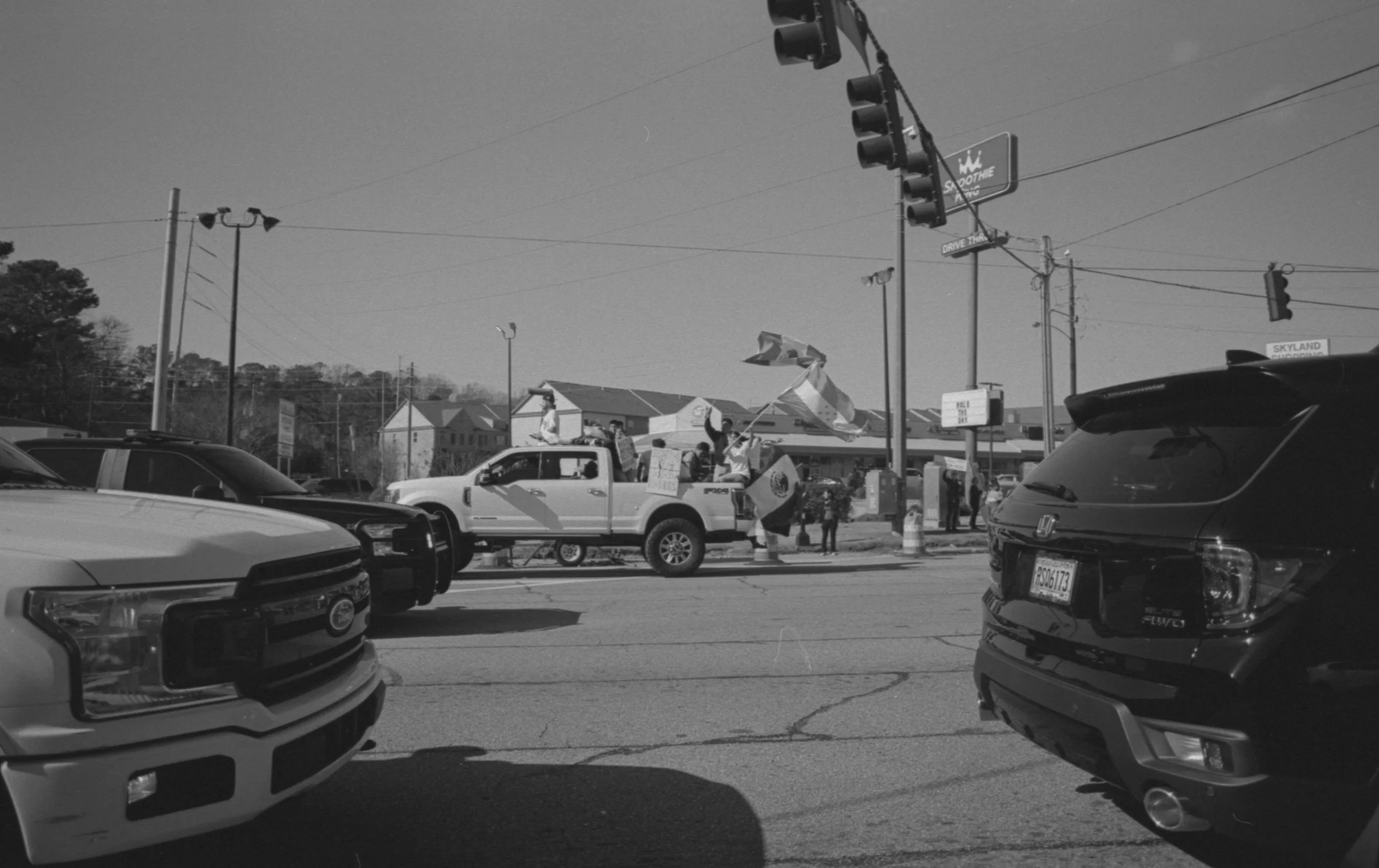
Bearing Witness on Buford Highway: A Black Photographer’s Reflection
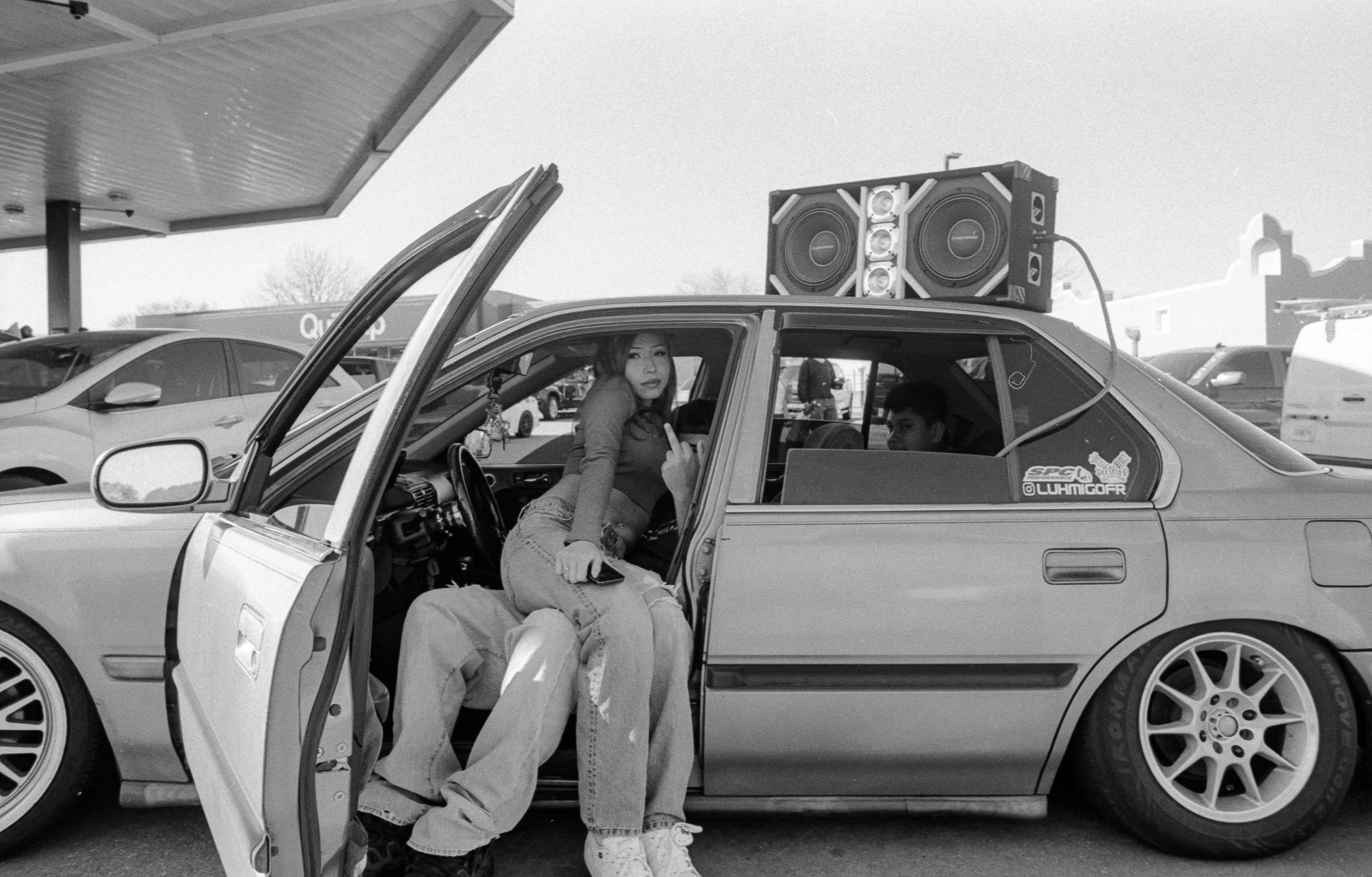
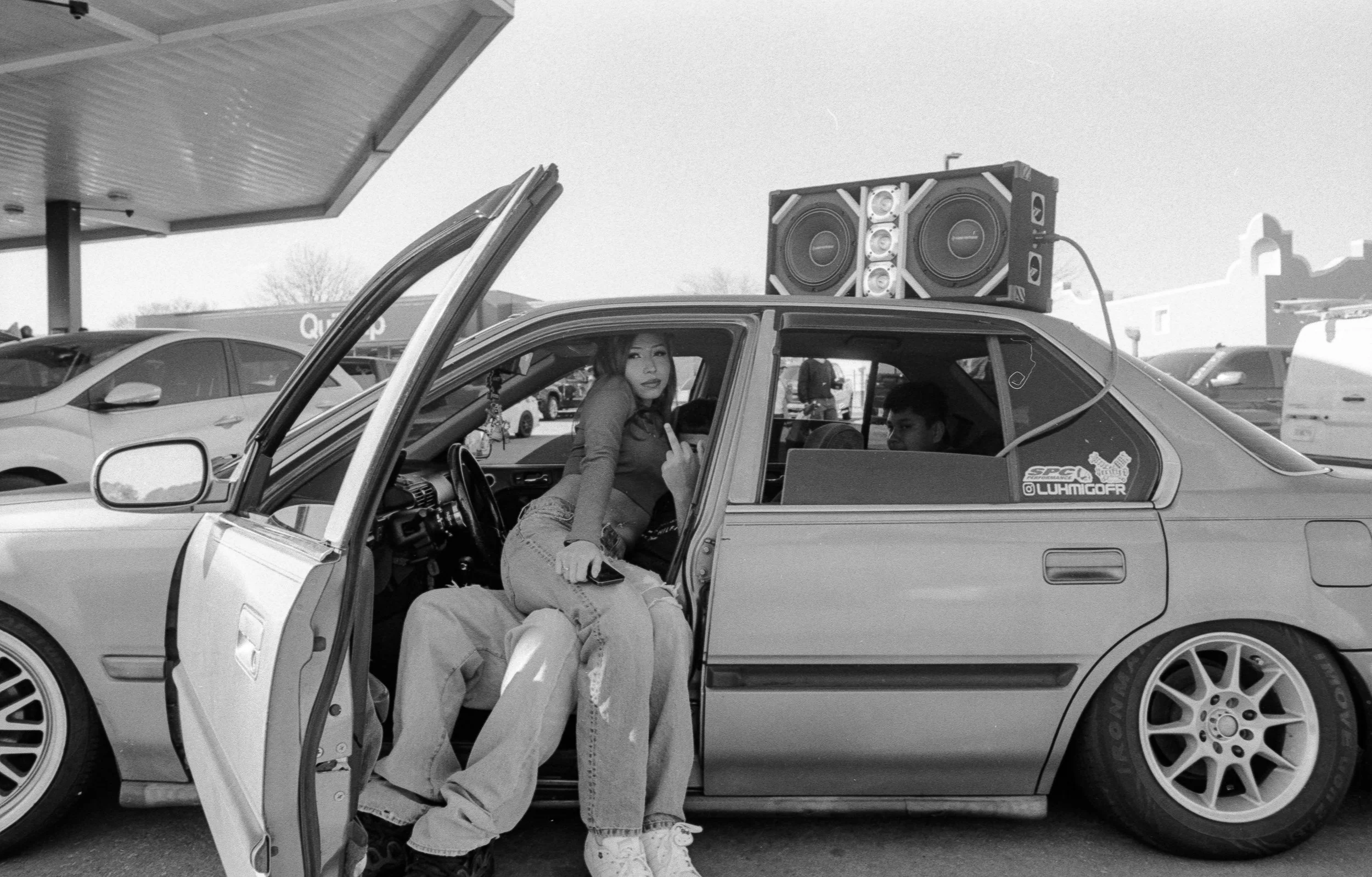
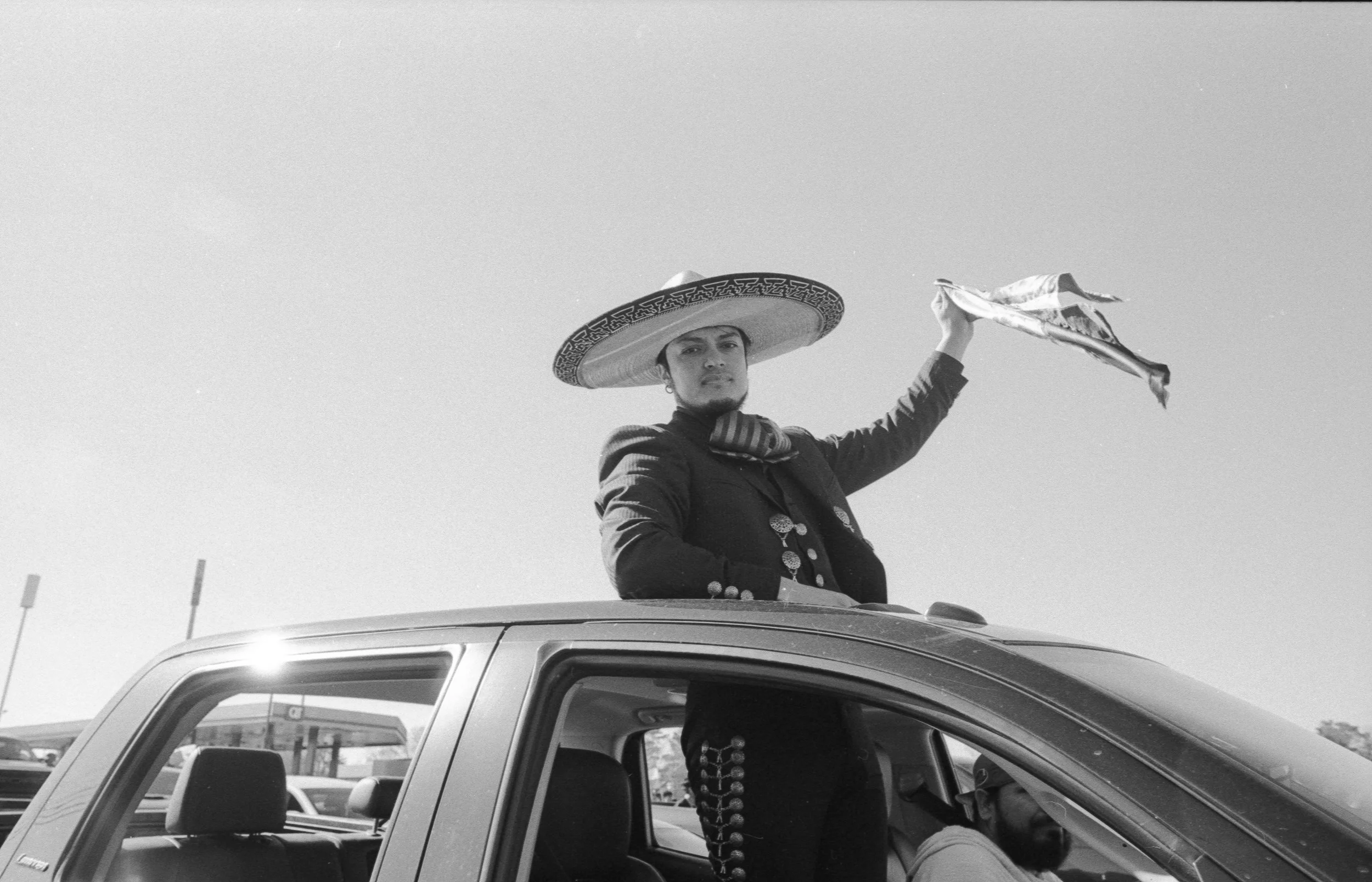
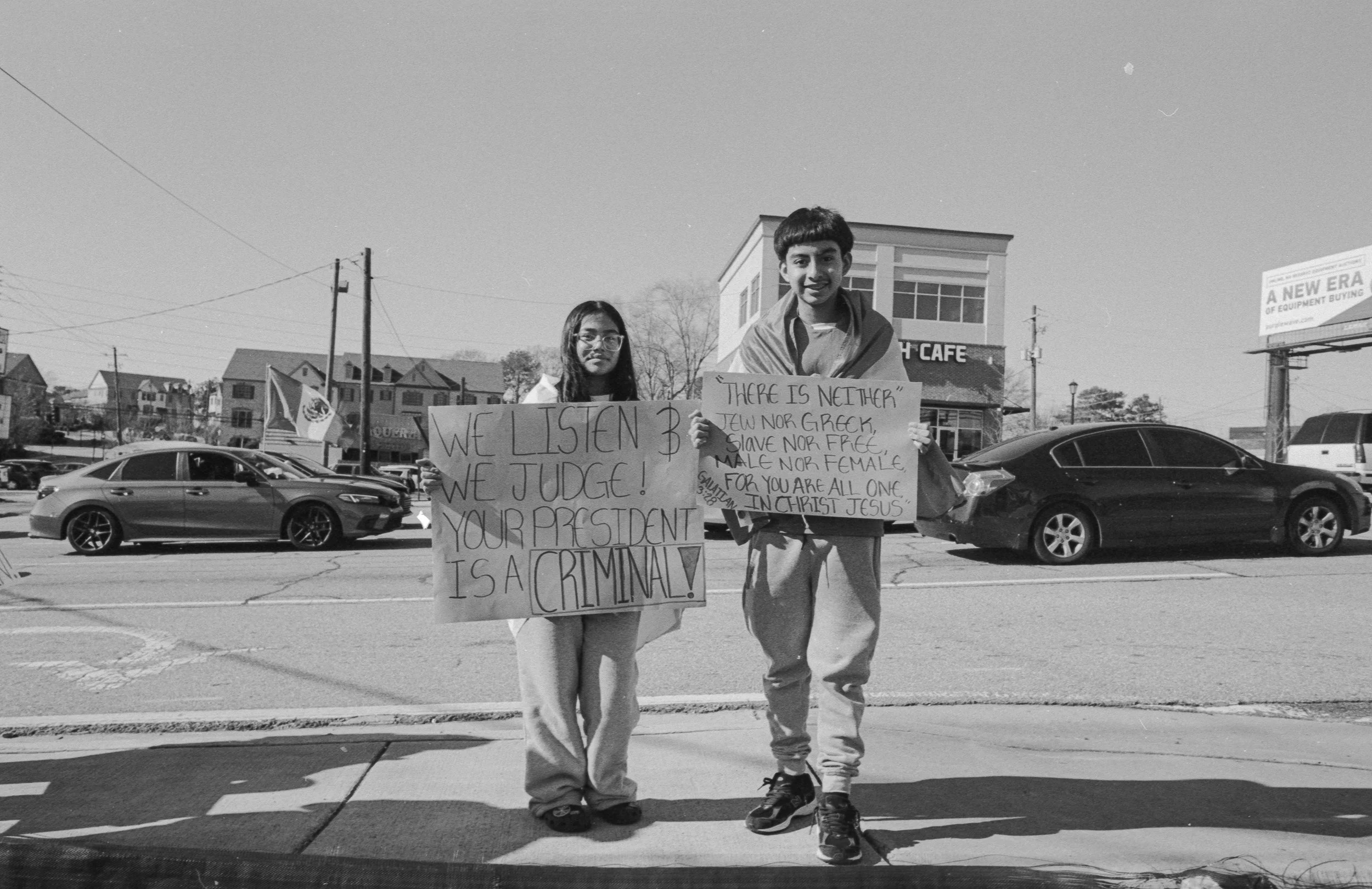
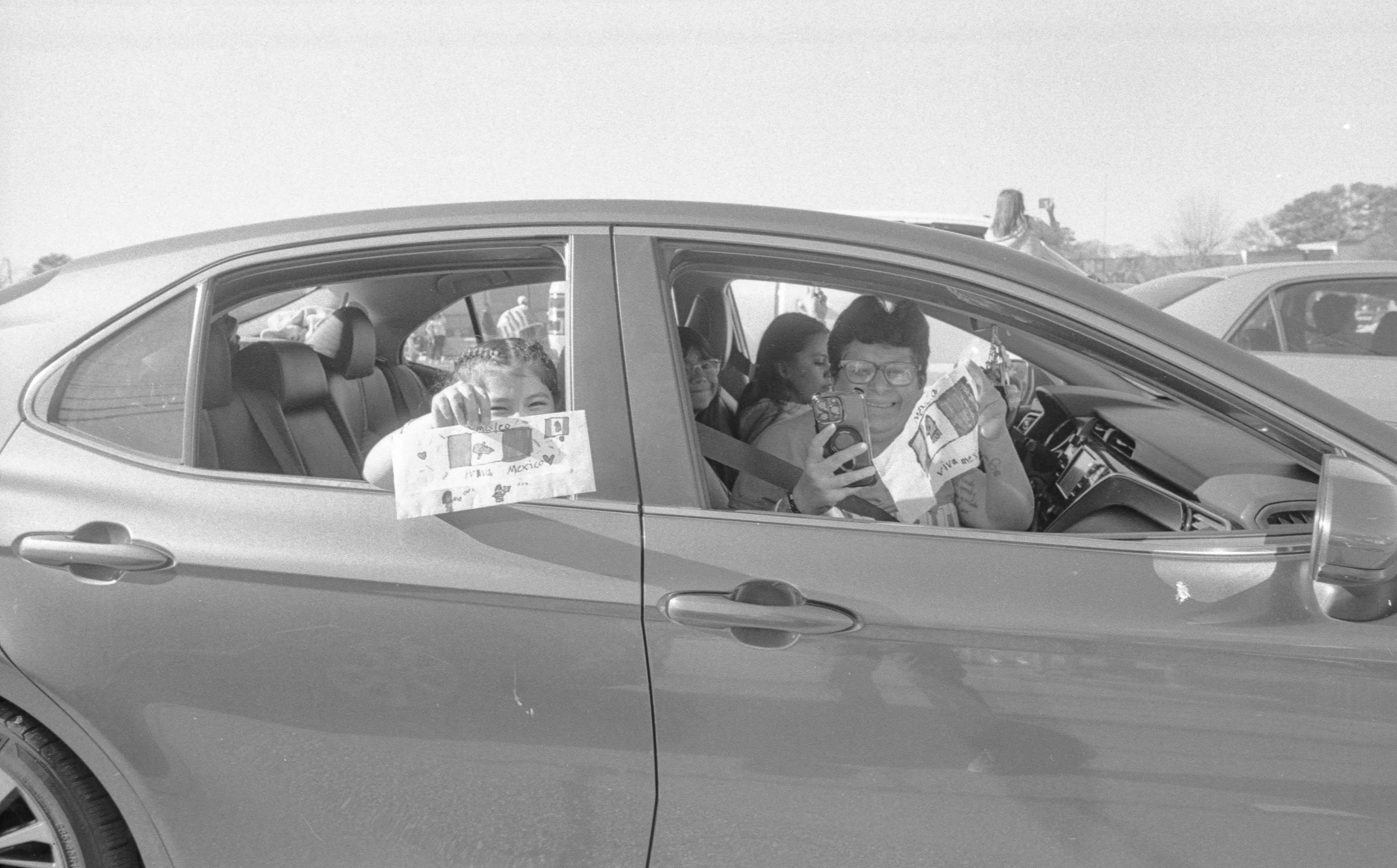
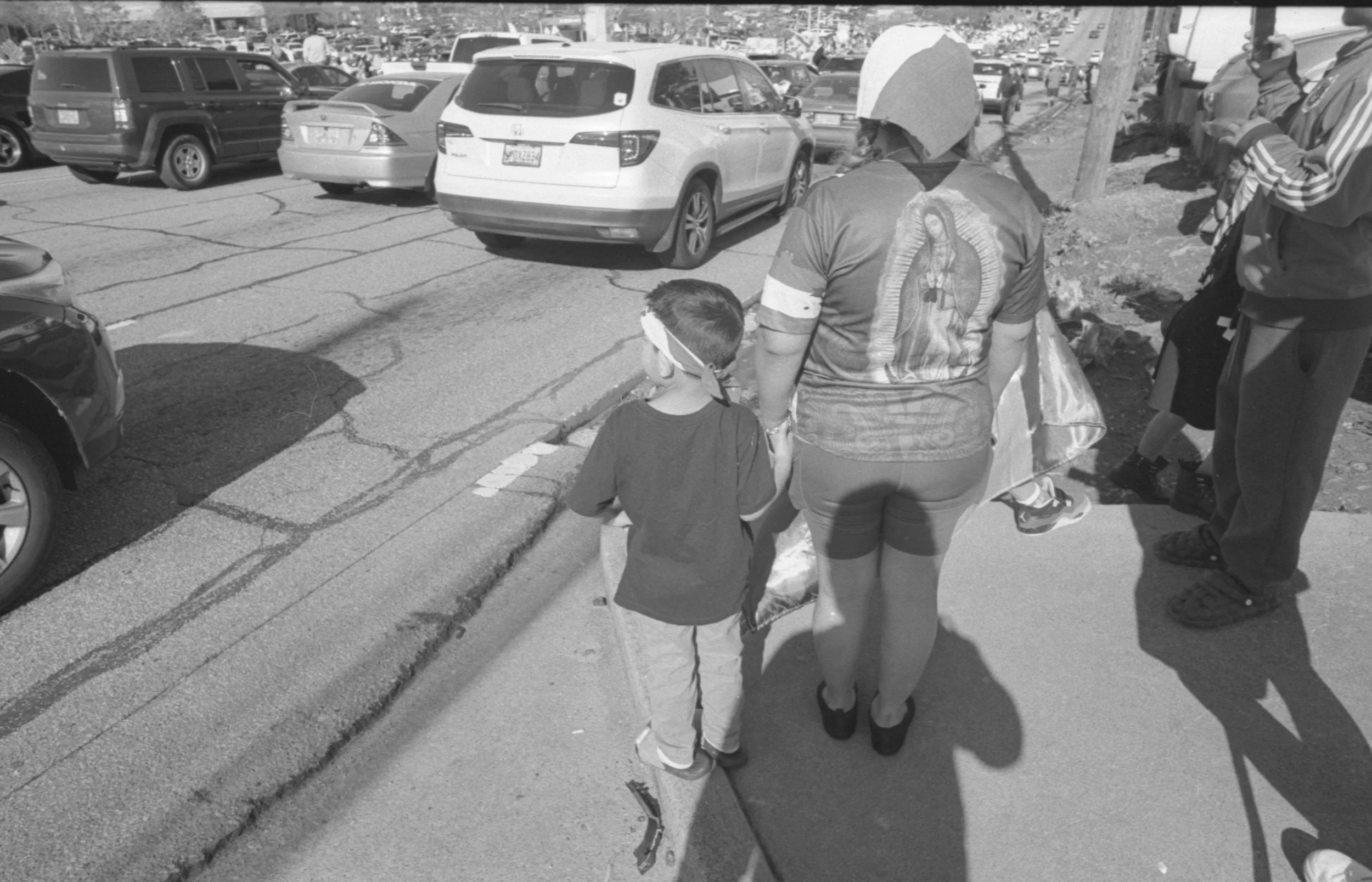
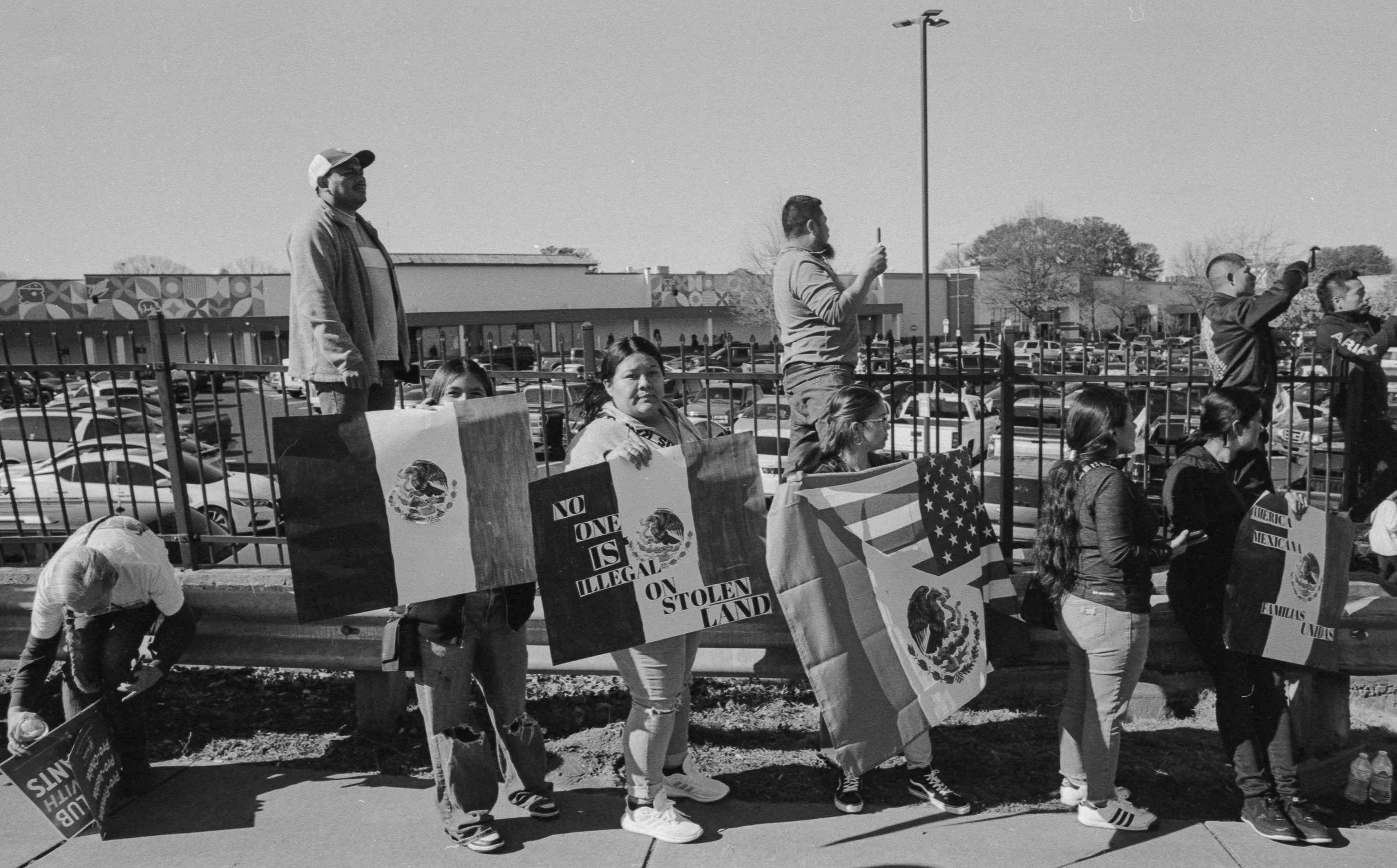
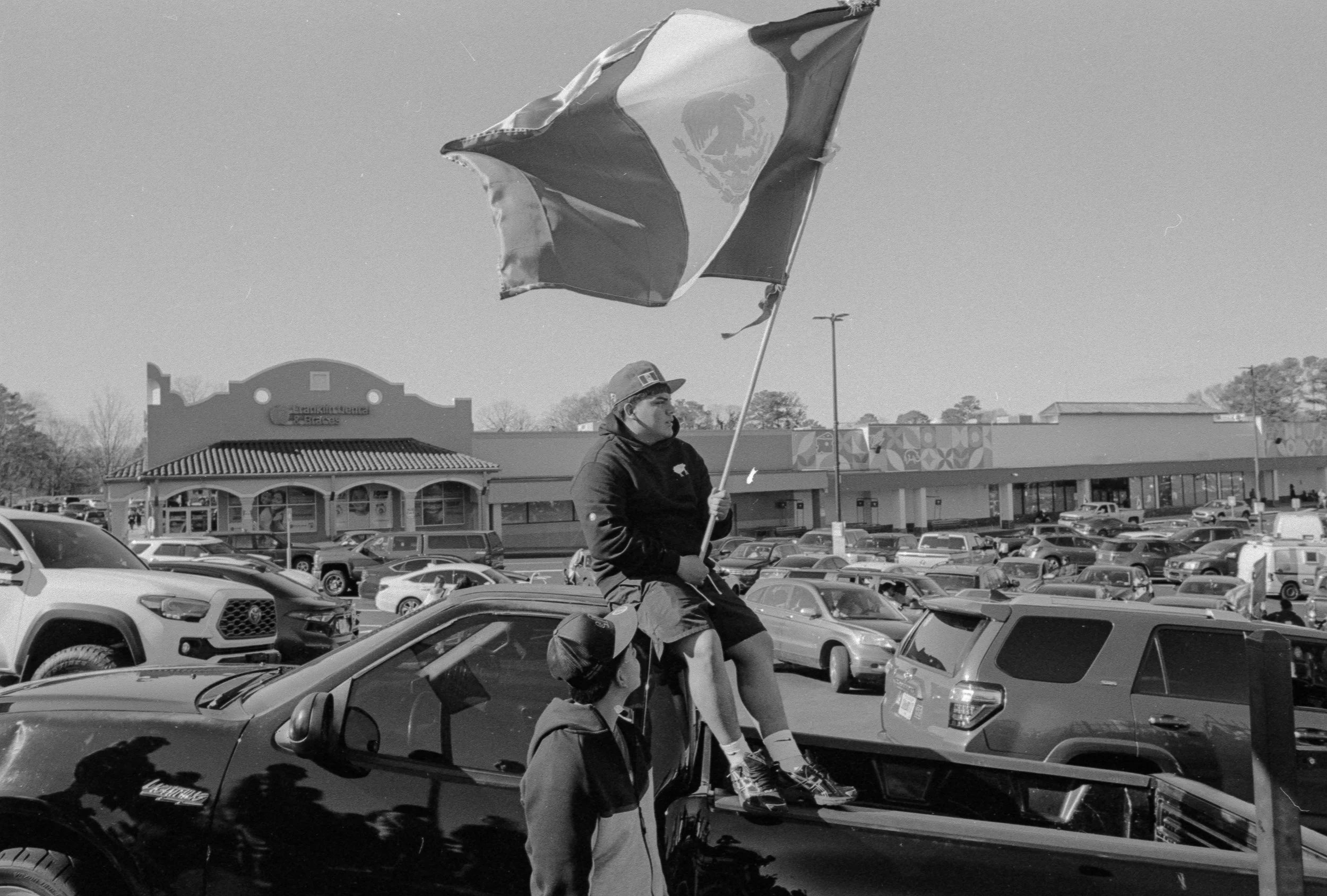
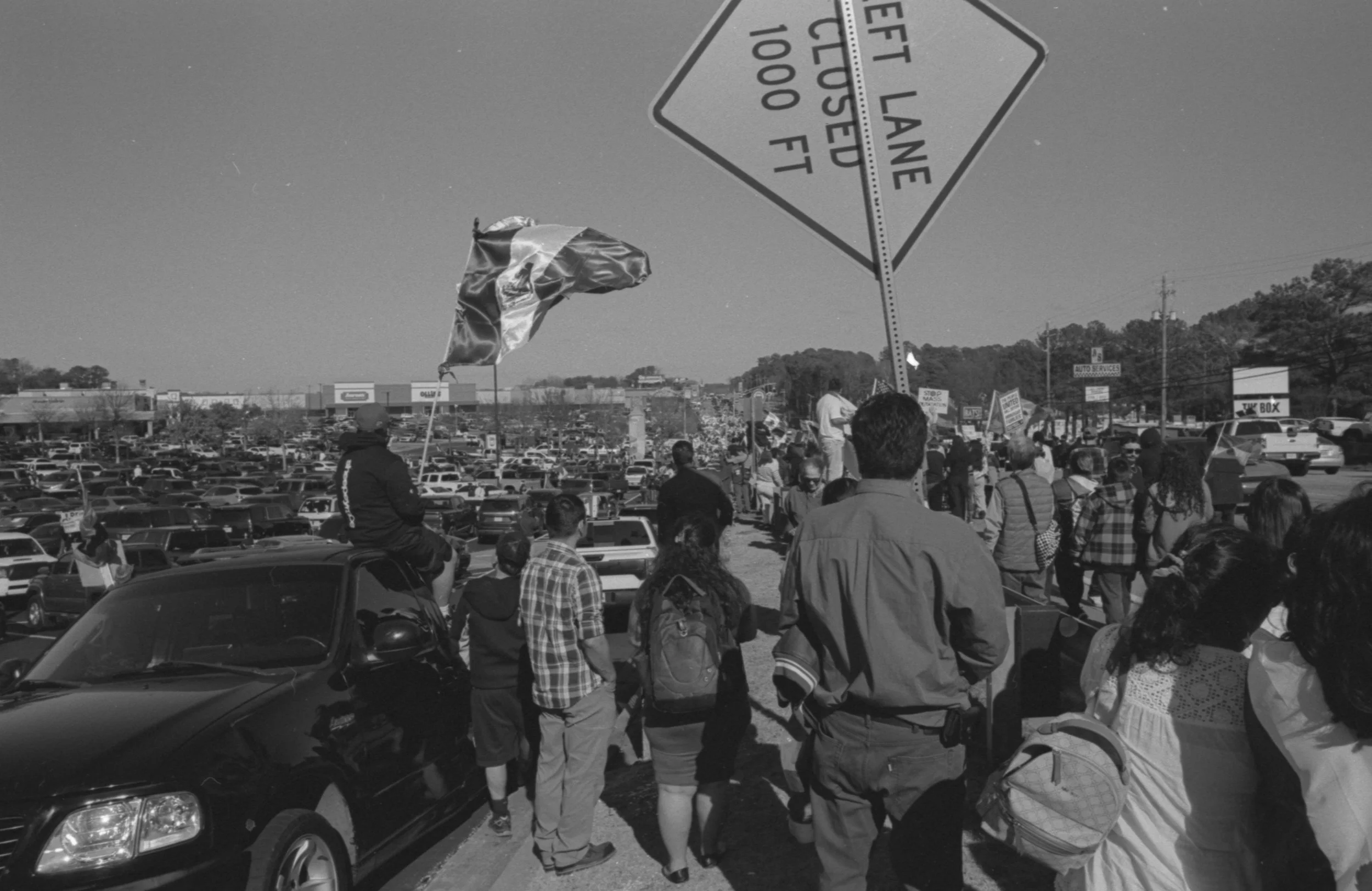
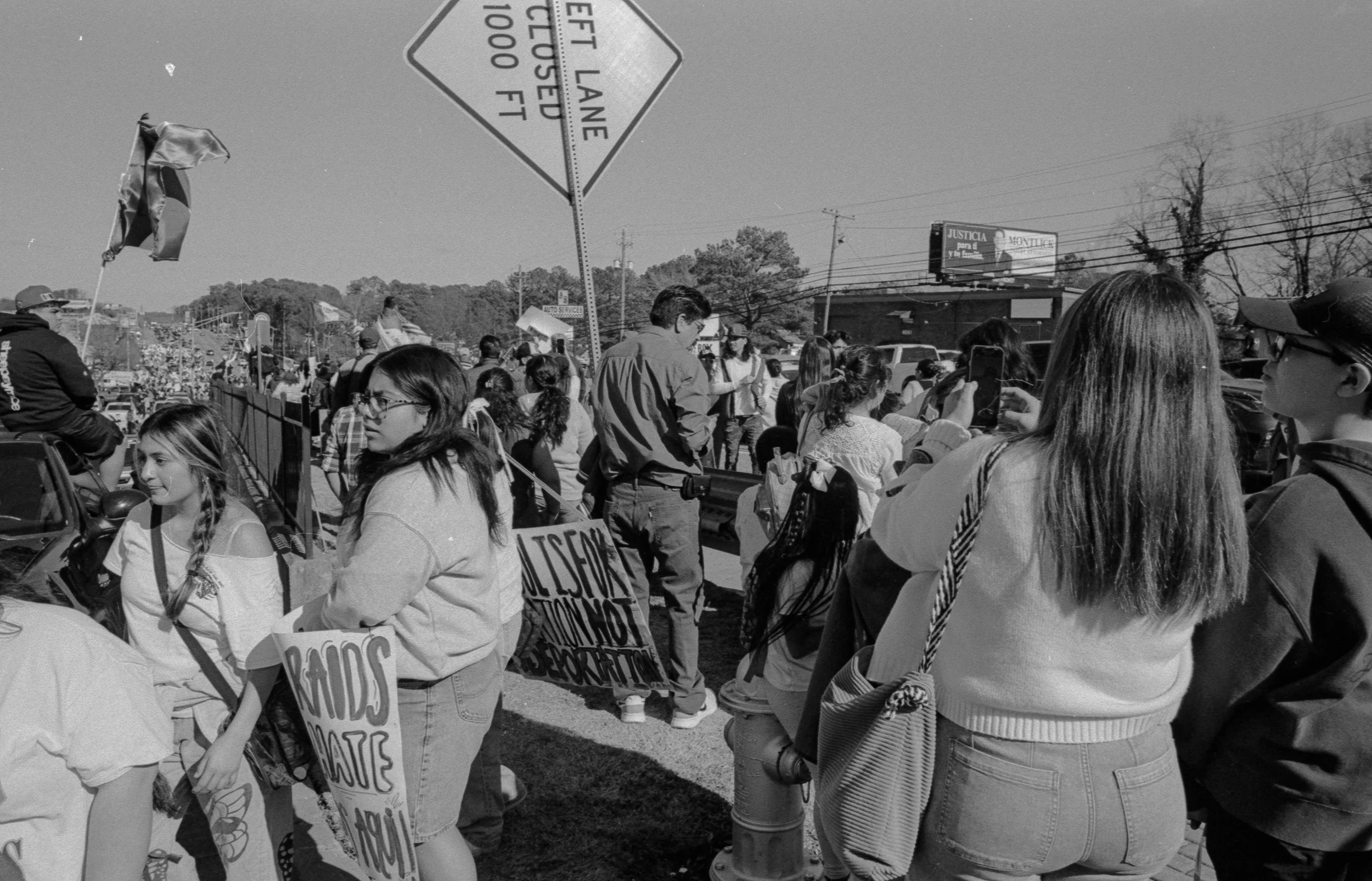
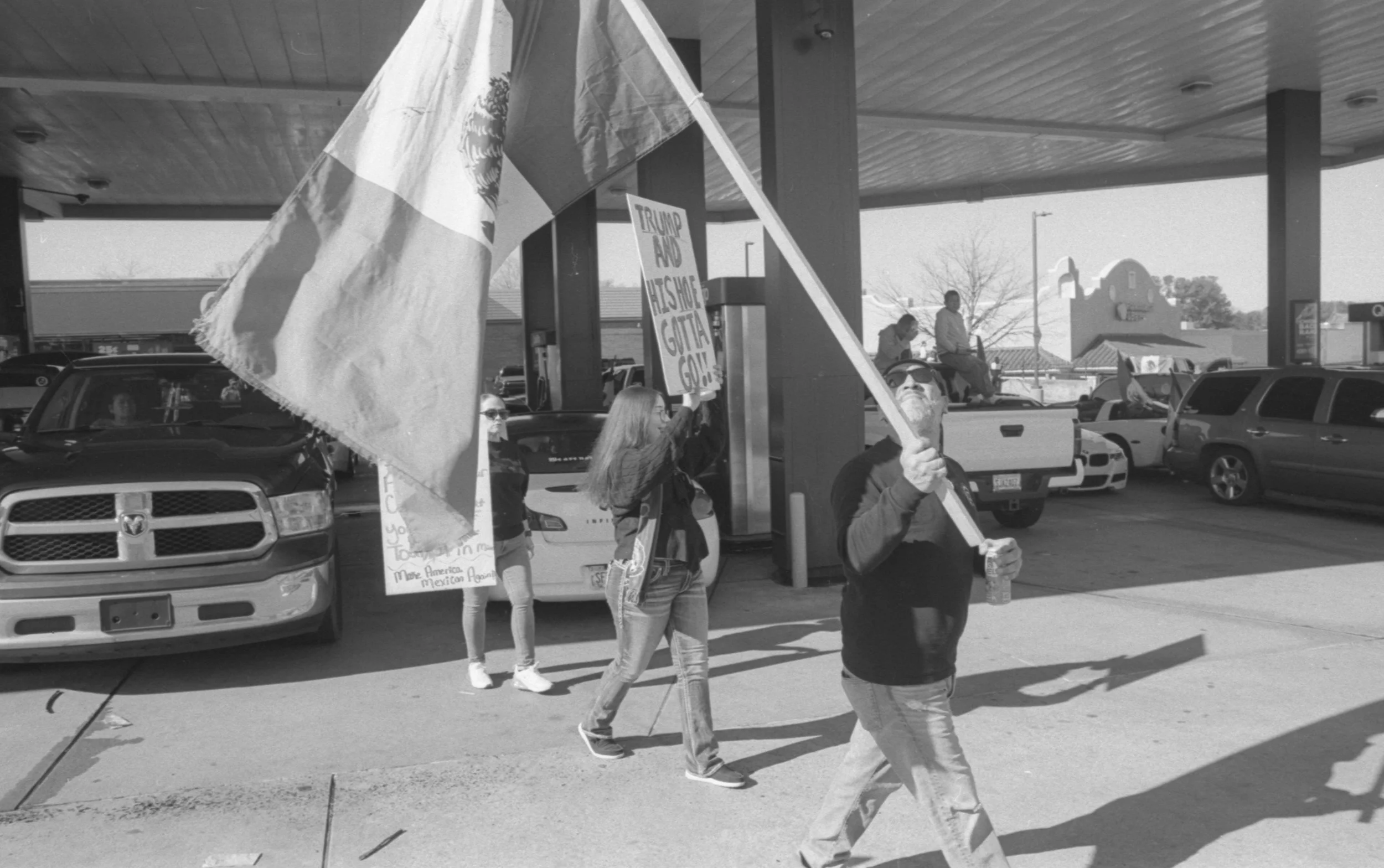
Some moments in history demand to be seen, to be held, to be remembered. This past weekend, I found myself on Buford Highway, camera in hand, drawn not by obligation but by something deeper, an unshakable need to document a piece of the world as it unfolded before me.
On Saturday, February 1, 2025, more than a thousand people gathered near Plaza Fiesta, their voices rising in unison against recent ICE raids that had swept through metro Atlanta. They marched, not just for themselves, but for families, for futures, for the right to simply exist without fear. And as they moved, I moved with them, witnessing, listening, framing moments in time. (WABE)
Though I was born and raised in Decatur, Buford Highway is just as much a part of me. My grandparents lived directly across the street from Plaza Fiesta, a landmark I’ve known longer than I’ve known the weight of a camera in my hands. I went to elementary school on this side of town, walked the halls of Chamblee High, split my time between these streets and the ones back home. To document this moment here, in a place woven into my own story, felt like a full-circle moment—like honoring a history I know in my bones.
As a Black man with a camera, I understand the weight of seeing. Of recording. Of making sure stories, especially the ones that might otherwise be overlooked, are told with honesty, dignity, and truth. This is a responsibility I carry with intention, knowing I follow in the footsteps of the great Black documentary photographers who came before me.
Eli Reed, whose work has always balanced raw reality with an undeniable grace.
Gordon Parks, who showed us that a camera is not just a tool, but a weapon against injustice.
R.C. Hickman, who captured the quiet resilience of Black life in the South.
Keith Calhoun and Chandra McCormick, whose images have given voice to the unseen laborers, musicians, and incarcerated souls of New Orleans.
Robert H. McNeill, who preserved the depth of Black life in Washington, D.C., during a time of rapid change.
Their images did more than document history. They demanded that history be felt. I think about that every time I lift my camera, how each frame holds not just what I see, but what I feel, what I understand, what I refuse to let slip away.
When I left the darkroom earlier that day, my hands still smelled of fixer and developer, the last remnants of another body of work coming to life. But this, here on Buford Highway, was a new moment waiting to be held. And so I raised my camera once again.
For those interested in the process, the craft, and the journey of being a documentary photographer, I invite you to read my recent post, "Emerging from the Darkroom: A Photographer’s Journey".
Because in the end, it all comes back to the same thing, the act of seeing, of remembering, of refusing to let stories fade. And this? This was a story that deserved to be told.
Check back Sunday @ 10am..
With Love,
Stan